GWO BST Sea Survival Course Overview 

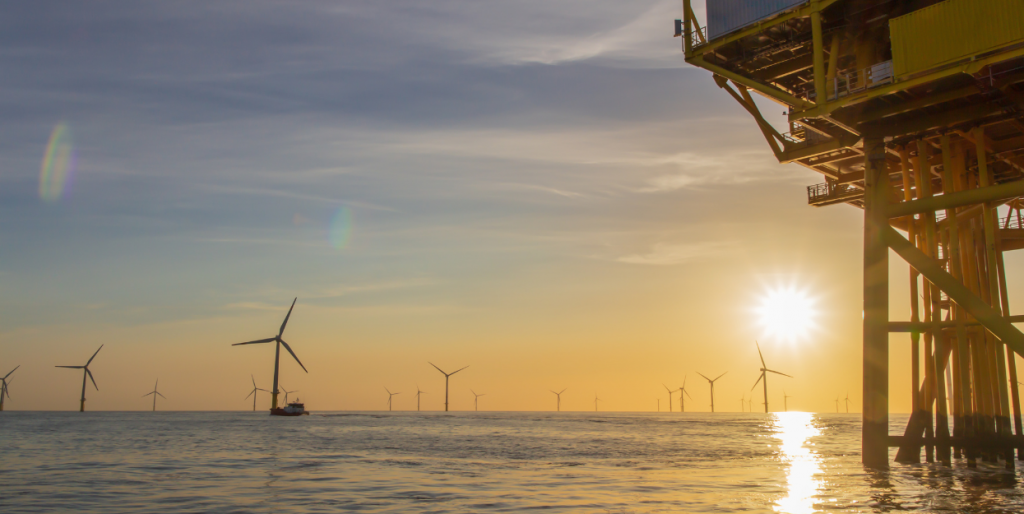
The Sea Survival module is an integral part of our new GWO accredited offshore wind farm training course.  

This course will prepare you to respond safely to life-threatening emergencies whilst working offshore. Including safe evacuation, casualty recovery, and the use of PPE. 


GWO Sea Survival Course Aims 

We work in partnership with Checkmate Safety Training to ensure that this course delivers an efficient combination of theoretical and practical training; to provide delegates with the fundamental skills they need to stay safe working with offshore wind farms. This includes learning preventative measures to stop accidents from occurring, and to ensure successful delegates can take fast and correct action in the event of a problem arising. 

 Preparing to work safely in an offshore wind energy environment means that you can protect yourself and your colleagues both onshore, aboard a transfer vessel, and when working with the wind turbine generators (WTGs). 

GWO Sea Survival Training Course Structure 

This course is designed to take place in two four-hour sessions and comprises ten sectionsSome of these will be theoretical five-minute discussions, and others will be longer and more in-depth, with two longer practical sessions to test your skills. Delegates will be in small groups of 12 per trainer for theoretical learning and four per trainer for practical work, to ensure each trainee gets the attention they need to become confident in these new skills. 
What Is GWO Sea Survival Training

An Introduction to the Maritime Skills Academy 

The course will begin with delegates being introduced to the training facility, its safety procedures, the trainers, and the other delegates. The aims and objectives of the course will be made clear as well as the plans for both ongoing and final evaluation. 

GWO Sea Survival Legislation 

This portion of the course will include a short discussion, covering both global and national safety legislation, emphasising the importance of understanding the regulations in place where you are working. 

Exposure, Cold Shock, Hypothermia and Drowning module 

The next section is theory-based, outlining the risks, signs, treatment of exposure, cold shock, hypothermia, and drowning. Identifying these symptoms is essential for peer and self-identification when responding to offshore emergencies. This way, signs can be treated accordingly, and casualties can be handled with care post-identification.

 Lifesaving Appliances and Personal Protective Equipment for Offshore Windfarm workers 

 The correct and confident usage of safety equipment is paramount in high-risk industries such as offshore and windfarm. With our GWO Sea Survival Course, delegates will receive thorough teaching and in-person demonstrations on the usage and donning of protective clothing and equipment. This will include personal protective equipment (PPE) and collective protective equipment such as lifesaving appliances (LSAs). 

SAR and GMDSS 

A discussion about search and rescue (SAR) protocols, and the global maritime distress signal system (GMDSS) to ensure delegates are aware of what to do in the event they are needed to help rescue a colleague, or they require rescuing themselves. 

Practical GWO Sea Survival 

The first practical session, where delegates are required to put the skills they have learned so far into practice, will include donning and using protective equipment, carrying out rescue procedures and using the correct distress signals. 

Safe Transfer to and from Wind Turbine Generators 

This section revolves around safety aboard the vessel used to transfer Wind Turbine Generator (WTG) workers to and from the offshore wind turbine farm. The safe handling of equipment and hazards relating to different types of transfers will be discussed. 

Installations, Vessels and WTGs 

This theory-based discussion will ensure delegates have all the information they need to remain safe onboard vessels, during the installation and maintenance of WTGs and are confident in executing contingency plans should issues arise. 

GWO Transfer Practical Training 

The second practical session will see delegates practising skills learned in the previous sections of the course. They will need to show they are comfortable transferring from dock to vessel and then to WTG, as well as safe handling of onboard equipment and safety procedures. During this session, delegates will demonstrate their ability to climb and descend during an emergency, as well as recovering casualties. 

 GWO Sea Survival Final Assessment 

Delegates are given the opportunity to reflect on what they’ve learned, as well as give a written and oral assessment of the training course. 

The final exam will include questions on all the modules covered in the course. 

Check our course dates now to find the perfect time for you to learn all you need to know about Sea Survival working with offshore wind energy. 


We now have even more course capabilities, in partnership with Checkmate Safety Training. Including GWO Fire Awareness and First Aid courses.  

Check out our new GWO page here to find out more! 
Why is Marine Pilot Ladder Transfer Training important?

Pilot ladder transfers, although safer than ever before, are the most perilous aspect of a pilot’s voyage.  An International Maritime Pilots Association investigation (which spanned from the 16th to the 30th of May 2025) found that over 14% of the 5,200 participants reported substandard transfer arrangements.

Enforcing safety standards that ensure crew are prepared for pilot ladder transfers and for navigating pilot ladders in different conditions or scenarios, is as vital as ever.

What is a pilot ladder transfer?

Maritime pilotage is a service that guides larger vessels into a town’s port. Pilots are familiar with the port in question, and pilot boats are smaller vessels that can manoeuvre easily. Often required during bad weather or poor visibility, the role of a pilot can be high-risk.

Pilotage can, on occasion, require crew to board the larger vessel they are assigned to. This involves using either a gangway, a combination ladder, an accommodation ladder, or a pilot ladder. The most dangerous of these is a pilot ladder. 

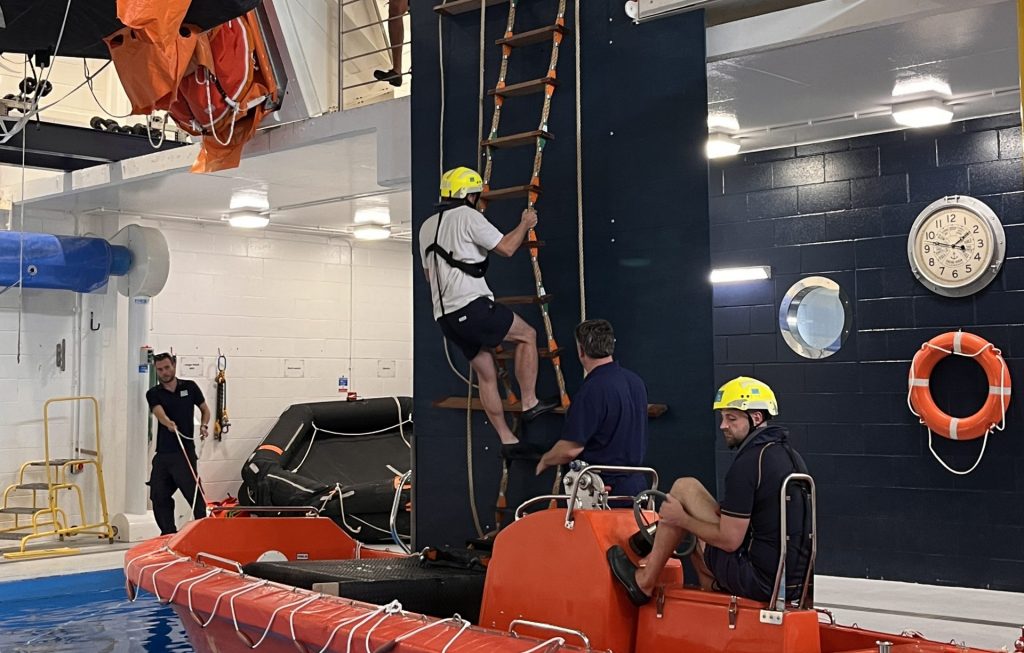
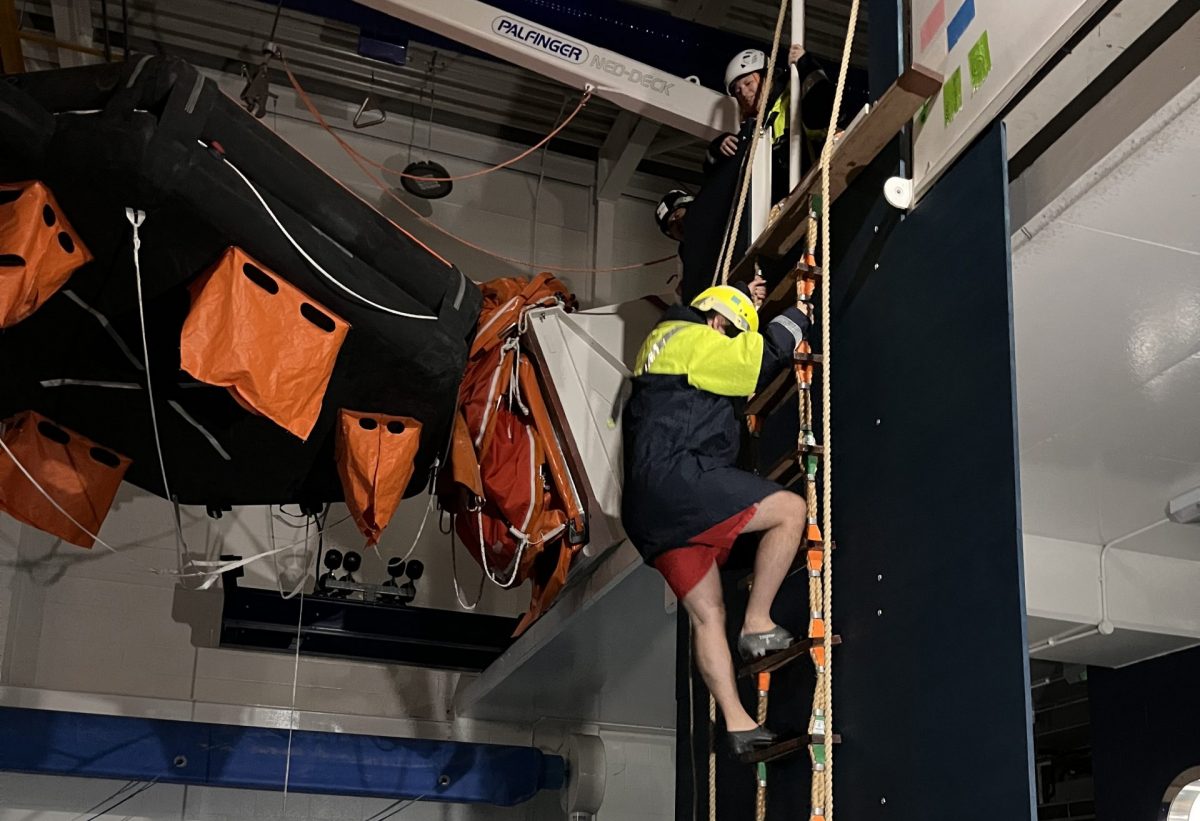
Marine pilot climbing ladder during practical marine pilot ladder transfer training

A pilot ladder consists of two strong ropes that hang from the deck or bulwark of a ship, slatted with hardwood spreaders (steps that prevent a ladder from twisting). Marine pilots are required to pull their pilot boats alongside the larger vessel and climb onto the ship whilst both are in motion.

What are the dangers crew face during pilot ladder transfers?

The greatest risk to crew members during a pilot ladder transfer is falling. Whether that be into the sea or back onto the deck of their pilot boat–Both of which can be fatal.

With marine pilots often being called out in poor weather, falling into the sea can risk them getting lost, swept under, or knocked out. Whether a fall is a result of violent seas or faulty, broken ladders, it is important to be trained in controlled falls and rescuing fallen casualties.

Another risk of pilot ladder transfers is crew getting stuck between the two vessels they are transferring to and from. It can be difficult for pilots to navigate steadily beside a larger vessel especially when both vessels are moving. This risk is in almost all cases fatal and is a hard circumstance to train crew for. At the Maritime Skills Academy, we teach crew how to safely abort a pilot ladder transfer, so once a hazard is assessed, evacuation or rectification is as safe as possible.

How can pilot ladder transfer training reduce the risks?

Training pilots to safely transfer between vessels, using standard methods and procedures, means crew are prepared to respond to hazardous situations. Although we cannot reduce the dangers marine pilots face, we can train them to respond safely and evacuate when necessary.

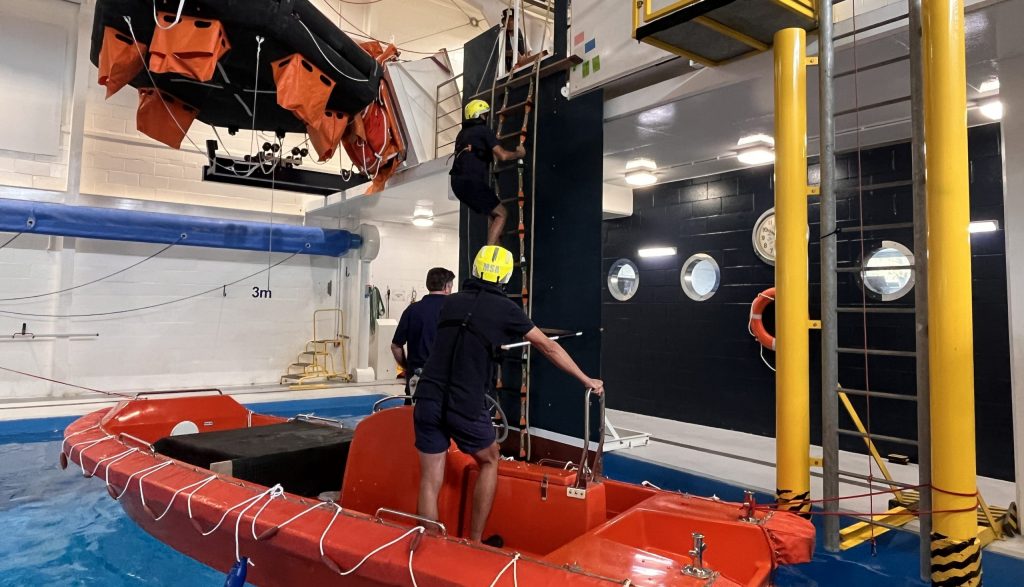
Marine pilot climbing ladder during practical marine pilot ladder transfer training

Our course prepares crew to identify and rectify damaged pilot ladders. This means pilots can take responsibility for their own safety if the vessel they are boarding has failed to do so.

We also train crew to assess pilotage risks. If a venture is too high-risk, a pilot may decide against a pilot ladder transfer. But without proper training, risk assessments may be unsatisfactory, and crew could be at risk of injury or casualty.

UKMPA endorsed pilot ladder transfer training

Our UKMPA-endorsed pilot ladder transfer safety training course focuses on proper rigging, inspection, and maintenance of pilot ladders, as well as risk management during transfer operations. Using both classroom and practical learning to teach pilots about real-world scenarios and showing them how to respond firsthand.

  • Overview of SOLAS, IMO, and international regulations for pilot ladder safety.
  • Emergency response techniques (MOB) for incidents during transfers.
  • Practical transfers over water – 3m ladder climb.
  • 9m vertical climb.
  • Survival techniques.

Find out more about our Marine Pilot Ladder Transfer Safety Training here, or contact us to arrange a booking.

Damage Control Training: Practical Drills & Onboard Exercises That Work

In order for damage control training to have a valuable and lasting effect on crew, a mixture of classroom teaching and practical exercises is required.

In the heat of the moment, with high-pressure water streams pouring in every direction, logic and composure can be compromised.

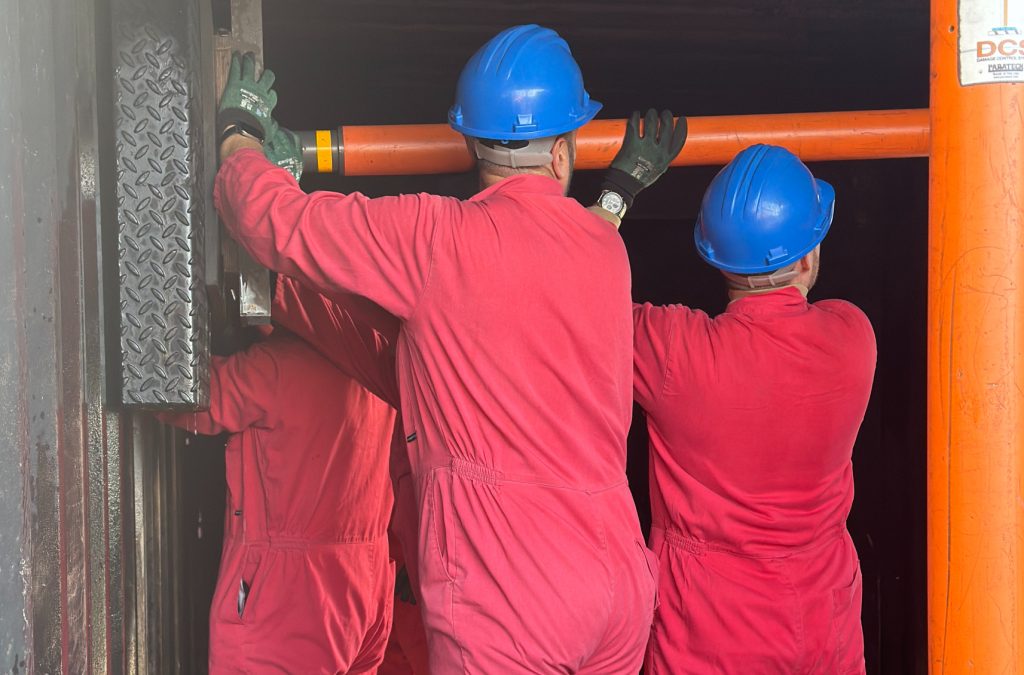
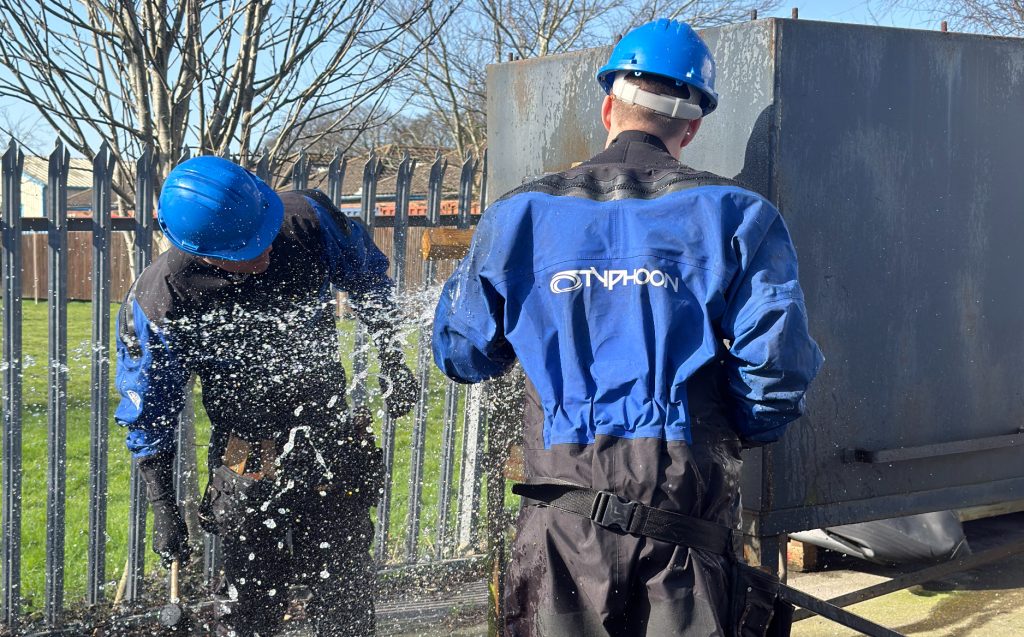
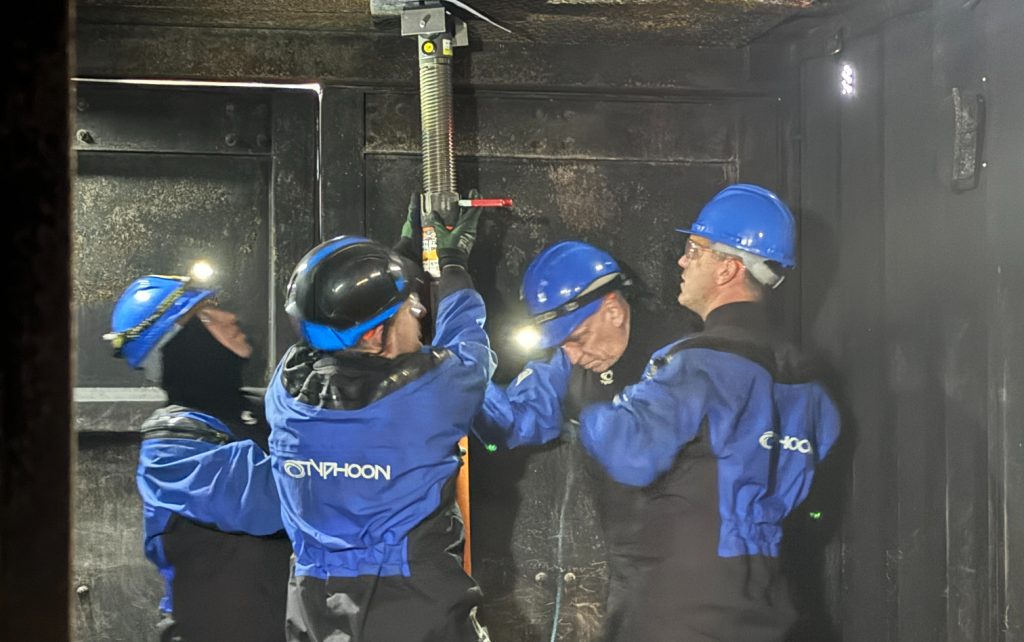
Damage control delegates holding up paratech in simulation container

That’s why, at the Maritime Skills Academy, we host our training in four stages: classroom learning, dry practice, external practice, and a final exercise with a fully simulated hull breach and burst pipes.

Damage control training drills and exercises

Flooding Response and Scenarios

Using our damage control simulation container, we can replicate onboard emergencies that require crew to practice closing watertight doors, isolating compartments,  and performing counterflooding and ballast adjustments.

With progressive flooding, crew will be able to manage prioritisation, evaluating which area is the greatest contributor and which will become submerged first.

Shoring and Patching Drills

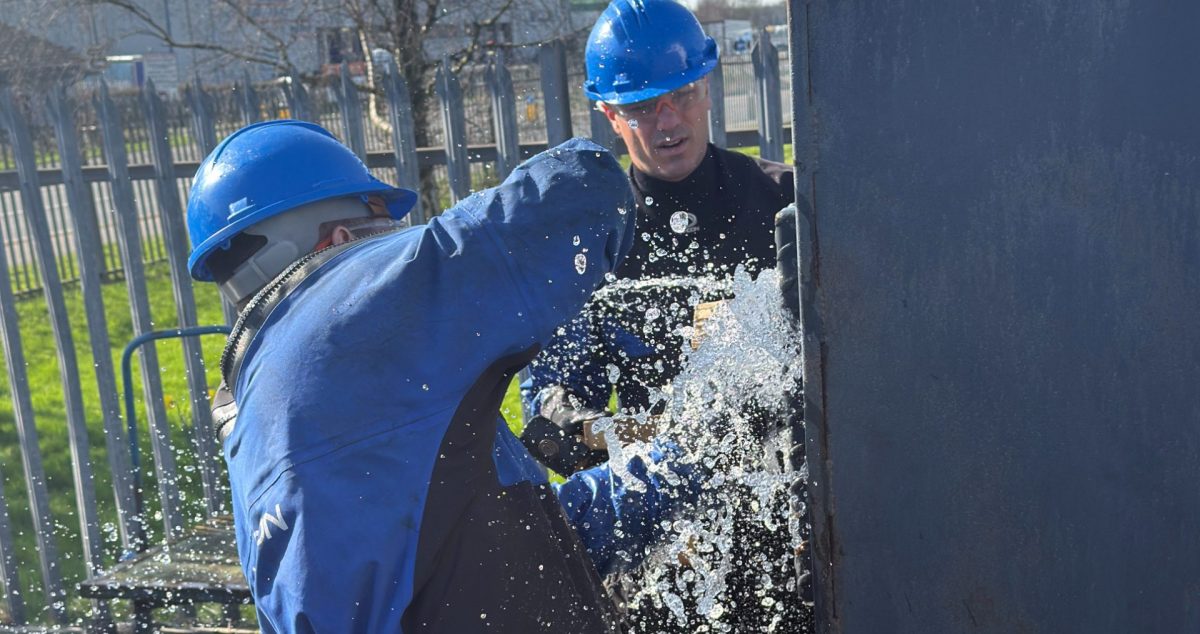
At the Maritime Skills Academy, we simulate realistic water flows to train crew in the use of shores, timber, box patches and collision mats, all whilst operating under growing pressure. Putting crew in a simulated environment allows a deeper understanding of equipment capabilities and limitations.

Damage control delegates practicing leak management. Using a simulation box

Creating scenarios like this not only prepares teams for the worst but also improves cross-department cooperation and teamwork.

Communication and Command Drills

Damage control training puts a team’s communication skills to the test. Operating under loud, stressful and uncomfortable conditions can disrupt clear, effective communication and put the vessel at risk of further damage.

This is why a clear hierarchy and action plan are a necessity in emergency situations like this. If team members are all aware of their roles and who they answer to, there is no need to delegate in response to an emergency.

Four damage control delegates fitting paratech in a container during their final exercise

Similarly, using equipment to communicate across departments and to shore is essential for managing a damaged ship. Shore-based professionals will need to be aware of the ship’s condition to prepare emergency services for rescues and clear space for the vessel if an emergency stop is required.

Abandon Ship and Casualty Triage Rehearsals

If the damage is beyond management, crew will be required to organise an abandon ship scenario. At the Maritime Skills Academy, we train delegates on safe handover practices that reduce confusion and casualties.

Damage Control Training at the Maritime Skills Academy

We believe in training crew to manage damage control scenarios, using industry-standard equipment and technology that will be accessible when on board. Simulating multiple real-world scenarios that will prepare crew to work as a team to manage flooding and further damage.

Investing in regular damage control training is essential for vessels carrying valuable cargo, whether it be goods or passengers, and can save lives.

To find out more about our facilities’ damage control capabilities, find the full course details here, or to book contact our team today.