GWO BST Sea Survival Course Overview 

The Sea Survival module is an integral part of our new GWO accredited offshore wind farm training course.  

This course will prepare you to respond safely to life-threatening emergencies whilst working offshore. Including safe evacuation, casualty recovery, and the use of PPE. 


GWO Sea Survival Course Aims 

We work in partnership with Checkmate Safety Training to ensure that this course delivers an efficient combination of theoretical and practical training; to provide delegates with the fundamental skills they need to stay safe working with offshore wind farms. This includes learning preventative measures to stop accidents from occurring, and to ensure successful delegates can take fast and correct action in the event of a problem arising. 

 Preparing to work safely in an offshore wind energy environment means that you can protect yourself and your colleagues both onshore, aboard a transfer vessel, and when working with the wind turbine generators (WTGs). 

GWO Sea Survival Training Course Structure 

This course is designed to take place in two four-hour sessions and comprises ten sectionsSome of these will be theoretical five-minute discussions, and others will be longer and more in-depth, with two longer practical sessions to test your skills. Delegates will be in small groups of 12 per trainer for theoretical learning and four per trainer for practical work, to ensure each trainee gets the attention they need to become confident in these new skills. 

What Is GWO Sea Survival Training

An Introduction to the Maritime Skills Academy 

The course will begin with delegates being introduced to the training facility, its safety procedures, the trainers, and the other delegates. The aims and objectives of the course will be made clear as well as the plans for both ongoing and final evaluation. 

GWO Sea Survival Legislation 

This portion of the course will include a short discussion, covering both global and national safety legislation, emphasising the importance of understanding the regulations in place where you are working. 

Exposure, Cold Shock, Hypothermia and Drowning module 

The next section is theory-based, outlining the risks, signs, treatment of exposure, cold shock, hypothermia, and drowning. Identifying these symptoms is essential for peer and self-identification when responding to offshore emergencies. This way, signs can be treated accordingly, and casualties can be handled with care post-identification.

 Lifesaving Appliances and Personal Protective Equipment for Offshore Windfarm workers 

 The correct and confident usage of safety equipment is paramount in high-risk industries such as offshore and windfarm. With our GWO Sea Survival Course, delegates will receive thorough teaching and in-person demonstrations on the usage and donning of protective clothing and equipment. This will include personal protective equipment (PPE) and collective protective equipment such as lifesaving appliances (LSAs). 

SAR and GMDSS 

A discussion about search and rescue (SAR) protocols, and the global maritime distress signal system (GMDSS) to ensure delegates are aware of what to do in the event they are needed to help rescue a colleague, or they require rescuing themselves. 

Practical GWO Sea Survival 

The first practical session, where delegates are required to put the skills they have learned so far into practice, will include donning and using protective equipment, carrying out rescue procedures and using the correct distress signals. 

Safe Transfer to and from Wind Turbine Generators 

This section revolves around safety aboard the vessel used to transfer Wind Turbine Generator (WTG) workers to and from the offshore wind turbine farm. The safe handling of equipment and hazards relating to different types of transfers will be discussed. 

Installations, Vessels and WTGs 

This theory-based discussion will ensure delegates have all the information they need to remain safe onboard vessels, during the installation and maintenance of WTGs and are confident in executing contingency plans should issues arise. 

GWO Transfer Practical Training 

The second practical session will see delegates practising skills learned in the previous sections of the course. They will need to show they are comfortable transferring from dock to vessel and then to WTG, as well as safe handling of onboard equipment and safety procedures. During this session, delegates will demonstrate their ability to climb and descend during an emergency, as well as recovering casualties. 

 GWO Sea Survival Final Assessment 

Delegates are given the opportunity to reflect on what they’ve learned, as well as give a written and oral assessment of the training course. 

The final exam will include questions on all the modules covered in the course. 

Check our course dates now to find the perfect time for you to learn all you need to know about Sea Survival working with offshore wind energy. 


We now have even more course capabilities, in partnership with Checkmate Safety Training. Including GWO Fire Awareness and First Aid courses.  

Check out our new GWO page here to find out more! 

GWO Sea Survival Training in Partnership with Guardian Training 

The wind energy sector faces an increasing demand for GWO Sea Survival-certified technicians, driven by the global shift toward a cleaner, greener future. It is estimated that a staggering 574,000 wind technicians will be required worldwide by 2027.  

However, this course isn’t just aimed at those in the offshore industry.  

GWO Sea Survival training also benefits those who spend significant time working at sea, such as seafarers, fishermen, oil rig workers, etc., as this course will prepare you to work safely offshore and what to do in the event of an emergency.  

Like those in the offshore sector, maritime professionals face constant challenges from the unpredictable sea conditions. This is why GWO Sea Survival Training provides essential emergency response skills, equipping seafarers to deal with man-overboard situations, capsizing, and vessel evacuations. It is an indispensable part of a safety-first approach.  

The full GWO certification (called GWO Basic Safety Training) includes five elements: 

  1. Sea Survival Training 
  1. Fire Awareness Training 
  1. Manual Handling Training 
  1. First Aid Training 
  1. Working at Height Training 
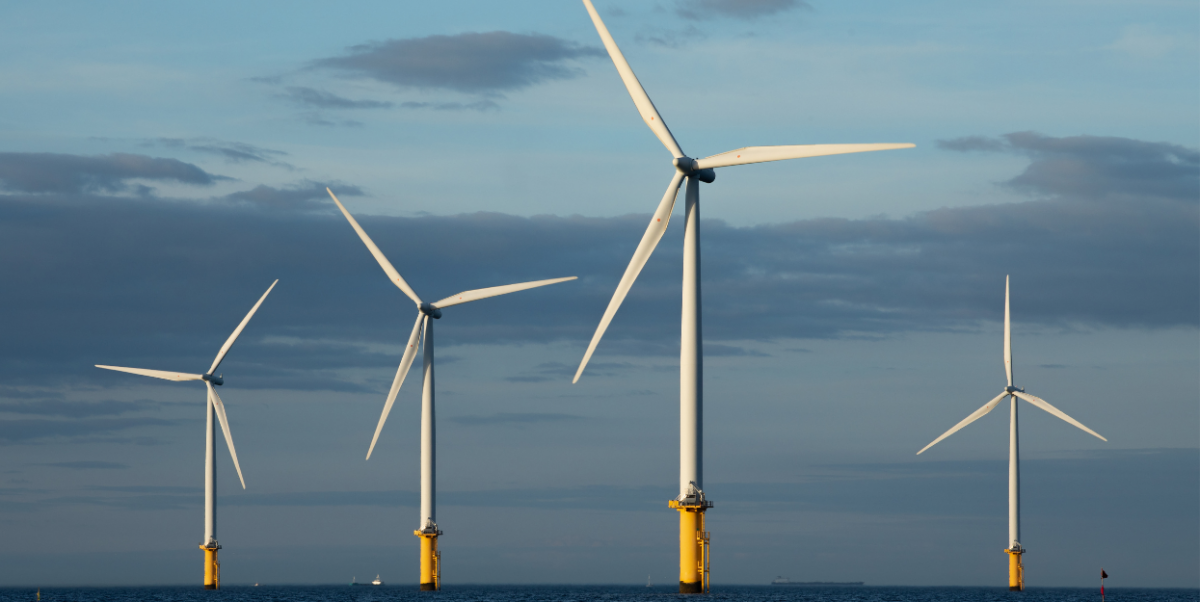
Wind Turbines in a field alongside other wind turbines which are in the sea | GWO Sea Survival Training course

What does GWO Sea Survival Training Include? 

By completing the Sea Survival module, participants will gain hands-on experience in safe transfers between vessels and offshore structures, rescue procedures, and the effective use of personal protective equipment (PPE) and life-saving appliances (LSAs), allowing them to apply their knowledge in realistic scenarios. 

Course topics include:

  • Understanding offshore risks
  • Familiarity with sea survival equipment
  • Overview of safety regulations
  • Man overboard techniques
  • Cold water survival skills

Benefits of GWO Sea Survival Training 

Enhanced Safety Awareness 

The training emphasises proactive measures to reduce the likelihood of accidents, instilling a safety-first mindset among delegates. This is critical in environments where a single error can have catastrophic consequences. 

Practical Skill Development 

Delegates will develop essential life-saving skills through interactive theoretical learning and practical hands-on exercises.  

Global Recognition 

GWO certification is recognised by employers globally. Therefore, it is an invaluable asset for professionals seeking to enhance their employability in the wind energy and maritime sectors. 

GWO Sea Survival Training Course | Maritime Skills Academy Dover

Supporting Renewable Energy Goals 

As offshore wind farms play an increasing role in renewable energy production, GWO training supports the industry’s growth by ensuring a qualified and safety-conscious workforce. 

How often do I have to update my GWO Training? 

GWO Survival qualifications must be refreshed and updated every two years, unlike STCW certifications, which are reviewed every five years.  

Once completed, your certification will be added to a GWO database, ‘WINDA’, which allows employers to verify your certification. 

This course is mandatory for those working offshore in the wind and renewables industry, including engineers, technicians, project managers, etc.  

Why Employers Value GWO Training 

Employers in the offshore and maritime industries prioritise GWO-certified professionals for their competence in handling high-risk situations. By hiring Trained personnel, companies reduce downtime caused by accidents, improve operational efficiency, and ensure compliance with international safety standards.  

GWO Sea Survival Training in Kent 

The Maritime Skills Academy offers GWO Sea Survival Training (in partnership with Guardian Training) as an intensive one-day course from our training centre in Dover, Kent. We simulate realistic environments for sea survival exercises with our state-of-the-art Marine Survival Pool and a wind-farm turbine ladder.  

In this controlled environment, you will learn the following:  

  • Cold water swimming and how to avoid hyperthermia 
  • Dealing with the behaviour of the sea (waves, currents, and tides)
  • Man overboard techniques
  • National and international legislation
  • Sea survival equipment (life jackets, lifeboats, flares etc.)
  • Transferring people and equipment to and from offshore structures safely
  • Risks faced by offshore workers

To find out more and to make an enquiry, please contact:  

Tel: +44 (0) 1795 580 333  

Which Maritime Course Should I Take?

If you’re a prospective seafarer or looking to refresh your STCW, and you find yourself asking “Which Maritime Course Should I Take?” then you may be overwhelmed by the number of courses available when pursuing a maritime education. There are a variety of maritime courses offered, each with their own emphasis and focus.

There is no easy answer when it comes to finding the best maritime course. Every individual has different goals and preferences when it comes to your education and career. That said, we can offer advice about the different courses on offer at the Maritime Skills Academy and the opportunities they unlock.

Let’s dive in!

Basic Safety Training (BST)

Of all the courses we offer, our Basic Safety Training (BST) course opens the most doors by far.

The BST course covers all five modules that make up the Basic Standards of Training, Certification and Watchkeeping (STCW) certification, including:

  • Fire Prevention & Fire Fighting
  • Personal Survival Techniques
  • Elementary First Aid
  • Personal Safety & Social Responsibilities
  • Security Awareness

Holding the Basic STCW certification is a legal requirement for any mariner that works aboard a commercial vessel longer than 24 meters, including ferries, tankers, cruise ships, and more. In addition, the Basic STCW certification is a prerequisite for many more advanced courses that will help you advance your career at sea.

What Jobs Require Basic Safety Training (BST)?

The BST course allows students to pursue jobs aboard commercial vessels longer than 24 meters. More advanced courses may be required for specialised positions, but the course is a fantastic first step for anyone pursuing a career at sea.

STCW Refresher (updating courses as per Manila amendments)

Here are the refreshers that require updating every 5 years

  • UPST (0.5 days theory and practical)
  • UFP&FF (1 day practical)
  • UAFF (1 day theory)
  • UPSCRB (0.5 or 1 day Theory and practical)
  • UFRB (0.5 day or 1 day theory and practical)
  • UPMC (medical care 3 days practical)

These are mandatory for all people that work at sea to retake the courses every 5 years. These are shorter than the full course you would have taken the first time round. You also have the option to self declare onboard training so you can take shortened updating course.

Which Maritime Course Should You Take Maritime Skills Academy

GWO Basic Safety Training (BST)

GWO Basic Safety Training (BST) is an internationally recognised health and safety certification for people working in the wind energy industry. The program covers five key safety topics, including:

  1. Fire awareness
  2. First aid
  3. Manual handling
  4. Sea survival
  5. Working at heights

MSA has partnered with Guardian to offer all modules of the GWO BST programme. At MSA Dover, we offer the GWO Sea Survival course, covering the topics:

  • Risks related to transfers
  • Transfer from vessel to dock and vessel to foundation
  • Emergency and safety procedures on installations, vessels, and WTG
  • Evacuation from WTG to the water by means of rescue device
  • Individual and collective survival techniques at sea

The one-day intensive course combines both theory and practical elements to ensure that students are prepared for any eventuality while working offshore.

What Jobs Require GWO Basic Safety Training (BST)?

The GWO BST is required for all workers in the offshore renewables industry, including:

  • Technicians
  • Engineers
  • Project Managers
  • Management Staff

Currently, the UK offshore renewables industry employs 31,000 workers, with that number expected to rise to 97,000 by 2030. In short, the GWO BST course positions you to take advantage of a growing industry with great job prospects.

MCA Approved Engine Course 1 (AEC1)

The MCA Approved Engine Course 1 (AEC1) is a must for anyone looking to pursue a career as a marine engineer or ship operator aboard a commercial vessel under 24 meters in length.

Not only is the course recognised (and often required) by private captains and charter companies, but it is also a required step toward obtaining the Engineer Officer Certificate of Competency from the MCA.

The AEC1 course covers a variety of topics, including:

  • Compression ignition engines
  • Two- and four-stroke operation cycles
  • Fuel systems
  • Cooling systems
  • Electrical systems
  • Lubrication technologies
  • Power transmission units

Over the five-day course, students will receive both classroom instruction and hands-on experience with engines, allowing them to put their new knowledge to the test.

What Jobs Require MCA Approved Engine Course 1 (AEC1)?

Although the MCA Approved Engine Course 1 (AEC1) isn’t legally required for work aboard commercial vessels under 24 meters in length, it is typically required (or preferred) by private captains and charter companies.

In addition, the AEC1 course is a necessary step toward obtaining the Engineer Officer Certificate of Competency from the MCA. Obtaining the Engineer Officer Certificate of Competency along with the Basic STCW certification allows holders to serve as chief or first assistant engineer on Merchant Navy vessels of any size.

Which Maritime Course Should I Take Maritime Skills Academy

ECDIS Training (NACOS Platinum)

According to the Manilla Amendment of the STCW Convention, all deck officers of UK-flagged vessels must be certified in the use of Electronic Chart Display and Information Systems (ECDIS). In short, if you want to pursue a career as a deck officer in the UK Merchant Navy, ECDIS training is a must.

The NACOS Platinum course offered at the Maritime Skills Academy is compliant with both the STCW Convention and the latest IMO model course 1.27. The five-day course covers the use ECDIS under a range of voyage conditions, including:

  • Pilotages
  • Coastal transits
  • Ocean passages
  • Anchorages
  • Harbours and channels
  • Dredged areas

What Jobs Require ECDI Training (NACOS Platinum)?

The NACOS Platinum course is a requirement for all deck officers of UK-flagged vessels. In addition, the course is increasingly being requested by shipowners and operators around the world.

Upon successful completion of the NACOS Platinum course, students will receive a certificate of proficiency that is valid for five years.

Launch Your Maritime Career at the Maritime Skills Academy

Unfortunately, there is no single answer to the question, “Which maritime course is best?”

The best maritime course for you will depend on your career goals and the type of vessel you hope to work on.

At the Maritime Skills Academy, we offer a wide range of approved courses that will help you launch your maritime career. To learn more about our courses or to find out which one is right for you, feel free to browse our course catalogue or contact us to discuss your requirements.