The Sea Survival module is an integral part of our new GWO accredited offshore wind farm training course.
This course will prepare you to respond safely to life-threatening emergencies whilst working offshore. Including safe evacuation, casualty recovery, and the use of PPE.
GWO Sea Survival Course Aims
We work in partnership with Checkmate Safety Training to ensure that this course delivers an efficient combination of theoretical and practical training; to provide delegates with the fundamental skills they need to stay safe working with offshore wind farms. This includes learning preventative measures to stop accidents from occurring, and to ensure successful delegates can take fast and correct action in the event of a problem arising.
Preparing to work safely in an offshore wind energy environment means that you can protect yourself and your colleagues both onshore, aboard a transfer vessel, and when working with the wind turbine generators (WTGs).
GWO Sea Survival Training Course Structure
This course is designed to take place in two four-hour sessions and comprises ten sections. Some of these will be theoretical five-minute discussions, and others will be longer and more in-depth, with two longer practical sessions to test your skills. Delegates will be in small groups of 12 per trainer for theoretical learning and four per trainer for practical work, to ensure each trainee gets the attention they need to become confident in these new skills.
An Introduction to the Maritime Skills Academy
The course will begin with delegates being introduced to the training facility, its safety procedures, the trainers, and the other delegates. The aims and objectives of the course will be made clear as well as the plans for both ongoing and final evaluation.
GWO Sea Survival Legislation
This portion of the course will include a short discussion, covering both global and national safety legislation, emphasising the importance of understanding the regulations in place where you are working.
Exposure, Cold Shock, Hypothermia and Drowning module
The next section is theory-based, outlining the risks, signs, treatment of exposure, cold shock, hypothermia, and drowning. Identifying these symptoms is essential for peer and self-identification when responding to offshore emergencies. This way, signs can be treated accordingly, and casualties can be handled with care post-identification.
Lifesaving Appliances and Personal Protective Equipment for Offshore Windfarm workers
The correct and confident usage of safety equipment is paramount in high-risk industries such as offshore and windfarm. With our GWO Sea Survival Course, delegates will receive thorough teaching and in-person demonstrations on the usage and donning of protective clothing and equipment. This will include personal protective equipment (PPE) and collective protective equipment such as lifesaving appliances (LSAs).
SAR and GMDSS
A discussion about search and rescue (SAR) protocols, and the global maritime distress signal system (GMDSS) to ensure delegates are aware of what to do in the event they are needed to help rescue a colleague, or they require rescuing themselves.
Practical GWO Sea Survival
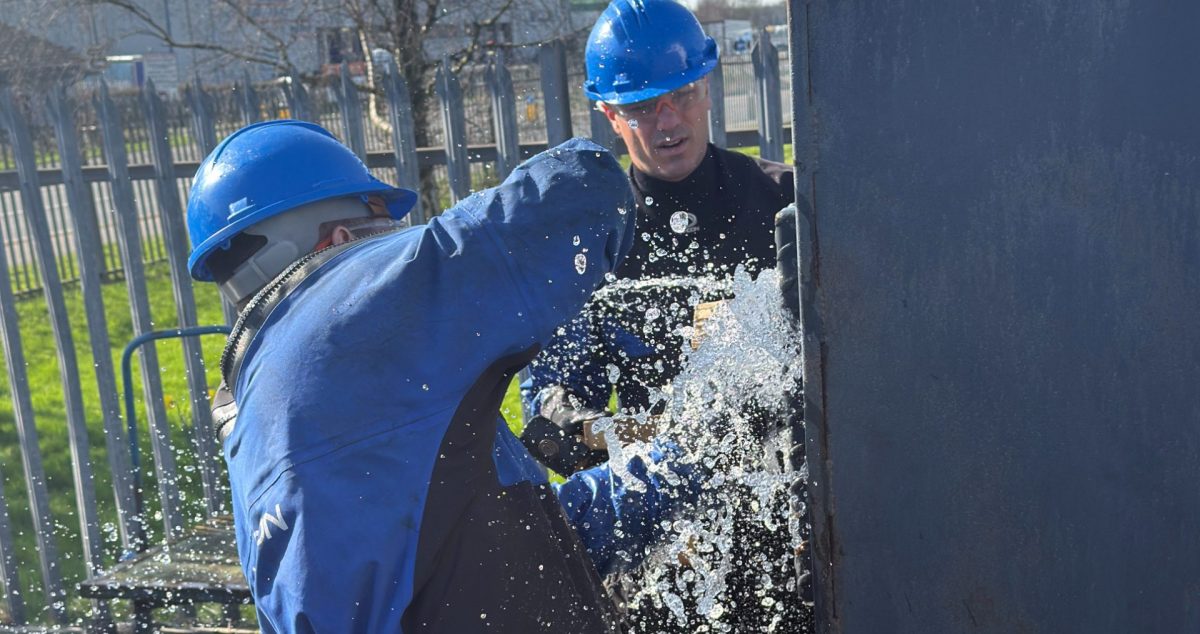
The first practical session, where delegates are required to put the skills they have learned so far into practice, will include donning and using protective equipment, carrying out rescue procedures and using the correct distress signals.
Safe Transfer to and from Wind Turbine Generators
This section revolves around safety aboard the vessel used to transfer Wind Turbine Generator (WTG) workers to and from the offshore wind turbine farm. The safe handling of equipment and hazards relating to different types of transfers will be discussed.
Installations, Vessels and WTGs
This theory-based discussion will ensure delegates have all the information they need to remain safe onboard vessels, during the installation and maintenance of WTGs and are confident in executing contingency plans should issues arise.
GWO Transfer Practical Training
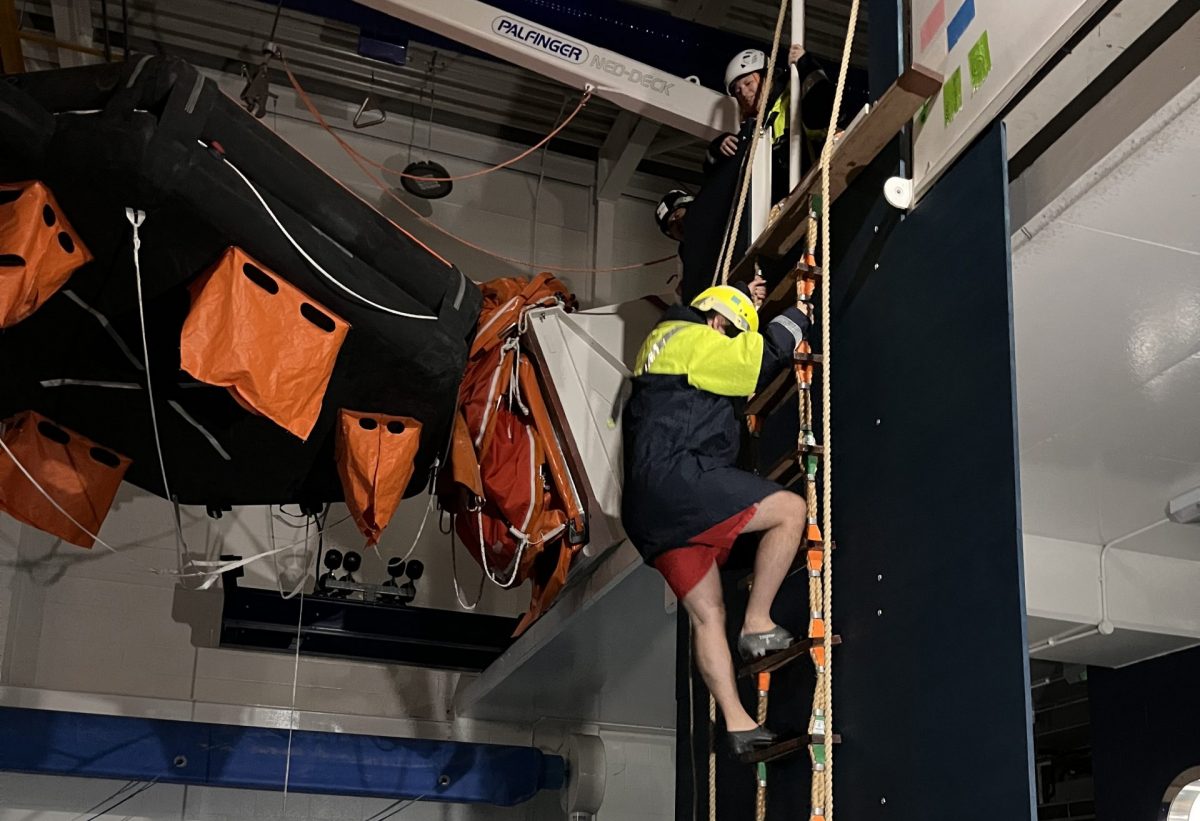
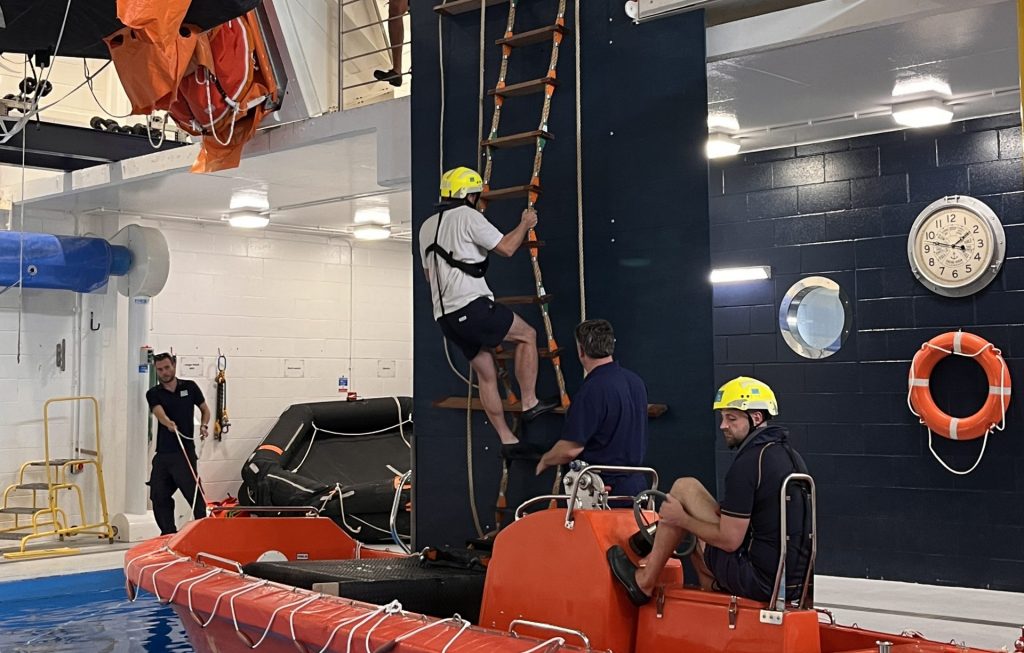
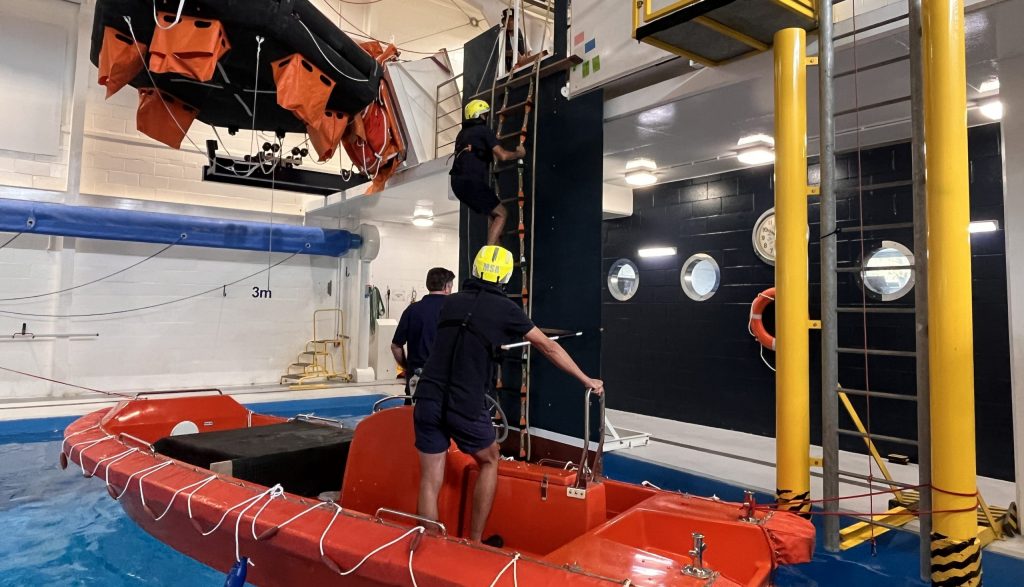
The second practical session will see delegates practising skills learned in the previous sections of the course. They will need to show they are comfortable transferring from dock to vessel and then to WTG, as well as safe handling of onboard equipment and safety procedures. During this session, delegates will demonstrate their ability to climb and descend during an emergency, as well as recovering casualties.
GWO Sea Survival Final Assessment
Delegates are given the opportunity to reflect on what they’ve learned, as well as give a written and oral assessment of the training course.
The final exam will include questions on all the modules covered in the course.
Check our course dates now to find the perfect time for you to learn all you need to know about Sea Survival working with offshore wind energy.
We now have even more course capabilities, in partnership with Checkmate Safety Training. Including GWO Fire Awareness and First Aid courses.
Check out our new GWO page here to find out more!