Why is Marine Pilot Ladder Transfer Training important?

Pilot ladder transfers, although safer than ever before, are the most perilous aspect of a pilot’s voyage.  An International Maritime Pilots Association investigation (which spanned from the 16th to the 30th of May 2025) found that over 14% of the 5,200 participants reported substandard transfer arrangements.

Enforcing safety standards that ensure crew are prepared for pilot ladder transfers and for navigating pilot ladders in different conditions or scenarios, is as vital as ever.

What is a pilot ladder transfer?

Maritime pilotage is a service that guides larger vessels into a town’s port. Pilots are familiar with the port in question, and pilot boats are smaller vessels that can manoeuvre easily. Often required during bad weather or poor visibility, the role of a pilot can be high-risk.

Pilotage can, on occasion, require crew to board the larger vessel they are assigned to. This involves using either a gangway, a combination ladder, an accommodation ladder, or a pilot ladder. The most dangerous of these is a pilot ladder. 

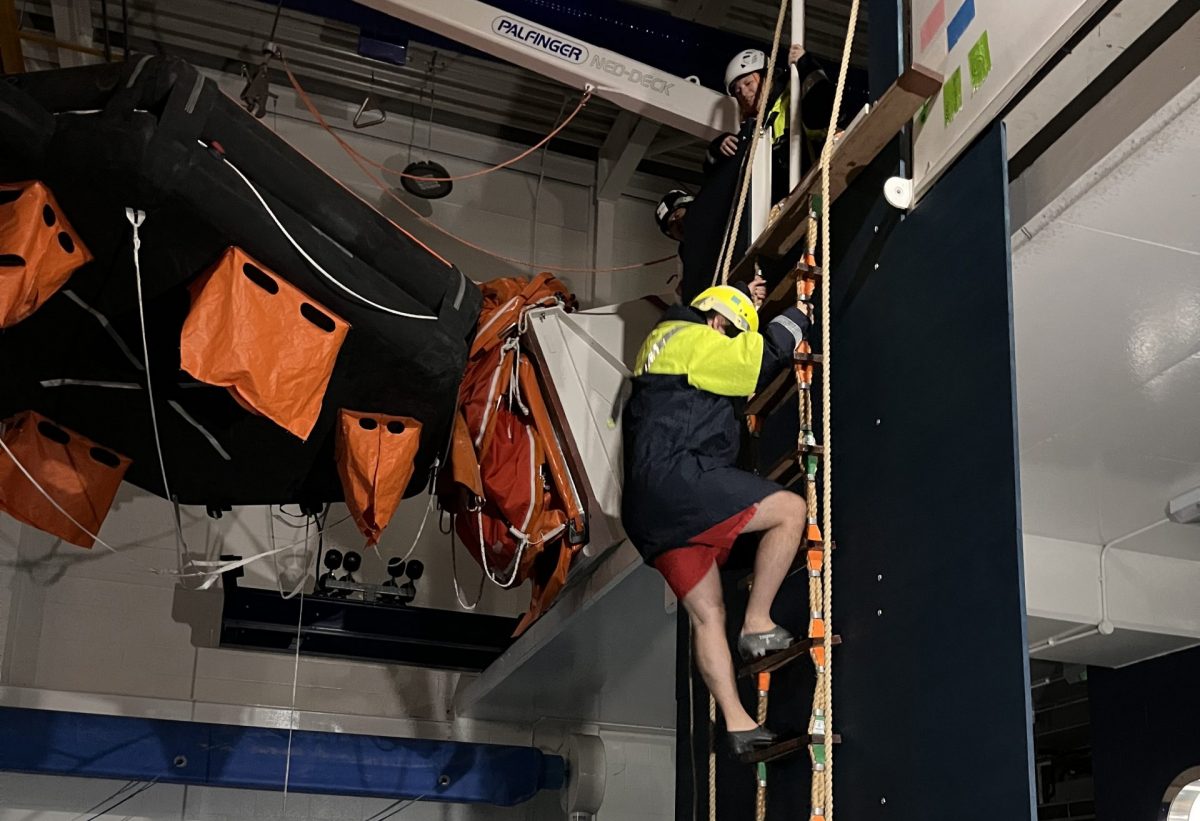
Marine pilot climbing ladder during practical marine pilot ladder transfer training

A pilot ladder consists of two strong ropes that hang from the deck or bulwark of a ship, slatted with hardwood spreaders (steps that prevent a ladder from twisting). Marine pilots are required to pull their pilot boats alongside the larger vessel and climb onto the ship whilst both are in motion.

What are the dangers crew face during pilot ladder transfers?

The greatest risk to crew members during a pilot ladder transfer is falling. Whether that be into the sea or back onto the deck of their pilot boat–Both of which can be fatal.

With marine pilots often being called out in poor weather, falling into the sea can risk them getting lost, swept under, or knocked out. Whether a fall is a result of violent seas or faulty, broken ladders, it is important to be trained in controlled falls and rescuing fallen casualties.

Another risk of pilot ladder transfers is crew getting stuck between the two vessels they are transferring to and from. It can be difficult for pilots to navigate steadily beside a larger vessel especially when both vessels are moving. This risk is in almost all cases fatal and is a hard circumstance to train crew for. At the Maritime Skills Academy, we teach crew how to safely abort a pilot ladder transfer, so once a hazard is assessed, evacuation or rectification is as safe as possible.

How can pilot ladder transfer training reduce the risks?

Training pilots to safely transfer between vessels, using standard methods and procedures, means crew are prepared to respond to hazardous situations. Although we cannot reduce the dangers marine pilots face, we can train them to respond safely and evacuate when necessary.

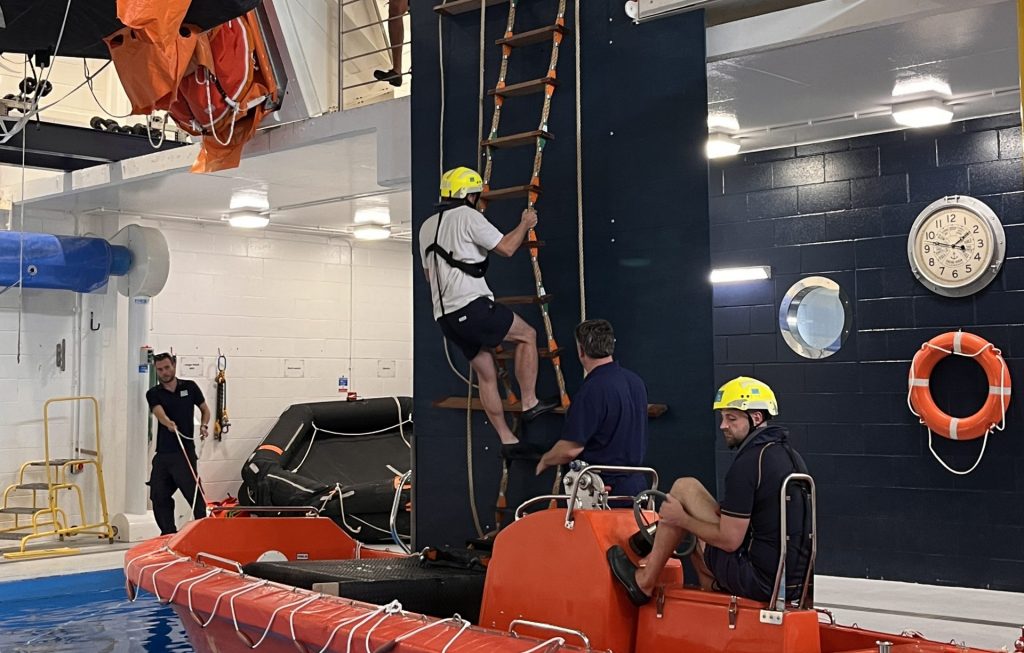
Marine pilot climbing ladder during practical marine pilot ladder transfer training

Our course prepares crew to identify and rectify damaged pilot ladders. This means pilots can take responsibility for their own safety if the vessel they are boarding has failed to do so.

We also train crew to assess pilotage risks. If a venture is too high-risk, a pilot may decide against a pilot ladder transfer. But without proper training, risk assessments may be unsatisfactory, and crew could be at risk of injury or casualty.

UKMPA endorsed pilot ladder transfer training

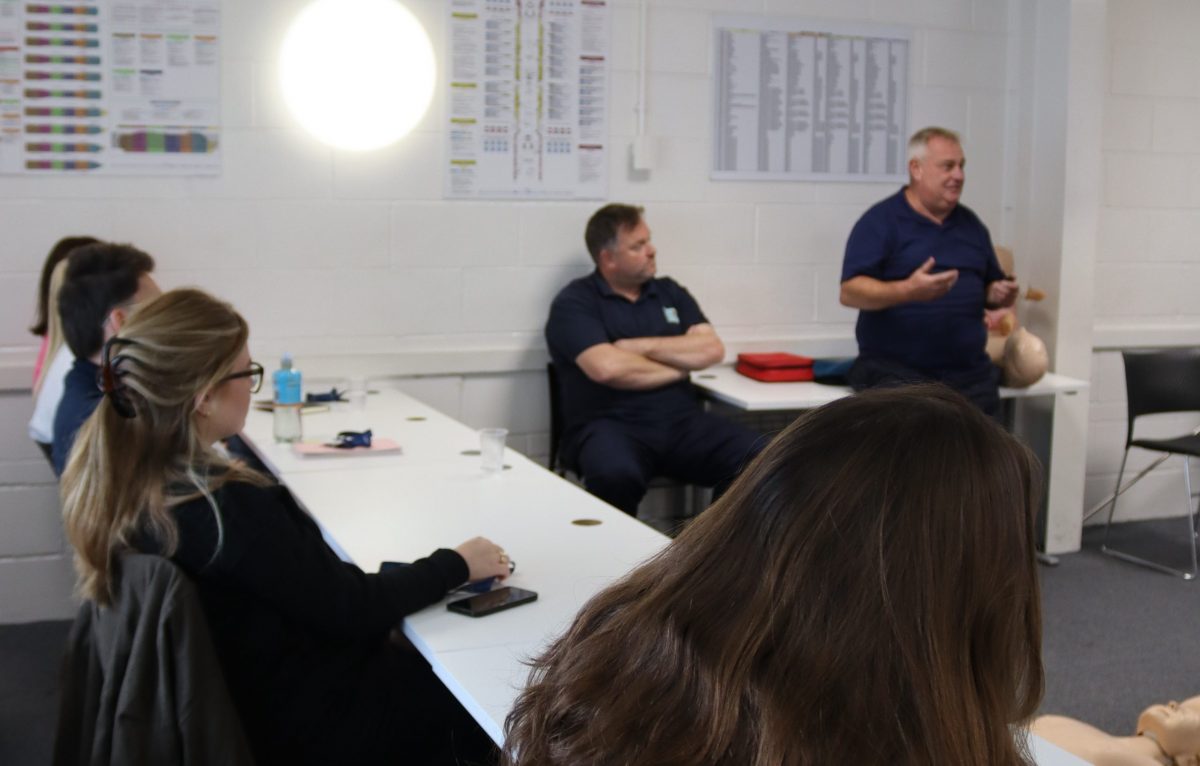
Our UKMPA-endorsed pilot ladder transfer safety training course focuses on proper rigging, inspection, and maintenance of pilot ladders, as well as risk management during transfer operations. Using both classroom and practical learning to teach pilots about real-world scenarios and showing them how to respond firsthand.

  • Overview of SOLAS, IMO, and international regulations for pilot ladder safety.
  • Emergency response techniques (MOB) for incidents during transfers.
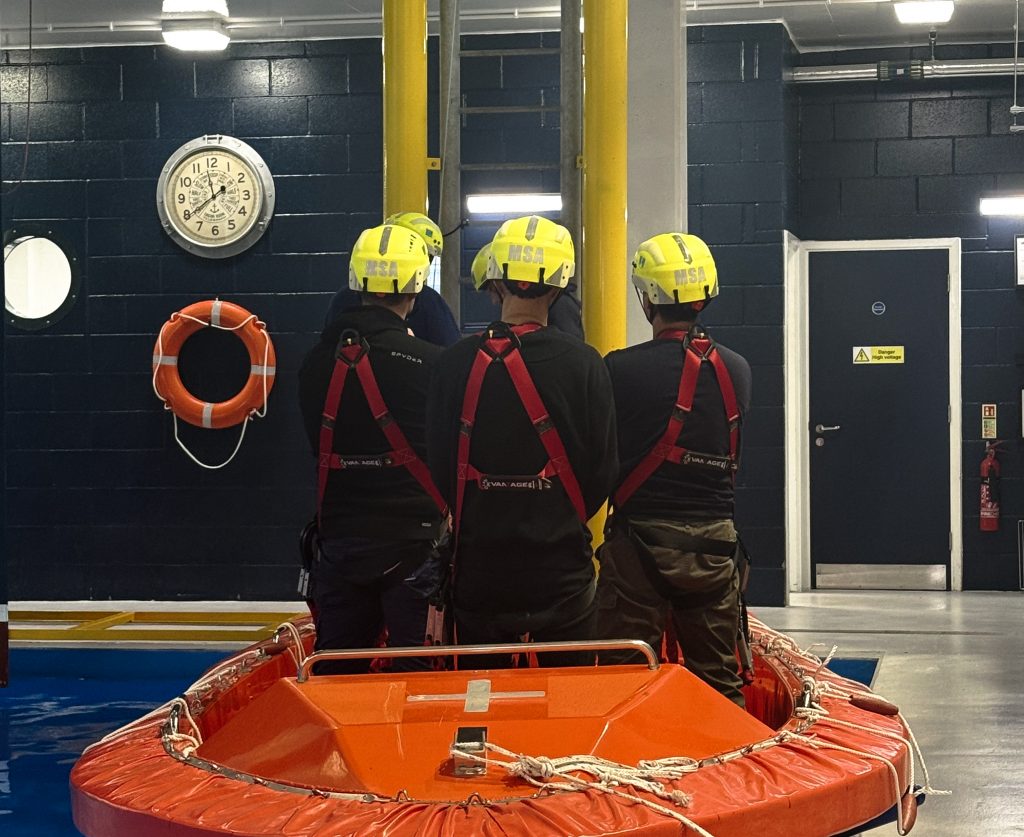
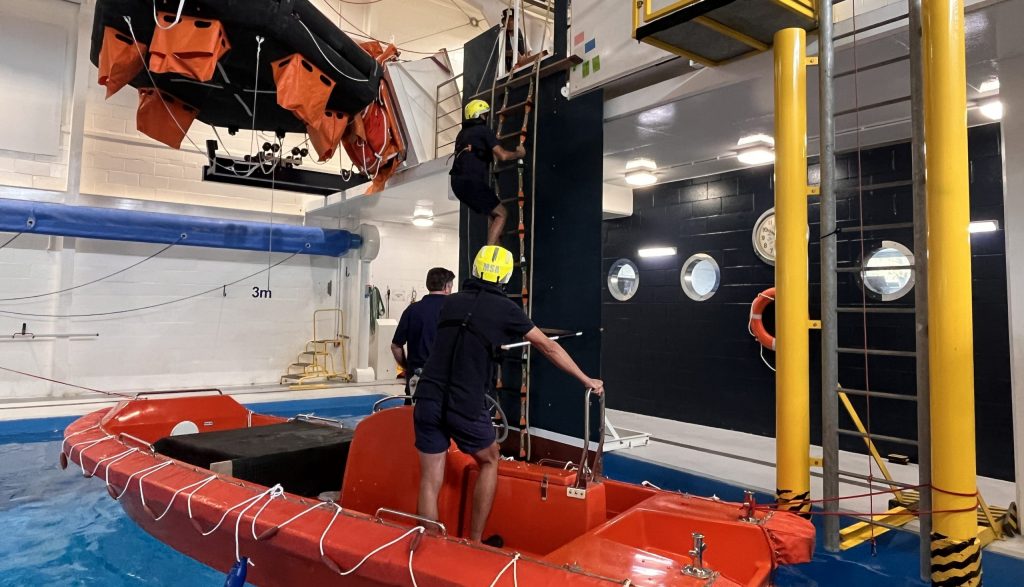
  • Practical transfers over water – 3m ladder climb.
  • 9m vertical climb.
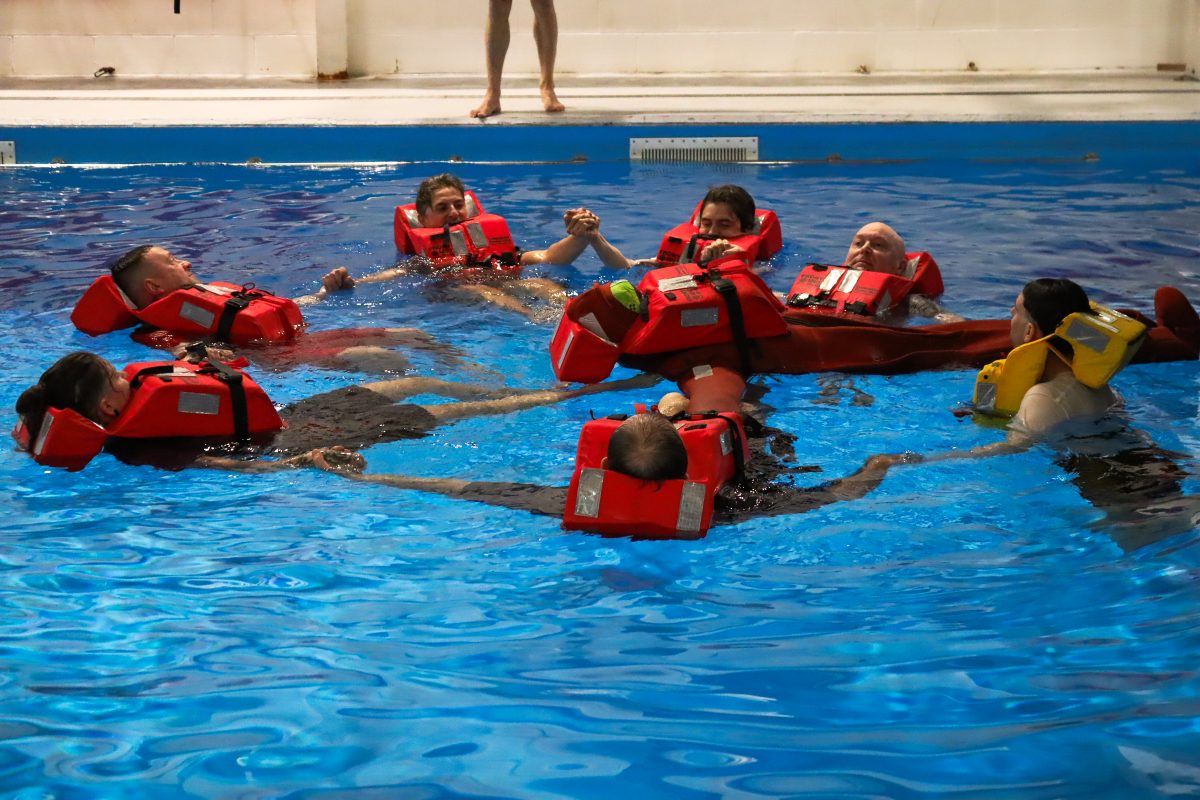
  • Survival techniques.

Find out more about our Marine Pilot Ladder Transfer Safety Training here, or contact us to arrange a booking.

Do I Need Confined Space Training?

Is confined space training a legal requirement?

In accordance with the Confined Spaces Regulations of 1997, confined space training is mandatory for those who may need to enter or supervise a confined space. This training is the responsibility of employers and ensures risks are monitored and casualties are minimised.

The Health and Safety at Work Act of 1974 highlights employers’ responsibility to ensure the health, safety, and welfare of employees and anyone present on their business premises. This act is vast and can be applied in every aspect of a business’s operations, including confined space entry.

Delegates extracting a casualty during confined space training

At the Maritime Skills Academy, we have introduced a new series of confined space training courses, to ensure your team is well-trained, your duty as an employer is fulfilled, and incidents in the workplace are prevented.

Low, Medium, and High Risk Confined Spaces

Confined spaces are categorised by their level of risk and require more in-depth training the higher the entry risk. Here is how to identify a confined space risk as low, medium or high:

CharacteristicsHazardsTraining
Low-RiskLow-risk confined spaces are well-ventilated with non-toxic air. Usually well-lit and easy to navigate with minimal obstacles.Although hazards in a low-risk confined space are minimal, entry and exit can be dangerous, especially if a team lack the appropriate training. Using confined space equipment and emergency procedures can be hazardous without training.Basic entry and exit. Equipment usage and emergency procedures must be taught in order for staff to legally enter a confined space.
Medium-RiskMedium-risk confined spaces can have hazardous atmospheres. This may require breathing apparatus or PPE. There is also an increased risk of poor visibility and physical hazards.Medium-risk environments have a higher risk of poor visibility and difficult navigation in return. This can increase the likelihood of casualties, meaning staff will need higher levels of training.Risk assessment prior to entry is essential in medium-risk spaces. Staff must also be trained in BA set and PPE operation, communication between teams and navigation in poor visibility.
High-RiskHigh-risk environments are guaranteed to have life-threatening air quality, making BA sets essential for safe entry. There is also an increased risk of engulfment and entrapment, and the need for casualty recovery and evacuation.  High-risk confined spaces are guaranteed to have poor visibility, dangerous air conditions and physical obstacles. Staff entering such conditions will require in depth training.Given the nature of the environment, staff will need training in safety equipment, crisis management, communication, emergency evacuation and casualty recovery.

What is classed as a confined space?

In order for an area to be deemed an enclosed space, there must be either full or partial enclosure, making entry and access limited. An enclosed space will have one or more of the following hazards:

  • Free-flowing solids
  • Increased temperature
  • Increase in liquids
  • Fire or explosion
  • Toxic gases or lack of oxygen
Delegates exiting confined space using winch during confined space training

Common confined spaces include sewers, pipes, tunnels, confined boilers, trenches, and vaults. If you are unsure if your environment includes a confined space, get in touch with our team to discuss your training needs.

How long does a confined space training certificate last?

Confined space training generally needs renewing every three years. This ensures a company’s protocols are up to date, and staff are using the most efficient technologies to operate. However, more frequent training can reduce risks further and reduce the chance of staff letting standards and protocols slip.

Confined space training Kent

All new confined space training at the Maritime Skills Academy in Dover, Kent, covers all the essential teachings for those who may need to enter confined spaces. By utilising our state-of-the-art facilities, which include a simulated enclosed space entry way, your team will receive training that is as close to real-life experience as possible. Get in touch today to find out how our training could help you.

Damage Control Training: Practical Drills & Onboard Exercises That Work

In order for damage control training to have a valuable and lasting effect on crew, a mixture of classroom teaching and practical exercises is required.

In the heat of the moment, with high-pressure water streams pouring in every direction, logic and composure can be compromised.

Damage control delegates holding up paratech in simulation container

That’s why, at the Maritime Skills Academy, we host our training in four stages: classroom learning, dry practice, external practice, and a final exercise with a fully simulated hull breach and burst pipes.

Damage control training drills and exercises

Flooding Response and Scenarios

Using our damage control simulation container, we can replicate onboard emergencies that require crew to practice closing watertight doors, isolating compartments,  and performing counterflooding and ballast adjustments.

With progressive flooding, crew will be able to manage prioritisation, evaluating which area is the greatest contributor and which will become submerged first.

Shoring and Patching Drills

At the Maritime Skills Academy, we simulate realistic water flows to train crew in the use of shores, timber, box patches and collision mats, all whilst operating under growing pressure. Putting crew in a simulated environment allows a deeper understanding of equipment capabilities and limitations.

Damage control delegates practicing leak management. Using a simulation box

Creating scenarios like this not only prepares teams for the worst but also improves cross-department cooperation and teamwork.

Communication and Command Drills

Damage control training puts a team’s communication skills to the test. Operating under loud, stressful and uncomfortable conditions can disrupt clear, effective communication and put the vessel at risk of further damage.

This is why a clear hierarchy and action plan are a necessity in emergency situations like this. If team members are all aware of their roles and who they answer to, there is no need to delegate in response to an emergency.

Four damage control delegates fitting paratech in a container during their final exercise

Similarly, using equipment to communicate across departments and to shore is essential for managing a damaged ship. Shore-based professionals will need to be aware of the ship’s condition to prepare emergency services for rescues and clear space for the vessel if an emergency stop is required.

Abandon Ship and Casualty Triage Rehearsals

If the damage is beyond management, crew will be required to organise an abandon ship scenario. At the Maritime Skills Academy, we train delegates on safe handover practices that reduce confusion and casualties.

Damage Control Training at the Maritime Skills Academy

We believe in training crew to manage damage control scenarios, using industry-standard equipment and technology that will be accessible when on board. Simulating multiple real-world scenarios that will prepare crew to work as a team to manage flooding and further damage.

Investing in regular damage control training is essential for vessels carrying valuable cargo, whether it be goods or passengers, and can save lives.

To find out more about our facilities’ damage control capabilities, find the full course details here, or to book contact our team today.