An important update to STCW PSSR

In a recent announcement, the MCA introduced a free online training module designed to help all seafarers and companies meet the updated PSSR requirements.

This course must be completed by 31st March 2027 if you took a PSSR course before 1st January 2026.

The STCW PSSR course amendments require seafarers to demonstrate knowledge of:

  • Prevention of violence and harassment
  • Identification and reporting of such behaviours 
  • Understanding impacts on safety, health and wellbeing 
  • Appropriate response and support, including trauma‑informed principles

The Importance of Personal Safety and Social Responsibility On Board

STCW Personal Safety & Social Responsibilities (PSSR) is an essential qualification for anyone looking to work on board. Not only is it a legal requirement, but it also prepares crew for onboard situations and equips them with the knowledge they need to display appropriate conduct.

PSSR helps new and existing crew to manage onboard wellbeing for themselves and their peers; it covers best practice in ocean protection and prepares crew for onboard emergencies and alarms.

Introduction of new modules to PSSR

The latest updates to the course have been introduced to improve wellbeing and the onboard work environment. Bullying and harassment of all kinds can occur in any workplace, and friction can develop between anyone. Unlike other workplaces, a career onboard can mean a blurred line, or lack of differentiation between work life and social life.
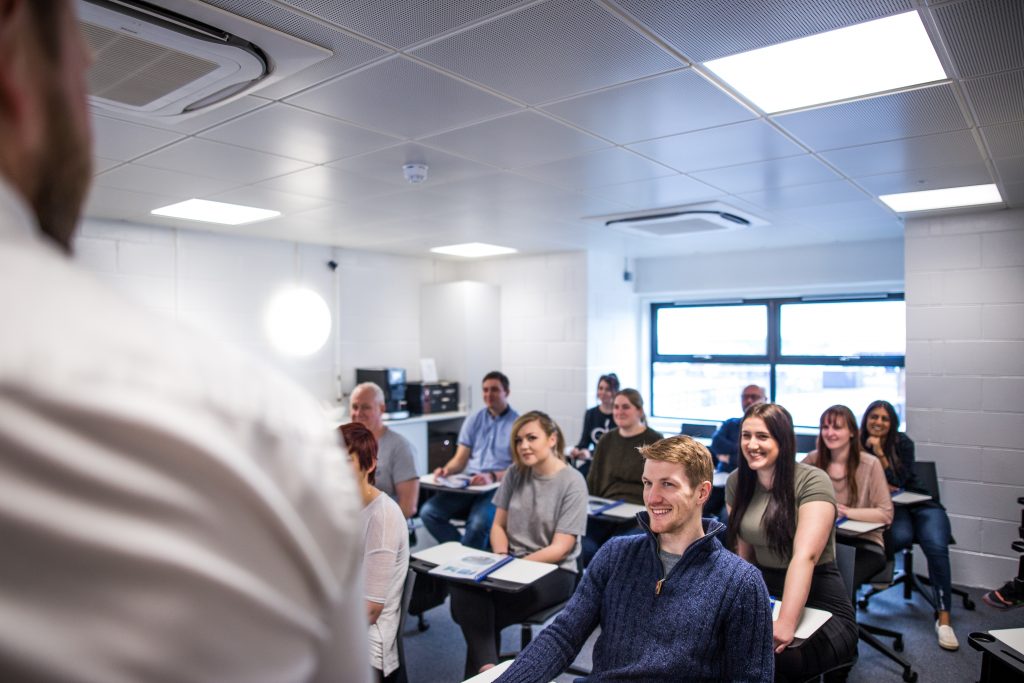
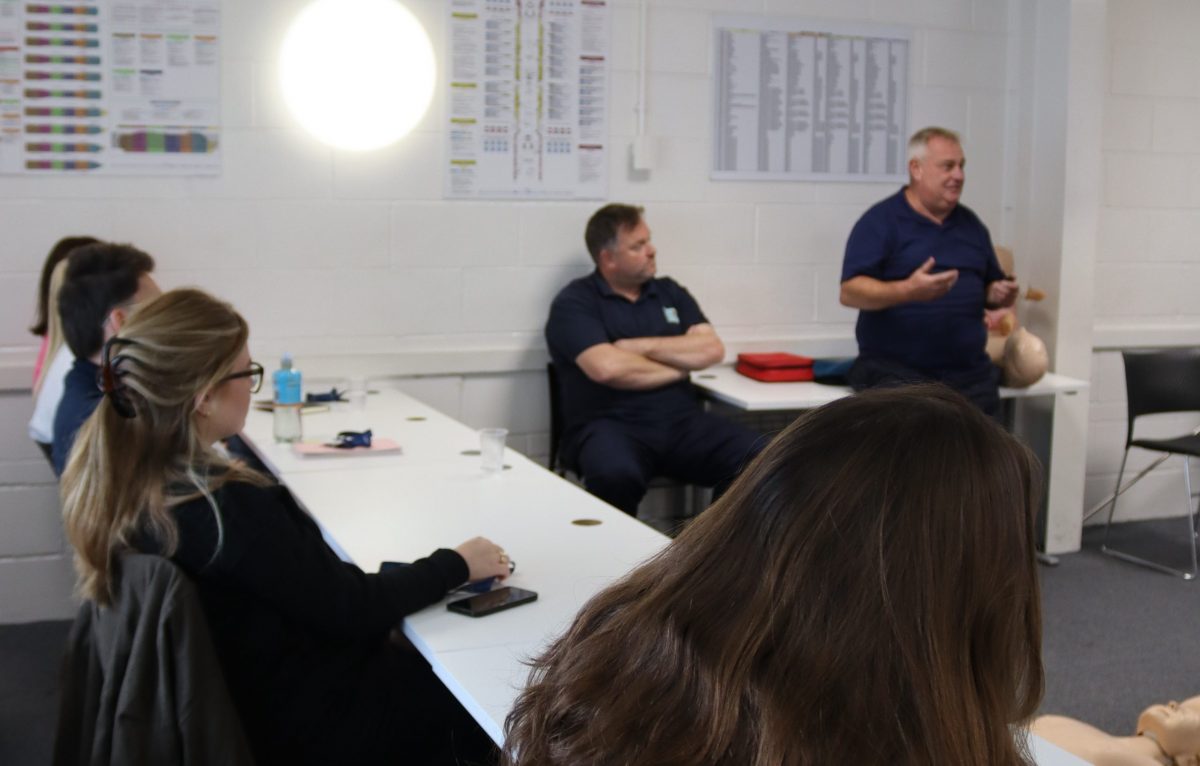
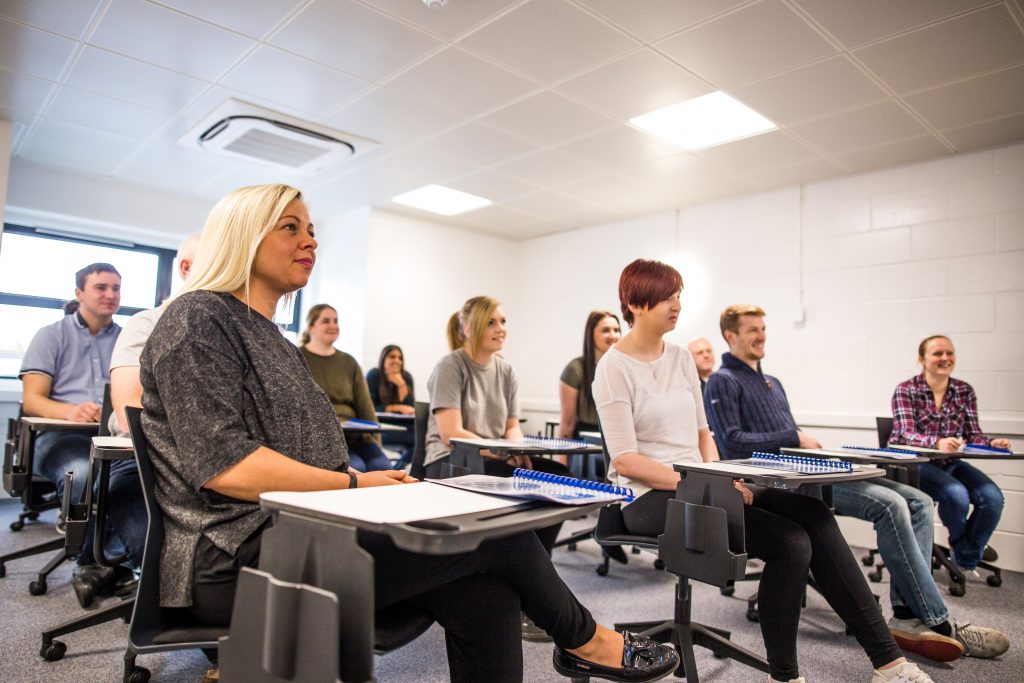
PSSR delegates in classroom

The nature of the role means that the impacts of harassment and bullying are heightened, and the importance of appropriate training is even more essential for those who work at sea.

Prevention of violence and harassment

The key to maintaining a pleasant onboard atmosphere starts with preventing violence and harassment.

A crew that does not fear uncomfortable interactions is more likely to operate smoothly, and individuals will be in a better space mentally, ultimately improving the quality of life and work on board.

Identification and reporting of such behaviours

If prevention is not an option and negative onboard interactions are occurring, all seafarers must be trained to identify these specific behaviours.

Appropriate training will ensure bullying and harassment are identified and reported to seniors as quickly as possible. This will mean conflict resolution can begin and the onboard atmosphere can return to functionality.

Understanding impacts on safety, health and wellbeing

In some circumstances, bullying and harassment could be well-hidden or disguised. By understanding the impacts of harassment on safety and health and wellbeing, crew can better identify if it is occurring.

Recognising a fellow crew member whose behaviour has changed, like withdrawing, avoiding team activities, or behaving erratically, can be a clear indication of an issue.

Crew can then proceed to report their suspicions, and the conflict can be investigated.

Crew members should also be prepared to respond to the fallout of an onboard conflict, because it can affect the entire team and the atmosphere of onboard spaces.

Appropriate response and support, including trauma-informed principles

An appropriate response to bullying and harassment is crucial, especially when a crew member is approached by a peer who is willing to open up about their experiences.

A victim of bullying and harassment is more likely to confide in someone they are familiar with than a senior or manager, which is why it is so important for all seafarers to be trained in how to respond to trauma.

PSSR Training Update

Following the recent updates, it is now essential for anyone who completed their PSSR training prior to the 1st of January 2026 to update their qualification before the 31st March 2027.

To help seafarers update their qualification in an accessible way, the MCA has released a free module that can be completed online.  

Alternatively, at the Maritime Skills Academy, we are increasing our PSSR course dates to accommodate seafarers who need to update their training, which you can book by contacting our team.

The MCA has announced new requirements for PSSR: Here’s how the changes will affect you 

New changes to the STCW PSSR (Personal Safety and Social Responsibility) course have been introduced in 2026, to include more training and awareness on sexual harassment and assault. 

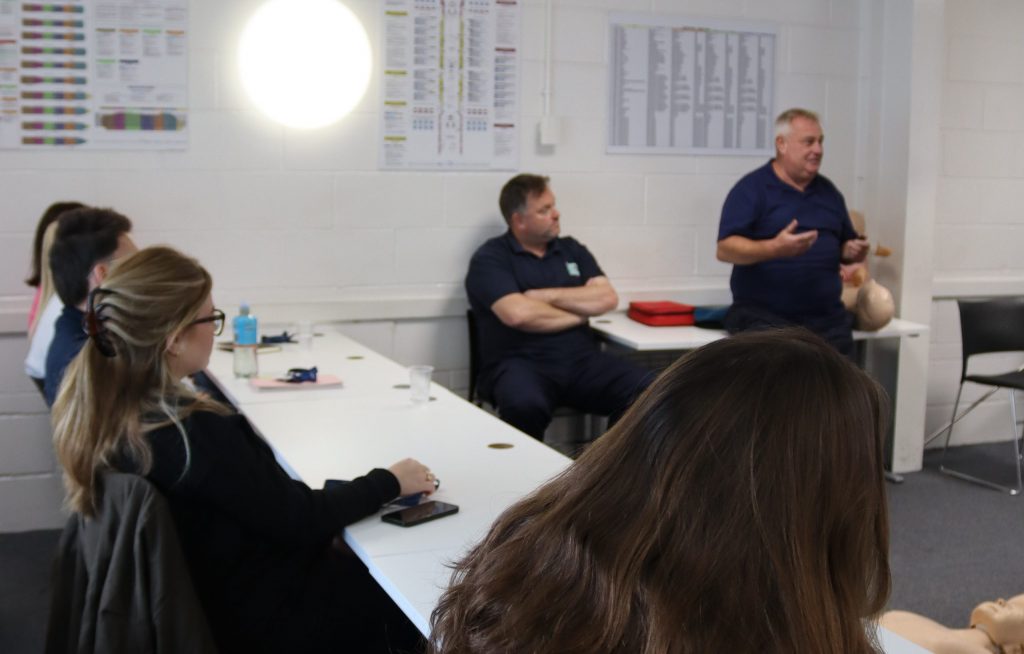
PSSR students in classroom, learning about latest updates

New modules will be added to the course structure to ensure all crew members are educated in the prevention of violence and harassment, including bullying. Although not mandatory, it would be beneficial for all crew to be trained in the updated course structure to ensure conduct on board is to the highest standard. 

What will the changes to PSSR mean for passengers?  

The intention of introducing further learning to PSSR, to educate crew on violence and harassment, is to improve the social experience on board a vessel, for crew and passengers alike. Crew will be better equipped to handle onboard conflicts, manage relationships and behave appropriately. Promoting respectful, dignified conduct will result in a better passenger experience and improve the reputation of industry workers. 

What will the changes to PSSR mean for crew?  

For crew members updating their training, there will be little change to the course they took previously, apart from the duration being slightly longer to accommodate the new topics.  

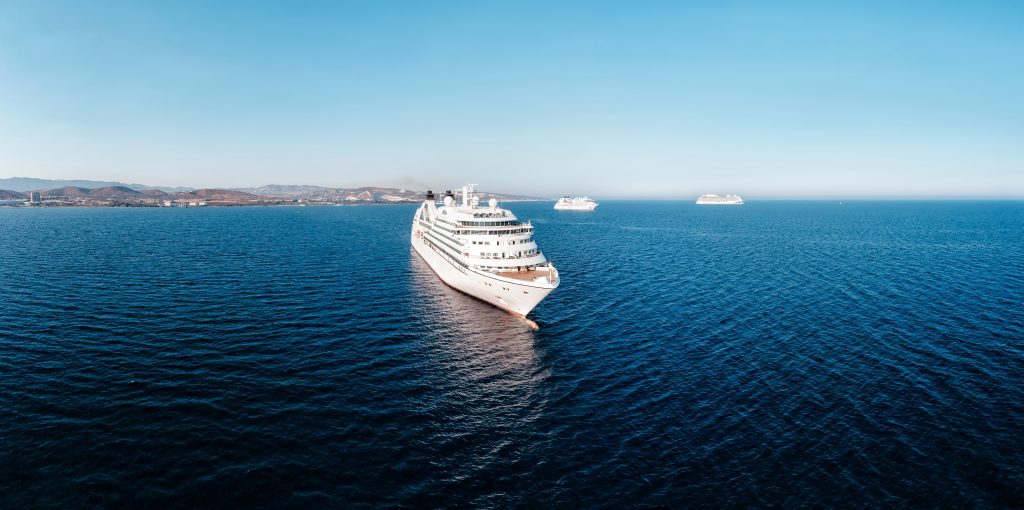
Cruise Ship sailing on a clear sunny day

Violence and harassment have always been against policy on board a vessel; however, the new training in PSSR will give crew the skills they need to de-escalate a situation and manage relationships on board.  

What will the changes to PSSR mean for training companies?  

Any course change requires extensive research and training. Instructors will need to become well-versed in the updated course content so that they can confidently deliver the training to the crew. It is also important for a maritime training centre to contact its clients, ensuring they are well aware of the changes and advising them on how best to proceed.   

STCW students in classroom learning about PSSR

At the Maritime Skills Academy, we can help your training company stay up to date with ever-evolving course and industry regulations. If you’d like to book PSSR training for yourself or your crew, then please contact our team today to find out more.  

Watchkeeping and Bridge Navigational Safety | 5 ways to prevent collision

The latest MCA Safety Spotlight (July 2025) shines a harsh but necessary light on the ongoing risks linked to poor bridge watchkeeping practices. Despite advances in technology and regulation, collisions, groundings, and serious accidents are still occurring due to preventable human errors.

Numerous factors can impact the safety of bridge operations, including fatigue, distraction and misuse of equipment. In accordance with the MCA safety spotlight, vigilance, leadership, and discipline are the makings of good seamanship. 

 1. Fatigue Is More Common Than We Think

Fatigue is one of the most underestimated risks at sea. It creeps in quietly, reducing concentration and reaction times without the watchkeeper realising. Many recent accidents—highlighted in the MCA’s case studies—can be traced back to an overworked or poorly rested crew, sometimes due to commercial pressures or insufficient manning levels.

What can help:

  • Ensure accurate records of working and rest hours are maintained, in compliance with STCW and ILO conventions.
  • Masters should have the authority and company backing to refuse unsafe watch schedules.
  • Implement practical fatigue management strategies, including rotating watches to allow proper rest.
  • Promote open reporting of fatigue without fear of blame.

Key takeaway: A well-rested watchkeeper is sharper, safer, and far more effective than a tired one.

2. Keep Distractions to a Minimum

The MCA warns that mobile phones, personal tablets, and non-navigation tasks are increasingly cited as factors in collisions and groundings. In Case 1 of their recent investigation, a fatal collision occurred due to a watchkeeper being distracted by a personal tablet and having consumed alcohol hours before the watch.

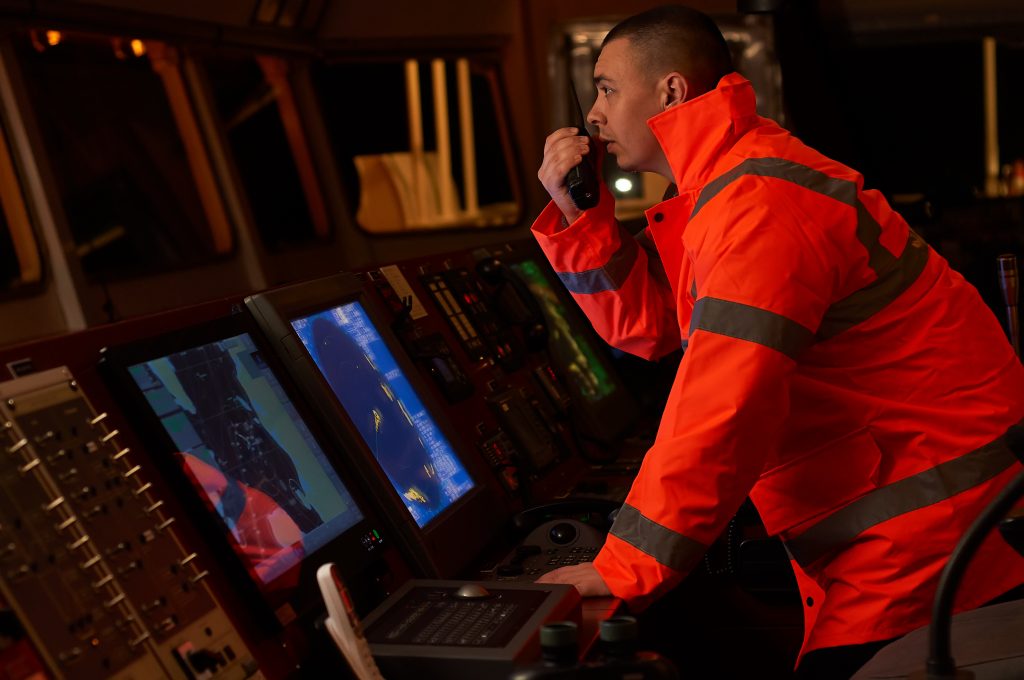
Watchkeeper on bridge talking on walki talki

What can help:

  • Enforce “no personal device” policies during bridge duty.
  • Establish clear bridge discipline—navigation comes first, always.
  • Conduct regular briefings on the risks of distractions and complacency.
  • Make use of bridge resource management (BRM) techniques to keep focus on tasks.

Key takeaway: Navigation requires 100% attention. Staying focused on the task at hand makes all the difference.

3. Watchkeeping Technology Is a Tool, Not a Replacement

Bridge technology—radar, ECDIS, and BNWAS—has significantly improved maritime safety, but it cannot replace a lookout. The MCA has found that navigational aids are sometimes muted, set incorrectly, or relied upon without cross-checking with other methods.

What can help:

  • Ensure radar and ECDIS alarms (CPA, zones) are set appropriately for the vessel’s environment and traffic conditions.
  • Train officers not just on how to use these systems, but why settings matter.
  • Cross-verify electronic data with visual lookout and manual plotting.
  • Test BNWAS and other alarms to ensure they’re functioning correctly.

Key takeaway: Technology supports safe navigation—but only when used as part of a layered safety approach.

4. Continuous Training Is Essential

The STCW convention sets the standards for watchkeepers and their qualifications. However, to achieve a high level of competency and safety, watchkeepers should participate in ongoing training, practice and refresher courses. With complacency and outdated knowledge continuing to play a huge role in navigational errors.

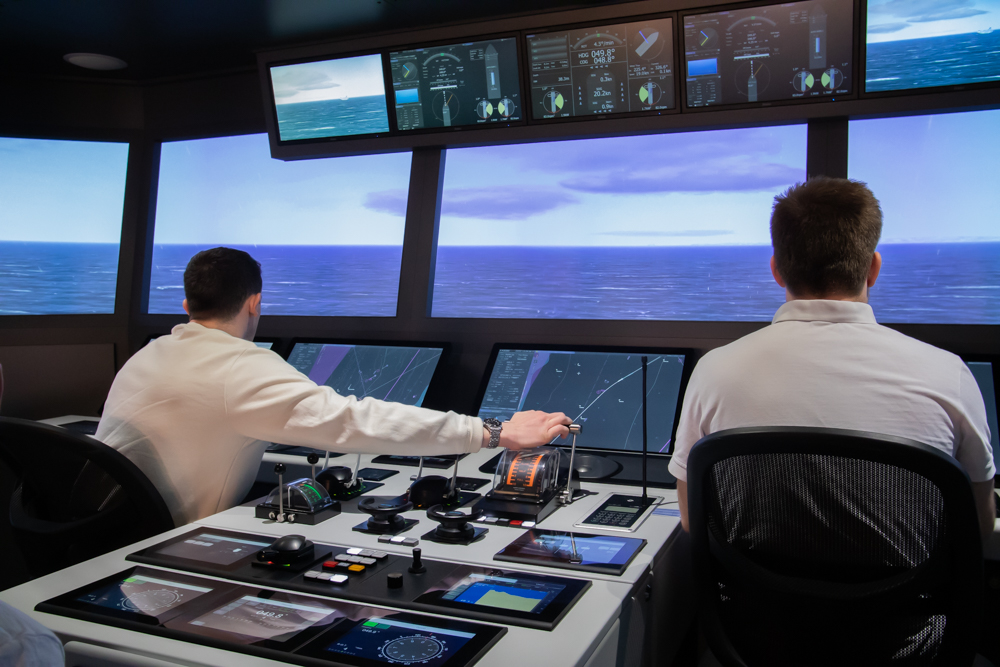
Watchkeepers training on bridge simulator

What can help:

  • Refresher training on COLREGs, Bridge Resource Management (BRM), and radar/ARPA systems.
  • Simulator-based exercises to rehearse collision avoidance and emergency scenarios.
  • Peer-to-peer learning onboard to ensure everyone understands procedures.
  • Make training a regular conversation, not a box-ticking exercise.

Key takeaway: Ongoing professional development is the difference between knowing the rules andapplying them instinctively under pressure.

5. Leadership and Culture Make the Difference

As figures of authority and an example for the rest of the crew, Masters, officers, and company leaders must promote a safety-first culture where proper watchkeeping is maintained. The MCA’s case studies show that weaker leadership and commercial pressures often result in best practices being overlooked.

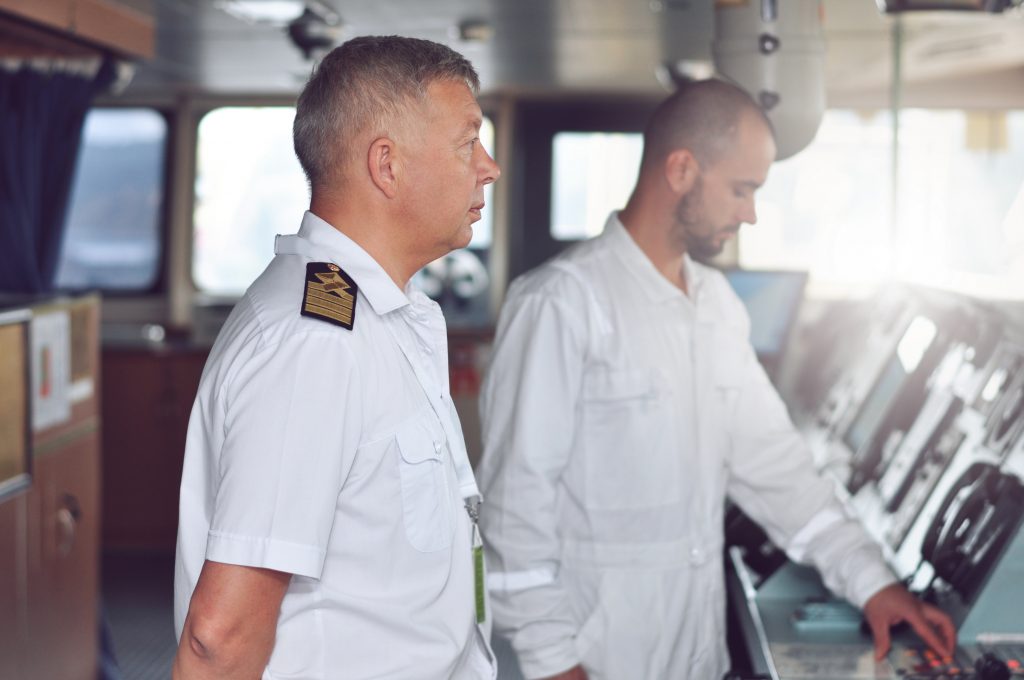
Watchkeeper and engineer on bridge looking out the window

What can help:

  • Embed watchkeeping standards into your Safety Management System (SMS).
  • Provide Masters with clear backing from shore management to enforce proper manning and rest periods.
  • Invest in leadership training to reinforce standards onboard.
  • Encourage open reporting of near-misses without fear of blame—this builds a culture of learning.
  • Demonstrate leadership by walking the talk—prioritising safety over speed or cost.

Key takeaway: A strong safety culture, supported by leadership, prevents the erosion of standards.

At The Maritime Skills Academy, we see these lessons as a positive opportunity to keep improving how we train and support watchkeepers. By blending technology, good habits, and strong teamwork, we can create safer, more efficient bridges. What may seem like a small step in developing a skillset will have a much larger impact on the industry, resulting in less incidents and casualties, globally.

If you’d like to learn more about how our training programmes—including Bridge Resource Management and COLREGs refreshers—can help your team, get in touch with us.