Which Marine Course Should I Take? 

If you’re considering a career at sea, or looking to work in the maritime industry, there will be marine courses that you will need to complete. 

However, not all courses are mandatory, as it will still depend on the role you’re looking for.  

At the Maritime Skills Academy, we offer a variety of marine courses that can open a number of doors. 

Basic Safety Training (BST) 

Starting with the most important marine course, by gaining your BST, you’ll be able to apply for a wide range of roles.  

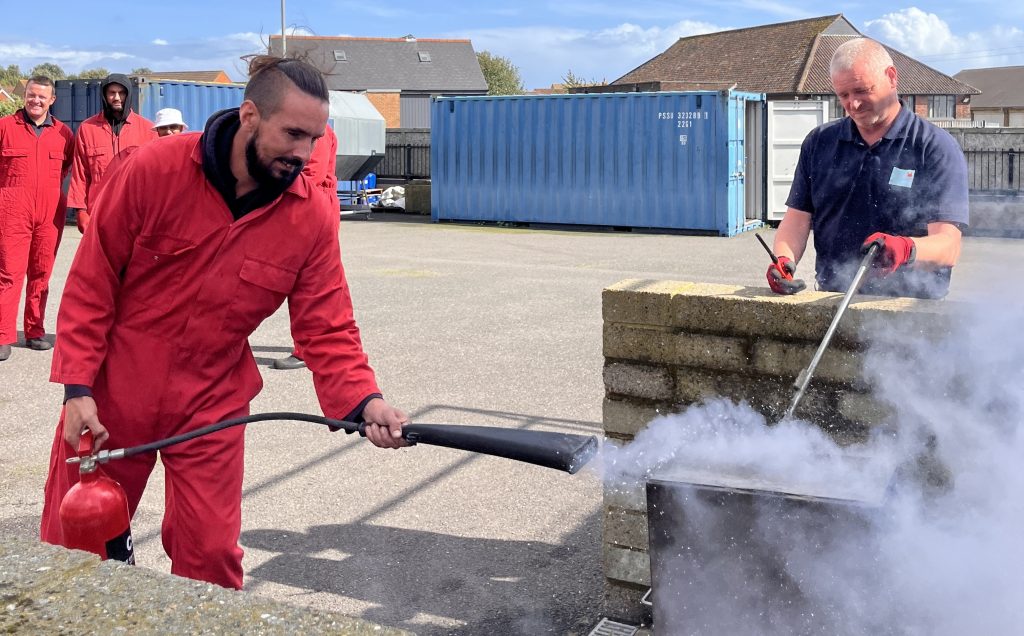
Delegate using fire extinguisher during their marine course

The BST course covers all five modules that make up the basic Standards of Training Certification and Watchkeeping (STCW) certification, including: 

  • Fire prevention & Fire Fighting 
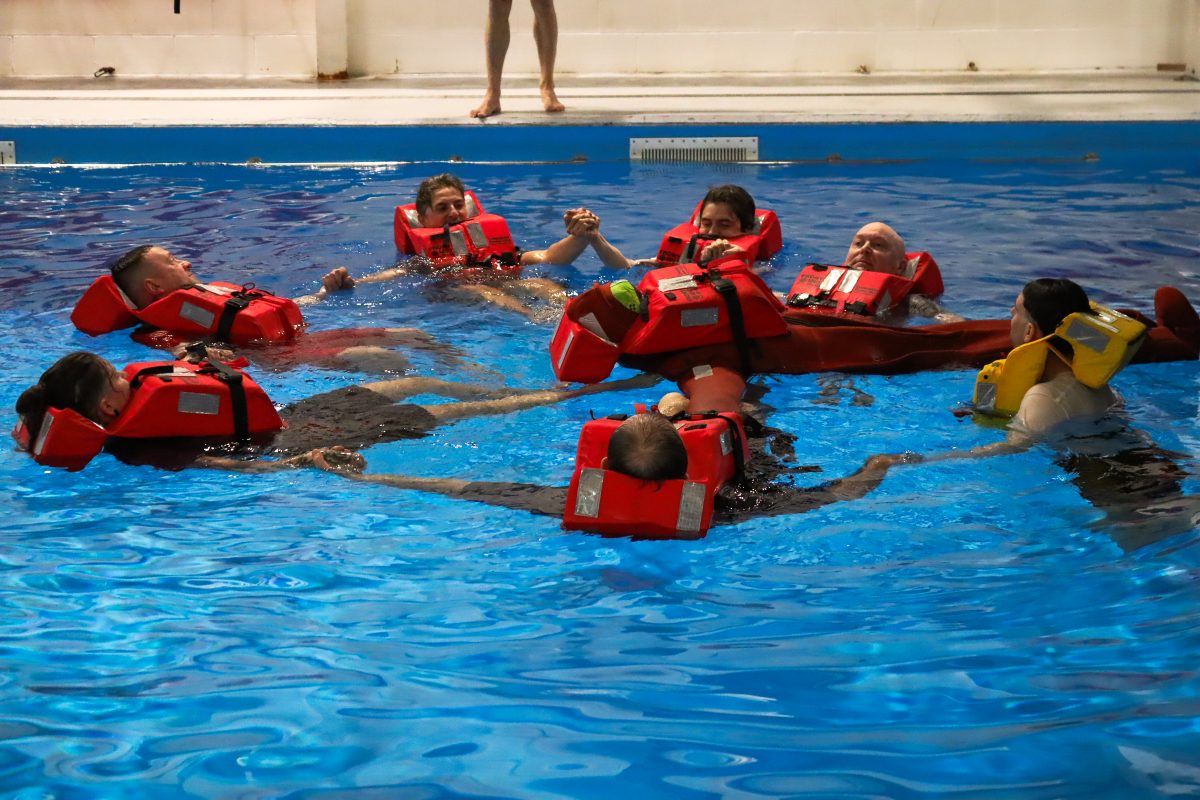
  • Personal Survival Techniques 
  • Elementary first Aid 
  • Personal Safety & Social Responsibilities 
  • Security Awareness 

Which Jobs Require BST? 

Holding the Basic STCW certification is a legal requirement for any mariner that works on board a commercial vessel longer than 24 metres, including ferries, tankers, cruise ships and more. In addition, the BST is a prerequisite for many more advanced courses that will help to develop your career at sea.  

How often do I need to refresh my maritime training? 

(updating courses as per Manila amendments) 

Here are the refreshers that require updating every 5 years: 

  • UPST (0.5 days theory and practical) 
  • UFP&FF (1 day practical) 
  • UAFF (1 day theory) 
  • UPSCRB (0.5 or 1 day Theory and practical) 
  • UFRB (0.5 day or 1 day theory and practical) 
  • UPMC (medical care 3 days practical) 

It is mandatory for all crew to retake the courses every five years. Refreshers are shorter than the full course you took the first time around. You also have the option to self-declare onboard training so you can take shortened updating courses. 

GWO Basic Safety Training (BST) 

GWO Basic Safety Training (BST) is an internationally recognised health and safety certification for people working in the wind energy industry. The program covers five key safety topics, including: 

  • Fire awareness 
  • First aid 
  • Manual handling 
  • Sea survival 
  • Working at heights 

MSA has partnered with Checkmate (HART) to offer all modules of the GWO BST programme. At MSA Dover, we offer the GWO Sea Survival course, covering the topics: 

  • Risks related to transfers 
  • Transfer from vessel to dock and vessel to foundation 
  • Emergency and safety procedures on installations, vessels, and WTG 
  • Evacuation from WTG to the water by means of rescue device 
  • Individual and collective survival techniques at sea 
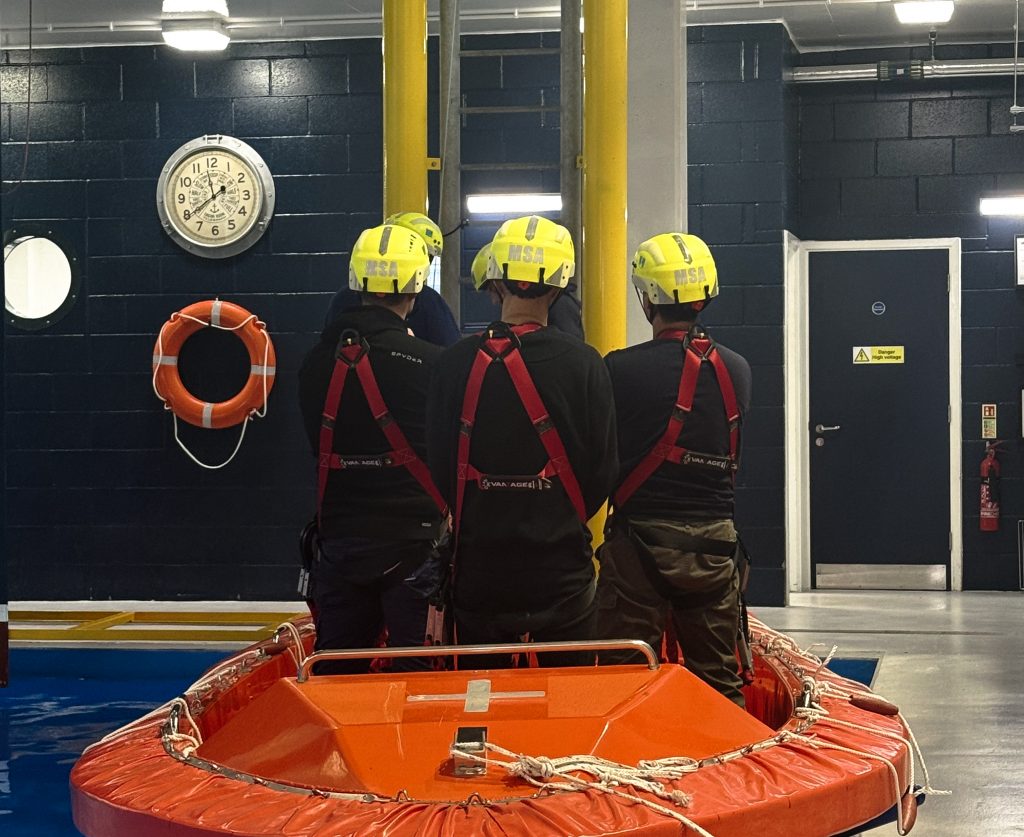
GWO delegates stood in orange speedboat with hard hats on

The one-day intensive course combines both theory and practical elements to ensure that students are prepared for any eventuality while working offshore. 

What Jobs Require GWO Basic Safety Training (BST)? 

The GWO BST is required for all workers in the offshore renewables industry, including: 

  • Technicians 
  • Engineers 
  • Project Managers 
  • Management Staff 

Currently, the UK offshore renewables industry employs 40,000 workers, with that number expected to rise to 97,000 by 2030, meaning there’s plenty of opportunity to work in this growing industry.  

MCA Approved Engine Course 1 (AEC1) 

The MCA Approved Engine Course 1 (AEC1) is a must for anyone looking to pursue a career as a marine engineer or ship operator aboard a commercial vessel under 24 meters in length. 

Not only is the course recognised (and often required) by private captains and charter companies, but it is also a required step toward obtaining the Engineer Officer Certificate of Competency from the MCA. 

The AEC1 course covers a variety of topics, including: 

  • Compression ignition engines 
  • Two- and four-stroke operation cycles 
  • Fuel systems 
  • Cooling systems 
  • Electrical systems 
  • Lubrication technologies 
  • Power transmission units 

Over the five-day course, students will receive both classroom instruction and hands-on experience with engines, allowing them to put their new knowledge to the test. 

What Jobs Require MCA Approved Engine Course 1 (AEC1)? 

Although the MCA Approved Engine Course 1 (AEC1) isn’t legally required for work aboard commercial vessels under 24 meters in length, it is typically required (or preferred) by private captains and charter companies. 

In addition, the AEC1 course is a necessary step toward obtaining the Engineer Officer Certificate of Competency from the MCA. Obtaining the Engineer Officer Certificate of Competency along with the Basic STCW certification allows holders to serve as chief or first assistant engineer on Merchant Navy vessels of any size. 

Launch Your Maritime Career at the Maritime Skills Academy 

Unfortunately, there is no single answer to the question, “Which maritime course is best?” 

The best marine course for you will depend on your career goals and the type of vessel you hope to work on. 

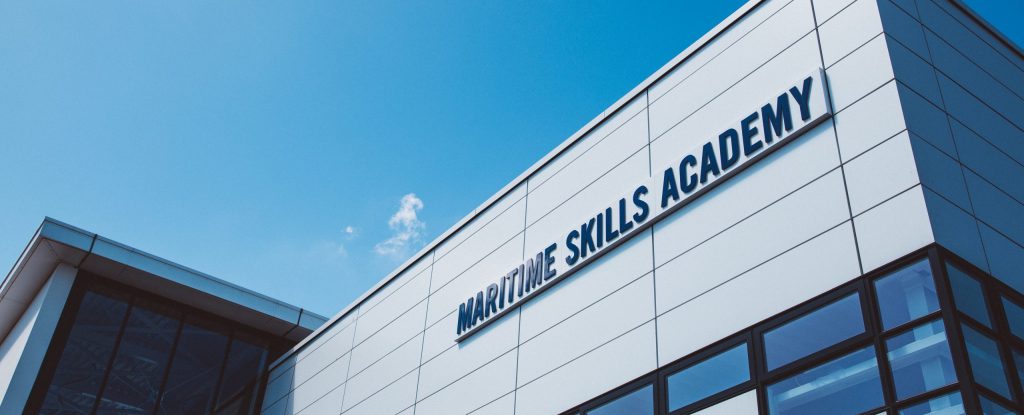
external view of the Maritime Skills Academy

Discover our MCA, GWO, and BMA approved courses that will help you launch your maritime career.  

To learn more about our courses or to find out which one is right for you, feel free to browse our course catalogue or contact our booking team to discuss your requirements. 

How to handle an emergency in the workplace 

Medical Emergencies 

A 2024 study by St John Ambulance1 found that one in two people (49%) would feel panicked if they encountered a health emergency, due to a lack of training. With a staggering 59,219 RIDDOR-reported (Reporting of Injuries, Diseases and Dangerous Occurrences Regulations) injuries in 2024-2025 alone2, there is no better time to prepare your employees with health and safety training.  

However, if there is no time, here is a quick guide to immediate emergency response in the workplace. 

Assess the situation 

If you come across an emergency in the workplace, the first response should always be to assess the situation. Take note of any casualties, onlookers, and surroundings (wires, bags, furniture, etc.) that may be a risk.  

If needed, remind yourself of where the nearest AEDs, first aid kits, and phone systems are in the building. This means you can call for help and respond to an incident instantly, without having to ask for or look for facilities.  

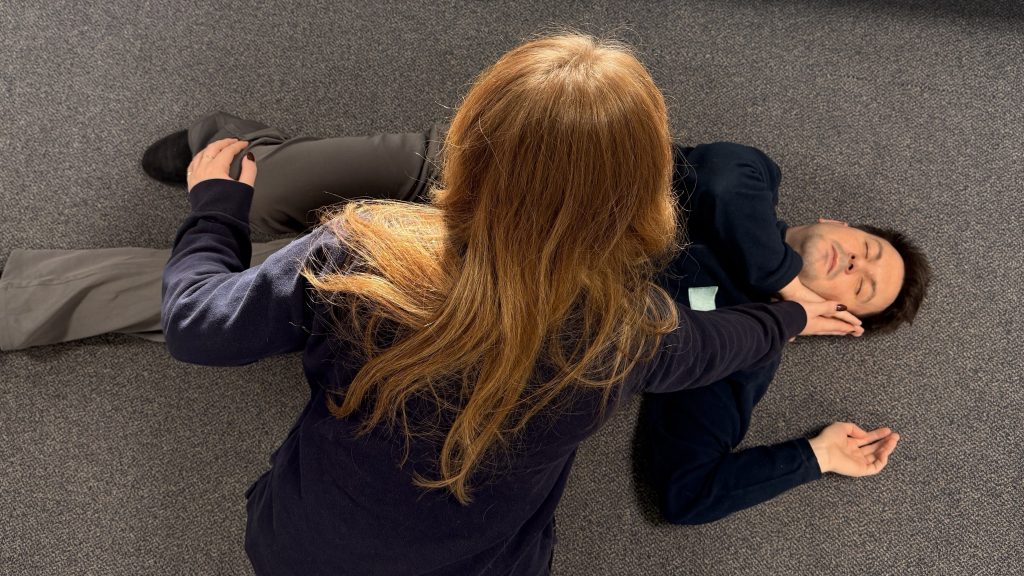
delegate demonstrating how to implicate the recovery position in the event of a workplace emergency

The best way to assess a situation, is using the DRSABC method, which we explained in our previous blog. You can find out more here

Unconscious casualties 

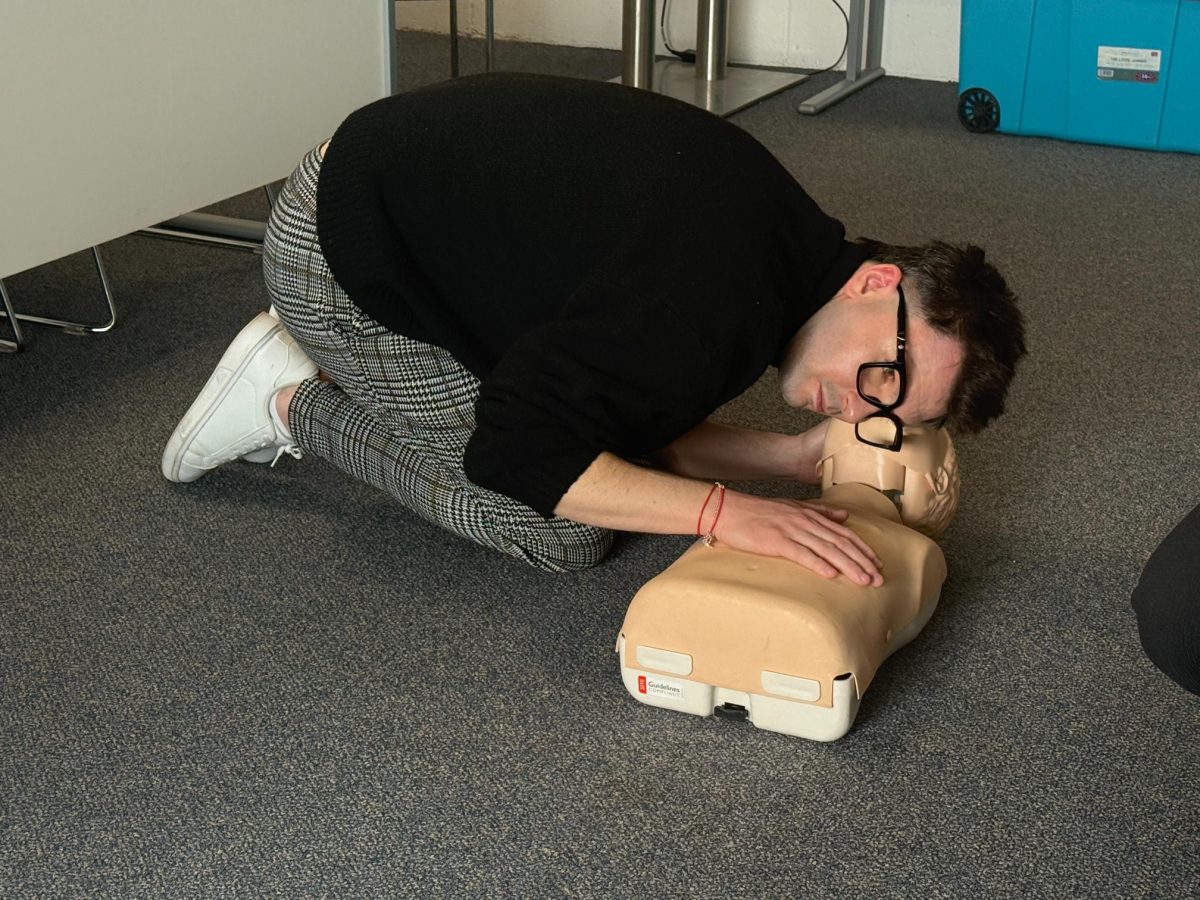
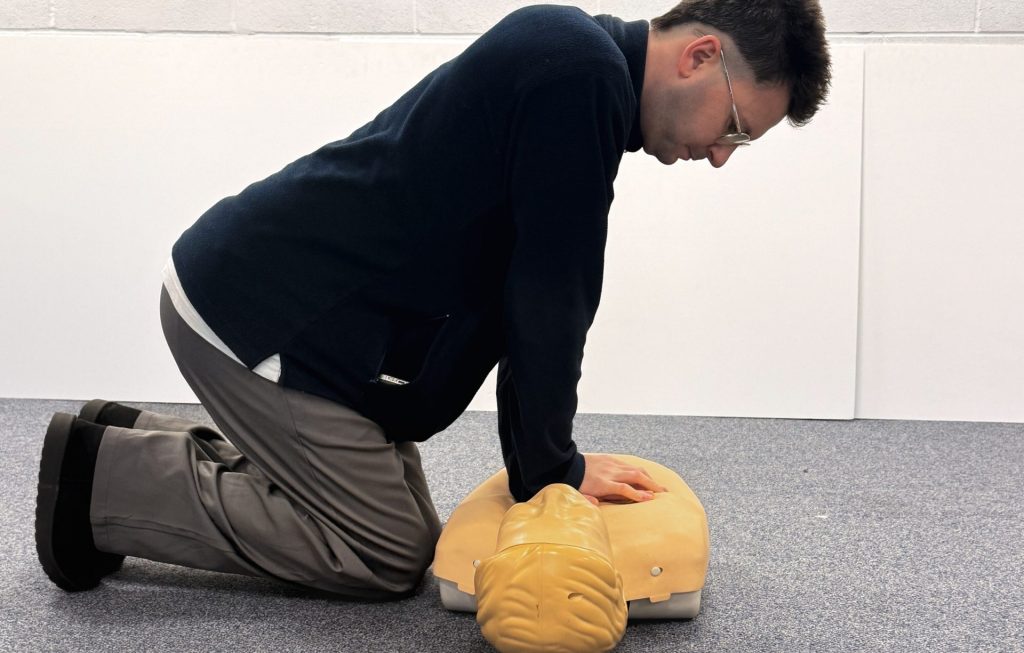
When a casualty becomes unconscious, the most important thing is resuscitation. Regardless of your training, and experience, any attempt at CPR is better than none. That being said, if there is a dedicated first aider, or someone with more experience, it is best to let them perform any attempts at recovery, while you call for the emergency services.  

Health and Safety Training at the Maritime Skills Academy Dover 

If health and safety in the workplace is something that concerns you, our expert trainers can provide the training your employees need to stay informed and prepared for when the unexpected happens. You can book your training here.  

Whilst it is a legal requirement in the UK to have a dedicated first responder in the workplace, giving all of your staff equal opportunities to educate themselves in emergency first aid will be extremely beneficial.  

  1. https://www.sja.org.uk/press-centre/press-releases/Half-of-the-population-at-risk-of-panic-in-emergencies/ 
  2. https://www.hse.gov.uk/statistics/overview.htm 

Why is Marine Pilot Ladder Transfer Training important?

Pilot ladder transfers, although safer than ever before, are the most perilous aspect of a pilot’s voyage.  An International Maritime Pilots Association investigation (which spanned from the 16th to the 30th of May 2025) found that over 14% of the 5,200 participants reported substandard transfer arrangements.

Enforcing safety standards that ensure crew are prepared for pilot ladder transfers and for navigating pilot ladders in different conditions or scenarios, is as vital as ever.

What is a pilot ladder transfer?

Maritime pilotage is a service that guides larger vessels into a town’s port. Pilots are familiar with the port in question, and pilot boats are smaller vessels that can manoeuvre easily. Often required during bad weather or poor visibility, the role of a pilot can be high-risk.

Pilotage can, on occasion, require crew to board the larger vessel they are assigned to. This involves using either a gangway, a combination ladder, an accommodation ladder, or a pilot ladder. The most dangerous of these is a pilot ladder. 

Marine pilot climbing ladder during practical marine pilot ladder transfer training

A pilot ladder consists of two strong ropes that hang from the deck or bulwark of a ship, slatted with hardwood spreaders (steps that prevent a ladder from twisting). Marine pilots are required to pull their pilot boats alongside the larger vessel and climb onto the ship whilst both are in motion.

What are the dangers crew face during pilot ladder transfers?

The greatest risk to crew members during a pilot ladder transfer is falling. Whether that be into the sea or back onto the deck of their pilot boat–Both of which can be fatal.

With marine pilots often being called out in poor weather, falling into the sea can risk them getting lost, swept under, or knocked out. Whether a fall is a result of violent seas or faulty, broken ladders, it is important to be trained in controlled falls and rescuing fallen casualties.

Another risk of pilot ladder transfers is crew getting stuck between the two vessels they are transferring to and from. It can be difficult for pilots to navigate steadily beside a larger vessel especially when both vessels are moving. This risk is in almost all cases fatal and is a hard circumstance to train crew for. At the Maritime Skills Academy, we teach crew how to safely abort a pilot ladder transfer, so once a hazard is assessed, evacuation or rectification is as safe as possible.

How can pilot ladder transfer training reduce the risks?

Training pilots to safely transfer between vessels, using standard methods and procedures, means crew are prepared to respond to hazardous situations. Although we cannot reduce the dangers marine pilots face, we can train them to respond safely and evacuate when necessary.

Marine pilot climbing ladder during practical marine pilot ladder transfer training

Our course prepares crew to identify and rectify damaged pilot ladders. This means pilots can take responsibility for their own safety if the vessel they are boarding has failed to do so.

We also train crew to assess pilotage risks. If a venture is too high-risk, a pilot may decide against a pilot ladder transfer. But without proper training, risk assessments may be unsatisfactory, and crew could be at risk of injury or casualty.

UKMPA endorsed pilot ladder transfer training

Our UKMPA-endorsed pilot ladder transfer safety training course focuses on proper rigging, inspection, and maintenance of pilot ladders, as well as risk management during transfer operations. Using both classroom and practical learning to teach pilots about real-world scenarios and showing them how to respond firsthand.

  • Overview of SOLAS, IMO, and international regulations for pilot ladder safety.
  • Emergency response techniques (MOB) for incidents during transfers.
  • Practical transfers over water – 3m ladder climb.
  • 9m vertical climb.
  • Survival techniques.

Find out more about our Marine Pilot Ladder Transfer Safety Training here, or contact us to arrange a booking.