The MCA has announced new requirements for PSSR: Here’s how the changes will affect you 

New changes to the STCW PSSR (Personal Safety and Social Responsibility) course have been introduced in 2026, to include more training and awareness on sexual harassment and assault. 

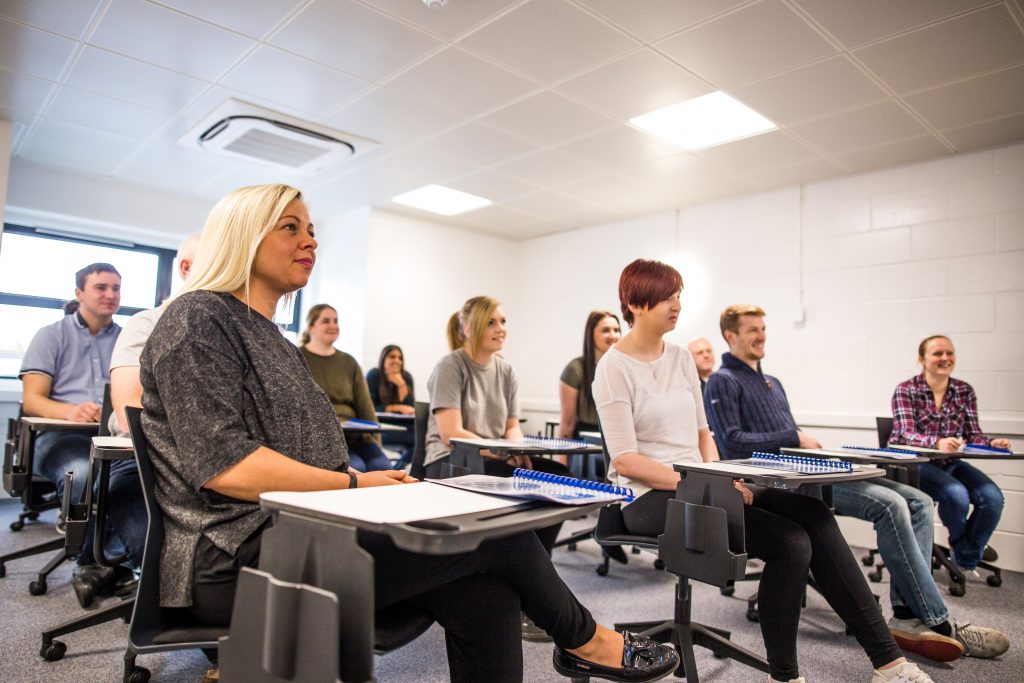
PSSR students in classroom, learning about latest updates

New modules will be added to the course structure to ensure all crew members are educated in the prevention of violence and harassment, including bullying. Although not mandatory, it would be beneficial for all crew to be trained in the updated course structure to ensure conduct on board is to the highest standard. 

What will the changes to PSSR mean for passengers?  

The intention of introducing further learning to PSSR, to educate crew on violence and harassment, is to improve the social experience on board a vessel, for crew and passengers alike. Crew will be better equipped to handle onboard conflicts, manage relationships and behave appropriately. Promoting respectful, dignified conduct will result in a better passenger experience and improve the reputation of industry workers. 

What will the changes to PSSR mean for crew?  

For crew members updating their training, there will be little change to the course they took previously, apart from the duration being slightly longer to accommodate the new topics.  

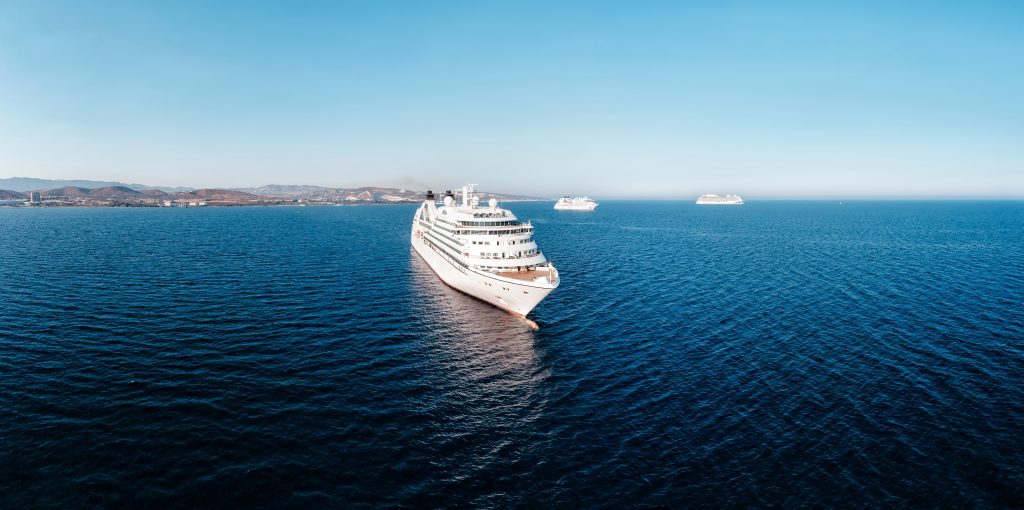
Cruise Ship sailing on a clear sunny day

Violence and harassment have always been against policy on board a vessel; however, the new training in PSSR will give crew the skills they need to de-escalate a situation and manage relationships on board.  

What will the changes to PSSR mean for training companies?  

Any course change requires extensive research and training. Instructors will need to become well-versed in the updated course content so that they can confidently deliver the training to the crew. It is also important for a maritime training centre to contact its clients, ensuring they are well aware of the changes and advising them on how best to proceed.   

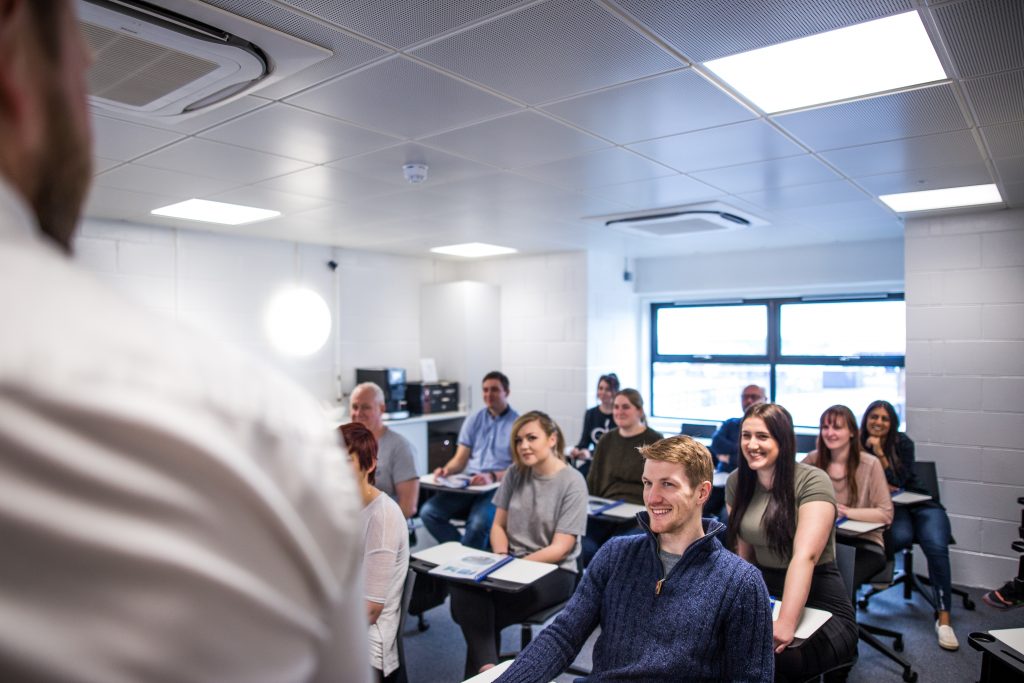
STCW students in classroom learning about PSSR

At the Maritime Skills Academy, we can help your training company stay up to date with ever-evolving course and industry regulations. If you’d like to book PSSR training for yourself or your crew, then please contact our team today to find out more.  

The Importance of Leadership Training for Crew On Board Ships  

Leadership training ensures that industry leaders’ skills and knowledge are up-to-date and of a high standard. With over 90% of trade goods being transported by sea, having strong leaders who can enhance crew efficiency is essential in the operation of modern global trade.  

Despite the maritime industry’s extensive technological advancements, it remains dependent on the crew that operate its vessels. The importance of crew members means safeguarding and seafarer support remain indispensable. 

Ensuring Safety at Sea  

It is the role of industry leaders to maintain safety on board the vessel they are responsible for. Leadership training ensures officers and other leaders can enforce safety regulations and maintain vessel company culture, even in emergencies. 

In the event of an emergency, crew members will look to their leaders for guidance and instructions.  

With leadership training, leading crew members will be well-equipped with the skills they need to keep their team calm and proactive in emergency situations. If crew members trust their superiors to handle high-pressure situations effectively, onboard morale will naturally increase.  

Enhancing Teamwork and Morale  

Efficient leadership teams should encourage teamwork and regular activities among crew to promote strong onboard relationships. A seafarer’s job can be stressful from time to time; having to face extended periods away from home, confined spaces, and potential feelings of isolation. However, having access to leadership figures can increase motivation and alleviate the concerns of crew. Strong and reliable leadership has proven to sustain high morale on board and therefore is crucial for the overall outcome of a crew’s mental well-being.  

Improving Operational Efficiency On Board 

Trained vessel leaders are taught how to organise and prioritise tasks, delegate responsibilities, and monitor performance effectively. Having organisational skills and being able to enforce this on board will improve the running of daily operations, minimise downtime and reduce operational costs.  

Adapting to Technological Advancements  

Technological advancements are constantly being introduced on board vessels, and crew are increasingly being required to learn and use new systems. Leadership training teaches officers problem-solving and adaptability, enabling them to guide and mentor their teams through the introduction of new systems and technologies.  

Having educated leaders on board your vessel reduces the risk of neglecting technological advancements and ensures adherence to industry best practices.

Compliance with Regulations and Standards  

One way to maintain safety amongst leaders is to follow regulations. At the Maritime Skills Academy, we offer initial and refresher training in industry-standard certifications. Standards of Training, Certification, and Watchkeeping (STCW) for Seafarers is a regulated certification that ensures all seafarers are competent and prepared to respond to emergencies.  

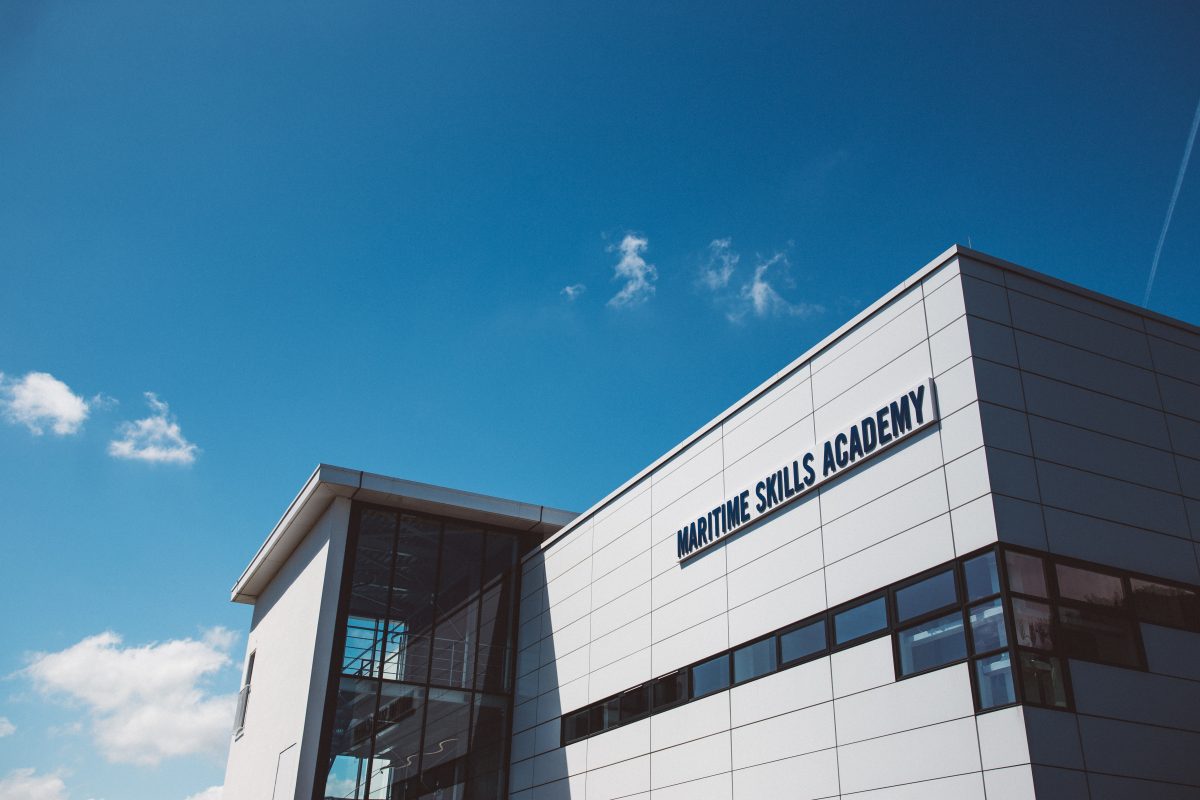
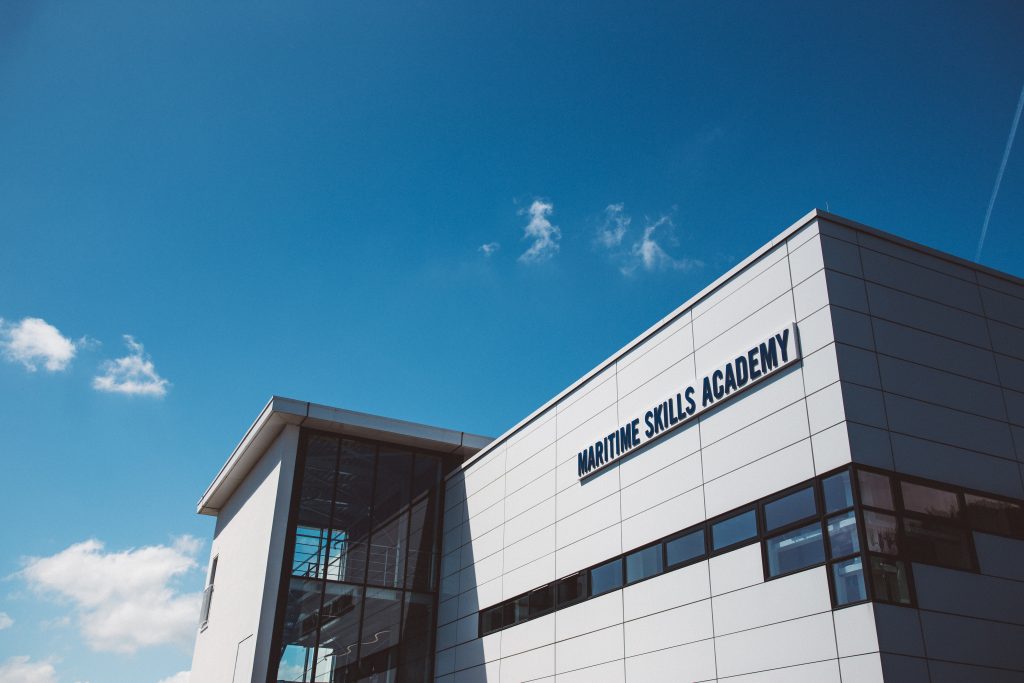
External shot of the Maritime Skills Academy

The International Maritime Organization (IMO) is a regulatory body that enforces adherence to industry requirements. Leaders on board a vessel need to have training that supports their job functions to ensure they are confident and qualified to support the safeguarding of their team. 

Core Components of Maritime Leadership Training  

Our leadership training for maritime professionals includes:  

  • Emotional intelligence: Leaders who are self-aware and understand the impact of their personality and behaviours on others are better at engaging with their teams. 
  • Decision-Making Skills: By simulating real-world scenarios, our training helps leaders make quick decisions in high-pressure situations. 
  • Communication: By teaching clear, concise, and respectful communication practices, our leadership training helps to build a structured and communicative ethos. 
  • Conflict Resolution: Our leadership training equips participants with strategies to resolve disputes amicably and maintain harmony onboard.  
  • Crisis Management: Our bespoke facilities simulate real-world scenarios to prepare leaders to handle emergencies such as fires, equipment failures, and medical issues. 
  • Cultural Sensitivity: Educating leaders on cultural differences to enhance their understanding and cooperation in multicultural team environments. 

By prioritising leadership training, the maritime industry can navigate the challenges of today and chart a course for a more secure tomorrow. It’s no secret that people are the drivers of maritime operations, and supporting crew continues to be as significant as ever.  

In partnership with BZ Maritime Leadership, the Maritime Skills Academy is pleased to deliver Maritime Leadership Training

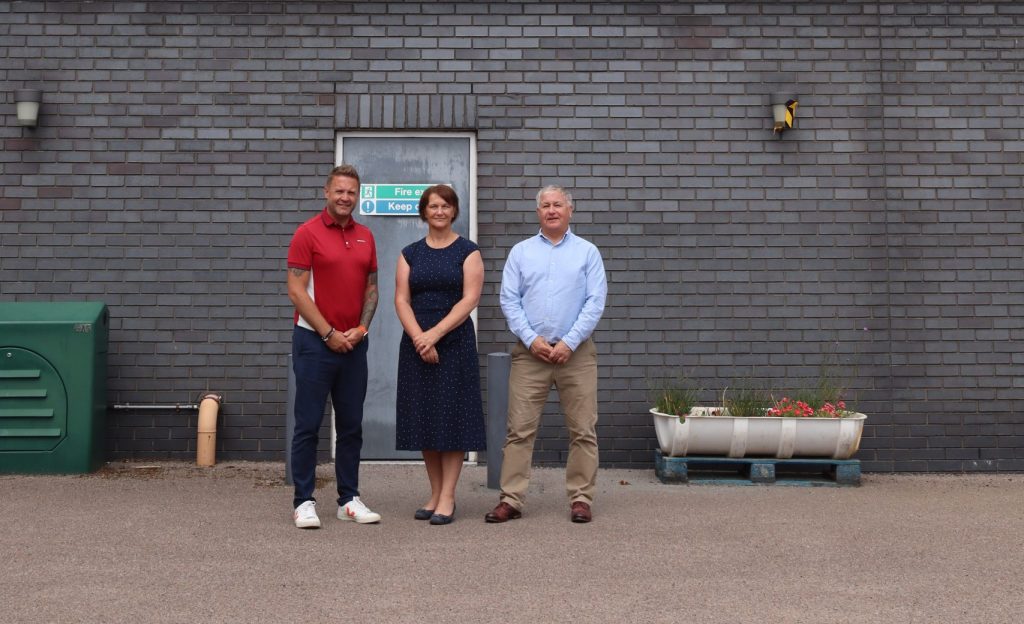
BZ Maritime visit MSA Dover to announce the introduction of leadership training partnership

Providing a range of leadership development and human capability training for professionals operating in both on board and shoreside roles. Our training equips professionals with leadership and human capabilities to perform safely and excel in their roles. 

Training will upskill less experienced leaders and crew, while also accelerating the professional growth of those who are already well-practised or more advanced in their career journeys.  

To find out more about our Maritime Leadership Training get in touch with our team today to learn more info@vikingmsa.com 

Understanding the Dangers of Enclosed Space Entry on Ships: Why Training and Awareness Matter

Enclosed space entry remains a significant contributor to seafarer fatalities and poses a hidden danger on board many vessels. 

Without proper training and precautions, crew members face serious threats, including asphyxiation, toxic exposure, and entrapment in confined spaces such as ballast tanks, cargo hold and other compartments with inadequate ventilation. 

The Statistics Behind the Risk

According to the UK Marine Accident Investigation Branch (MAIB), “nearly 60% of fatalities in enclosed space incidents involve would-be rescuers.” These are often colleagues who rush in without protective equipment or proper procedures, attempting to save an incapacitated crewmate, putting themselves also at risk. 

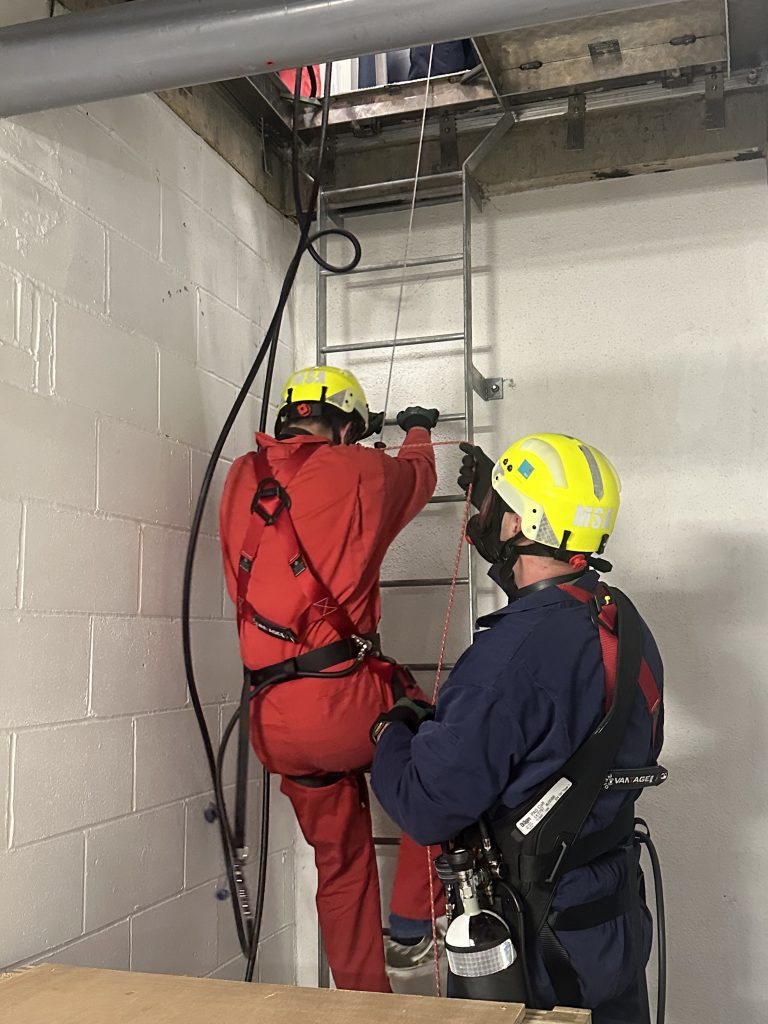
Delegate climbing ladder in enclosed space

According to the IMO, enclosed space incidents account for approximately 15% of all shipboard fatalities. Over the past decade, the industry has recorded more than 100 fatalities linked to these extreme environments.

A 2020 report by the International Transport Workers’ Federation (ITF) identified insufficient training, complacency, and a lack of safety protocols as key factors in most incidents. There are regulatory frameworks in place to prevent these fatalities, which outline safety measures for entering enclosed spaces. However, the risk remains high due to lapses in training, education, and onboard culture.

 Reinforcing the Message at the Maritime Skills Academy 

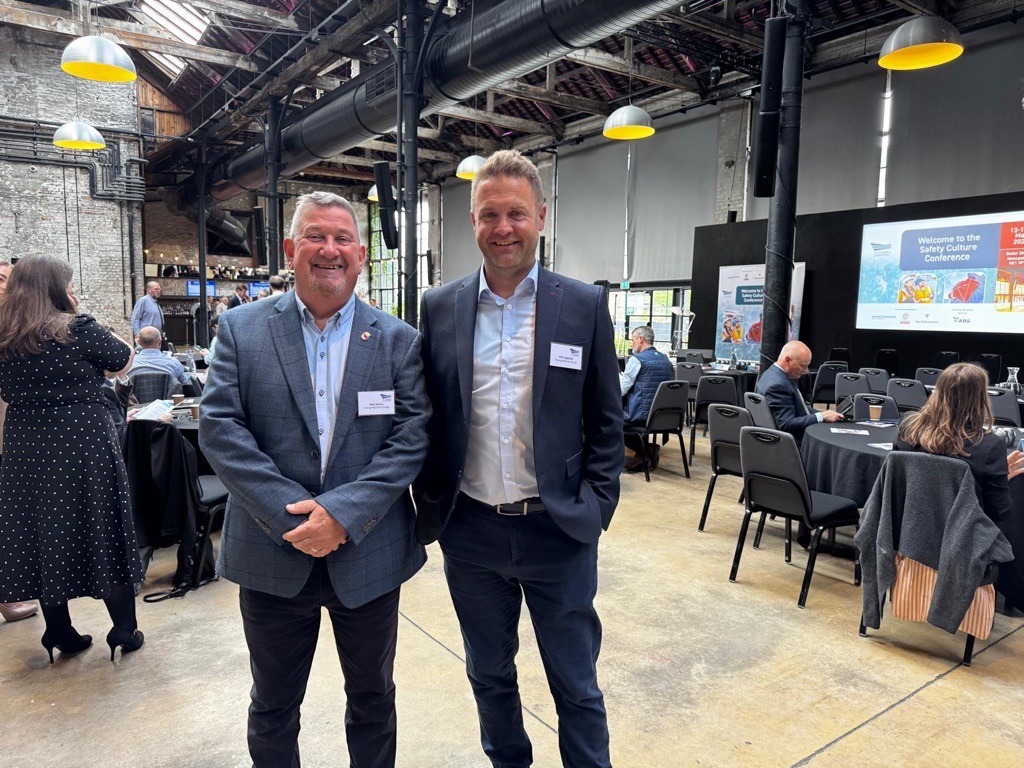
At the Maritime Skills Academy (MSA), Operations Director, Mark Jaenicke, attended the UK Chamber of Shipping’s Safety Culture Conference, held in Newcastle earlier this year, where it was highlighted that enclosed space entry is a critical safety issue. 

The conference emphasised the urgent need to embed a culture of safety at all levels of maritime operations. Key discussions from industry speakers focused on the role of leadership in shaping attitudes towards risk, the value of reflective learning from incidents, and the need for stronger accountability systems on board.

The conference emphasised that safety culture encompasses not only policies and training, but also mindset, communication, and empowerment. Enclosed space entry has been cited as a prime example of where gaps in culture can lead to fatal consequences, making it essential that safety initiatives address both technical training and behavioural change.

Why Enclosed Spaces Are So Dangerous

The atmosphere inside an enclosed space can quickly become hazardous and even deadly. Possible threats may arise from reduced oxygen levels, the presence of flammable or toxic gases, and the potential for sudden shifts in pressure or contents. 

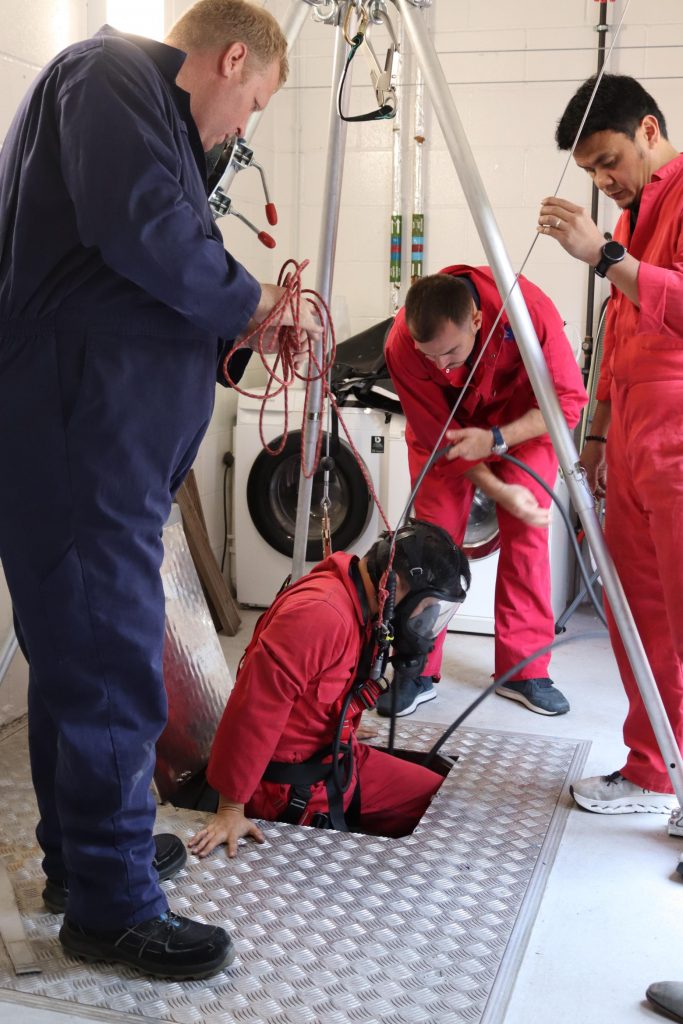
Delegate entering trap door into enclosed space

Gases, such as hydrogen sulfide or carbon monoxide, are odourless and lethal even in small concentrations. Without proper testing and monitoring, crew members may unknowingly enter an environment that is immediately harmful.

Industry Recommendations and Best Practices

To mitigate these risks, the maritime industry emphasises:

  • Robust Training – Crew members must receive MNTB or flag-state-recognised training in enclosed space entry and rescue. Training should include hazard recognition, use of gas detection instruments, proper PPE, and emergency procedures.
  • Strict Permit-to-Work Systems – No one should enter an enclosed space without a properly completed entry permit, confirming that the atmosphere has been tested and deemed safe.
  • Use of Monitoring Equipment – Continuous gas monitoring and ventilation systems must be in place before and during entry.
  • Drills and Emergency Planning – Regular emergency response drills should be conducted, including scenarios involving enclosed spaces.
  • Safety Culture and Leadership – Companies must foster a culture where safety is prioritised over speed or convenience, and crew members are empowered to stop unsafe operations.

Enclosed space entry remains a persistent and deadly risk onboard ships. Although the industry has made progress in implementing safe practices, real change comes from up-to-date training, leadership commitment, and crew vigilance.

Mark Jaenicke and Matt Horton attending the UK Chamber of shipping Safety Culture Conference

Both the UK Chamber of Shipping Safety Culture Conference and the Joint Industry Workshop reinforced the same message: 

“Investment in safety education and embracing an educational culture onboard will improve enclosed space safety and reduce fatalities.” 


How the MSA is Helping Reduce Enclosed Space Entry Fatalities

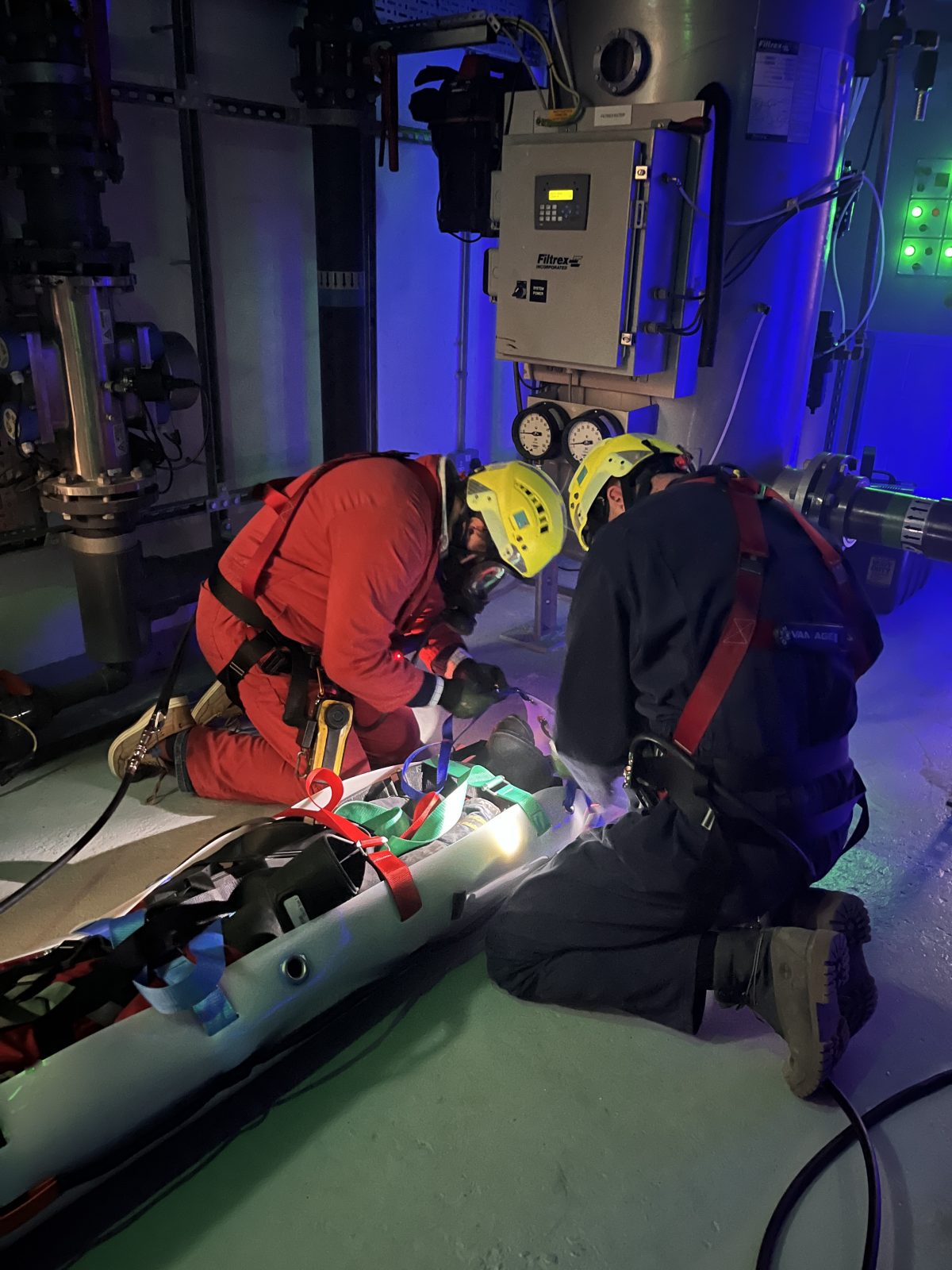
Through continual learning and training, our centre in Dover is equipped with a custom-built enclosed space hatch, allowing delegates to practice safe entry and exit into enclosed spaces.

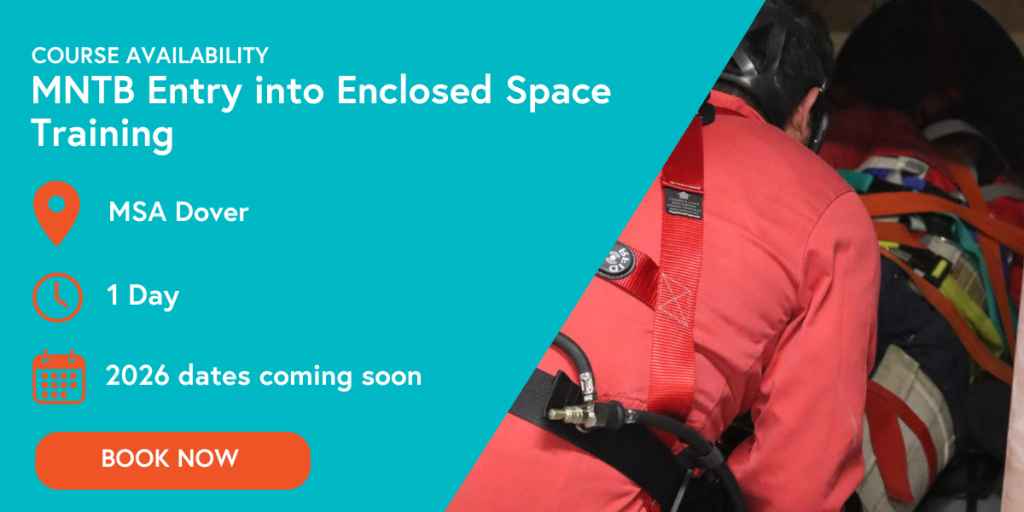
With available dates for 2025, and 2026 dates soon to be released, you can view the full course details here. 

 References and Further Reading: