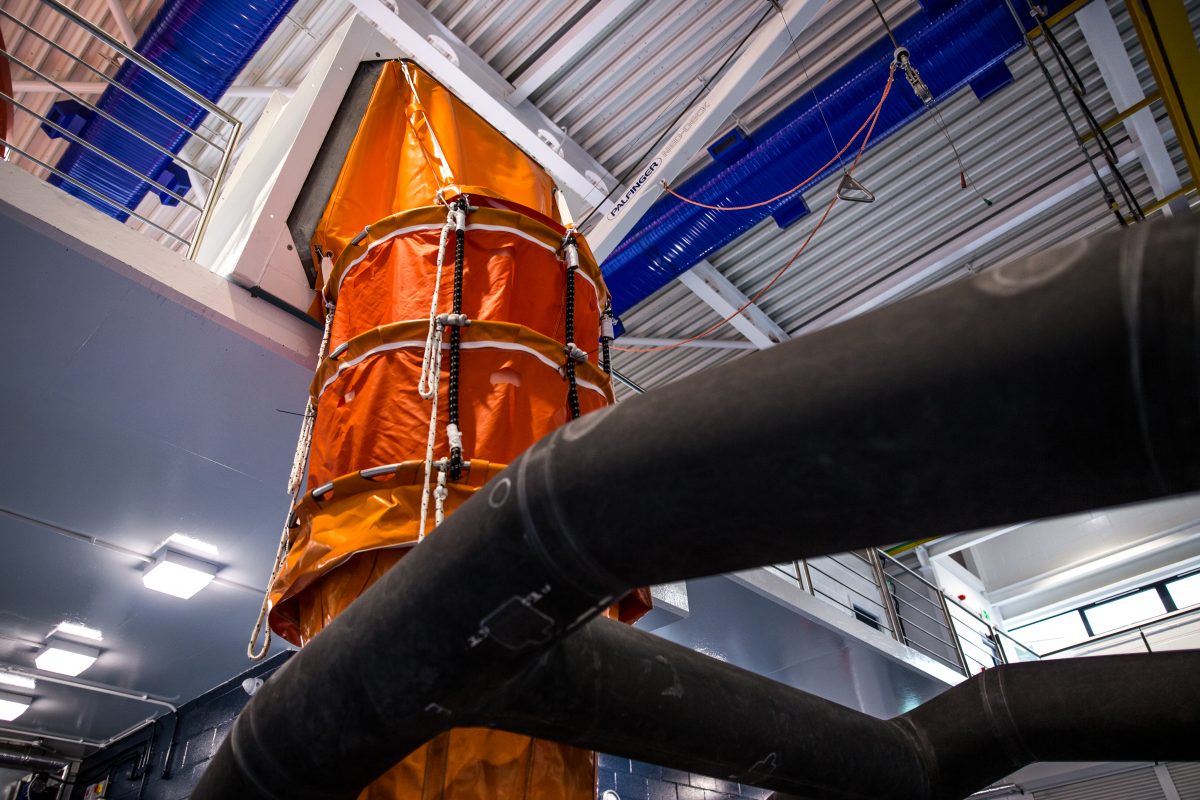
Marine Evacuation Systems (MES): Safety at Sea 

In the maritime industry, evacuation and safety systems are vital in the event of an emergency. Arguably, none are as critical as the Marine Evacuation System (MES). Saving countless lives year on year, MES systems are designed to be utilised on large vessels, carrying thousands of passengers.  

For this reason, it is imperative that crew should be properly trained and able to guide passengers through the various marine evacuation systems available on board.  

At the Maritime Skills Academy, our hands-on training prepares crew for onboard emergencies with two industry-leading technologies, Brude and VIKING LSE.  

What is a Marine Evacuation System (MES)? 

Marine Evacuation Systems (MES) are inflatable evacuation systems that allow for quick and controlled descent from a ship into life rafts. The most common type of MES is the chute-based system, which connects the ship to life rafts via a vertical or inclined inflatable chute. 
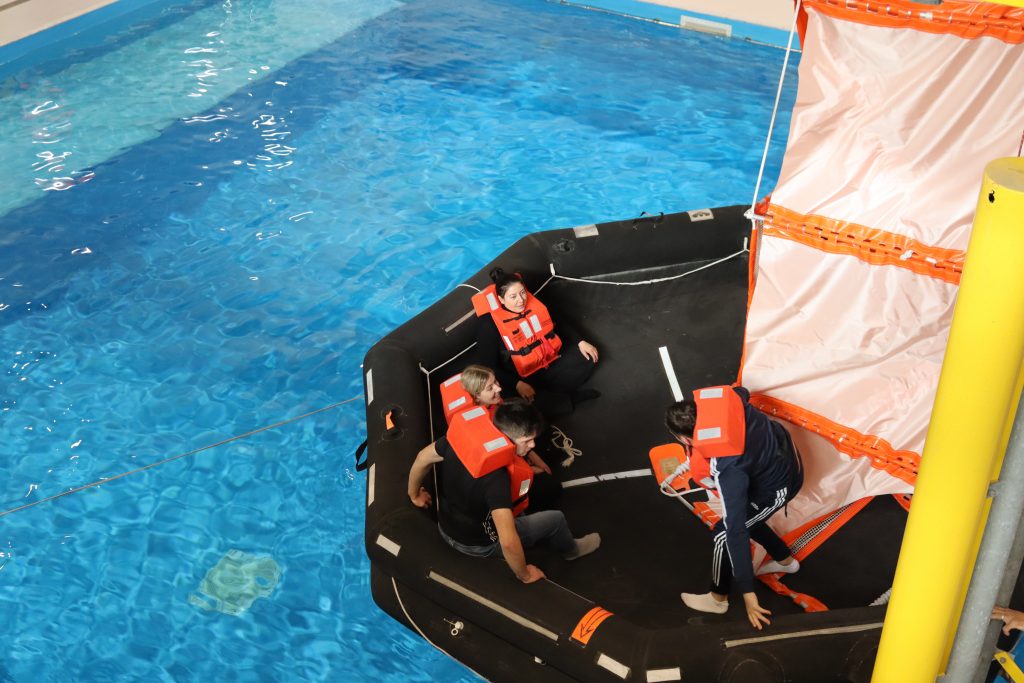
These systems are designed to deploy within minutes and accommodate large numbers of people efficiently, even in challenging sea conditions. 

Why Are MES Used on Ships? 

MES are used on large passenger vessels, mainly due to the majority of people onboard not being trained or prepared for emergencies. These are optimal for their general ease of use and efficiency in evacuating passengers quickly.  

Fastest Marine Evacuation Solution  

In the event of a fire, collision, sinking, or any situation where all on board will be required to abandon ship, an MES system is the fastest solution.  With multiple MES chutes installed onboard, multiple evacuations can take place simultaneously.  

Ease of use 

Marine Evacuation Systems are very straightforward to use. This means that passengers can descend calmly, leaving enough time for crew to follow suit. The MES will also offer a controlled descent, allowing evacuees to determine their pace, reducing overall stress.  

Independent Operation  

If a vessel is in an emergency situation that has caused power outages or poses a danger if power is used, the ideal evacuation system will be independent from the ship’s electrical operations. MES systems are manually deployed by a specialised, dedicated crew, which means they can be used in almost any emergency event. 

MES SOLAS regulations 

To ensure international safety standards are met, every passenger vessel must harbour a Marine Evacuation System onboard, that has been inspected within the last six years. Crew are also required to be trained in the operation of the Marine Evacuation System they have on board their vessel, which will most likely be a VIKING or Brude system. 

Types of Ships That Use MES 

MES are typically found on passenger ferries, cruise ships, Ro-Ro vessels, highspeed crafts and offshore installations. 
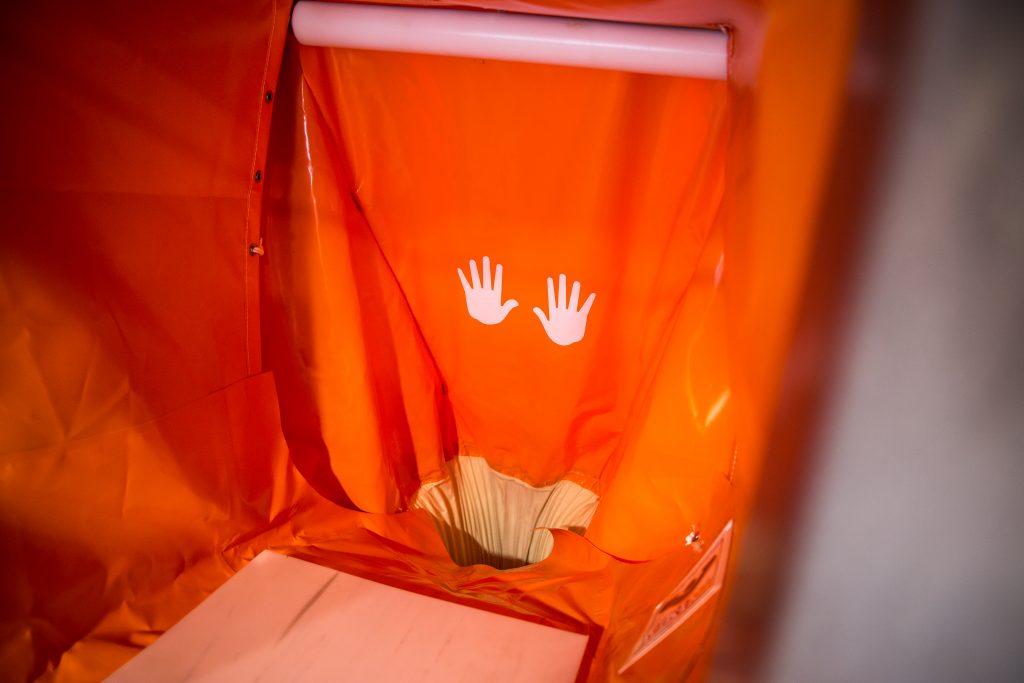
VIKING LSE Marine Evacuation System entrance

These vessels often carry hundreds or thousands of passengers and crew, making fast and efficient evacuation systems essential. 

Benefits of MES Chutes 

Speed 

Marine Evacuation Systems can deploy and be ready for use in under 90 seconds which makes them the perfect solution for onboard emergency and mass evacuation.  

Capacity 

Some Marine Evacuation Systems can evacuate over 600 people in 30 minutes. For ferries and cruise ships, this is a significant benefit, as they transport a large number of people.  

Safety 

Lifeboat launches can be unpleasant, uncomfortable and in worst case scenarios, fatal. MES Chutes are a safer, easier solution that can provide a smooth evacuation for all, even without experience. 

Compact storage 

MES systems are small and compact. Taking up significantly less room than lifeboats or davit storage. They are also easy to deploy by comparison, making for a more pleasant environment especially onboard cruise ships, where passengers are expecting luxury.  

Training at Maritime Skills Academy (MSA) 

At the Maritime Skills Academy, our Marine Evacuation System training is designed to prepare crew for emergency evacuations. Teaching not only how to depart the vessel themselves, but how to encourage and explain the process to peers. Community and teamwork are essential in an onboard emergency and crew will be required to guide passengers through the evacuation scenario, should it occur.  
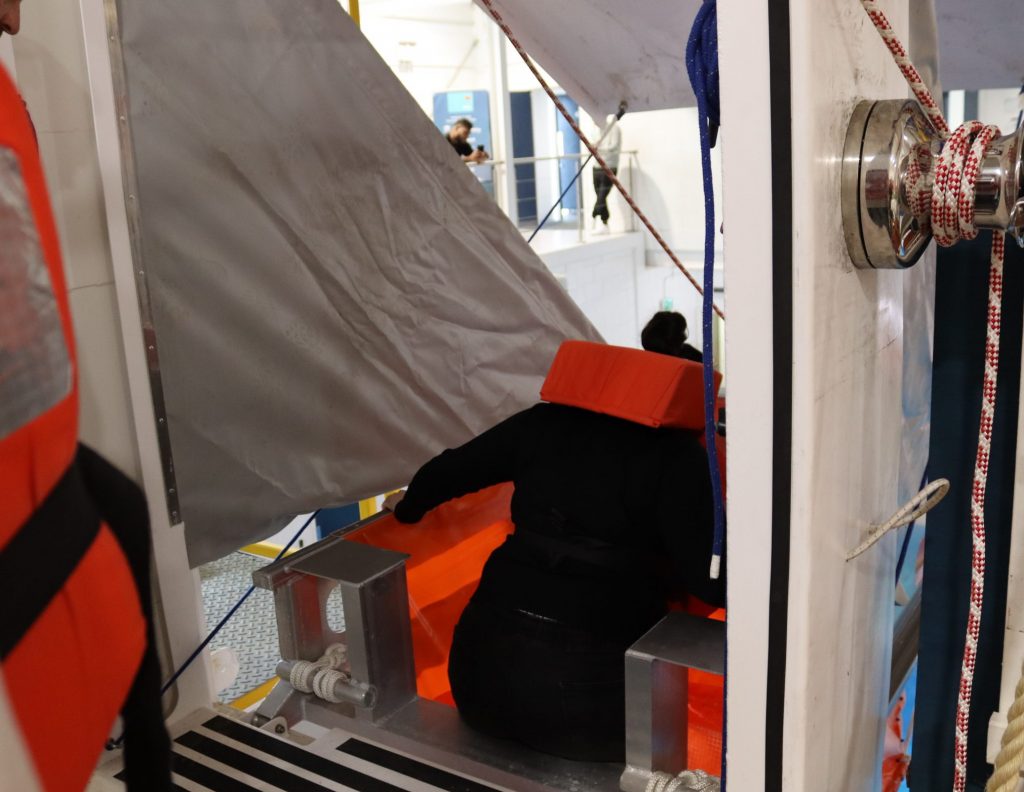
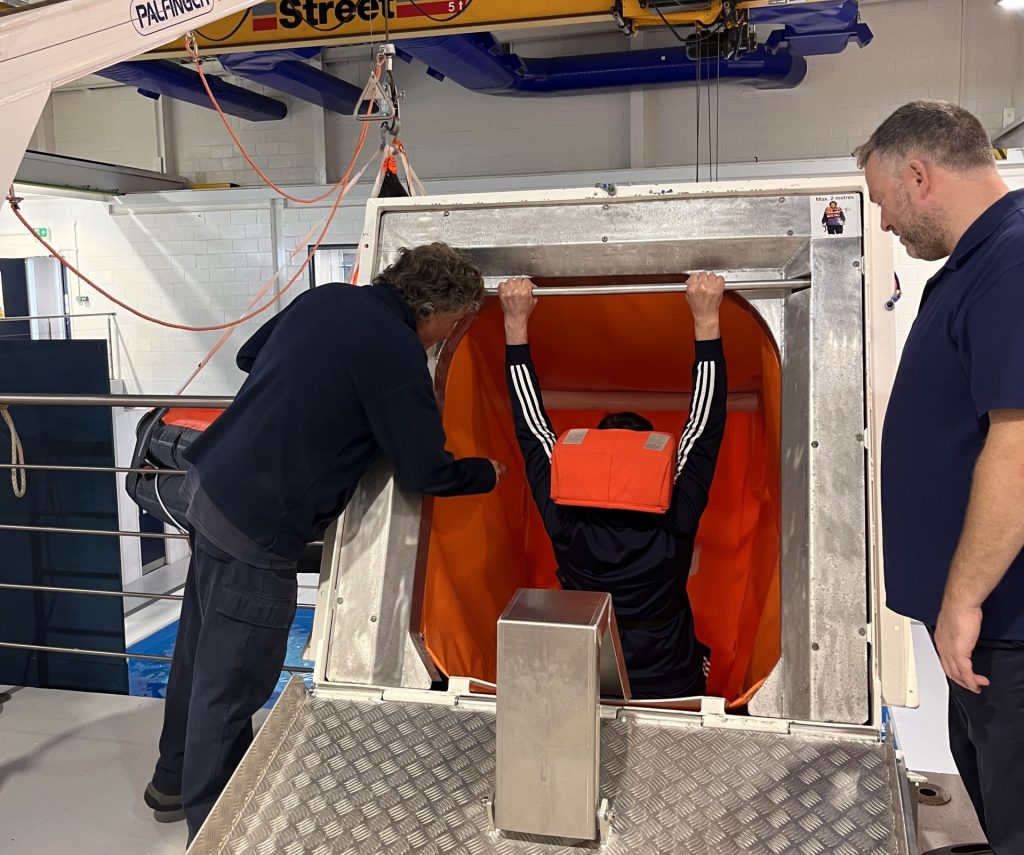
Delegate training at the top of Brude Marine Evacuation System
Delegate training at the top of Viking LSE Marine Evacuation System

Why Choose MSA for MES Training? 

At the Maritime Skills Academy, our expert instructors provide training in accredited courses for both MES systems mentioned in this piece. Simulating real-world scenarios and guiding delegates through their descent.  

Contact us to find out how we can help your crew with MES training 
Enclosed Space Training: The Role of Technology in Protecting Seafarers 

Enclosed spaces remain one of the most hazardous environments onboard vessels. In our previous blog, it was evident that crew members are most vulnerable to enclosed space emergencies and should be the priority when it comes to training.  

Over the past few years, we have witnessed the development of technology both onboard and in training environments. Now we are starting to see technology that can help to reduce risks and improve enclosed space safety, including portable detection devices and remote monitoring systems.  

The Growing Role of Technology in Enclosed Space Training 

Although traditional safety precautions, such as practice drills, are still essential to onboard safety, the introduction of new technologies can be used on top of these practices to provide an additional level of protection. Modern technology can help responders identify hazards before entering an enclosed space. This can include: Portable multi-gas detectors, Wearable Monitoring Devices, Remote Ventilation and Purging Systems, Drones and Robotics and Communication systems. 

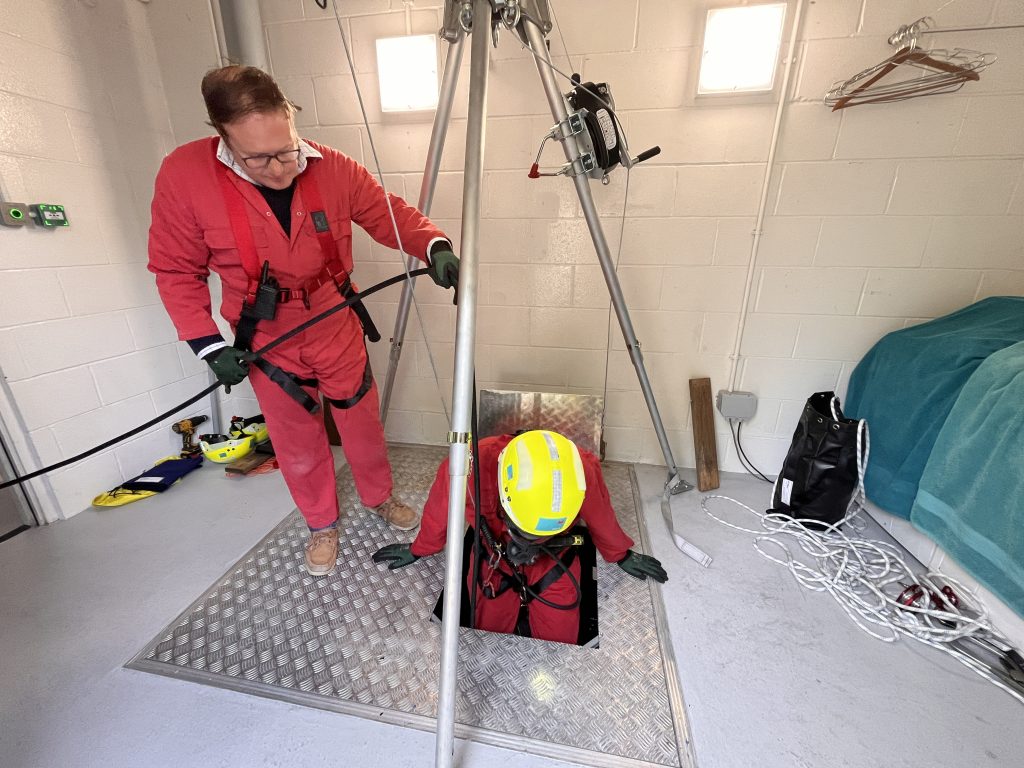
Delegate lowering into enclosed space hatch

InterManager has collected statistics showing that since 1996, 310 people lost their lives in enclosed spaces on ships. A large number of enclosed space casualties are caused by asphyxiation or unknown dangerous gasses. Having access to life saving technology and being educated in its use can reduce the risk of casualties and ultimately, save lives.  

Alignment With Industry Standards 

Regulatory bodies such as The International Maritime Organization (IMO), STCW Standards and The Merchant Navy Training Board (MNTB) all speak on the importance of educating crew on the use and risk assessment of equipment. Crew should be trained and tested to an achievable industry standard level. Similarly, technology should be kept up to date, and users should be regularly trained on how to use the equipment to its full potential.  

Despite being a powerful tool, technology should not replace training and traditional safety practices. The combination of industry-standard training, STCW regulations, and education on technological advancements will give seafarers the best possible chance of safe entry into enclosed spaces.  

How the Maritime Skills Academy is shaping Enclosed Space Training 

At the Maritime Skills Academy, we provide Bahamas, MNTB, Ofqual and MNTB-recognised training that supports ship operators in meeting compliance requirements while building a stronger safety culture onboard. Our enclosed space training ensures your crew are prepared for onboard emergencies and in a position to operate technological equipment safely.  

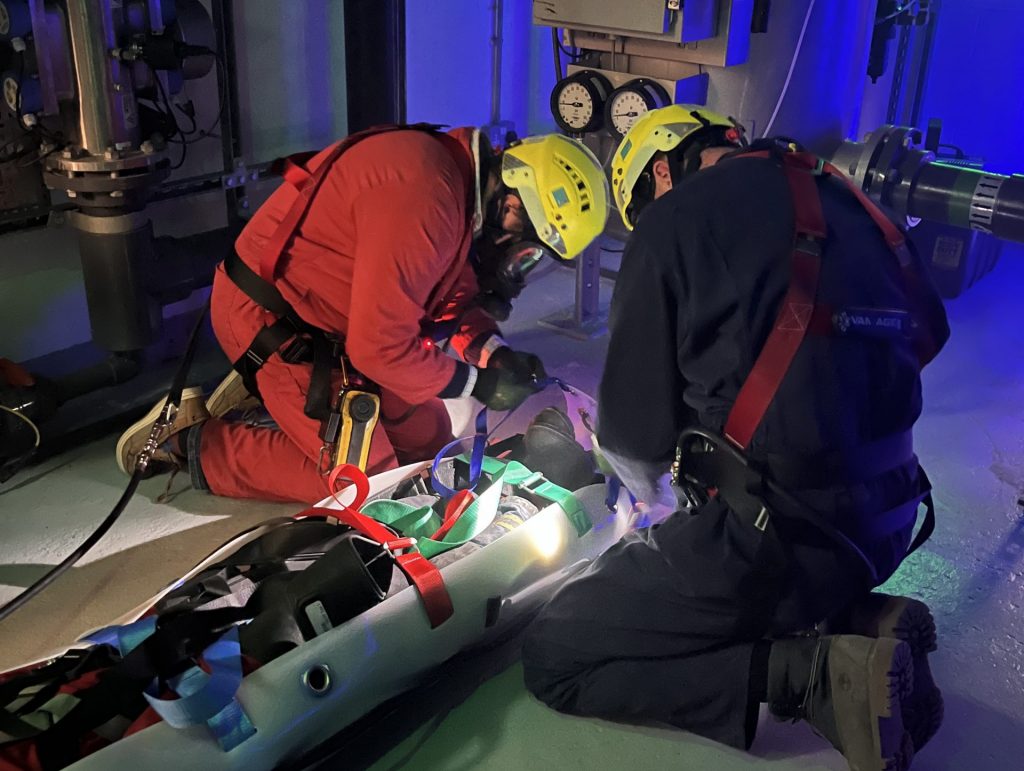
Two delegates aiding a simulated casualty in an enclosed space at MSA

By simulating realistic conditions, crew can be prepared to respond to emergency situations in enclosed spaces. If crew are trained in enclosed space entry and educated on the correct procedures, the risk of panic and confusion in real emergencies is significantly reduced.  

Book your MNTB Entry Into Enclosed Space course with the Maritime Skills Academy to find out how we can support your crew.  

4-Part STCW Basic Safety Training At MSA Dover – Careers At Sea

The Maritime Skills Academy (MSA) recently welcomed Finley Reeves to complete his 4-Part STCW Basic Safety Training. Finley, who turned 18 during his training week, is currently studying on a Football Scholarship and travelled from Tamworth to our centre in Dover to complete his training as he was exploring options for a potential career at sea.        

We followed his week at our state-of-the-art centre and interviewed him after five days of training to see how he’d gotten on.

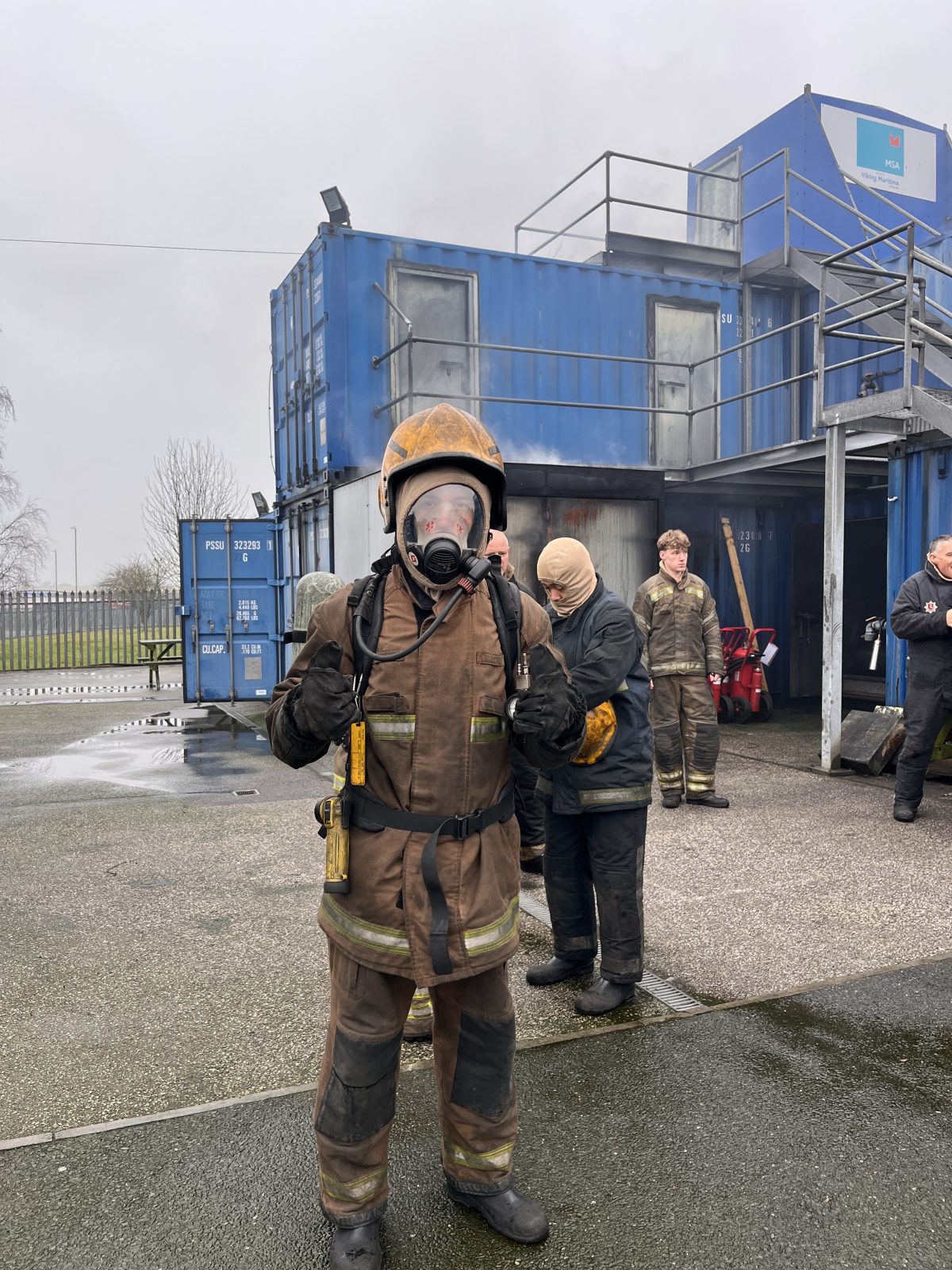
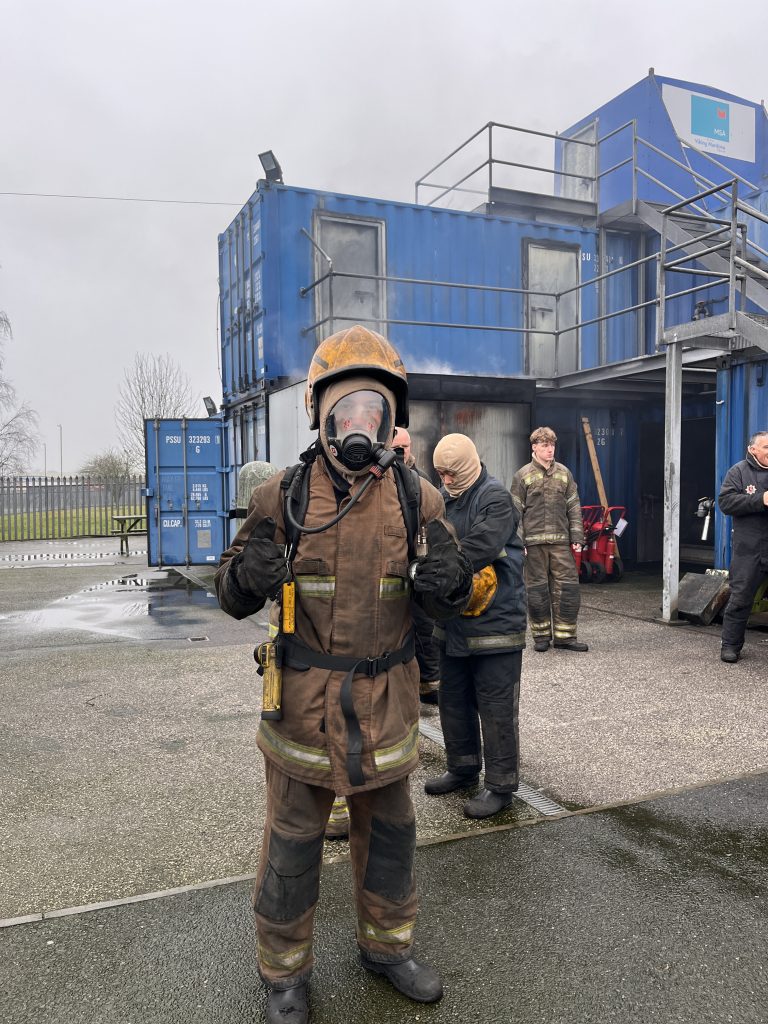
Finn stood in full fire fighting PPE with a helmet and breathing apparatus with his thumbs up to the camera as part of his 4-part STCW Basic Safety Training

What inspired you to book training courses at the MSA?

I’ve always been in love with football, but sometimes you do have to move on. This course will open up opportunities for me to travel and explore. I think it’s important to look at what else is out there, and when there are opportunities to do things like this, you have to do them.

Which element of the week did you enjoy the most?

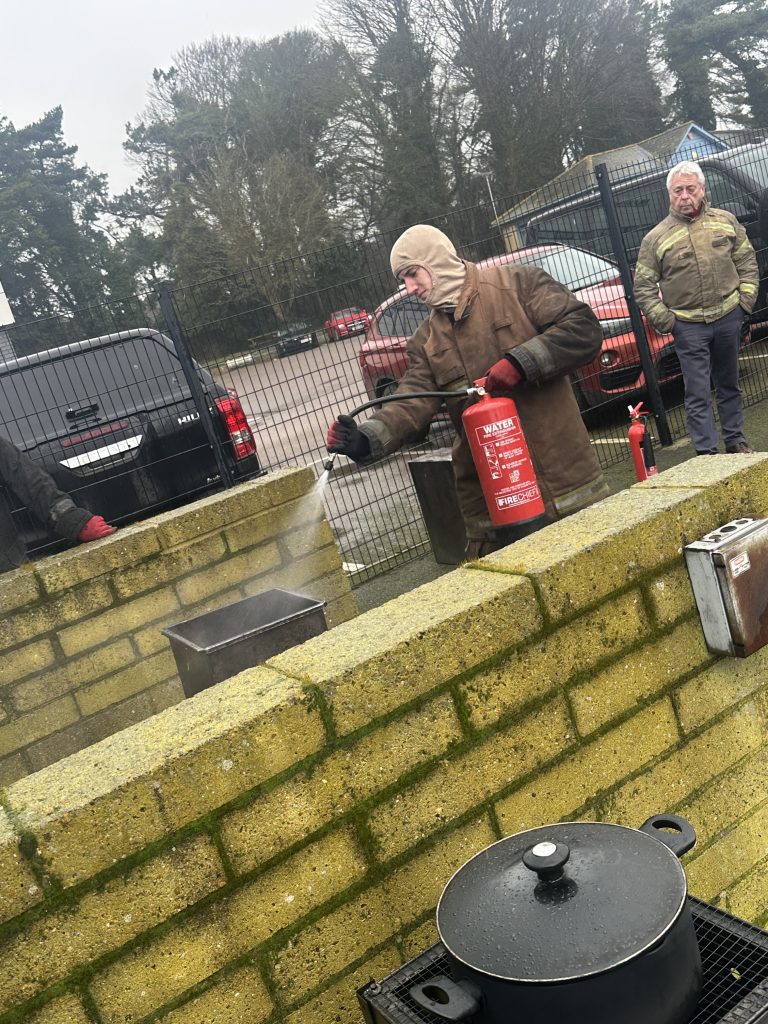
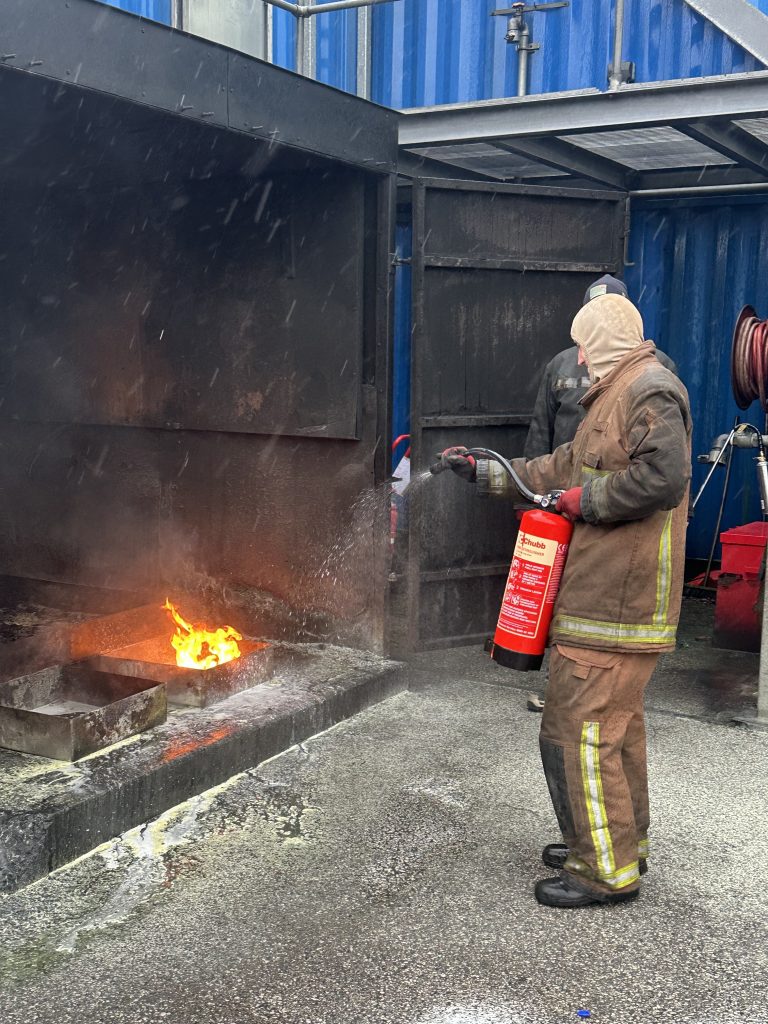
My favourite element was the second day of Fire Prevention and Firefighting. I’d never done anything like that before, and although you don’t know what you’re doing, you’ve got people around you who will make sure that you do know what you’re doing.

We were fully fitted in PPE with a breathing apparatus set and oxygen cylinder that we carried on our backs while we worked together as a team to identify a casualty and safely carry them out of the container. That was my favourite day.

The staff and instructors’ help made the experience enjoyable because it didn’t seem like a training course. I looked forward to each day as they were each a proper experience.

Has your experience at the MSA been different from what you expected?

I wasn’t expecting the fire procedures and classes to be as detailed as they were; I thought they [the courses] would be more theoretical than practical—experiencing real situations. All the practices in themselves were very detailed and realistic. Although you’re not at sea and in real firefighting situations, you are putting out actual fires in real-life scenarios.

Which skills have you gained from the 4-Part STCW Basic Safety Training?

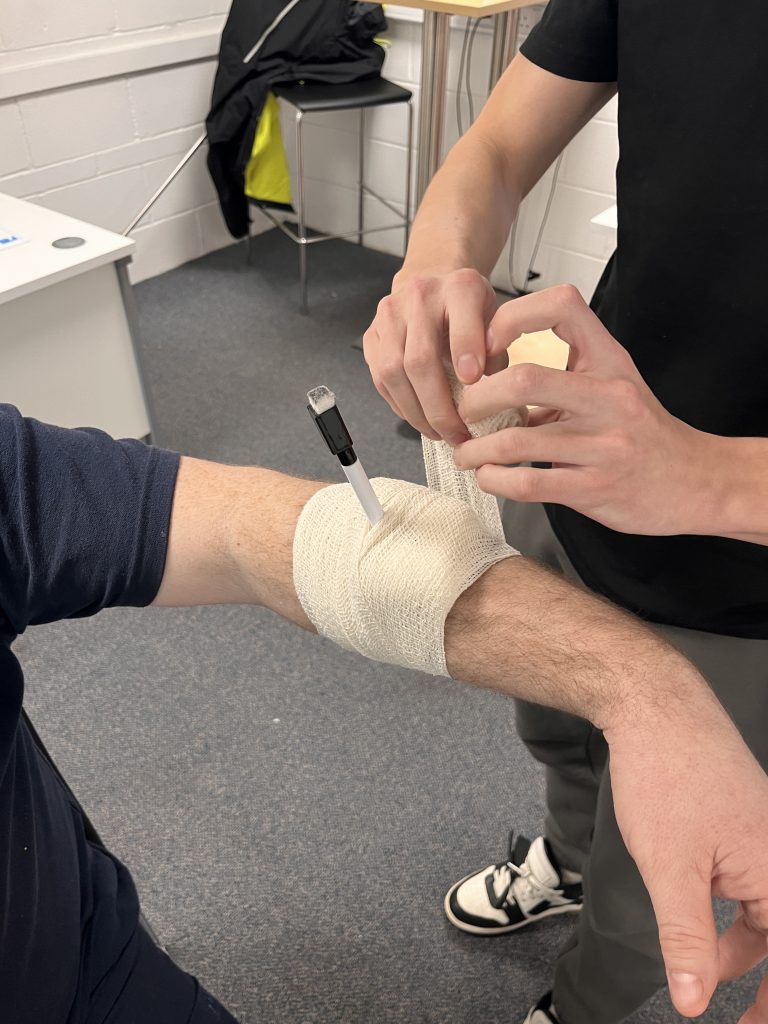
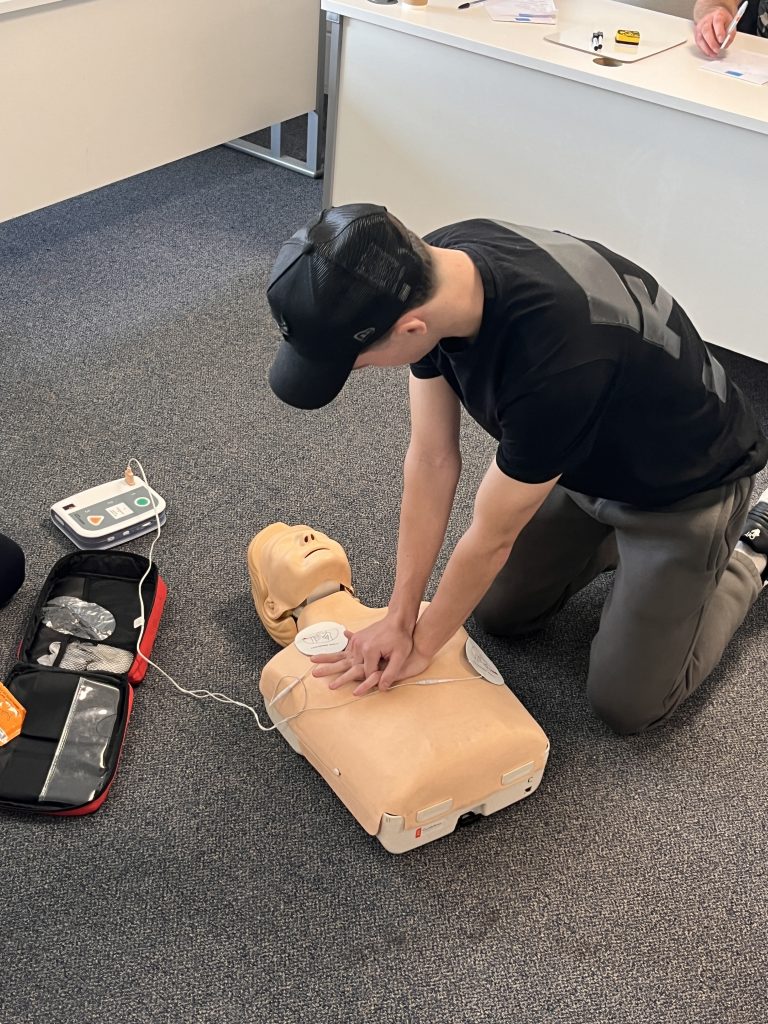
I’ve learnt skills for life, such as CPR, what to do if you go overboard, and how to treat a casualty choking or with an injury that needs bandaging.

If I hadn’t completed this course, I wouldn’t have had a clue how to help someone effectively. It’s nice to know that I can try to help [someone] if something were to happen.

Have the instructors helped make the training engaging and useful?

The mix of [the instructors’] personalities and how some of them used humour or their wisdom from experience to teach the course is engaging, as it’s not just reading course material off the board.

They’re demonstrating and explaining at the same time, going into exact detail about why you need to do this and why that happens. It’s good to say, “You need to do this to keep someone alive”, but the trainers explained why you need to do that to keep someone alive. As a result, you’re more engaged with it [the lessons] because you’re curious and want to learn more.

Can you share a specific moment where you felt you learned something valuable?

On day five (Elementary First Aid), learning CPR and how to use an AED (automated external defibrillator), you can use that in any scenario; it doesn’t just have to be on board.

I now feel more confident about performing CPR instead of just winging it. I would try and help, whereas I probably wouldn’t have before.

What’s been the most challenging part of your training? How did you overcome it?

It’s not to say everything this week was easy, but the workload in the practicals was a challenge. When you’re firefighting, it’s hot, and you’ve got a heavy cylinder on your back, but if I had gone in there without training, it would have been even more challenging.

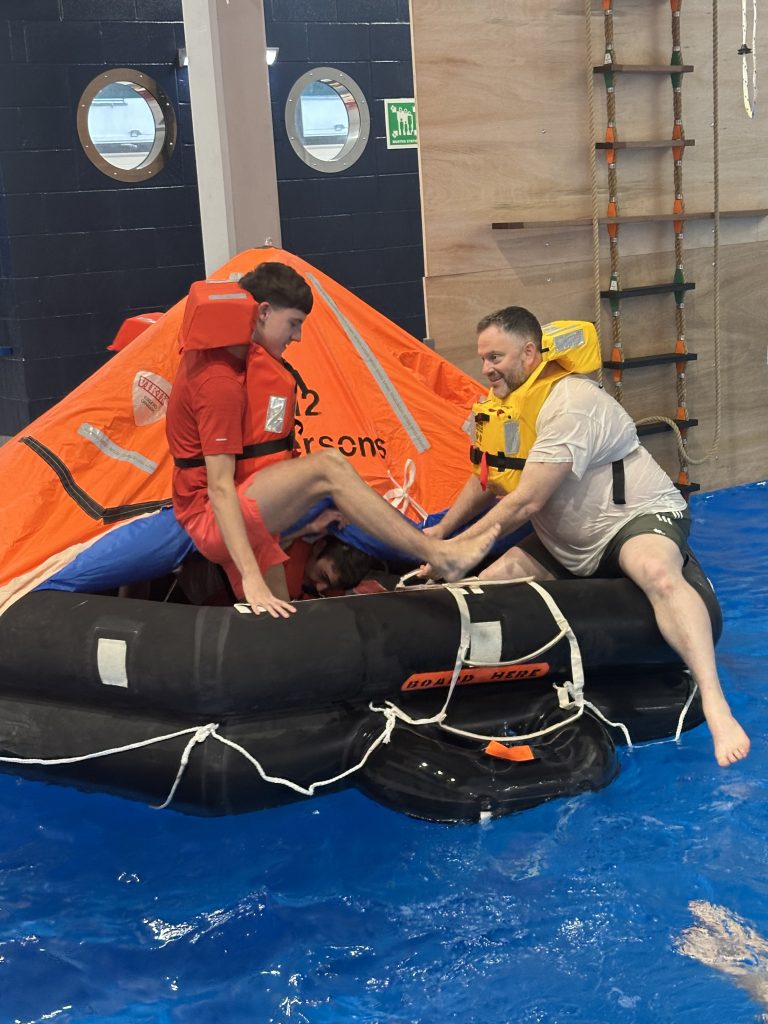
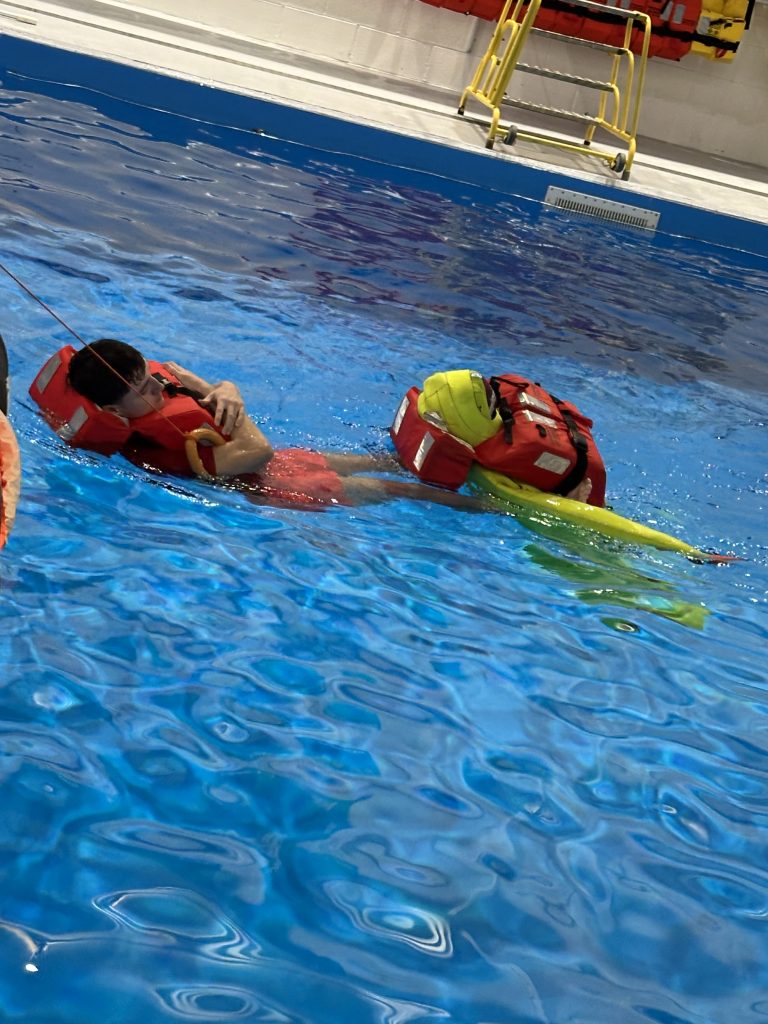
During the Personal Survival Techniques training course (PST), the physical side was more challenging, but we were taught how to do the exercises in the most effective way.

What role or career path are you hoping to pursue, having completed your training?

I love football, but I’ve got a big interest in this side of the world now and working at sea. I like the idea of working as a deckhand on a superyacht, and I’ve always wanted to travel — with a job like that, it’s a requirement. Although you are working, you’re also travelling the world, so you can’t really complain!

Would you recommend the MSA to others, and if so, why?

I’d definitely recommend the Maritime Skills Academy to others. A career at sea isn’t as well-known an option as it should be. I would never have known about the training needed to work at sea before six months ago, and my friends and family hadn’t considered a career at sea either, as I was explaining to them that I would be completing this course. However, I’d recommend it, and everything has been perfect. There hasn’t been anything that I thought could’ve been better. Everything went really well.

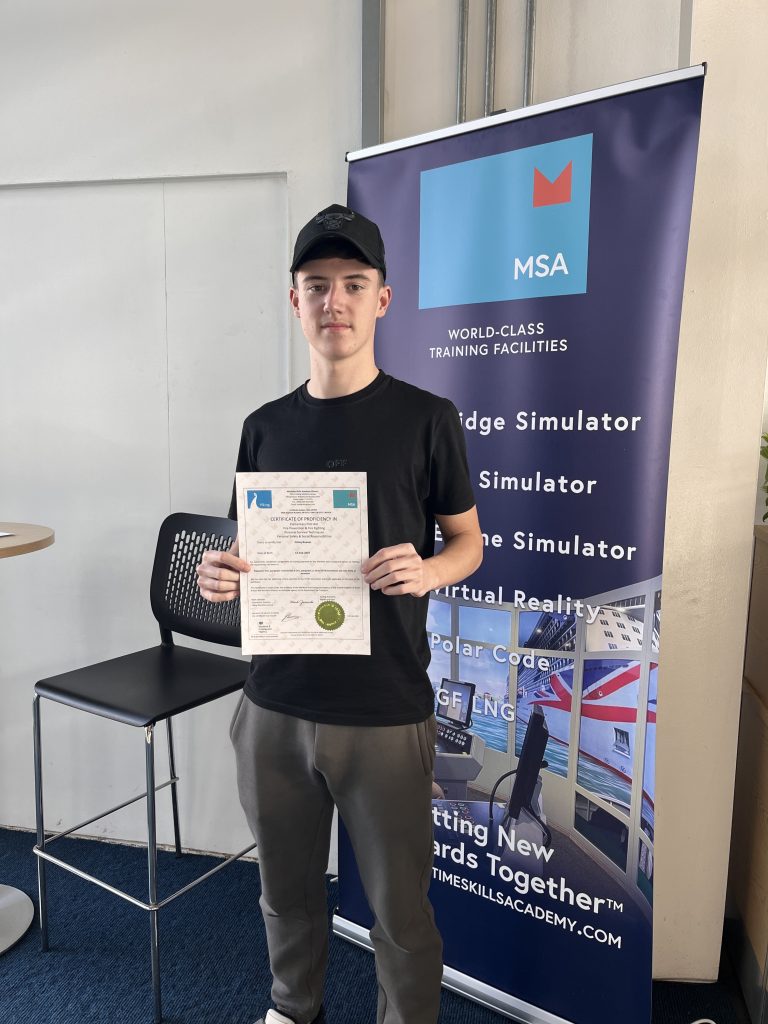
Delegate Finn Reeves stood holding his certificate after completing his STCW Basic Safety Training Week at MSA Dover
Finn stood proudly with his certificate after completing the STCW Basic Safety Course at MSA Dover

Maritime Safety Instructor Stuart Warters said of Finn’s experience at the MSA, “[He] took everything in and was always engaged with the courses. Finn demonstrated everything we needed him to do and by the end of the week, he had really improved in confidence.”

If you’ve completed one of our training courses, at either our Dover or Portsmouth facility and would like to leave some feedback or write about your experience, contact our team today at Marketing@vikingmaritime.co.uk