Maritime Damage Control | What Ship Owners and Operators Must Know to Stay Compliant

Why proactive training for maritime damage control is non-negotiable, and how the Maritime Skills Academy leads the way.

When a maritime emergency occurs, whether through collision, grounding, flooding, or structural failure, your crew’s ability to respond swiftly and effectively can determine the difference between a controlled incident and a catastrophic loss. Maritime damage control is not a best practice; it is a mandatory compliance requirement under international maritime regulation.

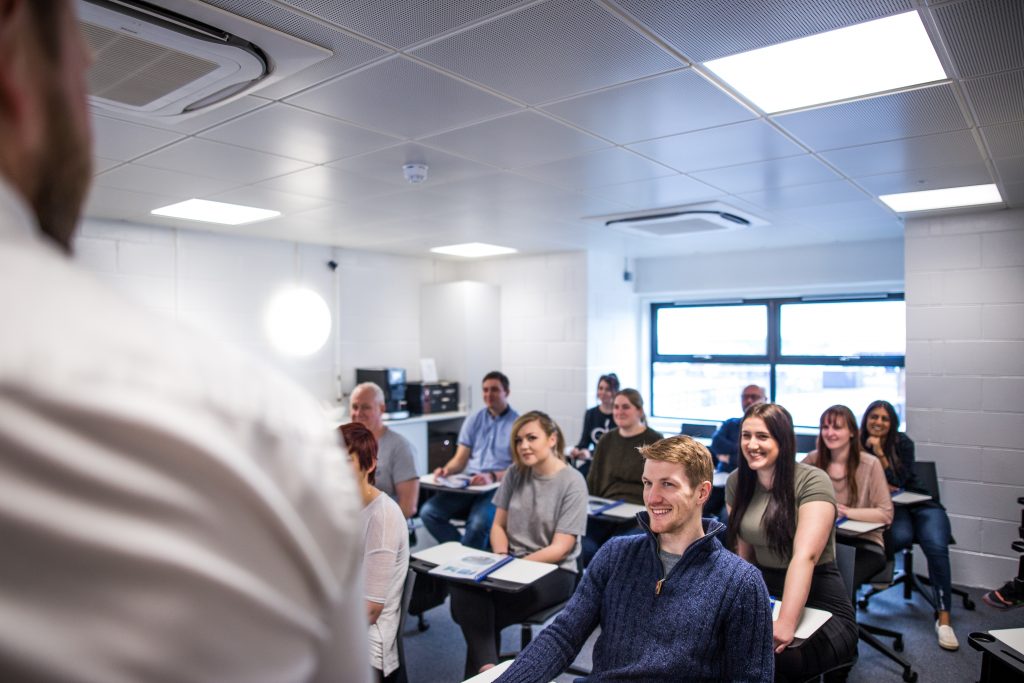
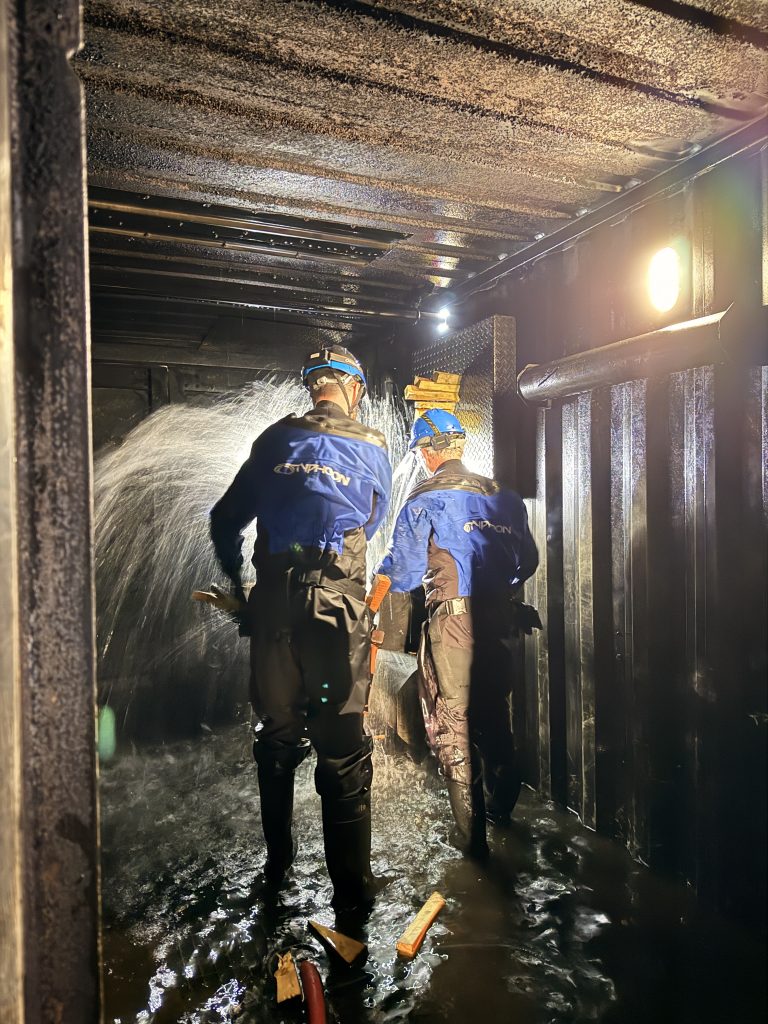
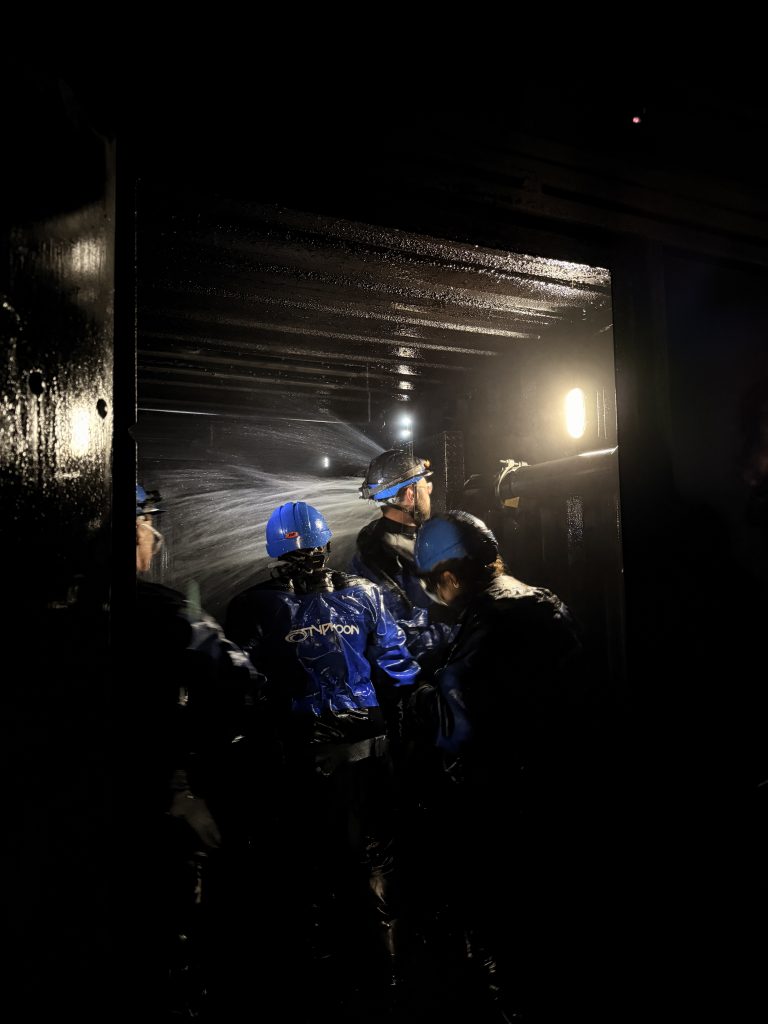
Maritime Damage Control Training at the Maritime Skills Academy in Kent.

For ship owners and operators, understanding these obligations is essential. Having the correct procedures, documentation, training and drill routines is an expectation of regulatory practice under the top governing bodies, SOLAS, STCW and the ISM Code.

And yet very few training organisations have the capability for facilities to deliver genuine, hands-on damage control training. In fact, the Maritime Skills Academy (MSA) is the only UK training provider that delivers a dedicated maritime damage control course, giving operators a unique opportunity to ensure full compliance while enhancing operational resilience.

Why Maritime Damage Control Matters More Than Ever

With international regulators tightening their expectations around emergency preparedness, passenger ships are required to conduct damage control drills every three months under new SOLAS updates. Each drill is designed to test crew responses to scenarios such as flooding, stability loss, or other structural emergencies. These drills must simulate varied conditions and require crew to operate key systems such as watertight doors, bilge pumps, cross-flooding systems, and flooding detection devices.

Additionally, at least one drill annually must include activation of shore-based support to validate communication systems and stability assessment protocols.

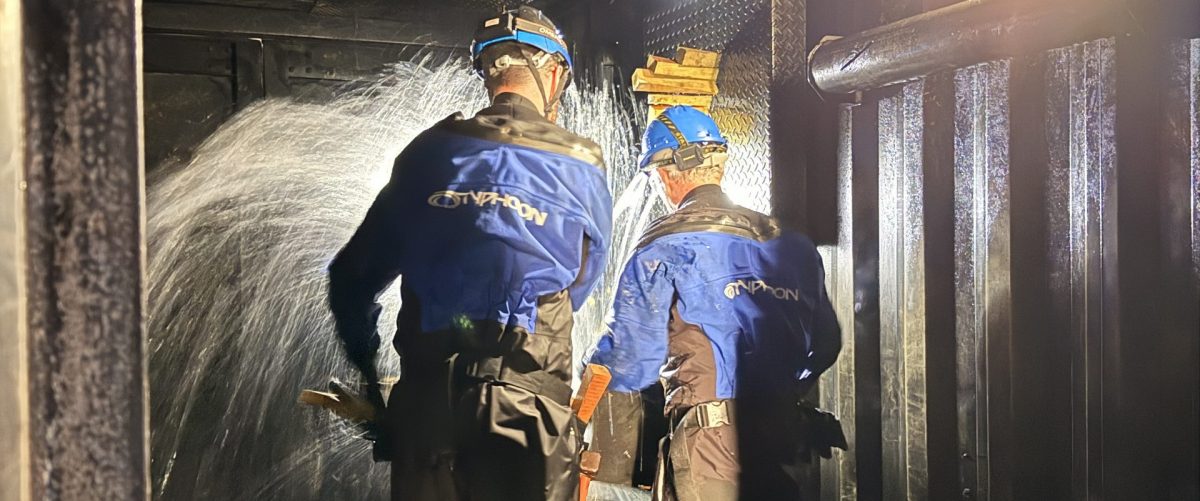
Maritime Damage Control Training at the Maritime Skills Academy in Kent. There are four crew members assessing a burst pipe with water spraying behind them.

Regulatory Requirements Every Owner and Operator Must Meet

No matter the vessel, safety implementation is there for a reason, and respected bodies of authority regulate the conditions of these vessels to ensure everyone is operating at a safe standard.

Authorities such as SOLAS, the ISM Code and STCW all stress the significance of regular drills and crew being thoroughly versed in emergency procedures. However, many operators struggle to maintain these expectations.

Despite clear regulatory expectations, these weaknesses can be, and regularly are, identified during flag-state inspections and ISM audits.

The most common pitfalls for operators are insufficient practical training, lack of realistic damage control situations, inconsistent drills, gaps in familiarity and audit findings.

How to close the Compliance Gap with Maritime Damage Control

As the UK’s only provider of dedicated maritime damage control training, the maritime Skills Academy offers an unparalleled service to ship owners and operators seeking to meet their regulatory obligations and enhance real-world readiness.

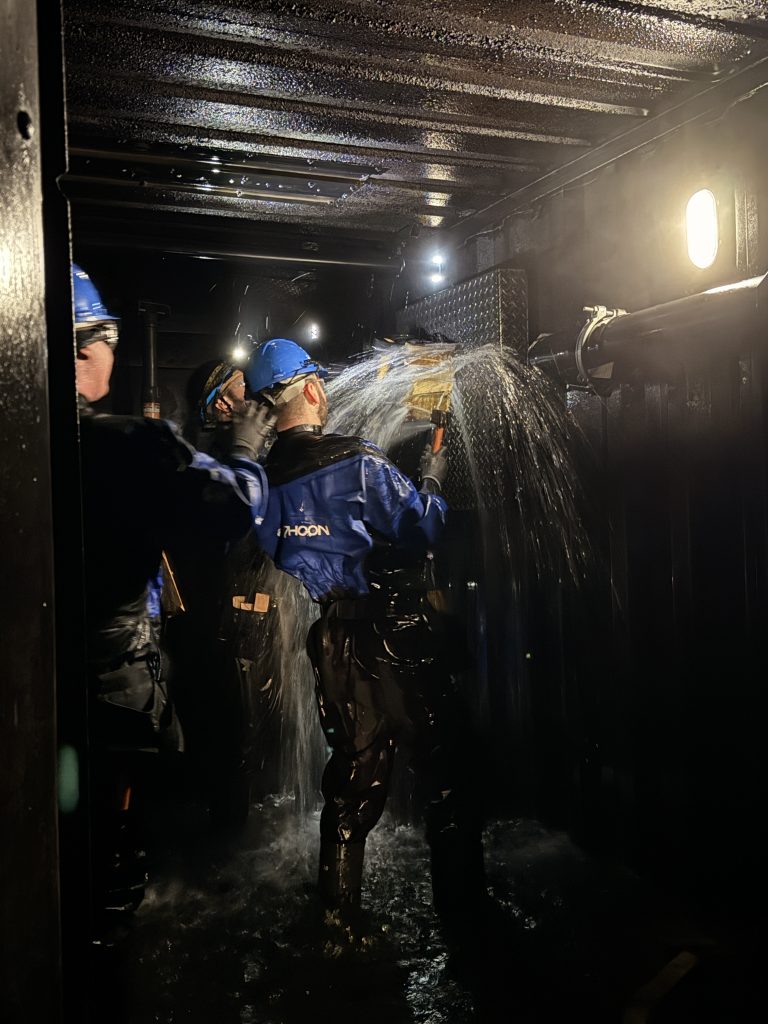
Our maritime damage control training course allows crew to train in realistic, controlled flooding environments, operate live bilge systems and watertight closure, practice flood containment with dewatering techniques, patching and shoring.

By recreating the high-stress environment under the guidance of our skilled instructors, crew are able to put their classroom learning into practice which is essential for real-world capability, bridging the gap between drills and emergencies.

Maritime Damage Control Training at the Maritime Skills Academy in Kent. The image is of the inside of a container, posing as the interior of a ship's engine room that might experience a burst pipe or rupture. There are three crew members trying to stop the water flowing through a burst with wooden blocks.

Strengthen your compliance with the Maritime Skills Academy

Ship owners and operators carry the ultimate responsibility for ensuring their vessels and crew can withstand the unexpected. Strengthen your compliance. Strengthen your crew. Strengthen your ship.

The Maritime skills Academy is ready to support you with the UK’s only comprehensive maritime damage control training solution.

Navigating the Future of Polar Shipping – Insights from the 2025 Polar Maritime Seminar

Supporting Safer Polar Shipping 

In January 2025, over 200 delegates from nearly 100 countries and organisations gathered at the IMO Headquarters in London for the Polar Maritime Seminar, co-sponsored by the International Maritime Organization (IMO) and Norway’s Chairship of the Arctic Council, in cooperation with the Protection of the Arctic Marine Environment (PAME) Working Group. 

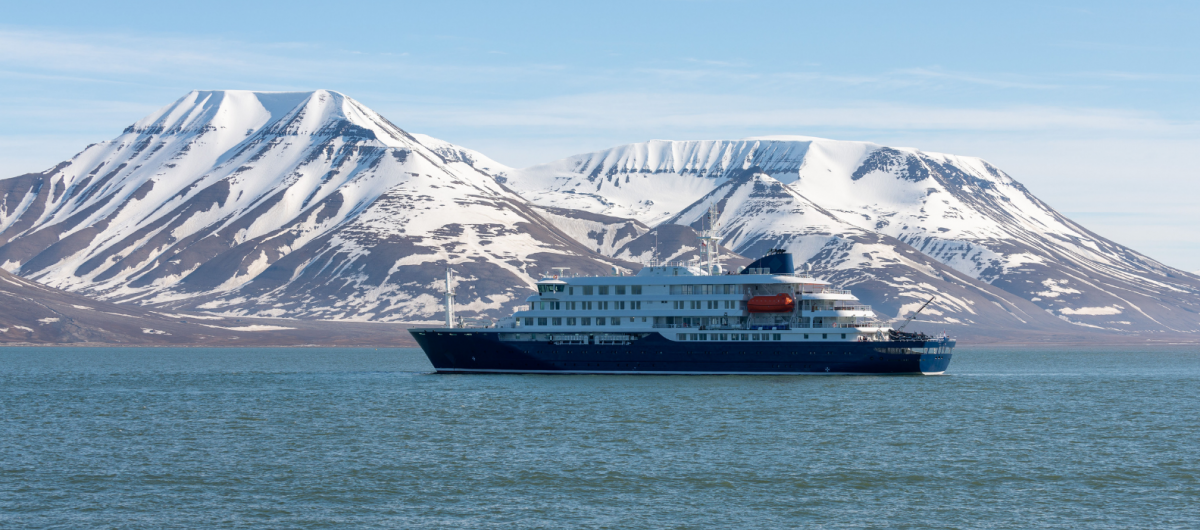
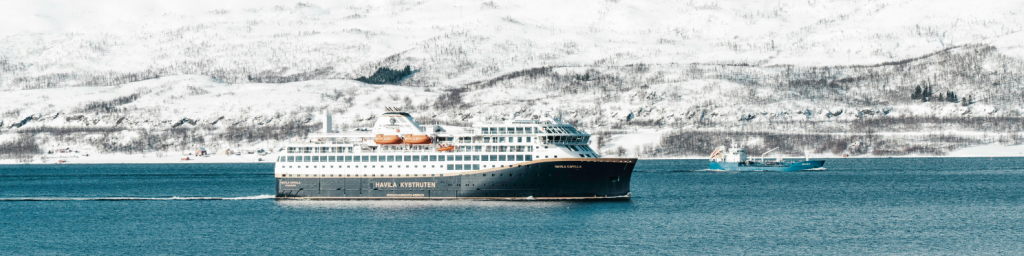
Ship operating in Polar Shipping Region

This significant event marked a key moment in the global conversation around polar maritime operations, uniting regulators, researchers, operators, and Indigenous representatives to address the increasing complexities of shipping in the Arctic and Antarctic. 

Themes and Outcomes of the Polar Maritime Seminar 

1. Trends in Polar Shipping and Vessel Activity 

During the event, experts presented data showing a steady rise in Arctic and Antarctic traffic, driven by tourism, resource access, and scientific missions. The Arctic Ship Traffic Data (ASTD) project highlighted the need for improved monitoring and transparency to track pollutants emitted and promote a more sustainable method of traffic so as not to disrupt sensitive ecosystems.  

2. Voyage Planning and Risk Management 

With dedicated sessions on the importance of real-time data, satellite support, and proactive planning, the POLARIS risk indexing system was reviewed as a tool to help operators assess ice conditions and make safer routing decisions.  

3. Search and Rescue (SAR) Challenges 

Due to limited infrastructure in polar regions, SAR capabilities still remain a concern. Case studies, including the Northguider grounding, underscored the need for international collaboration and contingency planning.  

4. Training and Competence Development 

The seminar emphasised the importance of STCW polar modules and advanced simulation-based training. Speakers from the IMO, Norwegian Maritime Authority, and industry leaders discussed how to enhance crew readiness for polar conditions.  

At the Maritime Skills Academy, training and competence development are at the heart of our deliverables. As the only MCA-approved, Polar Code Training centre in the world, our expertise and knowledge have seen many pass their Basic and Advanced courses, making the waters safer one vessel at a time.  

5. Environmental Protection and Emissions 

As a population, we should be making more of an effort to reduce our emissions and plastics that are harming the environment. The shipping industry alone accounts for approximately 3% of global carbon dioxide emissions, and contributes to other concerns such as oil spills and noise pollution that affect marine life. The seminar raised all the above points, touching on the plastic pollution from fisheries, which is also a significant contributor to environmental disruption.  

Cruise ship operating in ice

As a result, the decision was made to strengthen the Polar Code and expand emission control measures, especially in light of the Arctic’s accelerated warming. 

6. Fishing Vessel Safety 

The summit concluded with a decision to approve the Cape Town Agreement, establishing minimum safety standards for fishing vessels— a critical issue given their increasing presence in polar waters. 

A Collaborative Path Forward 

Speakers, including Ms Heike Deggim (IMO) and Ms Siv Christin Gaalaas (Norwegian Ministry of Trade, Industry and Fisheries), stressed the importance of balancing opportunity with responsibility. The seminar reinforced that safe and sustainable polar shipping requires: 

  • Strong international cooperation 
  • Continuous regulatory evolution 
  • Investment in training and technology 
  • Respect for Indigenous knowledge and ecosystems 

The 2025 Polar Maritime Seminar sets the tone for the challenges and opportunities ahead. As we move into the winter season and more discussions on polar operations, we’ll explore how these themes translate into real-world practices from training and compliance to innovation and climate resilience. 

The Maritime Skills Academy hopes that by raising awareness of these issues and providing essential training to crew, we can help Set New Standards Together in the maritime industry.  

Marine Evacuation Systems (MES): Safety at Sea 

In the maritime industry, evacuation and safety systems are vital in the event of an emergency. Arguably, none are as critical as the Marine Evacuation System (MES). Saving countless lives year on year, MES systems are designed to be utilised on large vessels, carrying thousands of passengers.  

For this reason, it is imperative that crew should be properly trained and able to guide passengers through the various marine evacuation systems available on board.  

At the Maritime Skills Academy, our hands-on training prepares crew for onboard emergencies with two industry-leading technologies, Brude and VIKING LSE.  

What is a Marine Evacuation System (MES)? 

Marine Evacuation Systems (MES) are inflatable evacuation systems that allow for quick and controlled descent from a ship into life rafts. The most common type of MES is the chute-based system, which connects the ship to life rafts via a vertical or inclined inflatable chute. 

These systems are designed to deploy within minutes and accommodate large numbers of people efficiently, even in challenging sea conditions. 

Why Are MES Used on Ships? 

MES are used on large passenger vessels, mainly due to the majority of people onboard not being trained or prepared for emergencies. These are optimal for their general ease of use and efficiency in evacuating passengers quickly.  

Fastest Marine Evacuation Solution  

In the event of a fire, collision, sinking, or any situation where all on board will be required to abandon ship, an MES system is the fastest solution.  With multiple MES chutes installed onboard, multiple evacuations can take place simultaneously.  

Ease of use 

Marine Evacuation Systems are very straightforward to use. This means that passengers can descend calmly, leaving enough time for crew to follow suit. The MES will also offer a controlled descent, allowing evacuees to determine their pace, reducing overall stress.  

Independent Operation  

If a vessel is in an emergency situation that has caused power outages or poses a danger if power is used, the ideal evacuation system will be independent from the ship’s electrical operations. MES systems are manually deployed by a specialised, dedicated crew, which means they can be used in almost any emergency event. 

MES SOLAS regulations 

To ensure international safety standards are met, every passenger vessel must harbour a Marine Evacuation System onboard, that has been inspected within the last six years. Crew are also required to be trained in the operation of the Marine Evacuation System they have on board their vessel, which will most likely be a VIKING or Brude system. 

Types of Ships That Use MES 

MES are typically found on passenger ferries, cruise ships, Ro-Ro vessels, highspeed crafts and offshore installations. 

VIKING LSE Marine Evacuation System entrance

These vessels often carry hundreds or thousands of passengers and crew, making fast and efficient evacuation systems essential. 

Benefits of MES Chutes 

Speed 

Marine Evacuation Systems can deploy and be ready for use in under 90 seconds which makes them the perfect solution for onboard emergency and mass evacuation.  

Capacity 

Some Marine Evacuation Systems can evacuate over 600 people in 30 minutes. For ferries and cruise ships, this is a significant benefit, as they transport a large number of people.  

Safety 

Lifeboat launches can be unpleasant, uncomfortable and in worst case scenarios, fatal. MES Chutes are a safer, easier solution that can provide a smooth evacuation for all, even without experience. 

Compact storage 

MES systems are small and compact. Taking up significantly less room than lifeboats or davit storage. They are also easy to deploy by comparison, making for a more pleasant environment especially onboard cruise ships, where passengers are expecting luxury.  

Training at Maritime Skills Academy (MSA) 

At the Maritime Skills Academy, our Marine Evacuation System training is designed to prepare crew for emergency evacuations. Teaching not only how to depart the vessel themselves, but how to encourage and explain the process to peers. Community and teamwork are essential in an onboard emergency and crew will be required to guide passengers through the evacuation scenario, should it occur.  

Delegate training at the top of Brude Marine Evacuation System
Delegate training at the top of Viking LSE Marine Evacuation System

Why Choose MSA for MES Training? 

At the Maritime Skills Academy, our expert instructors provide training in accredited courses for both MES systems mentioned in this piece. Simulating real-world scenarios and guiding delegates through their descent.  

Contact us to find out how we can help your crew with MES training