Bespoke Operational Firefighting Training at the Maritime Skills Academy

Fire onboard a ship is one of the most dangerous emergencies crew can face. It threatens lives, disrupts operations, and can cause catastrophic damage to the vessel and the environment. This is why comprehensive and realistic firefighting training is crucial for all seafarers. The Maritime Skills Academy (MSA) has world-renowned training centres that equip maritime professionals with the skills and confidence to tackle fire-related emergencies effectively. In this blog, we’ll explore the importance of Operational Firefighting training and how the MSA prepares its delegates for this critical aspect of maritime safety.

Understanding the Risk of Firefighting at Sea

The enclosed environment of a ship, the presence of combustible materials, and the potential for rapid fire spread make firefighting at sea uniquely challenging. Unlike on land, seafarers cannot rely on immediate external help; they must be self-reliant and capable of containing and extinguishing fires. This necessitates rigorous training to ensure every crew member can respond swiftly and effectively to a fire emergency.

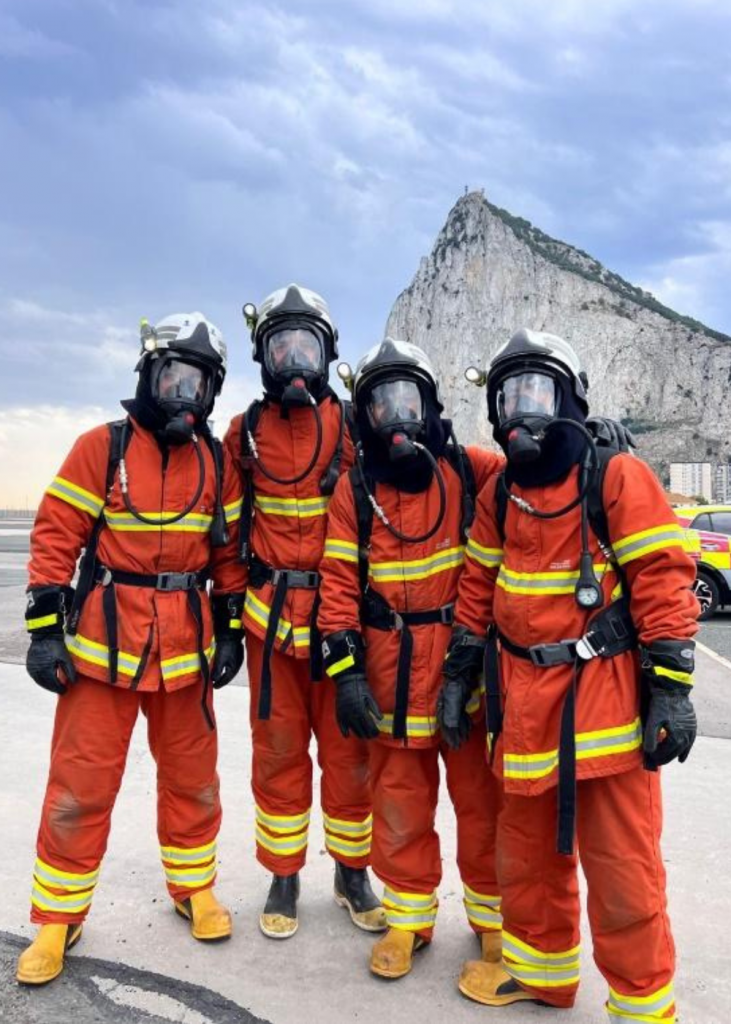
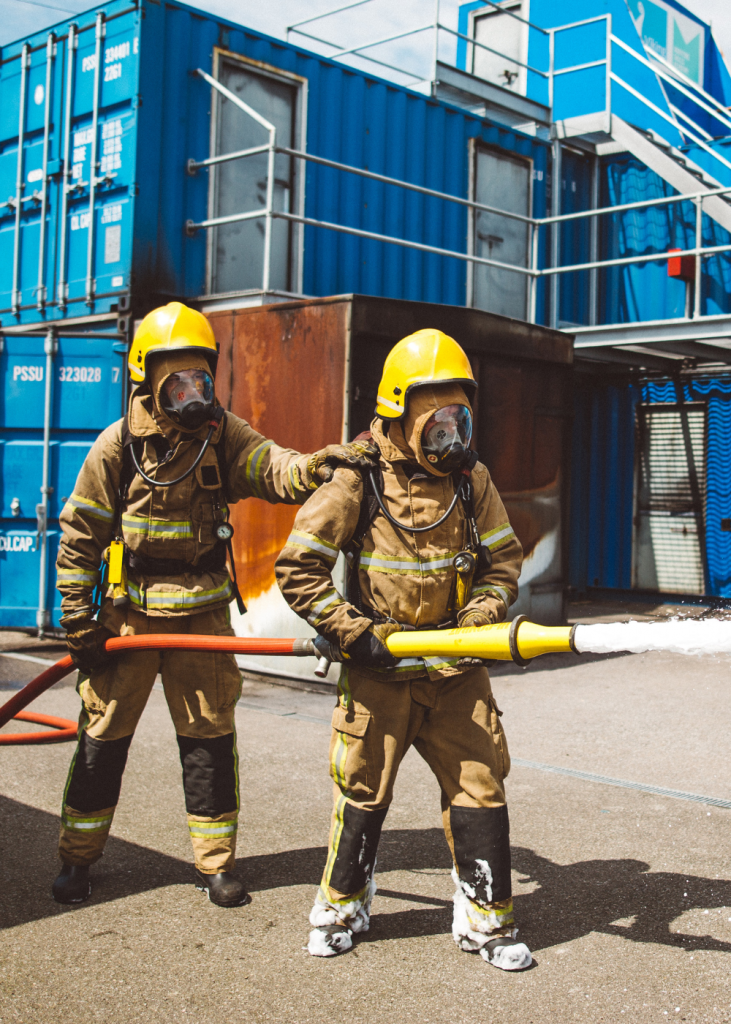
Operational FireFighting at MSA Gibraltar | Bespoke

The Importance of Teamwork and Communication

Effective firefighting at sea is not just about individual skill; it’s about teamwork and communication. The confined and hazardous environment of a ship requires all crew members to work in harmony, follow procedures, and maintain clear communication. MSA’s training emphasises these aspects, ensuring that delegates are proficient in firefighting and capable of working as part of a cohesive team.

The Maritime Skills Academy’s Approach to Operational FireFighting

The MSA offers an Operational Fire Fighting training programme completely tailored to incorporate a vessel’s safety management system and emergency response procedures. A full consultation is carried out before training to ensure a beyond-compliance training programme is delivered specific to the client’s needs.

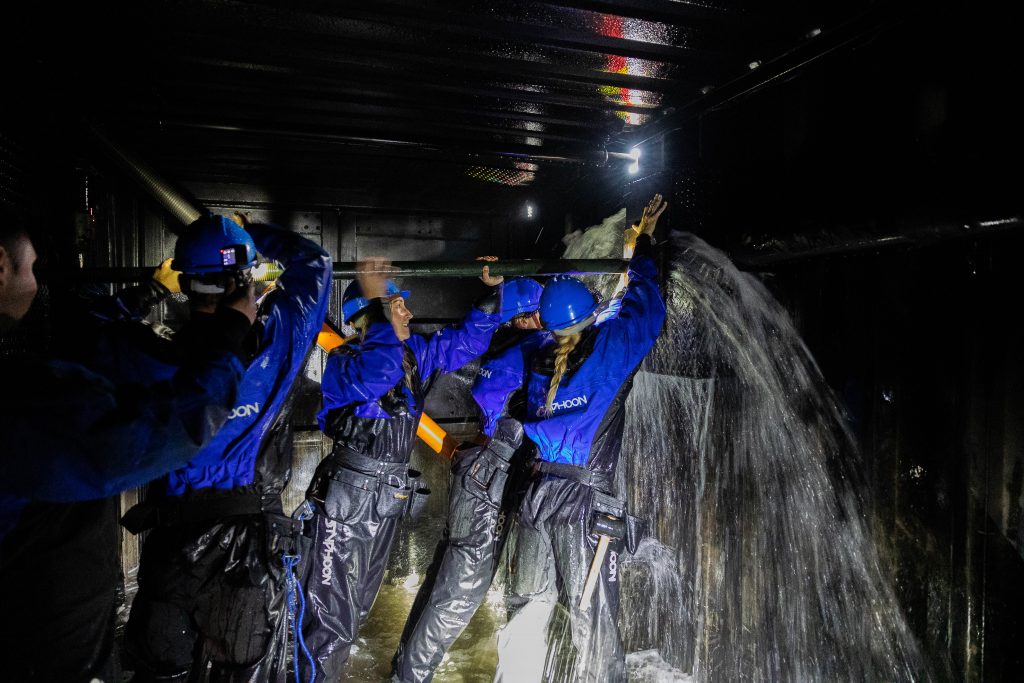
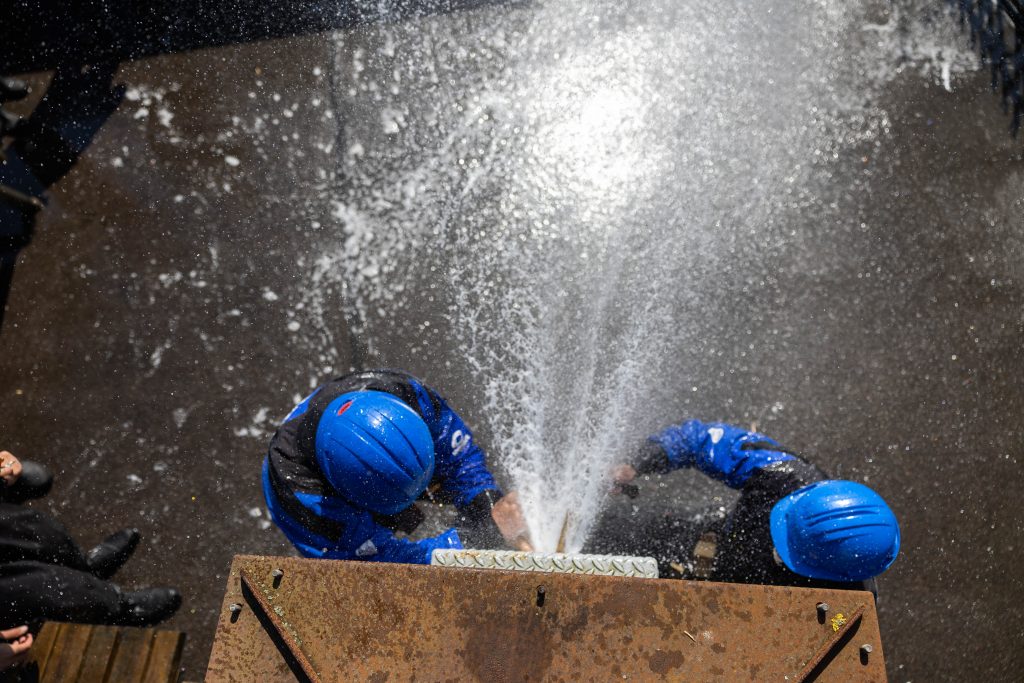
The training is hands-on, with fire teams being exposed to highly realistic fire scenarios, helping them develop the skills to make fact-based decisions on the front line, while enhancing their communication abilities.

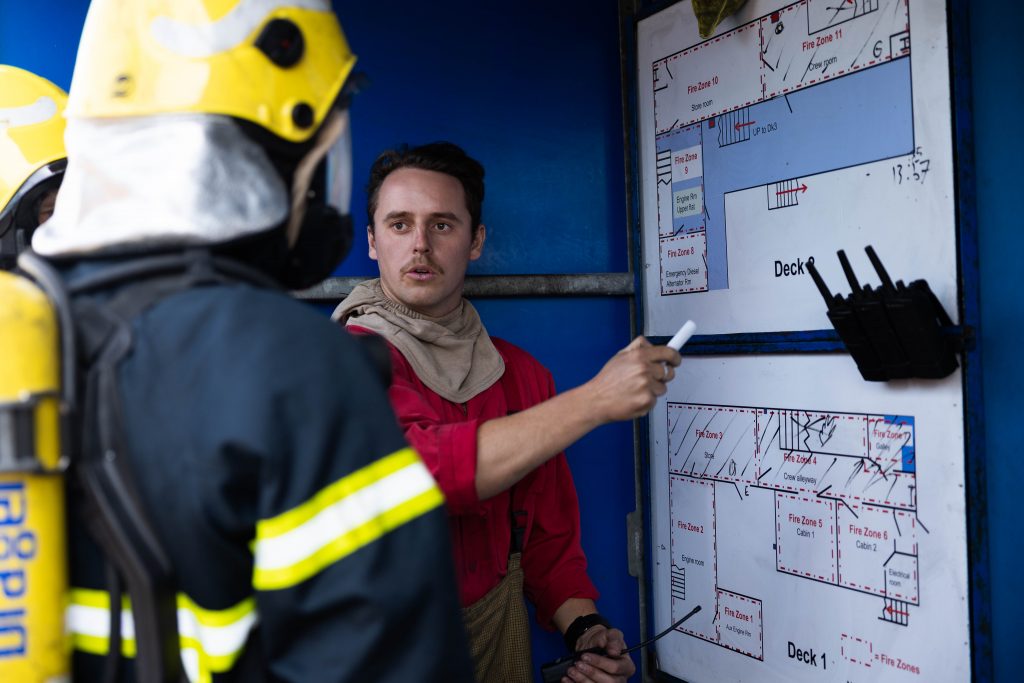
Senior Officers are invited to participate, focusing on command and control and delivering clear and effective briefings and debriefings to the teams. This is the ideal environment to learn from mistakes, with expert instructors providing guidance at every stage.

Crew will gain greater confidence with both their equipment and procedures, leading to faster response times in real-life situations on board.

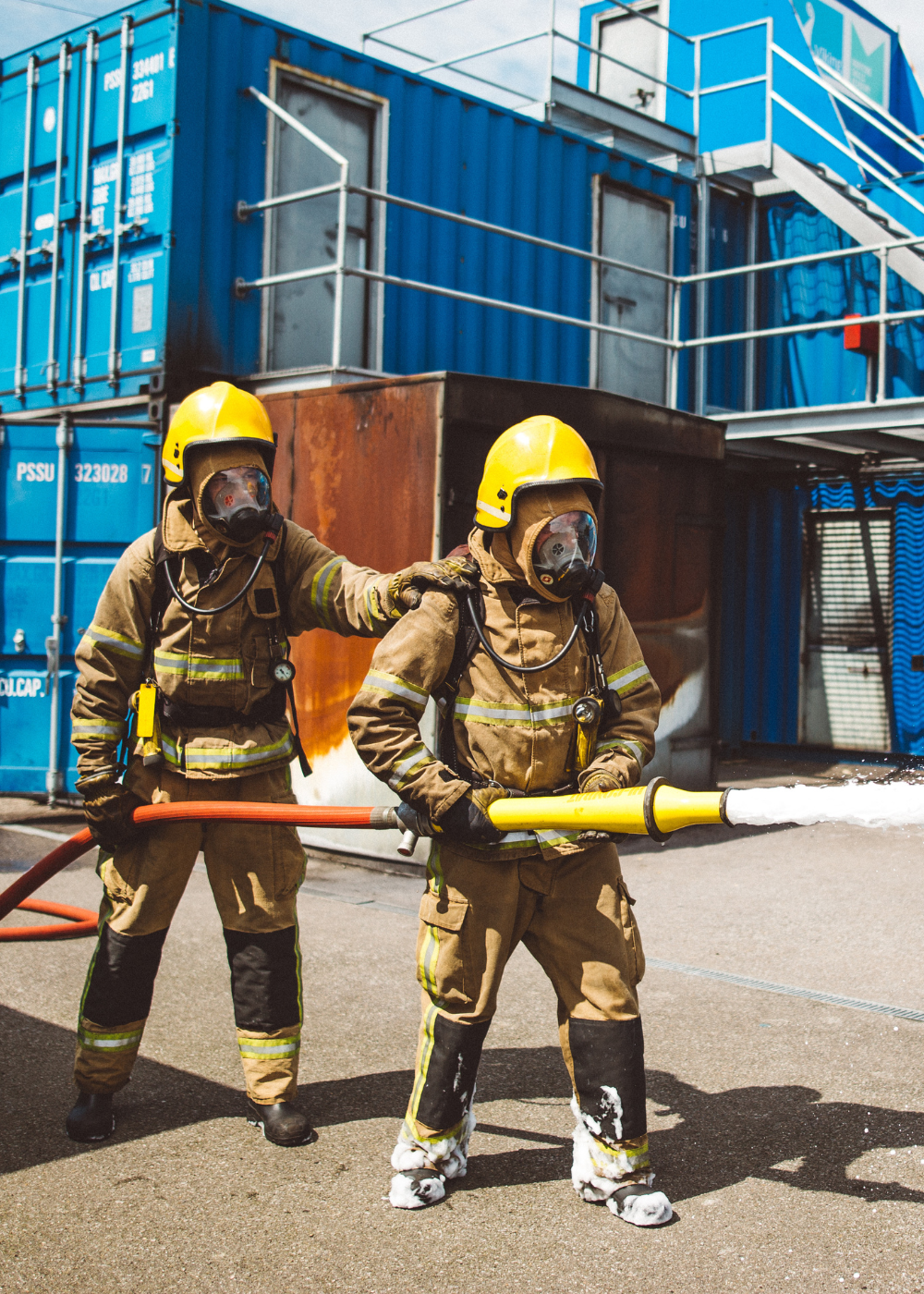
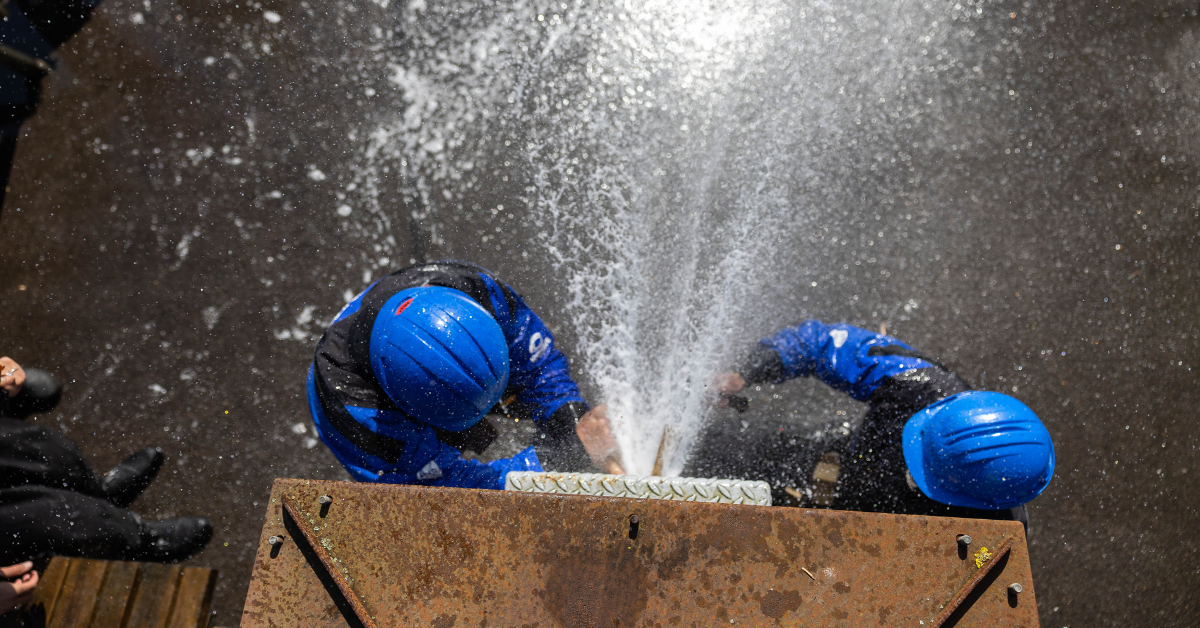
Operatational Fire Fighting training at MSA Dover

The training is immersive, simulating real-life conditions, including various scenarios, such as engine room fires, accommodation fires, and galley fires. These setups provide a realistic setting for delegates to practice using firefighting equipment, handling smoke and heat, and navigating confined spaces.

Operational Firefighting training at the Maritime Skills Academy is critical to maritime safety. It prepares seafarers to tackle one of the most formidable challenges they may face at sea.

With its experienced instructors and realistic training scenarios, the MSA ensures that its delegates have the skills, knowledge, and confidence to protect themselves, their crewmates, and their vessels from the devastating impact of onboard fires. Investing in Operational FireFighting training in addition to mandatory STCW training is vital to ensure safety at sea.

Offering bespoke Operational Firefighting training from multiple locations, including Dover, Gibraltar, and the Philippines, makes the MSA accessible to many.

For more information on Operational Firefighting training, click here

Additional Fire Safety Courses Available at the Maritime Skills Academy:

•          STCW Fire Prevention & Fire Fighting Training Course (FPFF)

•          STCW Updated Proficiency in Fire Prevention & Fire Fighting Training Course (UFPFF)

•          STCW Advanced Fire Fighting Training Course (AFF)

•          STCW Updated Proficiency in Advanced Fire Fighting Training Course (UAFF)

Operational Firefighting training briefing

Viking Maritime Group Signs ISS Talent Pledge

10 September 2024, Fort Lauderdale, FL – The International Superyacht Society (ISS), a global leader representing the yachting industry, is proud to announce the launch of the ISS Talent Pledge.

This new initiative is designed to tackle the growing skills gap within the superyacht industry by encouraging its members to share knowledge, open doors, and provide opportunities for the next generation of professionals.

“Together, we have the power to address this critical challenge. By uniting our efforts, we can make a lasting impact on the future of our industry. We encourage all our members to take the first step today by signing our Talent Pledge.”

ISS President Erin Ackor states.

“With the Talent Pledge, we aim to encourage superyacht companies around the globe to attract and retain new talent in our industry.”

Abi McGrath, Chair of the ISS Talent Pledge, emphasizes.

As an international, not-for-profit organization, representing all sectors of the superyacht industry, the ISS is uniquely placed to spearhead this initiative. To facilitate real change, all aspects of the industry need to come together – our combined voice will amplify our individual efforts. Small changes lead to big positive
outcomes; together we can build a talent pipeline for tomorrow.

The ISS Talent Pledge Commitment

Each company that signs the pledge agrees to support the development of young talent within its organization by implementing at least one of the following actions:

Engage: Collective Action to Cocreate Talent

  • Actively participate in existing programs such as Junior Achievement’s Sea the World or the
  • programs offered by MIASF (or equivalent organizations).
  • Speak at local schools or universities about opportunities in the superyacht sector.
  • Create webinars promoting industry careers to reach a wider audience.

Quality Job Opportunities for New Talent

  • Create job openings at all levels within your company..
  • Develop strategies that enable less experienced but talented team members to learn from more seasoned professionals.

Work-Based Learning

  • Offer internships or apprenticeships.
  • Build a Continuous Professional Development program to educate younger/new team members at all levels within the organization.
  • Invite outside speakers to talk to your team.
  • Allocate a budget to enable rising stars to attend conferences and shows.

Career Paths

  • Implement career paths to encourage longevity within the industry.
  • Start a mentoring program.
  • Support crew members with transferable skill development for movement ashore and ensure crew onboard are aware of opportunities.

By signing the ISS Talent Pledge, companies can play an essential role in securing the future of the superyacht industry. Together, we can amplify our individual efforts and drive real change, creating a robust talent pipeline for the years to come.

Join the Movement

ISS members can sign up for the Talent Pledge at no cost and become part of this important initiative. We encourage all industry leaders to embrace this commitment and take action to ensure a bright future for our sector. To pledge your support, email info@superyachtsociety.org. For more information on the Pledge, and to see the full list of other pledges, visit the website here.

Approved Engine Course 1 (AEC) at the Maritime Skills Academy Dover: A Comprehensive Overview 

The maritime industry is a challenging field that requires highly skilled professionals to operate and maintain vessels’ complex systems. For aspiring marine engineers and those looking to advance their maritime career, the Approved Engine Course 1 (AEC) offered by the Maritime Skills Academy (MSA) Dover is an essential step toward achieving proficiency in engine room operations. 

Approved Engineer Course 1 | Maritime Skills Academy Dover

What is the Approved Engine Course 1 (AEC)? 

The Approved Engine Course 1 (AEC) is designed to provide a foundational understanding of marine engineering principles for those working on yachts, superyachts, and other maritime vessels.

The course is particularly tailored for deckhands, aspiring engineers, and anyone interested in gaining practical engine room knowledge and skills. Completing the AEC is often the first step for those looking to become qualified engineers in the maritime industry. 

Course Structure and Content 

Approved Engine Course 1: Introduction to Marine Engineering 

  • Basic Engineering Knowledge: Introduction to marine engineering principles, including studying engines, pumps, and auxiliary systems. 
  • Diesel Engine Operation: Understanding the operation and maintenance of diesel engines, focusing on their use in a marine environment. 
  • Safety and Emergency Procedures: Emphasis on safety protocols, the use of personal protective equipment (PPE), and emergency response procedures. 
  • Practical Workshop Sessions: Hands-on experience with engine components, including dismantling, inspecting, and reassembling parts. 
  • Electrical and Mechanical Systems: Basics of marine electrical, hydraulic, and other mechanical systems on board. 
Deckhand fixing engine on a yacht | Approved Engine Course 1 (AEC) at MSA Dover

Benefits of Taking the Approved Engine Course 1 (AEC)

  1. Career Advancement: Completing the AEC course is pertinent for anyone looking to advance their careers as engineers on yachts, superyachts, and other vessels. 
  1. Hands-On Experience: The course offers extensive hands-on training, which is important when learning to understand the complexities of engine room operations. 
  1. Flexible Learning: With a mix of classroom-based learning and practical workshop sessions, the course is designed to accommodate different learning styles. 
Marine engineer checking engine on Superyacht Z Approved Engine Course 1 (AEC) at the Maritime Skills Academy

Who Should Register? 

The Approved Engine Course is ideal for: 

  • Deckhands and junior crew members looking to expand their skills in marine engineering. 
  • Aspiring marine engineers seeking entry-level qualifications. 
  • Existing engineers wishing to refresh their knowledge or advance their qualifications. 
  • Those hoping to pursue a career in the superyacht industry. 

Why Choose the Maritime Skills Academy Dover? 

Located in Dover, the Maritime Skills Academy is a recognised leader in maritime training and education. The academy boasts state-of-the-art facilities and experienced instructors.

The course aligns with the standards set by the Maritime and Coastguard Agency (MCA), ensuring participants receive the highest-quality training that meets international maritime requirements. For those looking to build a career in the maritime industry, the AEC provides the essential skills and qualifications needed to succeed.

If you’re ready to take the next step in your maritime career, consider enrolling at the Maritime Skills Academy Dover. With its robust training programs and a reputation for excellence, it provides a solid foundation for a successful career at sea.