Seapeak Visits MSA Portsmouth’s World-Class Facilities

Seapeak is a global leader in the international maritime transportation of gas liquids, and it aims to lead the way in the transfer of energy and keep the world in motion.
The Maritime Skills Academy Portsmouth recently hosted these distinguished industry leaders, as they were on the search to identify a provider who could not only deliver world-class training but also utilise and incorporate Seapeak’s own policies and procedures and navigation handbook whilst simultaneously maintaining its purpose, values, and standards. 

After this recent evaluation, Seapeak’s Training and Recruitment Manager John Reid expressed his satisfaction with the training centre by writing the following glowing testimonial.

“The Maritime Skills Academy Portsmouth delivers all we requested and much more. From the moment you arrive at the Lakeside North Harbour building, you get the immediate feeling that this is a very professional set-up. From the outset, the message is that you are here to learn in a learning environment. The style of teaching ties in with the ambience and attitude of “let’s learn, and learn at your own pace” by building confidence first, and then moving on to enhancing skills and knowledge.

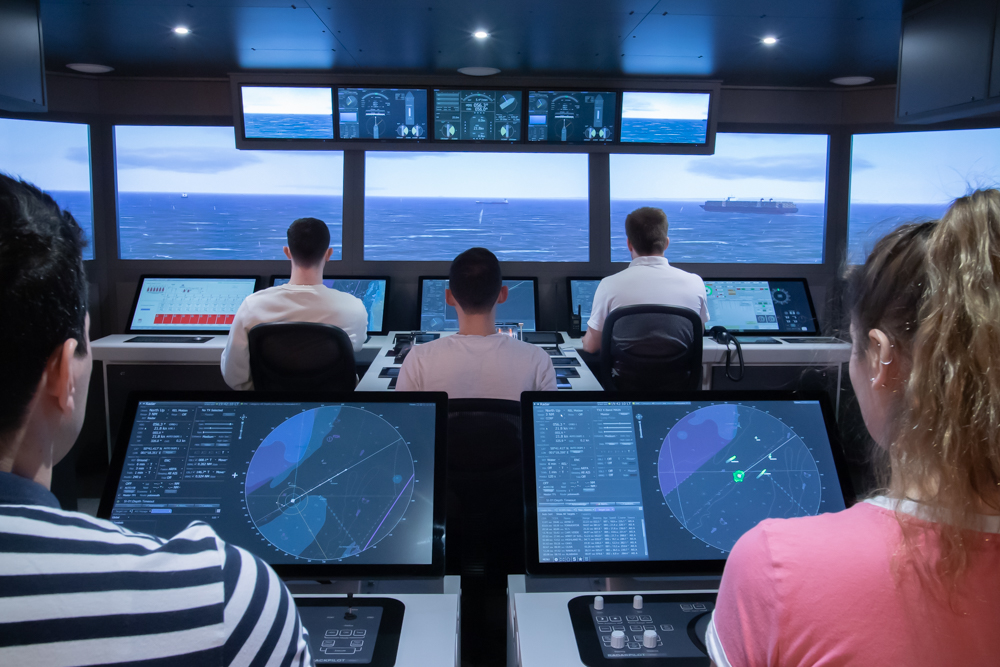
people at simulator controls

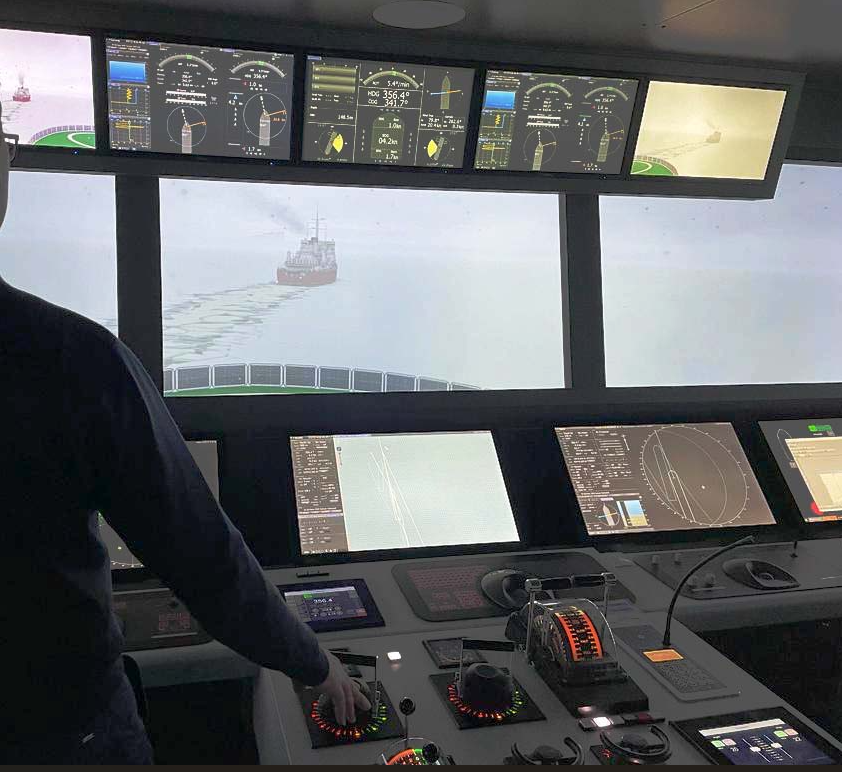
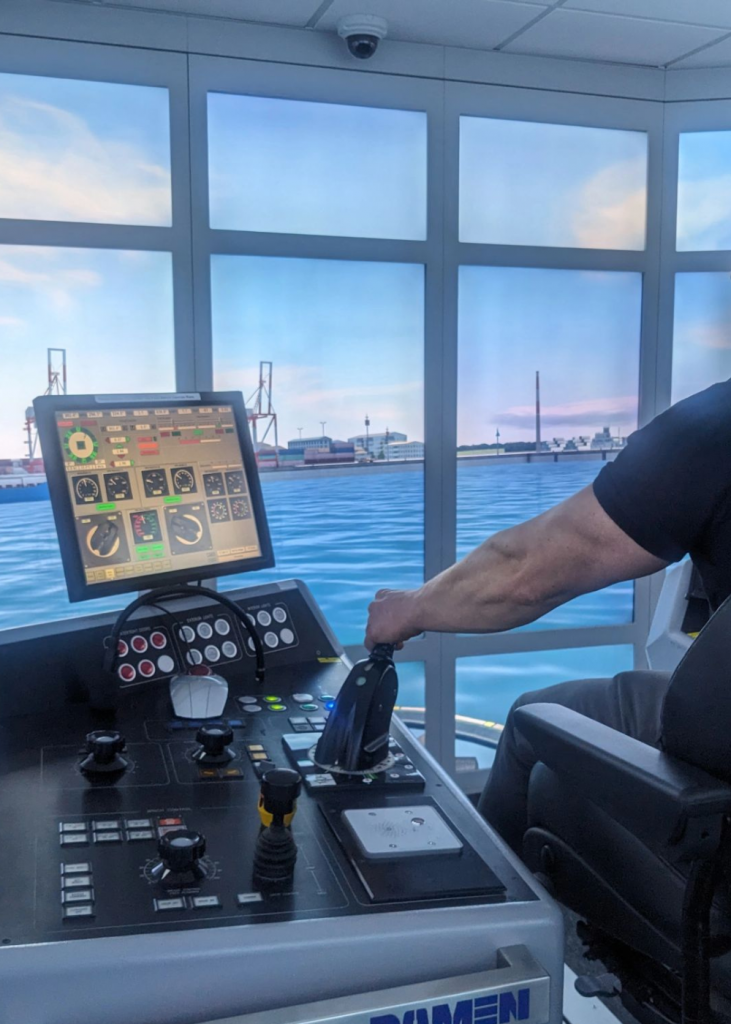
As well as several state-of-the-art bridge simulators, MSA Portsmouth has Engine Room Simulators (ERM), switchboards, High Voltage Simulator Training, ECDIS Training suites, classrooms, briefing rooms, and incredible recreation space for student breaks. All of which can be integrated for running multi-vessel or multi-departmental exercises or drills.
Another real plus (particularly for Seapeak) was for us to discover that the MSA also have the ability to run Basic and Advanced Polar Code courses.

All in all, the Maritime Skills Academy and their professional staff are running an elite training centre providing world-class training to the maritime industry. Seapeak are delighted to be working with them to ensure that our Officers are receiving a high level of training consistent with our Seapeak Values and Standards.” 

On behalf of the entire MSA Team, it was a pleasure to host John and his colleagues, and we are grateful for his kind words and complimentary testimonial.

If you’d like to arrange a visit to our facilities to see how the Maritime Skills Academy can support your maritime training needs, please get in touch below to schedule a visit. 

GET IN TOUCH
Schedule a visit

Mental Health First Aid Training for Staff at the Maritime Skills Academy

Viking Maritime Group Marketing and Communications Manager, Jade Jaenicke recently completed a two-day Mental Health First Aider training course as part of the company’s commitment to the well-being of all staff.

Here is an insight into the training from Jade’s perspective and her thoughts after having completed the course.

Becoming a Mental Health First Aider

In a world where conversations about mental health are becoming increasingly normalised, I recently took a step to contribute to this important dialogue by completing Mental Health First Aider training. Along with several of my colleagues at Viking Maritime Group, I spent two days equipping myself with the tools to recognise when others may need support and guidance if they are struggling with their mental health.

Why Choose Mental Health First Aid Training?

Mental health challenges are something many of us face, either personally or through those we care about. Yet, the stigma around discussing these struggles often silences people. I wanted to be part of breaking that cycle. While I often find myself a shoulder to lean on, I realised that having formal training could make my support more effective and informed.

What the Training Entailed

The training was structured to provide comprehensive knowledge and practical skills.

We began by debunking myths and deepening our understanding of common mental health issues like anxiety, depression, and stress. It was eye-opening to see how these issues manifest differently for everyone.

We learned to identify early signs of mental health challenges, ranging from subtle behavioural changes to more overt expressions of distress. Recognising these signs early can make a huge difference.

Much like physical first aid, mental health first aid focuses on immediate assistance. We practised listening non-judgmentally, offering reassurance, and providing information about professional help when needed.

A critical part of the training involved handling situations like panic attacks, suicidal thoughts, or acute anxiety episodes. Role-playing these scenarios was intense but crucial in building confidence for if a situation arises that we would need to deal with.

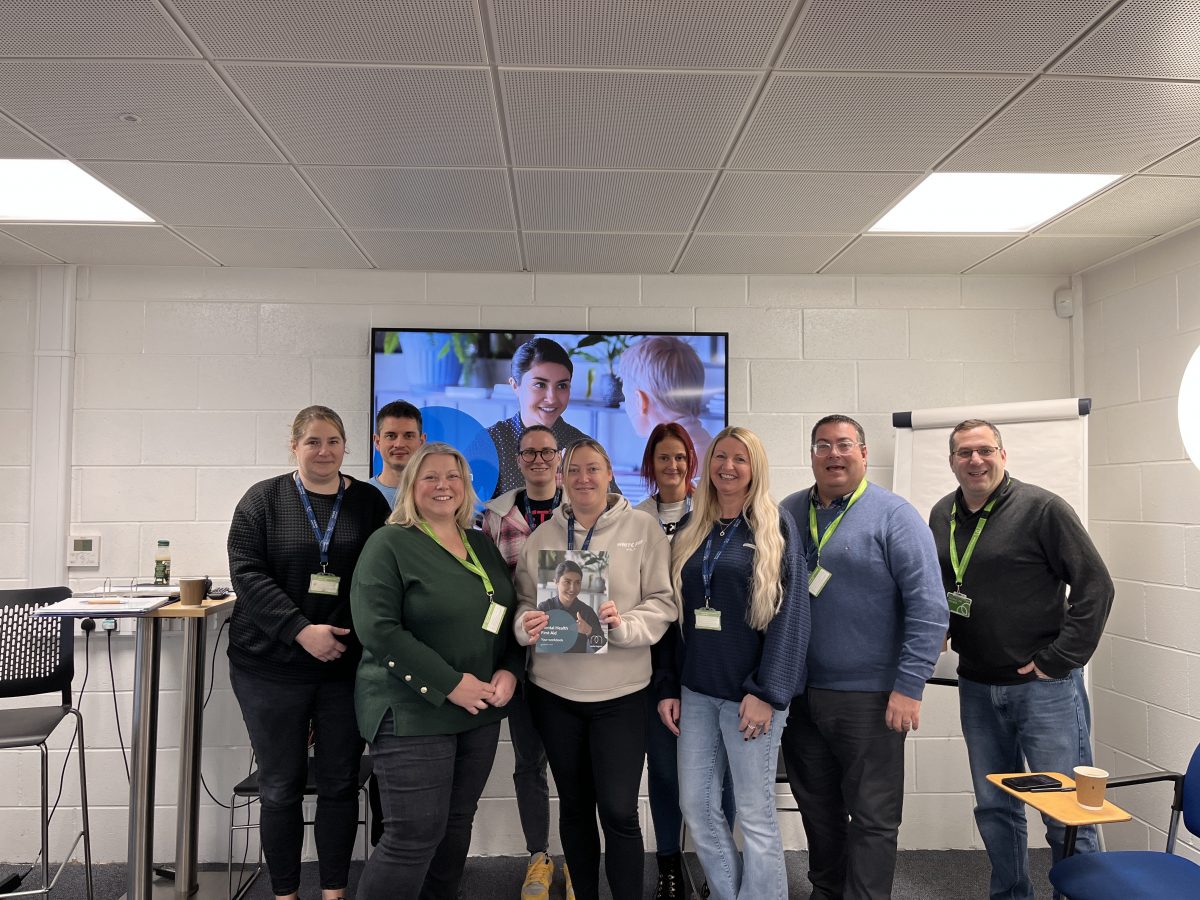
Image of Viking Maritime Group Managers stood together facing the camera | Mental Health First Aid Training
Jade pictured third from right

Personal Takeaways

The training reminded me that everyone’s story is unique. Rather than trying to “fix” someone, my role as a Mental Health First Aider is to create a safe space where the person feels heard and supported. I now have the skills, knowledge, and confidence to listen, support, and direct someone to where they can best source the relevant help.

Supporting others can be emotionally taxing, so we were taught the importance of maintaining our own mental well-being. This includes setting boundaries and seeking to help ourselves when needed, as well as ensuring we are practising self-care regularly, whether that be taking a long bath or going to the gym.

A kind word, an open ear, or simply showing up for someone can have a profound impact.

Since completing the training, I’ve started noticing how small changes in language and behaviour can make a big difference. Whether it’s at work, with friends, or even strangers, I feel more equipped to navigate conversations about mental health with confidence and compassion.

Becoming a Mental Health First Aider doesn’t mean I have all the answers. But it does mean I’m better prepared to guide someone to the help they need.

I encourage anyone considering Mental Health First Aider Training to sign up. Not only does it enhance your ability to help others, but it also strengthens your own understanding of mental health. Together, we can make a difference.

If you or someone you know if struggling, you can find helpful resources below:

https://www.mind.org.uk/information-support

https://mhfaengland.org/crisis-support

Or if you’d like to find out more and book a course to become accredited yourself, please click here: https://mhfaengland.org/

GWO Sea Survival Training in Partnership with Guardian Training 

The wind energy sector faces an increasing demand for GWO Sea Survival-certified technicians, driven by the global shift toward a cleaner, greener future. It is estimated that a staggering 574,000 wind technicians will be required worldwide by 2027.  

However, this course isn’t just aimed at those in the offshore industry.  

GWO Sea Survival training also benefits those who spend significant time working at sea, such as seafarers, fishermen, oil rig workers, etc., as this course will prepare you to work safely offshore and what to do in the event of an emergency.  

Like those in the offshore sector, maritime professionals face constant challenges from the unpredictable sea conditions. This is why GWO Sea Survival Training provides essential emergency response skills, equipping seafarers to deal with man-overboard situations, capsizing, and vessel evacuations. It is an indispensable part of a safety-first approach.  

The full GWO certification (called GWO Basic Safety Training) includes five elements: 

  1. Sea Survival Training 
  1. Fire Awareness Training 
  1. Manual Handling Training 
  1. First Aid Training 
  1. Working at Height Training 
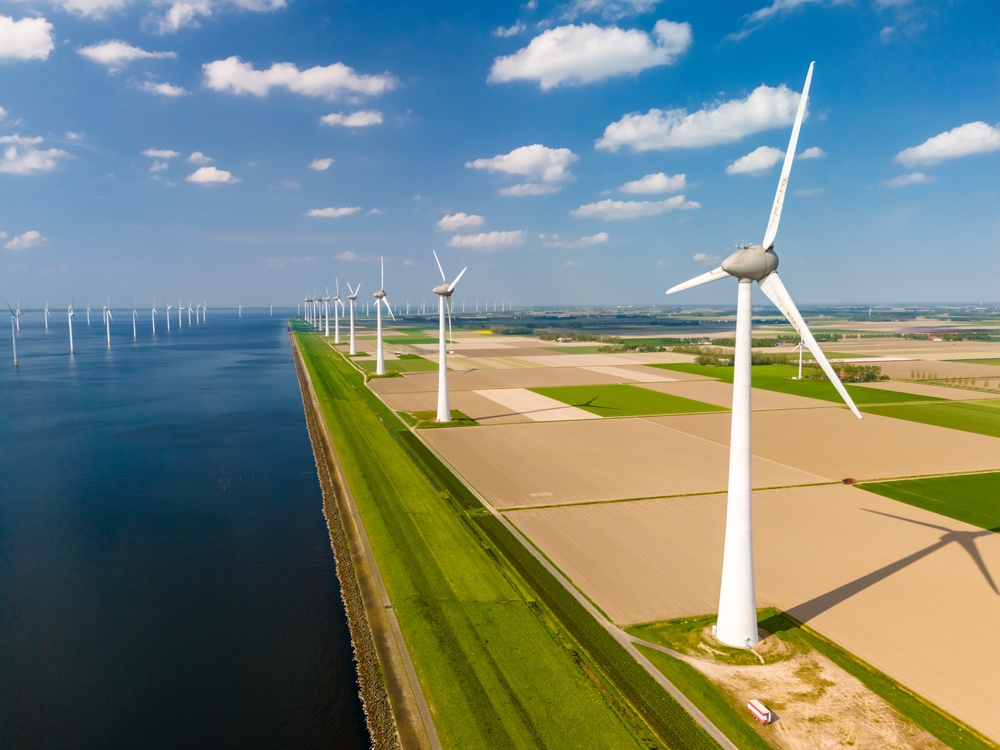
Wind Turbines in a field alongside other wind turbines which are in the sea | GWO Sea Survival Training course

What does GWO Sea Survival Training Include? 

By completing the Sea Survival module, participants will gain hands-on experience in safe transfers between vessels and offshore structures, rescue procedures, and the effective use of personal protective equipment (PPE) and life-saving appliances (LSAs), allowing them to apply their knowledge in realistic scenarios. 

Course topics include:

  • Understanding offshore risks
  • Familiarity with sea survival equipment
  • Overview of safety regulations
  • Man overboard techniques
  • Cold water survival skills

Benefits of GWO Sea Survival Training 

Enhanced Safety Awareness 

The training emphasises proactive measures to reduce the likelihood of accidents, instilling a safety-first mindset among delegates. This is critical in environments where a single error can have catastrophic consequences. 

Practical Skill Development 

Delegates will develop essential life-saving skills through interactive theoretical learning and practical hands-on exercises.  

Global Recognition 

GWO certification is recognised by employers globally. Therefore, it is an invaluable asset for professionals seeking to enhance their employability in the wind energy and maritime sectors. 

GWO Sea Survival Training Course | Maritime Skills Academy Dover

Supporting Renewable Energy Goals 

As offshore wind farms play an increasing role in renewable energy production, GWO training supports the industry’s growth by ensuring a qualified and safety-conscious workforce. 

How often do I have to update my GWO Training? 

GWO Survival qualifications must be refreshed and updated every two years, unlike STCW certifications, which are reviewed every five years.  

Once completed, your certification will be added to a GWO database, ‘WINDA’, which allows employers to verify your certification. 

This course is mandatory for those working offshore in the wind and renewables industry, including engineers, technicians, project managers, etc.  

Why Employers Value GWO Training 

Employers in the offshore and maritime industries prioritise GWO-certified professionals for their competence in handling high-risk situations. By hiring Trained personnel, companies reduce downtime caused by accidents, improve operational efficiency, and ensure compliance with international safety standards.  

GWO Sea Survival Training in Kent 

The Maritime Skills Academy offers GWO Sea Survival Training (in partnership with Guardian Training) as an intensive one-day course from our training centre in Dover, Kent. We simulate realistic environments for sea survival exercises with our state-of-the-art Marine Survival Pool and a wind-farm turbine ladder.  

In this controlled environment, you will learn the following:  

  • Cold water swimming and how to avoid hyperthermia 
  • Dealing with the behaviour of the sea (waves, currents, and tides)
  • Man overboard techniques
  • National and international legislation
  • Sea survival equipment (life jackets, lifeboats, flares etc.)
  • Transferring people and equipment to and from offshore structures safely
  • Risks faced by offshore workers

To find out more and to make an enquiry, please contact:  

Tel: +44 (0) 1795 580 333