Approved Engine Course 1 (AEC) at the Maritime Skills Academy Dover: A Comprehensive Overview 

The maritime industry is a challenging field that requires highly skilled professionals to operate and maintain vessels’ complex systems. For aspiring marine engineers and those looking to advance their maritime career, the Approved Engine Course 1 (AEC) offered by the Maritime Skills Academy (MSA) Dover is an essential step toward achieving proficiency in engine room operations. 
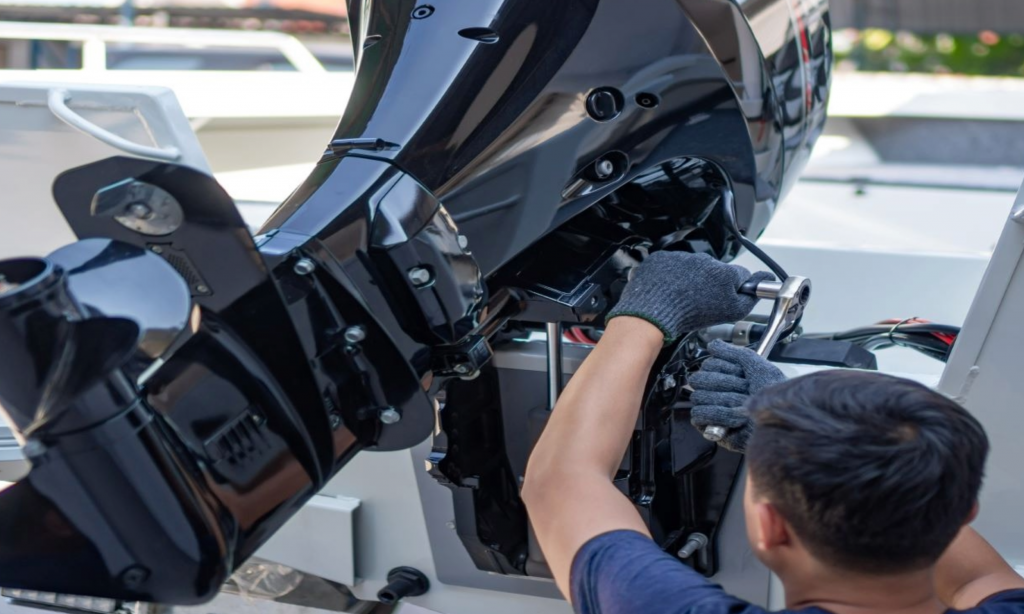
Approved Engineer Course 1 | Maritime Skills Academy Dover

What is the Approved Engine Course 1 (AEC)? 

The Approved Engine Course 1 (AEC) is designed to provide a foundational understanding of marine engineering principles for those working on yachts, superyachts, and other maritime vessels.

The course is particularly tailored for deckhands, aspiring engineers, and anyone interested in gaining practical engine room knowledge and skills. Completing the AEC is often the first step for those looking to become qualified engineers in the maritime industry. 

Course Structure and Content 

Approved Engine Course 1: Introduction to Marine Engineering 

  • Basic Engineering Knowledge: Introduction to marine engineering principles, including studying engines, pumps, and auxiliary systems. 
  • Diesel Engine Operation: Understanding the operation and maintenance of diesel engines, focusing on their use in a marine environment. 
  • Safety and Emergency Procedures: Emphasis on safety protocols, the use of personal protective equipment (PPE), and emergency response procedures. 
  • Practical Workshop Sessions: Hands-on experience with engine components, including dismantling, inspecting, and reassembling parts. 
  • Electrical and Mechanical Systems: Basics of marine electrical, hydraulic, and other mechanical systems on board. 
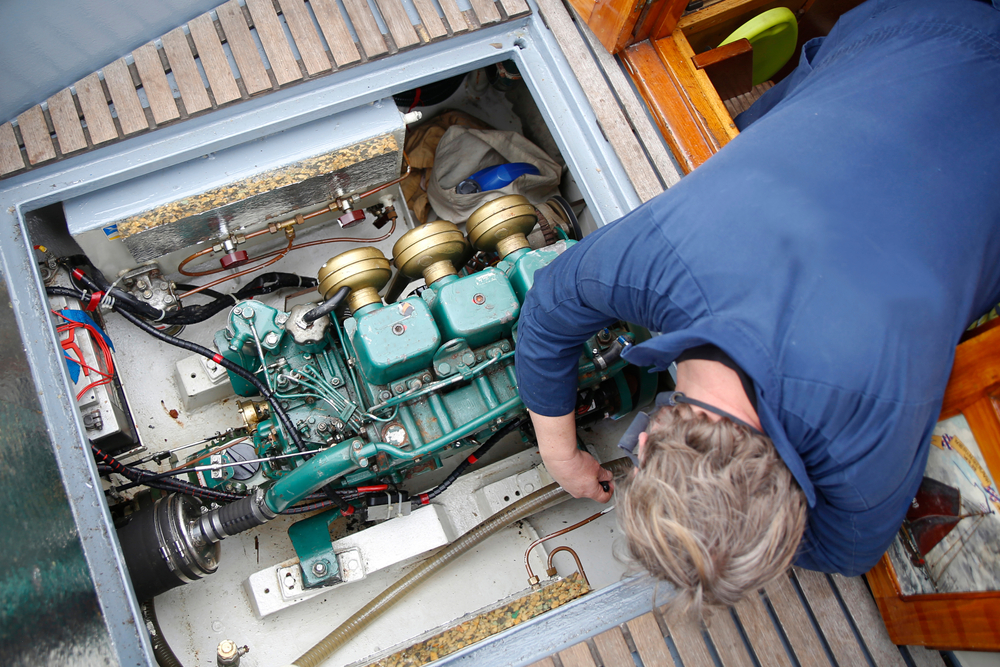
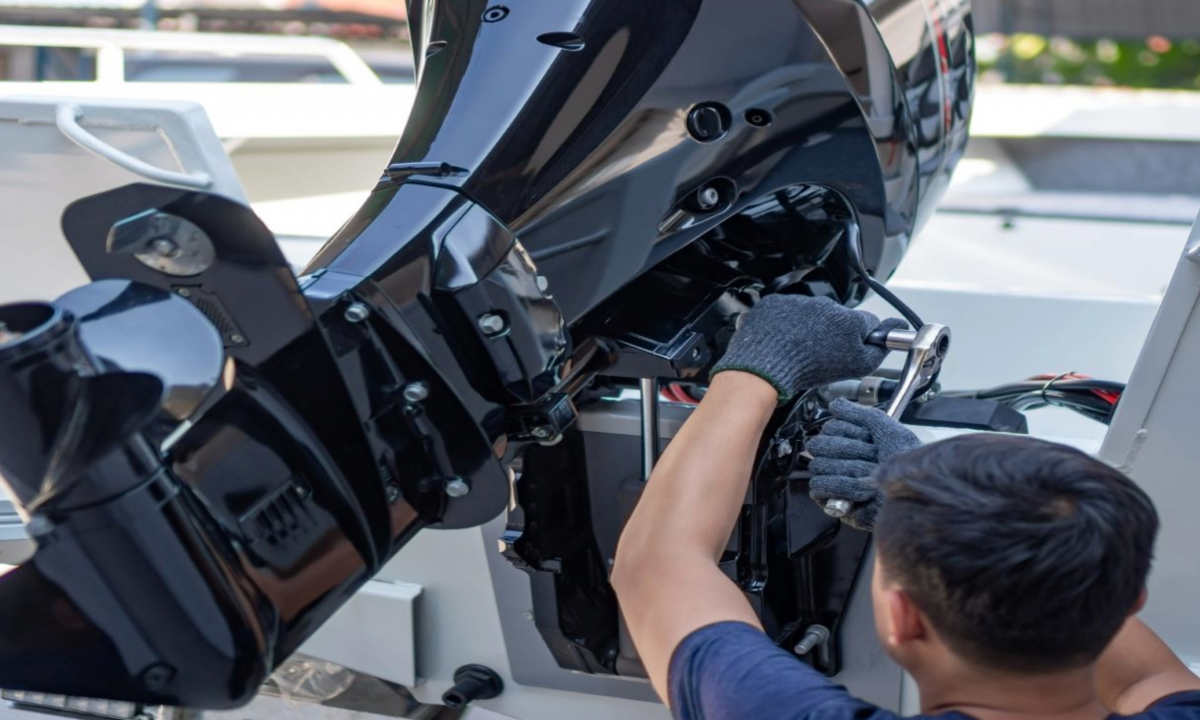
Deckhand fixing engine on a yacht | Approved Engine Course 1 (AEC) at MSA Dover

Benefits of Taking the Approved Engine Course 1 (AEC)

  1. Career Advancement: Completing the AEC course is pertinent for anyone looking to advance their careers as engineers on yachts, superyachts, and other vessels. 
  1. Hands-On Experience: The course offers extensive hands-on training, which is important when learning to understand the complexities of engine room operations. 
  1. Flexible Learning: With a mix of classroom-based learning and practical workshop sessions, the course is designed to accommodate different learning styles. 
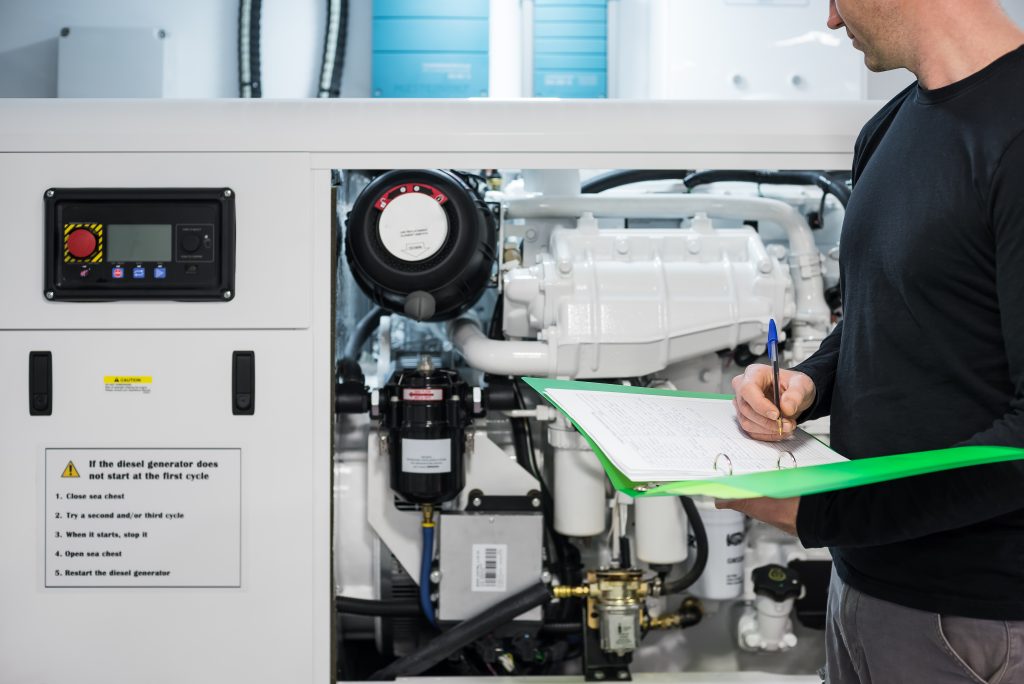
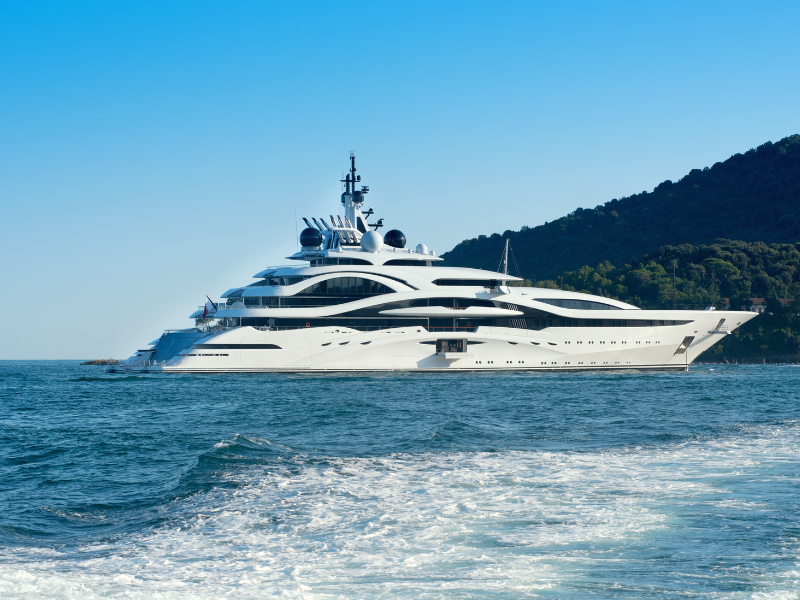
Marine engineer checking engine on Superyacht Z Approved Engine Course 1 (AEC) at the Maritime Skills Academy

Who Should Register? 

The Approved Engine Course is ideal for: 

  • Deckhands and junior crew members looking to expand their skills in marine engineering. 
  • Aspiring marine engineers seeking entry-level qualifications. 
  • Existing engineers wishing to refresh their knowledge or advance their qualifications. 
  • Those hoping to pursue a career in the superyacht industry. 

Why Choose the Maritime Skills Academy Dover? 

Located in Dover, the Maritime Skills Academy is a recognised leader in maritime training and education. The academy boasts state-of-the-art facilities and experienced instructors.

The course aligns with the standards set by the Maritime and Coastguard Agency (MCA), ensuring participants receive the highest-quality training that meets international maritime requirements. For those looking to build a career in the maritime industry, the AEC provides the essential skills and qualifications needed to succeed.

If you’re ready to take the next step in your maritime career, consider enrolling at the Maritime Skills Academy Dover. With its robust training programs and a reputation for excellence, it provides a solid foundation for a successful career at sea. 
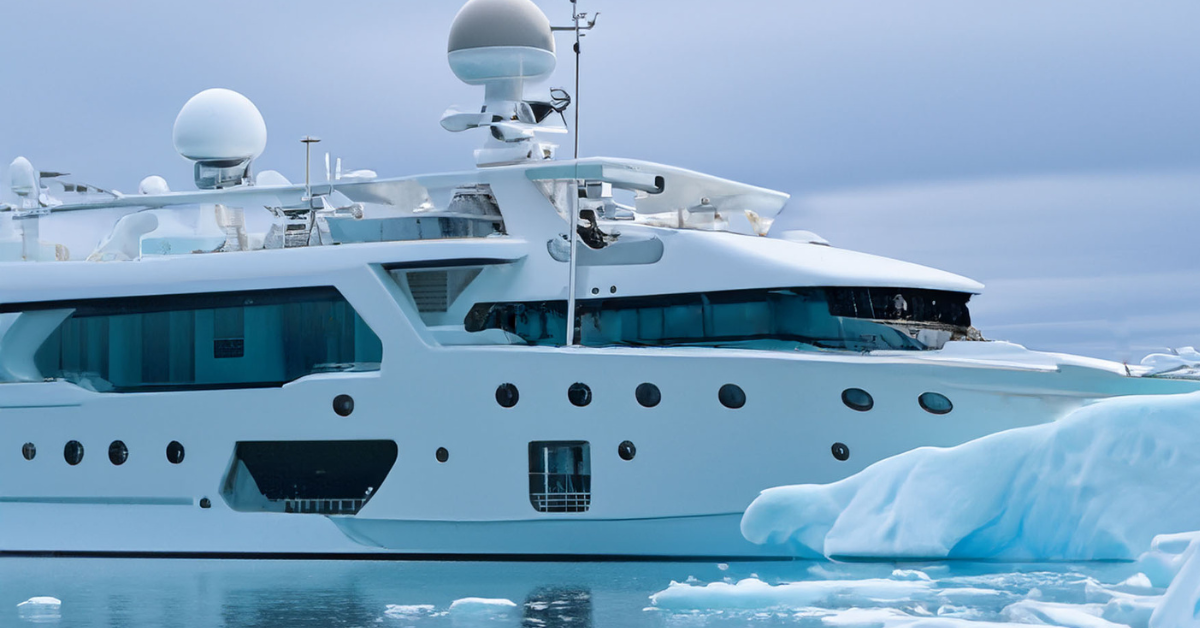
Maritime Skills Academy Secures Bahamas Approval for Onboard Polar Code Training 

The Maritime Skills Academy (MSA), a leading institution well known for its dedication to excellence in maritime training, proudly announces its official approval by the Bahamas Maritime Authority (BMA) for Onboard Polar Code Training. 

The BMA’s approval further solidifies the MSA’s position as a trusted provider of comprehensive maritime training programs. 

“We are pleased to receive approval from the BMA for Onboard Polar Code Training. This is a testament to our commitment to delivering top-tier maritime training and ensuring the highest levels of safety and proficiency among seafarers worldwide.”

Mark Jaenicke, Operations Director at MSA

The BMA assesses institutions based on curriculum quality, facilities, faculty expertise, and adherence to international regulations. The MSA’s successful approval reflects its dedication to meeting and exceeding these demanding standards, providing delegates with a world-class education that prepares them for successful careers in the maritime industry.

“This approval opens new doors for the MSA, allowing us to expand our reach within the global maritime community”

added Mark.

The Bahamas-approved and Nautical Institute-recognised Polar Code Basic course follows the STCW guidelines on safely operating a vessel in the Arctic and Antarctic Waters. It has been developed by experienced Ice Captains and Ice Pilots, who are recognised leaders in the industry.

Find out more by downloading the course PDF here.

The Crucial Need for STCW High Voltage Management Training for Engineers on Hybrid DC-Powered Superyachts

In maritime engineering, few advancements have been as transformative as integrating high voltage (HV) systems in Hybrid DC-powered superyachts. These luxurious vessels, often equipped with cutting-edge technologies and amenities, require sophisticated electrical systems to ensure smooth and efficient operation. For engineers working on such superyachts, having specialised high voltage management training is not just beneficial—it’s essential.

This blog explores why STCW (Standards of Training, Certification, and Watchkeeping) high voltage management training is critical for engineers operating on Hybrid DC-powered superyachts.

Understanding the Complexity of High Voltage Systems and why different rules apply

Unlike their low-voltage counterparts, high-voltage systems are a realm of complexity and danger. Operating at voltages that significantly escalate the potential for electrical hazards, these systems pose risks such as arc flashes, electrical shocks, and equipment failures. Engineers must profoundly understand these systems to manage and maintain them safely.

STCW high voltage management training equips engineers with the knowledge and skills to navigate high voltage systems’ intricacies, ensuring they can handle these potent technologies safely and efficiently.

High Voltage Management Training for Superyachts with the Maritime Skills Academy

Ensuring Safety and Compliance

Working with high voltage systems requires strict adherence to safety protocols and regulations. The STCW high voltage management training includes comprehensive modules on safety procedures and correct PPE. Engineers are trained to identify potential hazards, implement safety measures, and respond to electrical emergencies. This training ensures compliance with international safety standards, minimises the chance of accidents on board, protecting the crew and the vessel.

Enhancing Operational Efficiency with High Voltage Management Training

Hybrid DC-powered superyachts rely mainly on high voltage systems. Efficient management of these systems is crucial for maintaining the yacht’s performance and reliability. STCW high voltage management training equips engineers with the skills to perform routine maintenance, troubleshoot issues, and optimise the performance of high voltage equipment. This proficiency ensures that the yacht operates smoothly, efficiently and safely, providing a seamless experience for its occupants.

Supporting Advanced Propulsion and Energy Systems

Many modern superyachts adopt Hybrid or fully electric propulsion systems, which require high voltage DC power. Engineers must safely manage these advanced propulsion systems to ensure optimal performance and longevity. The STCW training covers the intricacies of high voltage propulsion systems, energy management, and power distribution. This knowledge is essential for engineers to support the advanced propulsion and energy systems that are becoming increasingly common in luxury yachts.

Ensuring Career Advancement and Professional Growth

For maritime engineers, specialised training in high voltage management opens new career opportunities and pathways for professional growth. The STCW certification is recognised globally, enhancing the engineer’s credentials and employability. As more superyachts adopt high voltage DC systems, the demand for qualified engineers with this specialised training will continue to rise.

By completing the STCW high voltage management training, engineers will prove themselves to be at the forefront of this evolving industry, ready to take on challenging and rewarding roles.

In conclusion, STCW high voltage management training is indispensable for engineers working on Hybrid DC-powered superyachts. The complexity and hazards associated with high voltage systems necessitate a high level of expertise and safety awareness. This training ensures that engineers can manage these advanced systems safely and efficiently, contributing to the vessel’s overall performance, reliability, and sustainability.

As the maritime industry continues to grow, the importance of specialised training for engineers cannot be overstated, making STCW high voltage management training a critical investment in their professional development and the future of maritime operations.

To book your place on an High Voltage Course at MSA Portsmouth please visit our course pages today:

STCW High Voltage (HV) at Management Level Course

STCW High Voltage (HV) at Operational Level

High Voltage Management Training at MSA Portsmouth