Maritime Skills Academy Partners with NAPA to make Ship Stability Management Training Efficient and More Accessible

The safety of the crew and passengers is always the top priority. With this course, seafarers would be upskilled on various topics, such as: anticipating and mitigating stability challenges using the NAPA software to keep vessels steady in even the roughest conditions.
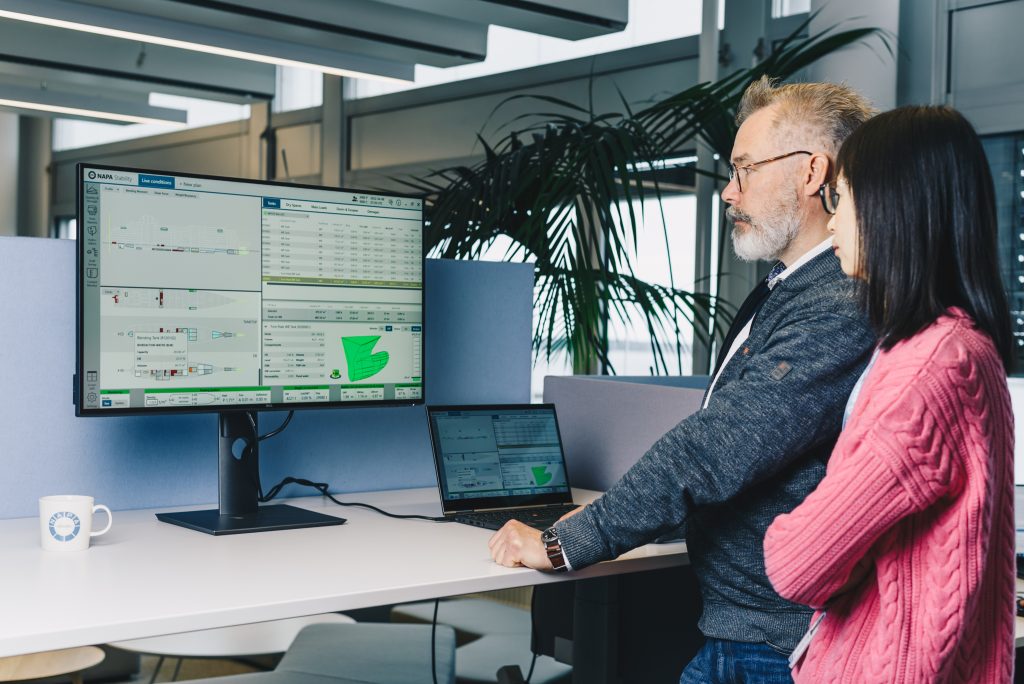
Image of two people looking at a computer | Ship Stability Management Training

Why A Ship Stability Management Training Partnership?

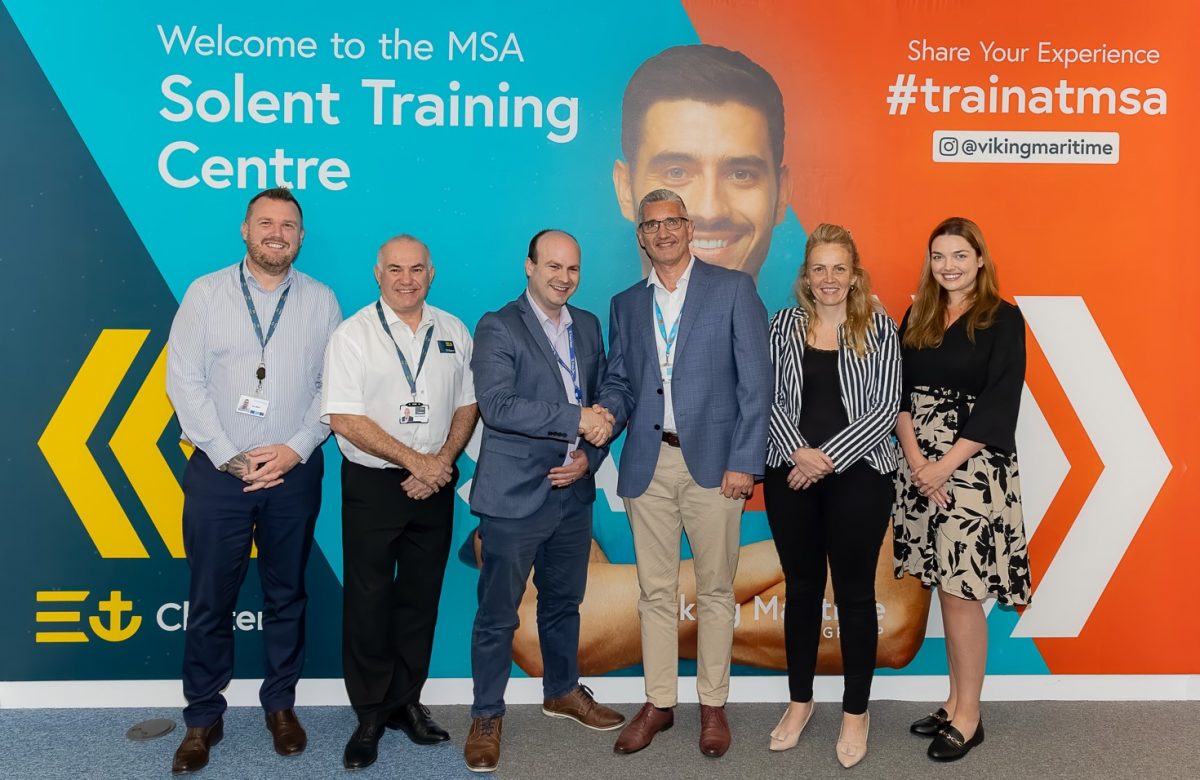
NAPA, a global provider of maritime software and data services, has announced a partnership with Maritime Skills Academy, a leading maritime training provider, to facilitate access to advanced Ship Stability Management Training for seafarers and ship operators, both in person and remotely.

This partnership aims to make critical safety training more accessible, convenient, and efficient for crews, increasing the number of seafarers receiving such training. The course is designed to help seafarers stay ahead of the curve by training them in initial stability, the GZ-curve, stability in heeled condition, free surfaces Stability criteria, GM/KG requirements by using the latest and most modern type-specific NAPA Stability Management Computer.

Experienced MSA and NAPA-certified instructors will bring decades of maritime experience to the table, and Seafarers will benefit from a hands-on approach as they guide you through the intricacies of basic stability and NAPA Stability Management Programme.

“Theoretical knowledge is never enough. With this course, our aim is to provide hands-on experience with the industry-leading latest NAPA Passenger Ship Stability Management tool,” said Mark Jaenicke, Operations Director at the Maritime Skills Academy.

“This will enable seafarers to navigate real-world scenarios, calculate fuel efficiency, FW, and dry dock condition loads, and optimize ballast to perfection. The training will also equip you the crew to make informed decisions on the spot, ensuring stability in emergencies and unexpected weather changes.” The training will ensure that seafarers get well-versed in IMO guidelines, keeping compliant and avoiding potential pitfalls.

The state-of-the-art NAPA Ship Stability Management Training for passenger ships is designed to empower maritime professionals with every needed skill and ensure ship stability at every turn. The course will include straining in various detailed aspects of ship stability management broken into easy-to-understand modules such as: Basic Stability Principles, Efficient use of contemporary NAPA Stability Management computer programme, Operations at Port, Operations at Sea, Intact and Damage Condition Stability concepts.
Image of NAPA logo | Maritime Skills Academy

It will also provide specialised topics such as Introduction to probabilistic damage stability calculations acc. to SOLAS II-1 (SOLAS 2009/2020), exercises, IACS requirements to enable Safe Return to Port (IACS UR L5 Type 4 requirements), as well as requirements for Loading Computer System (Damage Control), LCS(DC), Deterministic damage stability and damage stability criteria.

Josip Kulas, Director of Training and Simulation at the Maritime Skills Academy, said: “Through this collaboration, the Maritime Skills Academy will leverage NAPA expertise in stability software and solutions to enhance the training programs on offer. The integration of NAPA software into the academy’s curriculum will provide participants with hands-on experience and a deeper understanding of vessel stability, an essential aspect of maritime safety. 

This collaboration marks a significant milestone in the maritime industry’s efforts to adapt to technological advancements and foster a safer and more efficient environment for all stakeholders.”

Lars Nickel, Managing Director, NAPA Germany Software GmbH, said: “Sustainable and smarter shipping requires the adoption of new technologies, which presents a significant training and upskilling challenge to keep up with the fast-evolving technical landscape. Safety and stability training is an essential part of this expertise-building. NAPA is proud to partner with Viking MSA to ensure that professionals have easy access to such crucial training with a combination of eLearning and classroom training,  to be able to maintain the highest safety and sustainability standards and be prepared for tomorrow’s challenges.”

Want to find out more about our Ship Skills Management Training course?

If you’re interested in learning more about this course, then please contact Josip for more information.
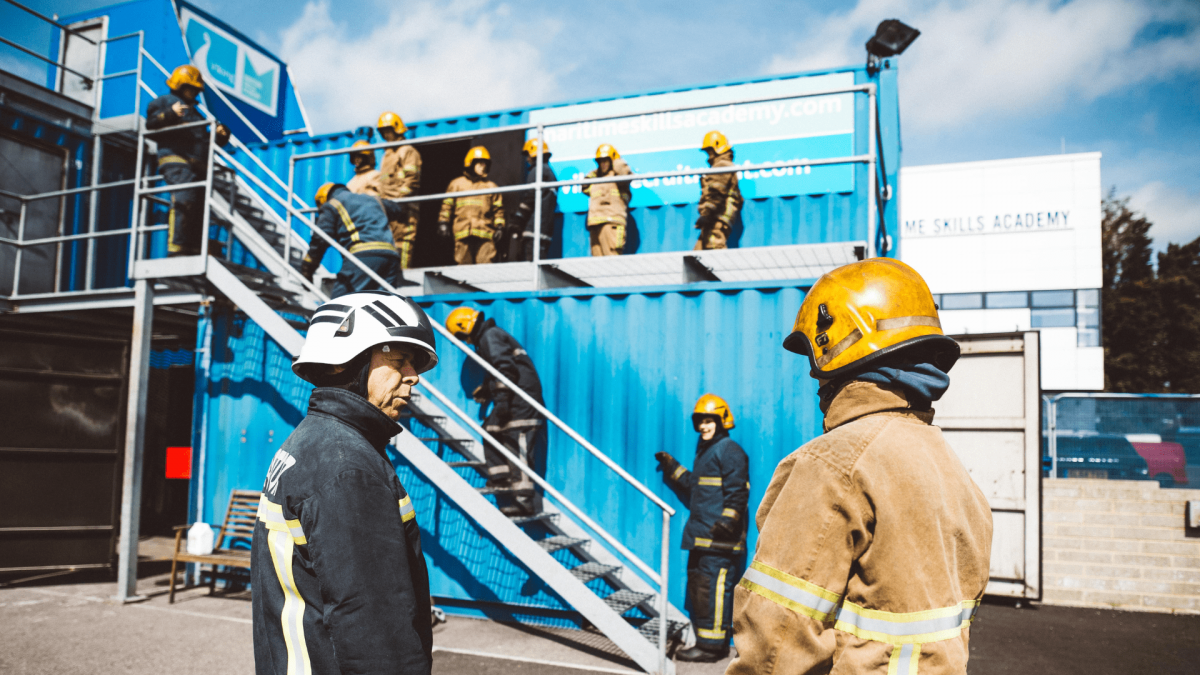
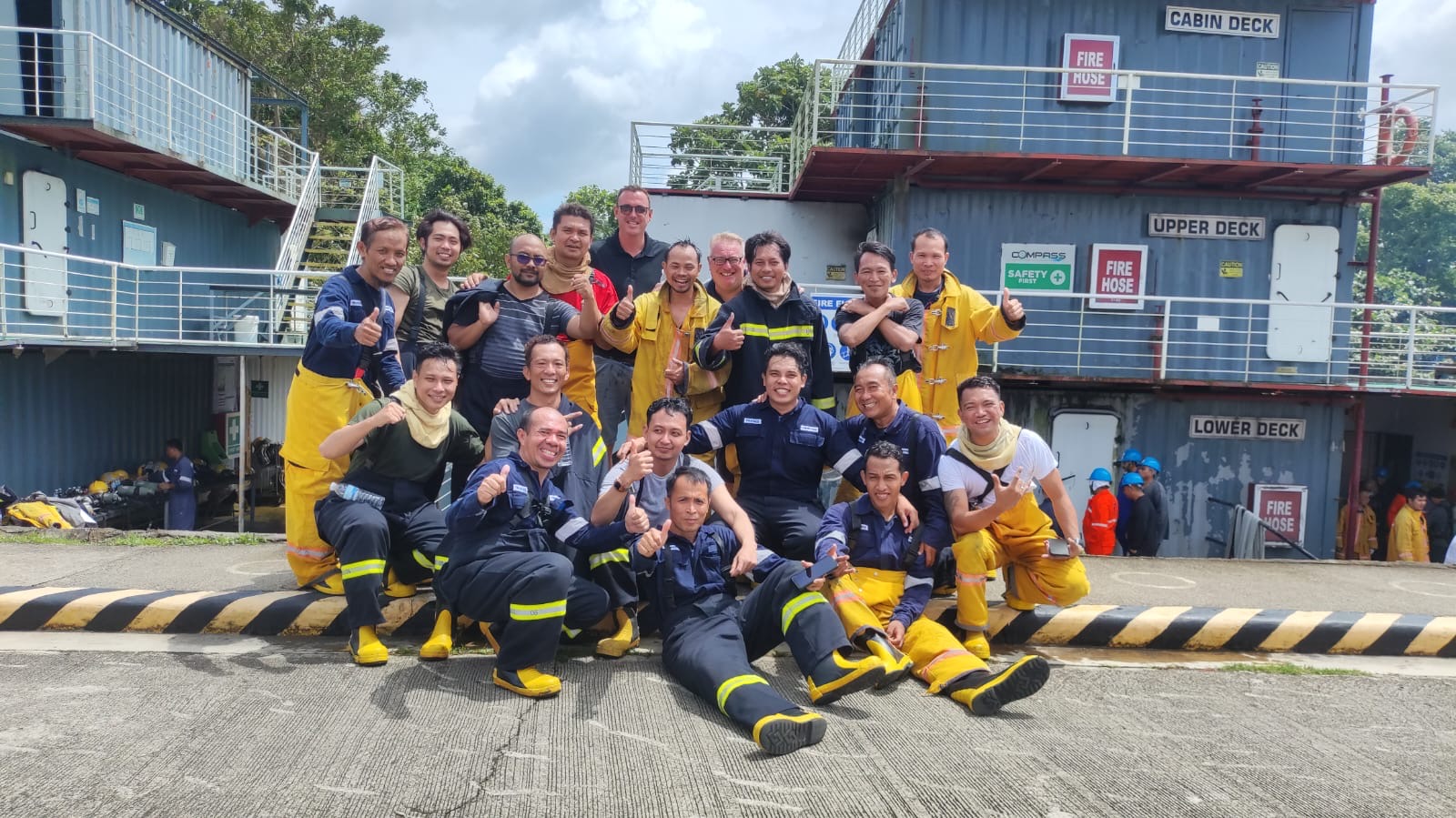
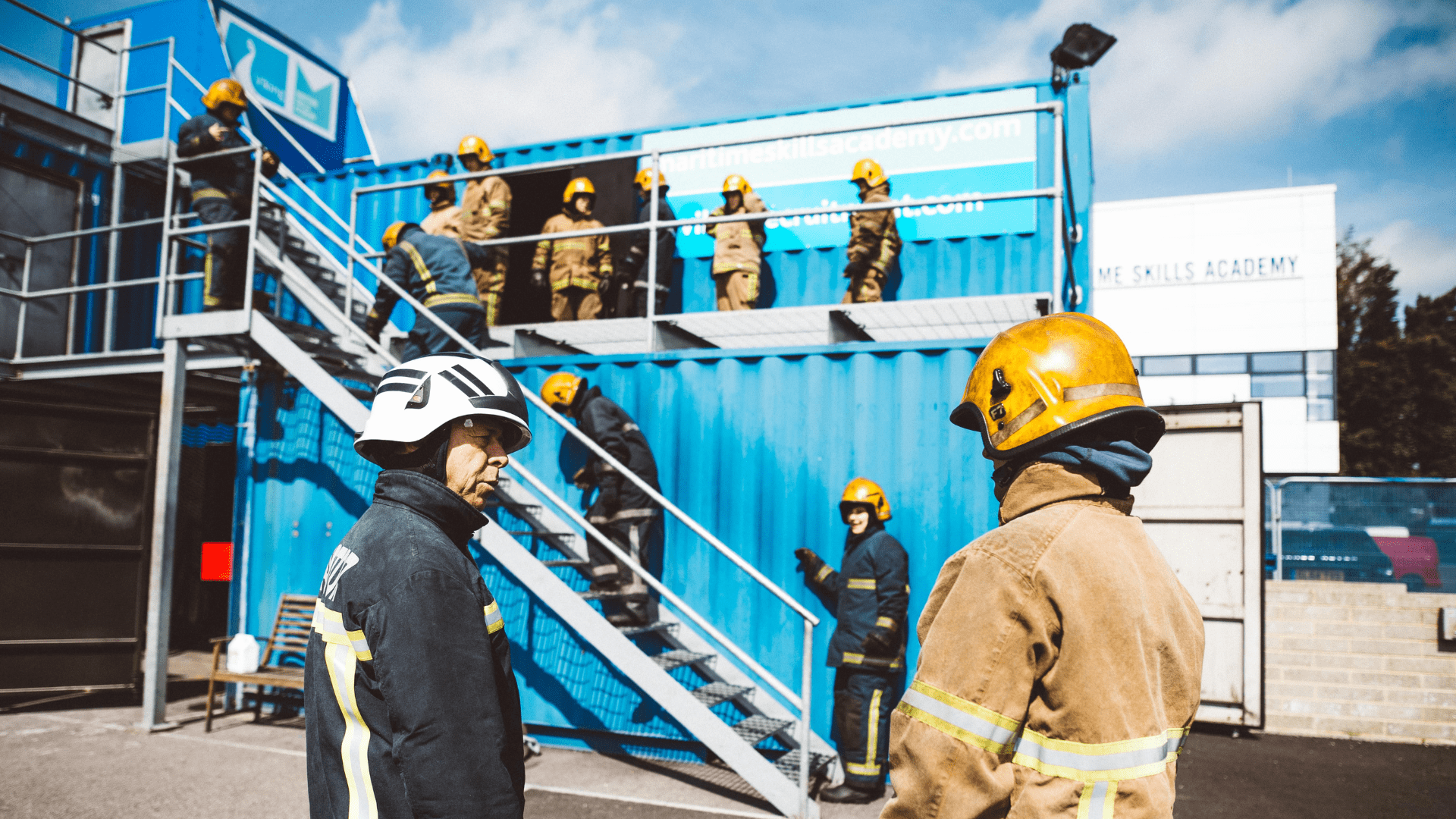
Operational Fire Fighting Training at The Maritime Skills Academy with Head of Training at MSA Dover, Sam Kelly

We spoke to Sam Kelly, Head of Training at MSA Dover, to find out more about the bespoke Operational Fire Fighting Training the MSA delivers to crew.

“In 2022, in the midst of existing Covid restrictions, the shipping world transformed from minimum safe manning and laid up, to full operation almost overnight. This meant new crew were dispatched to new companies to facilitate the company’s operational requirements.

Cruise companies acknowledged the risk with respect to company procedures, especially in relation to the fire safety teams onboard.

I have been working closely with the senior management teams both onboard and ashore for a multitude of clients, creating bespoke, effective, and measurable training standards we have come to know as Operational Fire Fighting.

Their aim is for the crew to embrace and practice specific Emergency Response Plans (ERP) in a variety of scenarios with the end goal being to improve confidence for the crew.

Virgin Voyages led the way with this training with a simple request to the MSA – “Can you train our Filipino crew locally?”.

After a few calls to our partners at United Philippine Line, we quickly found a few suitable training centres. We finalised plans with a training centre in Tagaytay, called COMPASS, that ticked all the boxes to be able to deliver industry-leading courses under the direct supervision of our Maritime Coastguard Agency-approved instructors.

We adapted our current Advanced Fire Fighting course and picked out the most relevant areas that would benefit the crew, relating all the material directly to Virgin Voyages Safety Management System and Emergency Response Procedures.

The feedback from the courses delivered over the last six months has been positive and this enthusiasm has been noted when onboard during port state and weekly drills.

This has also relieved pressure on the Senior Officers, as the training has been carried out across all the Virgin Voyages crew at our multiple MSA facilities.

Virgin Voyages hosts over 60 different nationalities in crew onboard, and in the wake of the war in Ukraine, we have managed to facilitate training for crew members at our new centre located in Gibraltar, navigating Schengen visas and logistics with the help from our partners at the University of Gibraltar.

MSA Gibraltar has also been delivering a one-day Operational Fire Fighting course for cruise calls; collecting fire teams from the cruise terminal, delivering training at the Airport Fire Training centre, and then delivering back to the vessel.

The popularity of this training has been exponential in growth due to the ease for the ship operator and enabling company best practice in a truly real hot and smoky environment.

Considering the popularity of this course, a new partnership has been formed with Gib Dock and the Government of Gibraltar, in building our own fire training module at the University location in Europa Point.”

Operational Fire Fighting Training Maritime Skills Academy Dover

What is the importance of this beyond compliance training for you?

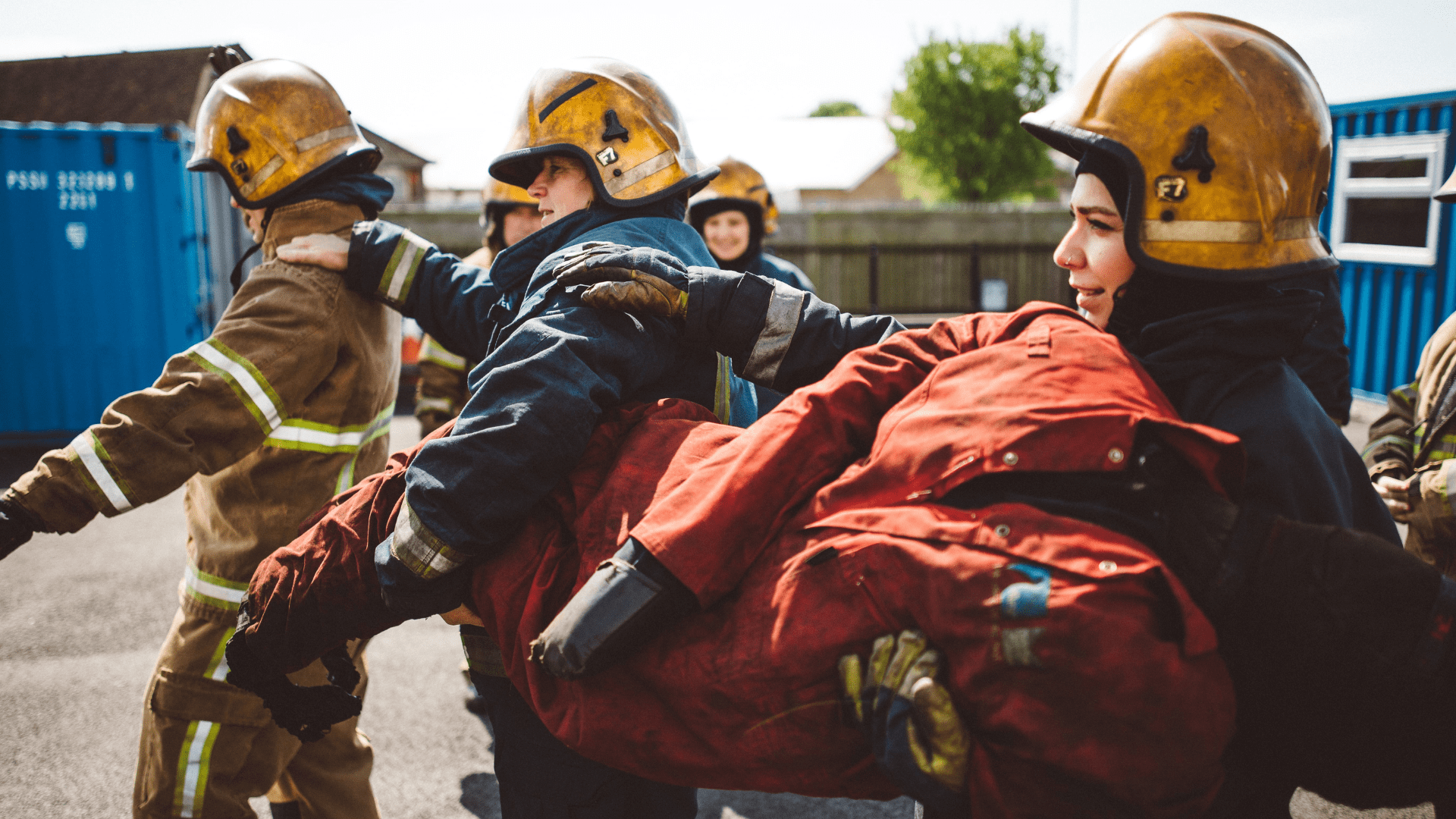
“The ability to get hands-on with your actual fire teams, in truly realistic fire situations.

Enabling the fire teams to make factual-based decisions on the front line and deploying effective communication skills.

We welcome Senior Officers to attend this training to enable the command-and-control aspect to take place, review effective and concise briefings, and debriefings to the teams. This is the place to make mistakes. Our instructors will be by your side throughout offering expert advice at all levels.

The crew will have more confidence in their equipment and procedures, enabling quicker reactions to situations on board.”

Operational Fire Fighting Training Maritime Skills Academy Dover Gibraltar

About Sam Kelly

Sam Kelly is Head of Training at MSA Dover.

After graduating with a degree in the Science of Maritime Operations, Sam spent 11 years working as a Navigation Officer in the ferry and cruise industries, visiting ports in the Mediterranean, Baltic, Norway and the Caribbean.

Sam then joined Saga cruises as a Maritime Operations Manager, before progressing to a Marine Superintendent. He played a leading role in bringing the newest Spirit class vessels into service and managed the turnaround operations in the UK as well as all port operations Worldwide.

Sam brings a wealth of knowledge gained throughout his career to his role at MSA Dover.

Explore our full range of maritime training courses here.

New Bridge Resource Management Training Partnership with Fred Olsen Cruise Lines

The Maritime Skills Academy is pleased to announce a new 2-year partnership with Fred Olsen Cruise Lines, offering their Crew an enhanced level of training to improve their performance onboard. The training will include Bridge Resource Management and Azipod Ship Handling.

Fred Olsen Cruise Lines will be joining the prestigious portfolio of clients already using the state-of-the-art facilities in Portsmouth, including Red Funnel, Carnival UK, Windstar Cruises, P&O Ferries, and Virgin Voyages.

Bridge Resource Management Training partnership with Fred Olsen

This Bridge Resource Management training partnership, is a further extension to the services that the Viking Maritime Group already provide Fred Olsen Cruise Lines, as we currently have 12 Cadets onboard their vessels for which Chiltern Maritime (part of the Viking Maritime Group) provides full Cadet management, support, and administration.

Josip Kulas, Director of Training and Simulation, said: “This collaboration signifies a strategic approach towards enhancing the proficiency and safety of seafarers, as well as ensuring the overall operational excellence of cruise vessels.”

It not only ensures regulatory compliance but also fosters skill development, enhances operational efficiency, and upholds safety standards in the cruise industry, ultimately contributing to the overall success and reputation of the organisation.

This new Bridge Resource Management partnership ensures that all delegates have access to the latest industry best practices and technological advancements. It solidifies both organisations’ commitment to safety, excellence, and career development. It fosters a culture of continuous learning and improvement, ultimately benefiting the organisation, its employees, and the maritime community as a whole.”

Paul Clifton, Head of Crewing at Fred. Olsen Cruise Lines, said: “We are thrilled to have agreed on a new partnership with the Maritime Skills Academy which demonstrates our commitment to continually investing in our crew.”

“This training will provide our deck and technical officer teams with the opportunity to further strengthen their skills and knowledge.”

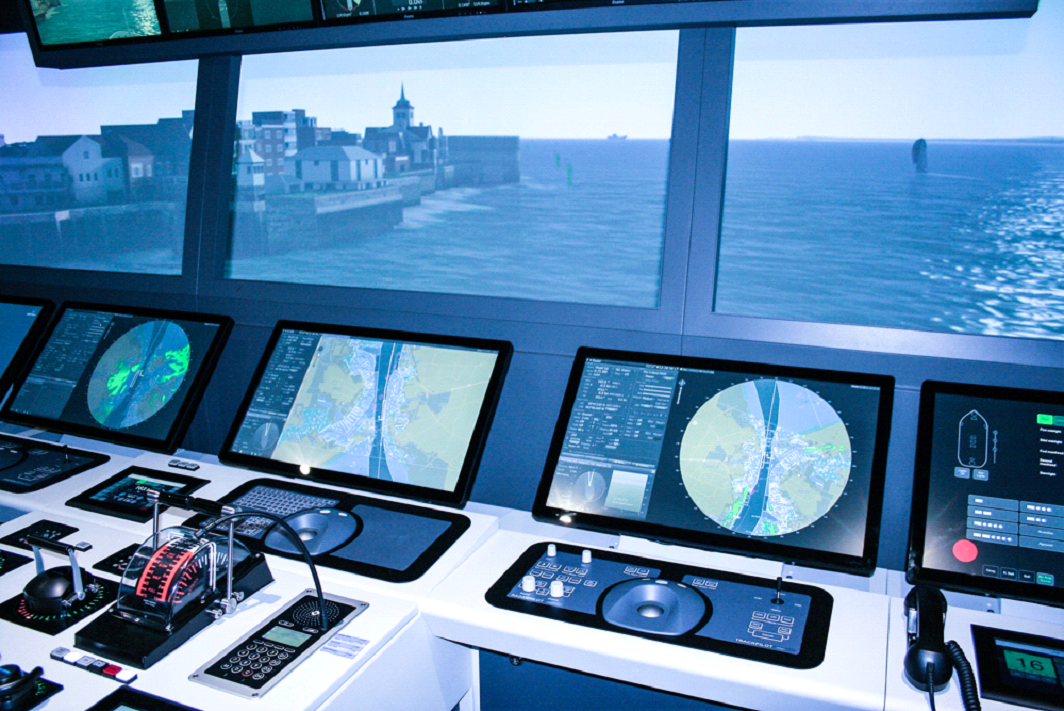
Image of a bridge simulator | Bridge Resource Management Training

Fred. Olsen originated in Hvitsten, a small town on the shores of Oslofjord, Norway, in 1848 when three Olsen brothers – Fredrik Christian, Petter and Andreas – bought their first ships and began an international shipping company. Over 150 years later, and now into the fifth generation of the family, Fred. Olsen Cruise Lines operate cruises from the UK and inspirational fly-cruises aboard four smaller, intimately-sized ocean-going ships and sail to some of the world’s greatest and most authentic destinations to provide guests with simply unforgettable holiday experiences.

Alongside Fred. Olsen Cruise Lines, the Fred. Olsen Group also operate a variety of other companies, including Fred. Olsen Travel and Fred. Olsen Express ferries in the Canary Islands, and has interests in the luxury hotel, aviation, estate management, electronics, and offshore energy industries. Fred. Olsen offices are spread throughout the globe, although the group’s main headquarters remain firmly in the family’s hands in Oslo and Tenerife. Fred. Olsen Cruise Lines is based in Ipswich, the county town of Suffolk, England.

Date of Issue: 21st September 2023
Last Edited: 28th August 2024