What are the different types of maritime training courses available?

When it comes to maritime training there is much to consider, not least the choice of training courses that are available.

The Maritime Skills Academy provides over 500 expert courses globally to over 5,000 delegates every year, at world-class training centres in Portsmouth, Dover and Gibraltar.

As an approved centre for the Maritime & Coastguard Agency, the Global Wind Organisation (GWO), Nautical Institute and UK Chamber of Shipping, this training ensures the highest standards are maintained for commercial operators as well as for both maintaining and building professional development.

This blog gives some guidance on the different types of maritime training programmes available to help you chart a course in your existing future career, or learn new skills that meet the needs of today’s maritime industry.

Setting new standards at sea

There’s nothing quite like experiencing first-hand, real-life situations that you may face whether as a tug operator, out on deck in the merchant navy, as part of a yacht crew or working in hospitality on a cruise line.

Our deck and engine training programmes, for example, provide extensive simulator training in bridge resource management (BRM), tug operations, ship handling, engine room resource room management (ERM) and for handling high voltage situations.

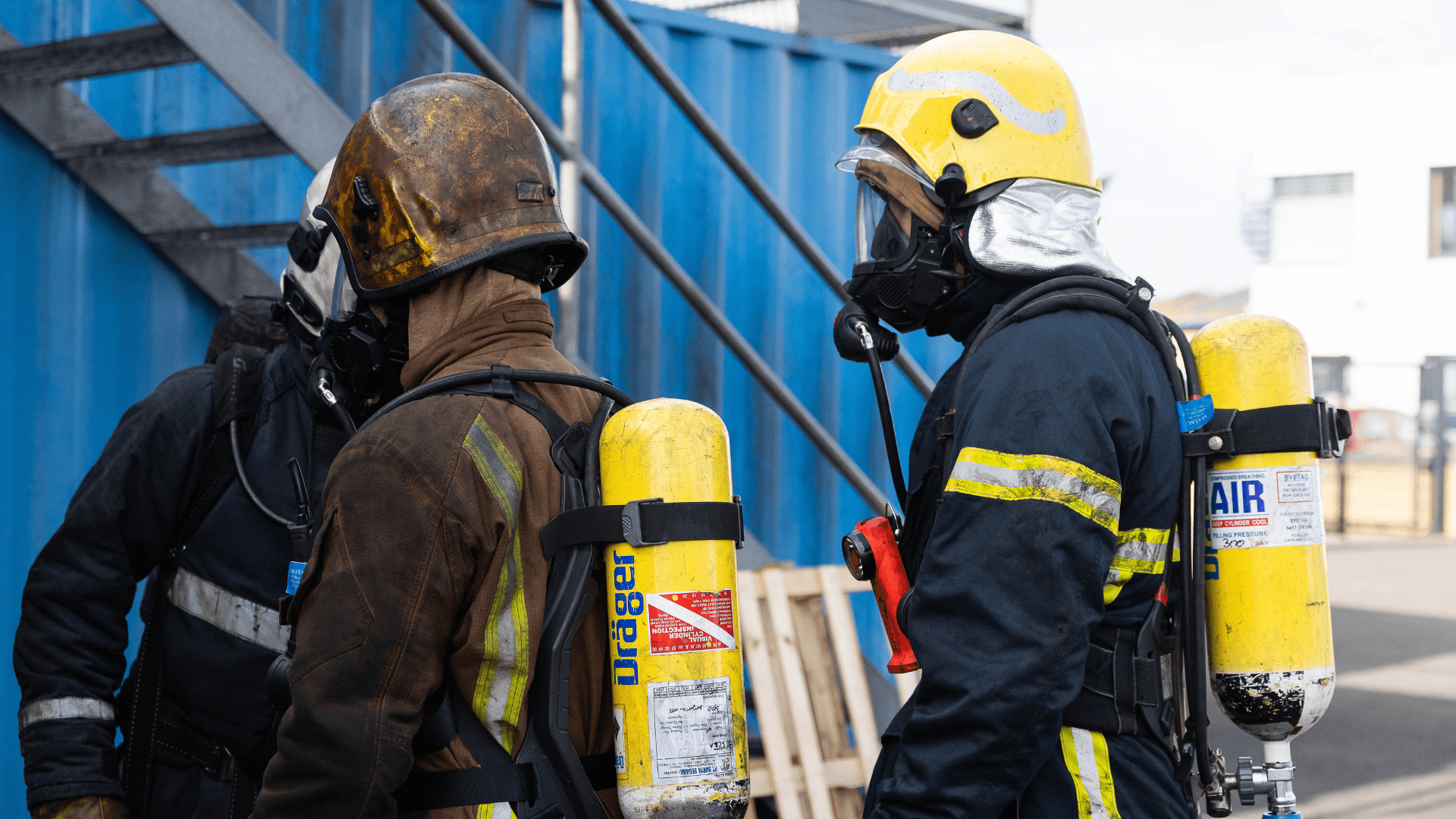
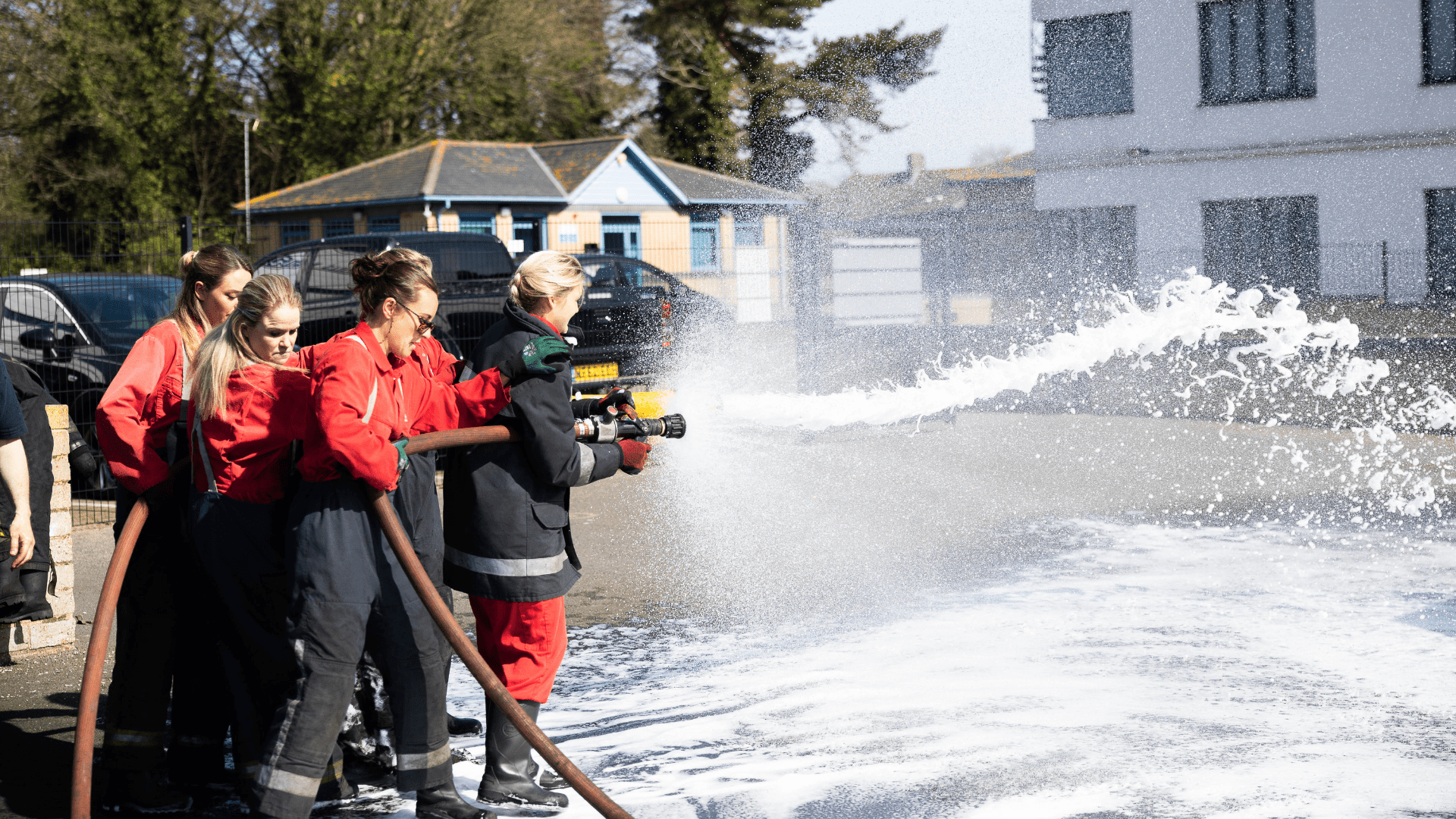
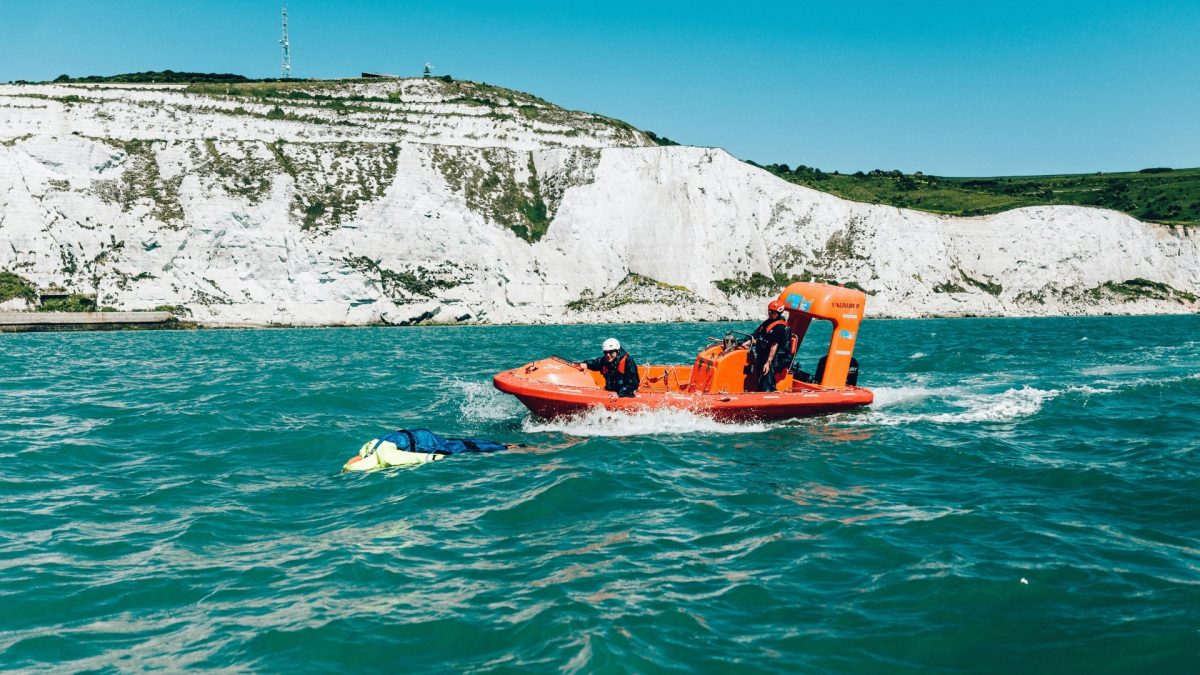
Marine fire and safety training, meanwhile, includes programmes in STCW Safety, commercial fire response, medical first aid and accredited sea survival courses.

Accredited industry led training

STCW stands for Standards of Training, Certification and Watchkeeping, one of a number of industry backed qualifications offering an extensive range of courses available at basic, advanced and refresher level.

STCW courses include everything from basic safety training to updated proficiency in Medical Care and specialised knowledge for service on ships using fuels covered within the IGF code.

Crisis management and human behaviour, crowd management and personal safety and social responsibilities provide a taste of other courses run under the STCW banner.

GWO stands for the Global Wind Organisation, an independent non-profit organisation that provides a set of standards for the safe operation of wind turbines around the world.

Sea survival training is just one element of a globally recognised certification that provides offshore workers with the skills and knowledge they will need, should incidents occur.

The full GWO Basic Safety Training certification also includes training in fire awareness, manual handling, first aid training and working at height.

Courses offered through the Maritime & Coastguard Agency (MCA) include a range of training options that build health and safety expertise for seafarers, including engine maintenance courses, ideal for operators of small inshore and pleasure vessels.

MCA Approved Polar Code Training for those on-board ships operating in polar waters are among our most popular courses.

Courses bespoke to you or your business

When it comes to the types of maritime training programmes available, there are hundreds to choose from and we can help you to choose the courses that are right for you.

While some training programmes are fixed in the time it will take to complete, others can be shaped to the specific needs of your crew, employees or your wider organisation.

Courses range in time from half day or full day refreshers to five days for more in depth skills training such as Operational Fire Fighting Training (OPFF), for example.

Whatever your training requirements, and wherever you are in the world, The Maritime Skills Academy provides complete training management whether you are private yacht crew, working offshore or working in the cruise industry.

If you would like to discuss yours or your organisation’s training needs, get in touch with Head of Training, Sam Kelly, at samk@vikingmsa.com.

To explore our full portfolio of maritime training courses, please click here.
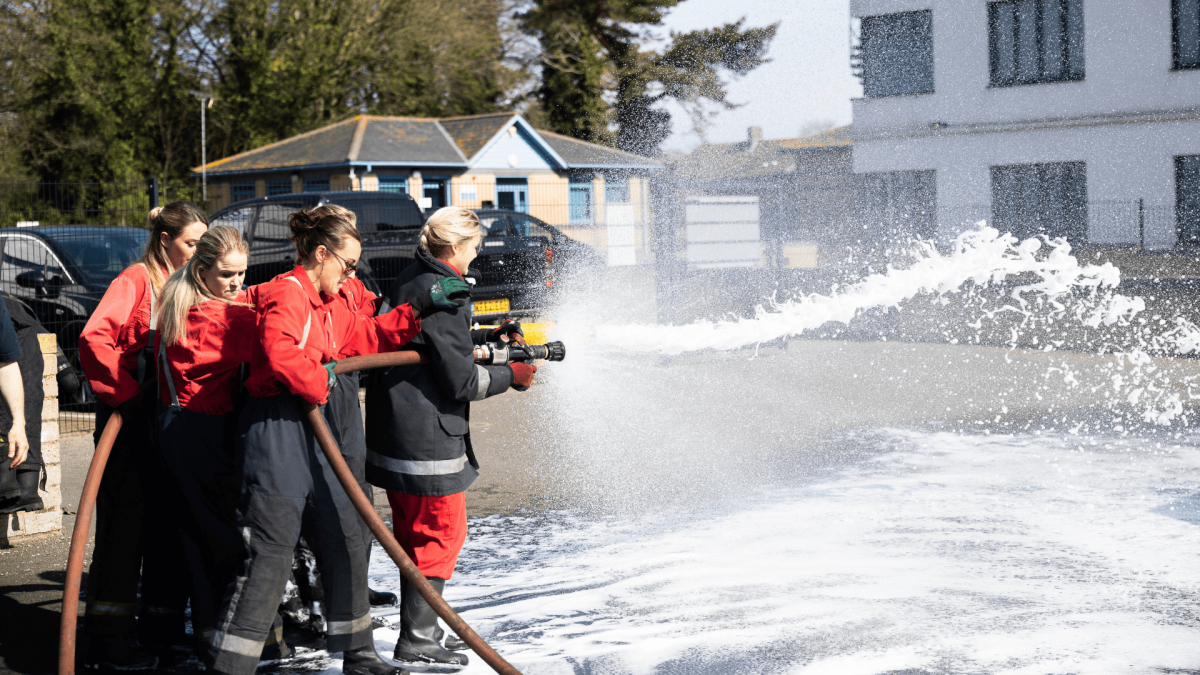
Everything you need to know about “Beyond Compliance Training” with Head of Training at MSA Dover, Sam Kelly

Maritime Skills Academy Dover is a purpose built, state-of-the-art simulation centre with industry leading training equipment. MSA Dover offers a range of courses for seafarers, from personal survival skills to fire prevention and firefighting.

We spoke to Sam Kelly, Head of Training at MSA Dover, to understand the importance of “beyond compliance training” for crew in the maritime industry.

Sam Kelly Maritime Skills Academy Expert
Sam Kelly, Head of Training at MSA Dover

What is “Beyond Compliance training”?

It is mandatory for all vessels to sail with crew that are fully certified in their specific duties, however I am a passionate advocate for “beyond compliance training” – offering further investment in the crew through training.

This involves, but not limited to, training the teams responsible for firefighting on ships. Training is held in a purpose-built centre that mimics the environment on board a vessel. Here we can safely train in hot and smoky environments, teaching the crew company specific requirements when dealing with a real fire.

It is estimated that on average, 90% of companies’ training budgets is allocated to only 10% of the entire crew.

What are the benefits of having a thorough and detailed safety system onboard?

I believe in training for the worst and hoping for the best, having a robust safety management system ensures that all crew know exactly what to do when an emergency happens. There are so many moving parts that need to work in sync to ensure a professional and effective response to deal with these situations effectively and successfully.

According to Lloyd’s Register within the last 5 years, there have been 55 accidents reported that involved grounding or fire on yachts over 24 meters in length.

There has also been an increase in lithium-ion battery fires, caused by lithium gadgets stored in tender garages or dedicated storage areas.

These statistics highlight the importance of fire prevention training for all crew members that goes beyond the mandatory standards set, to ensure they are equipped with the skills to allow them to confidently deal with an emergency situation on board.

  Beyond Compliance Training Maritime Skills Academy

Does investing in your crew’s training benefit in the long term?

Investing time and effort in your crew will improve morale, retention and confidence. We have recently developed an Operational Fire Fighting Training (OPFF) course for Virgin Voyages and have successfully delivered multiple sessions around the globe.

This includes at the University of Gibraltar, in the Philippines and at MSA Dover, working with their Senior Management Team to ensure the course replicates the expectations of crew on board. The crew’s response to this investment in their training has been hugely positive, as they feel valued by their employer and more courses have now been scheduled.

Beyond Compliance Training Maritime Skills Academy Dover

What can the crew learn from having “beyond compliance training”?

If the crew have completed our operational firefighting training, they will gain confidence in the equipment, improve their communication skills, and understand the importance of teamwork.

They will also have a much better knowledge of their company’s emergency response procedures.

Beyond Compliance Training Maritime Skills Academy Dover Kent

About Sam Kelly

Sam Kelly is Head of Training at MSA Dover. After graduating with a degree in the Science of Maritime Operations, Sam spent 11 years working as a Navigation Officer in the ferry and cruise industries, visiting ports in the Mediterranean, Baltic, Norway and the Caribbean.

Sam then joined Saga cruises as a Maritime Operations Manager, before progressing to a Marine Superintendent. He played a leading role in bringing the newest Spirit class vessels into service and managed the turnaround operations in the UK as well as all port operations Worldwide.

Sam brings a wealth of knowledge gained throughout his career to his role at MSA Dover.

Explore our latest courses at Maritime Skills Academy here.

The Maritime Skills Academy Celebrates the Nautical Institute’s Recognition for Polar Training Courses

The Maritime Skills Academy (MSA) is proud to announce that our Polar Code Basic Course (POLAB) and Advanced Training Course (POLA) has received recognition from the Nautical Institute (NI).

Our courses are part of the Continuing Professional Development (CPD) that seafarers must undertake to gain the Ice Navigator Level 1 and Level 2 Certificate. This recognition makes the Maritime Skills Academy one of only two training centres in the world to hold this accreditation.

What is the Ice Navigator Training Accreditation and Certification Scheme?

The NI Ice Navigator Training Accreditation and Certification Scheme is required under the Polar Code, with a global standard in training and certification of Ice Navigators.

The NI Standard complies with relevant IMO resolutions and identifies the skills, competencies, and experience that are expected of an Ice Navigator. Officers that obtain NI Ice Navigator Level 1 or Level 2 Certification will possess an internationally recognised level of experience and competence in the operation of ships in ice.

Mark Jaenicke, Operations Director at the MSA said,

“We are thrilled to have received recognition from the Nautical Institute and to be able to offer these high-quality courses to seafarers.

“Our team of experienced Ice Captains and Ice Pilots has developed the courses to provide a comprehensive education and training program that meets the requirements of the STCW.

“With this recognition, we are confident that our courses will help seafarers improve their skills and advance their careers in polar navigation.”

Maritime Skills Academy Nautical Institute Recognition Polar Training Course

What is the Polar Training Course?

The Polar Training Course is a comprehensive training program designed to equip seafarers with the necessary skills and knowledge required for navigating ships in polar waters. The scheme was set up as part of the Nautical Institute’s Ice Navigator Training Accreditation and Certification Scheme, which is required under the Polar Code.

The NI has developed this global standard in training and certification of Ice Navigators in compliance with relevant IMO resolutions; it identifies the skills, competencies, and experience expected of an ice navigator.

The NI Standard has two levels: Ice Navigator Level 1 and Ice Navigator Level 2. These are internationally recognised certificates that signify a high level of experience and competence in the operation of ships in ice.

Officers who obtain the NI Ice Navigator Level 1 or Level 2 Certification will possess the necessary skills and experience to navigate polar waters safely and effectively.

Maritime Skills Academy Nautical Institute Recognition Polar Training Courses

What Do the Courses Involve?

The Maritime Skills Academy offers two MCA Approved Polar Code Training courses:

The Polar Code Training (Basic) (POLAB) aims to provide seafarers on board polar-operating ships with education and training that meet the STCW requirements. The course covers the following topics:

  • Polar Code overview and regulations
  • Cold climate and its impact on the ship and crew
  • Ice and its various forms
  • Navigation in ice and low visibility
  • Emergency procedures in ice-covered waters

The Polar Code Training (Advanced) (POLA) is intended for Masters and Officers in charge of the navigational watch involved in navigating ice conditions. The course covers the following topics:

  • Plan and conduct a voyage in polar water
  • Manage the safe operation of vessels operating in polar waters
  • Maintain safety of the ship’s crew and passengers and the operational condition of life-saving, fire-fighting and other systems

Both courses have been developed by experienced Ice Captains and Ice Pilots, who are recognised leaders in the industry. Our instructors have extensive experience in navigating ships in polar waters, and help deliver these courses.

Upon successful completion of the course, seafarers will have the knowledge and skills necessary to operate ships safely and efficiently in polar waters.

Final Thoughts

We are proud to have received recognition from the Nautical Institute for its Polar Code Basic Course (POLAB) and Advanced Training Course (POLA).

By completing these courses, seafarers can gain the Ice Navigator Level 1 and Level 2 Certificate, which will provide internationally recognised experience and competence in the operation of ships in ice.

This opens up polar waters to more seafarers and provides an opportunity to further your career in polar seafaring.

If you’re interested in the Polar Code Basic Course (POLAB) or Advanced Training Course (POLA), please click here.