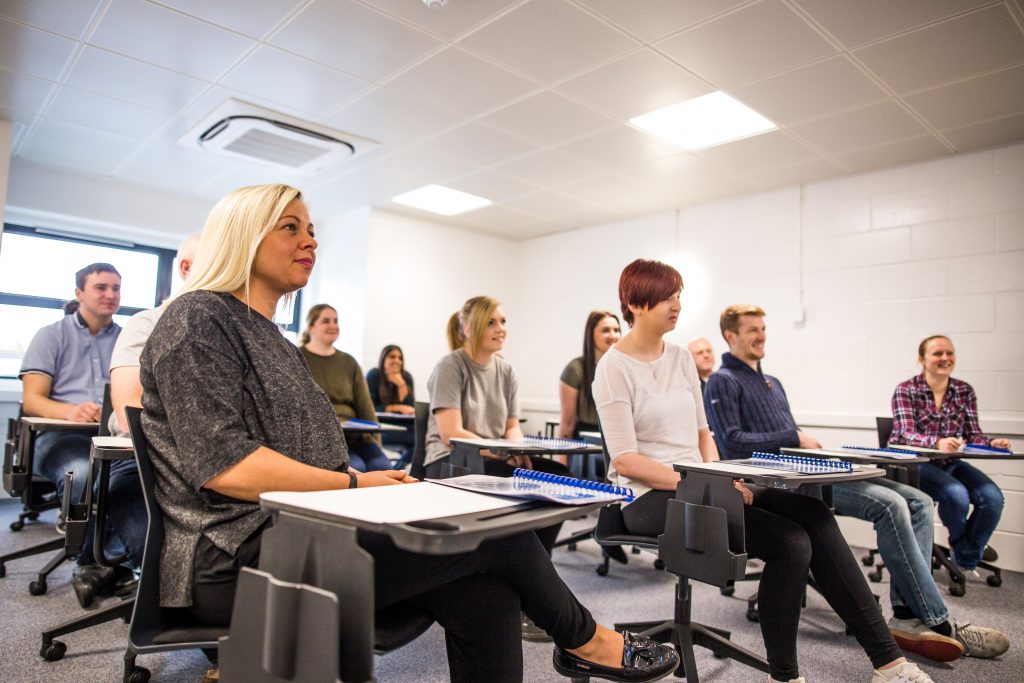
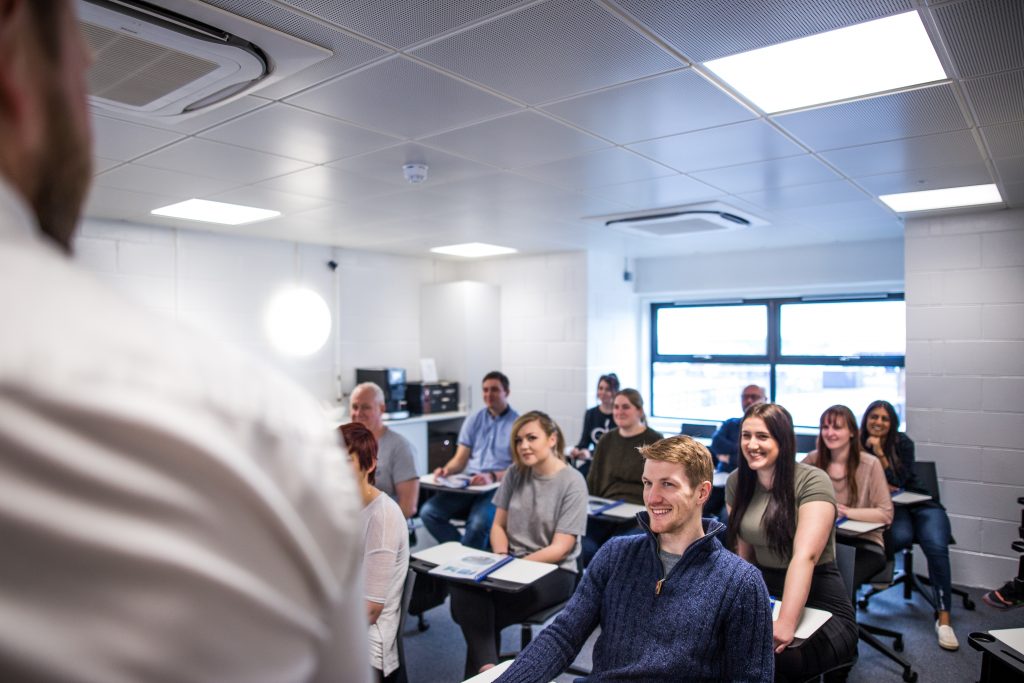
New changes to the STCW PSSR (Personal Safety and Social Responsibility) course have been introduced in 2026, to include more training and awareness on sexual harassment and assault.
New modules will be added to the course structure to ensure all crew members are educated in the prevention of violence and harassment, including bullying. Although not mandatory, it would be beneficial for all crew to be trained in the updated course structure to ensure conduct on board is to the highest standard.
What will the changes to PSSR mean for passengers?
The intention of introducing further learning to PSSR, to educate crew on violence and harassment, is to improve the social experience on board a vessel, for crew and passengers alike. Crew will be better equipped to handle onboard conflicts, manage relationships and behave appropriately. Promoting respectful, dignified conduct will result in a better passenger experience and improve the reputation of industry workers.
What will the changes to PSSR mean for crew?
For crew members updating their training, there will be little change to the course they took previously, apart from the duration being slightly longer to accommodate the new topics.
Violence and harassment have always been against policy on board a vessel; however, the new training in PSSR will give crew the skills they need to de-escalate a situation and manage relationships on board.
What will the changes to PSSR mean for training companies?
Any course change requires extensive research and training. Instructors will need to become well-versed in the updated course content so that they can confidently deliver the training to the crew. It is also important for a maritime training centre to contact its clients, ensuring they are well aware of the changes and advising them on how best to proceed.
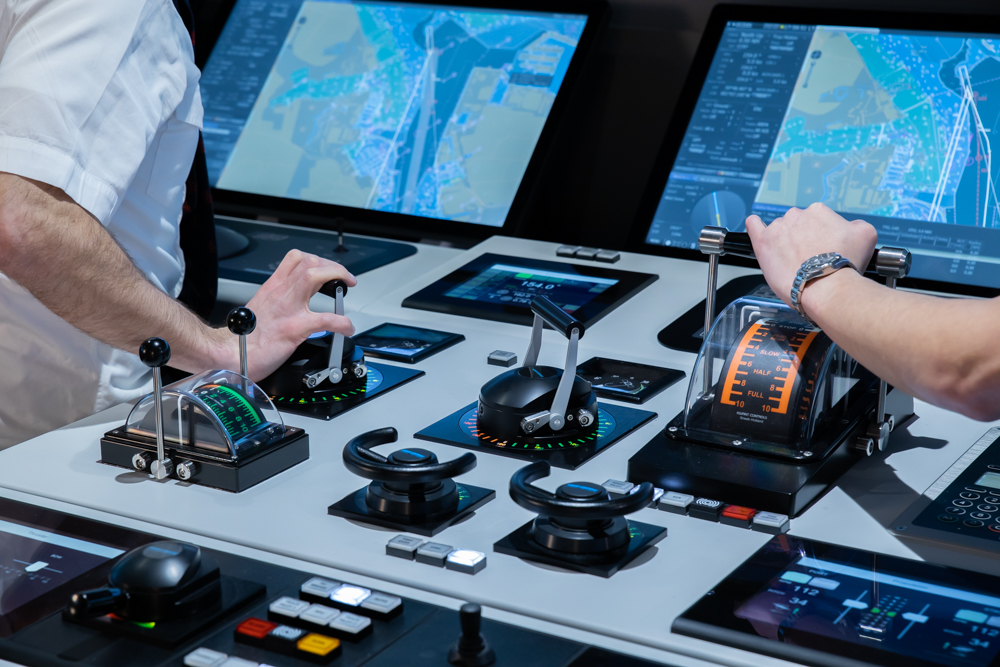
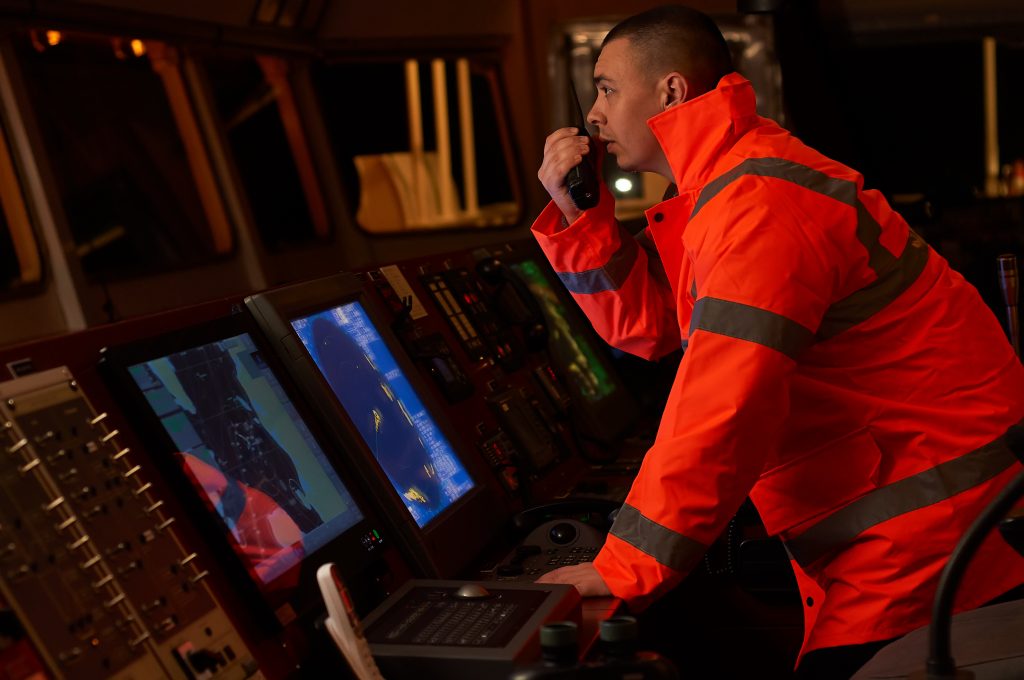
The latest MCA Safety Spotlight (July 2025) shines a harsh but necessary light on the ongoing risks linked to poor bridge watchkeeping practices. Despite advances in technology and regulation, collisions, groundings, and serious accidents are still occurring due to preventable human errors.
Numerous factors can impact the safety of bridge operations, including fatigue, distraction and misuse of equipment. In accordance with the MCA safety spotlight, vigilance, leadership, and discipline are the makings of good seamanship.
1. Fatigue Is More Common Than We Think
Fatigue is one of the most underestimated risks at sea. It creeps in quietly, reducing concentration and reaction times without the watchkeeper realising. Many recent accidents—highlighted in the MCA’s case studies—can be traced back to an overworked or poorly rested crew, sometimes due to commercial pressures or insufficient manning levels.
What can help:
Ensure accurate records of working and rest hours are maintained, in compliance with STCW and ILO conventions.
Masters should have the authority and company backing to refuse unsafe watch schedules.
Implement practical fatigue management strategies, including rotating watches to allow proper rest.
Promote open reporting of fatigue without fear of blame.
Key takeaway: A well-rested watchkeeper is sharper, safer, and far more effective than a tired one.
2. Keep Distractions to a Minimum
The MCA warns that mobile phones, personal tablets, and non-navigation tasks are increasingly cited as factors in collisions and groundings. In Case 1 of their recent investigation, a fatal collision occurred due to a watchkeeper being distracted by a personal tablet and having consumed alcohol hours before the watch.
What can help:
Enforce “no personal device” policies during bridge duty.
Establish clear bridge discipline—navigation comes first, always.
Conduct regular briefings on the risks of distractions and complacency.
Make use of bridge resource management (BRM) techniques to keep focus on tasks.
Key takeaway: Navigation requires 100% attention. Staying focused on the task at hand makes all the difference.
3. Watchkeeping Technology Is a Tool, Not a Replacement
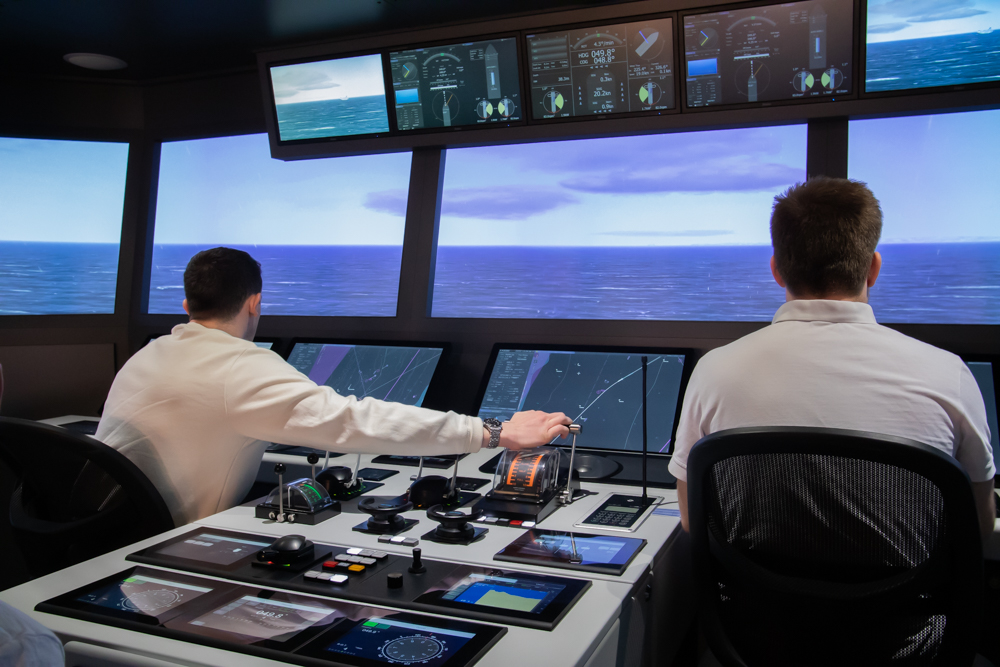
Bridge technology—radar, ECDIS, and BNWAS—has significantly improved maritime safety, but it cannot replace a lookout. The MCA has found that navigational aids are sometimes muted, set incorrectly, or relied upon without cross-checking with other methods.
What can help:
Ensure radar and ECDIS alarms (CPA, zones) are set appropriately for the vessel’s environment and traffic conditions.
Train officers not just on how to use these systems, but why settings matter.
Cross-verify electronic data with visual lookout and manual plotting.
Test BNWAS and other alarms to ensure they’re functioning correctly.
Key takeaway: Technology supports safe navigation—but only when used as part of a layered safety approach.
4. Continuous Training Is Essential
The STCW convention sets the standards for watchkeepers and their qualifications. However, to achieve a high level of competency and safety, watchkeepers should participate in ongoing training, practice and refresher courses. With complacency and outdated knowledge continuing to play a huge role in navigational errors.
Peer-to-peer learning onboard to ensure everyone understands procedures.
Make training a regular conversation, not a box-ticking exercise.
Key takeaway: Ongoing professional development is the difference between knowing the rules andapplying them instinctively under pressure.
5. Leadership and Culture Make the Difference
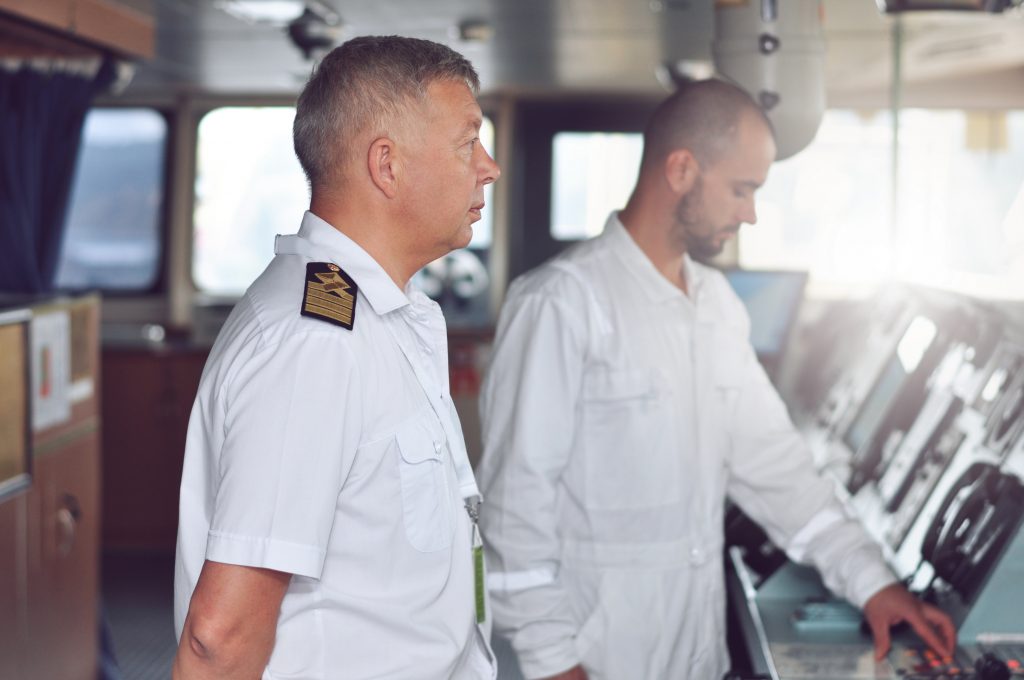
As figures of authority and an example for the rest of the crew, Masters, officers, and company leaders must promote a safety-first culture where proper watchkeeping is maintained. The MCA’s case studies show that weaker leadership and commercial pressures often result in best practices being overlooked.
What can help:
Embed watchkeeping standards into your Safety Management System (SMS).
Provide Masters with clear backing from shore management to enforce proper manning and rest periods.
Encourage open reporting of near-misses without fear of blame—this builds a culture of learning.
Demonstrate leadership by walking the talk—prioritising safety over speed or cost.
Key takeaway: A strong safety culture, supported by leadership, prevents the erosion of standards.
At The Maritime Skills Academy, we see these lessons as a positive opportunity to keep improving how we train and support watchkeepers. By blending technology, good habits, and strong teamwork, we can create safer, more efficient bridges. What may seem like a small step in developing a skillset will have a much larger impact on the industry, resulting in less incidents and casualties, globally.
If you’d like to learn more about how our training programmes—including Bridge Resource Management and COLREGs refreshers—can help your team, get in touch with us.
Maritime Skills Academy delegate Thomas Bishop is soon joining Windstar Cruises as a third engineer after completing his cadetship a few months ago. In order to work on board, Tom had to complete his STCW Basic Safety Training. But what does that mean?
After having completed his week of training, we caught up with Thom to find out how it went and how he feels it has prepared him for the next step in his career.
Day 1 – Fire Prevention & Fire Fighting
As someone who doesn’t play with fire, FPFF was a really good way to feel comfortable around fire by learning to use the equipment safely and being shown the proper methods of extinction, with explanations as to why we were doing it.
In the first practical, we demonstrated how to use a fire blanket to put out a grease pan fire effectively. I think many of the delegates, who were experiencing firefighting for the first time, were amazed at how little effort it takes to put out a fire, but still the whole point of the course is not to underestimate dealing with fire, especially on board.
With the fire extinguishers it was essential to practice using the equipment, such as testing them to ensure they work. So, when we’re doing he exercises, with the doors were open, and the fire raging, the instructors demonstrate how to make the most effective use of the fire extinguisher. You get to see how the fire behaves when it’s being actively attacked, and how it can reignite, and when it’s likely to reignite.
Day 2 – Fire Prevention & Fire Fighting
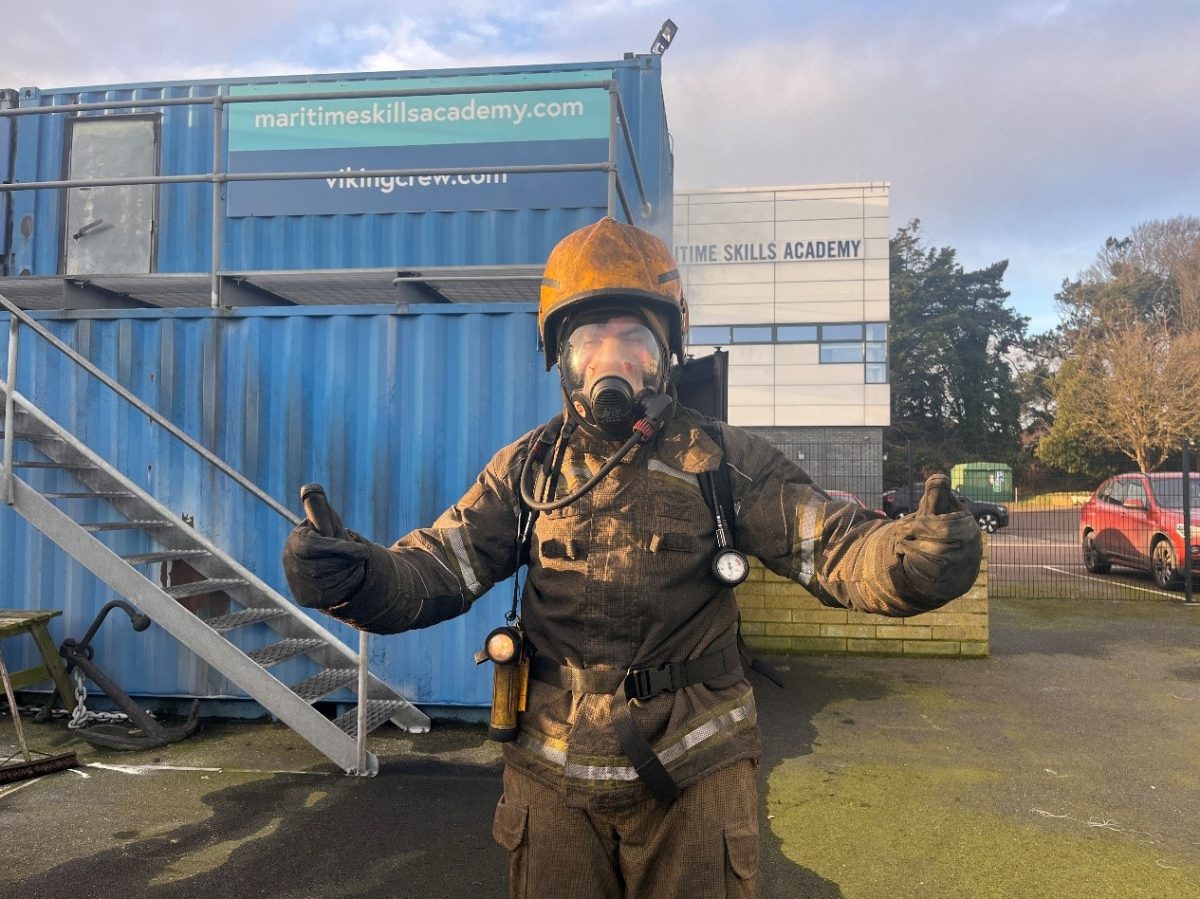
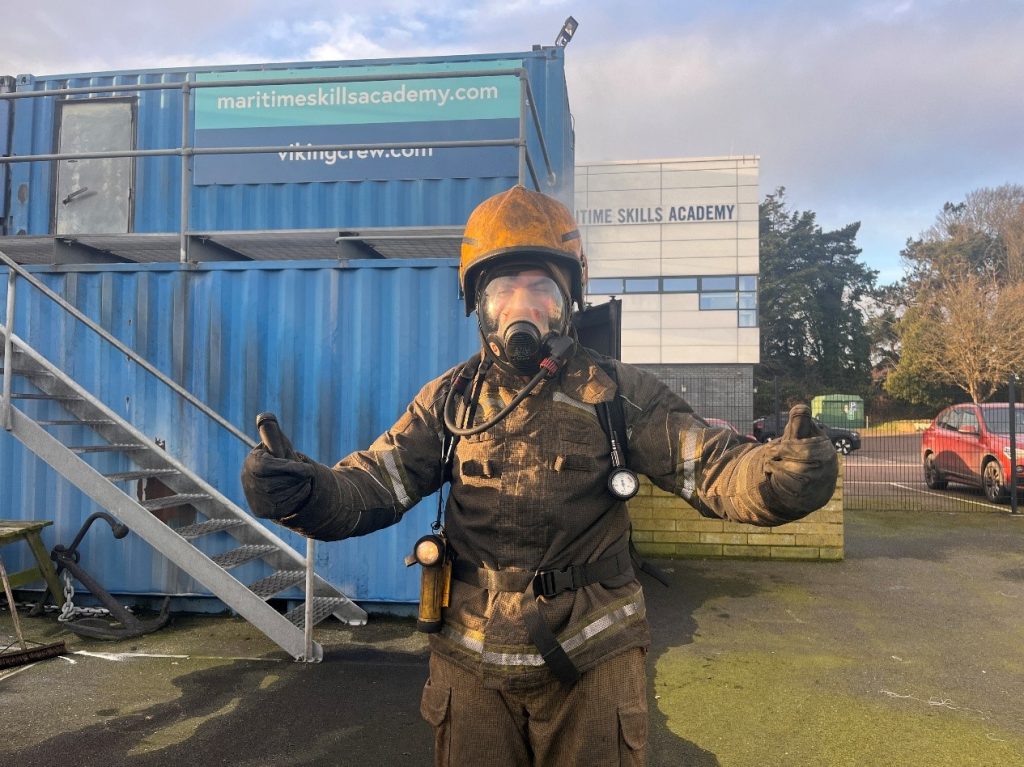
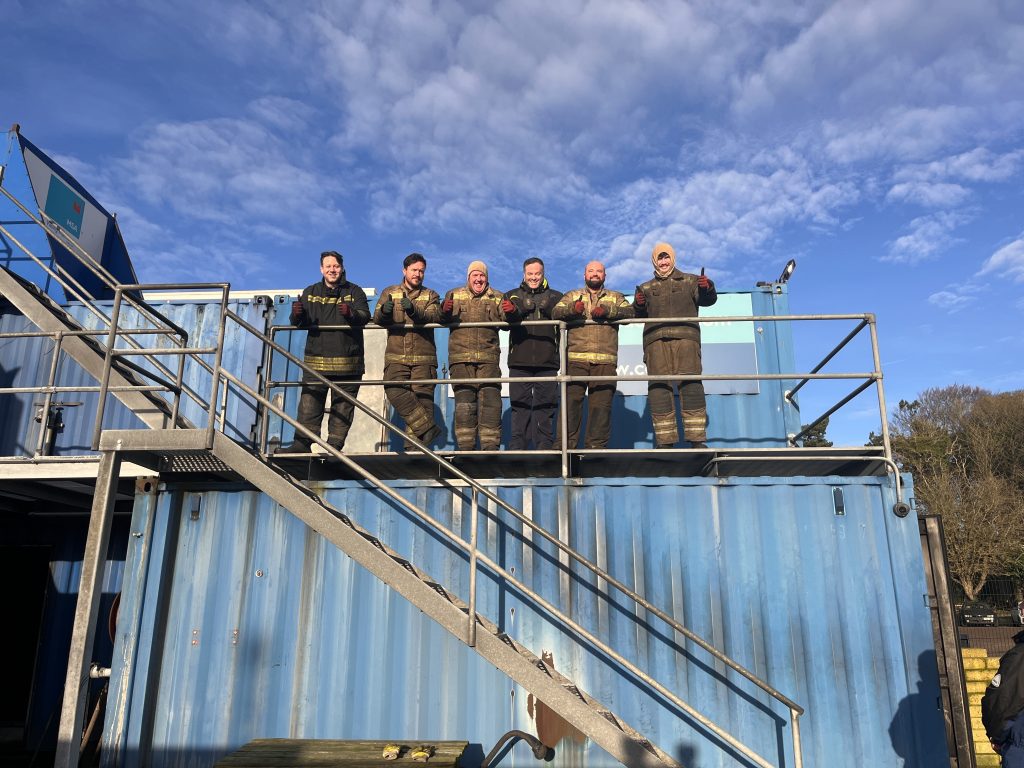
On the fire training ground, we had a cold walkthrough, so we suited up and had a practice run with no fire, spotting early dangers, as it was still quite dark in the containers. Then, the instructors would break down the manoeuvres we would need to use, so we had the chance to practice and build some teamwork before going into the real thing: making sure you’ve got contact with the wall and the person at the front at all times, how to sweep properly, entry checks, remembering to check your pressure gauge before going in, complete the on-scene commander’s request, whether a search and rescue or fighting a fire.
Afterwards, we were given feedback from the instructors before heading back in with a real fire. This is when it gets more interesting as it is hot in there, and nobody wants to be in there for too long! You’re exerting yourself, and the hotter you are, the harder you’re breathing, and the faster you’re getting through your oxygen.
It was an excellent exercise to see it all in action when the fire was going. Unless you’ve been in a fire emergency before, this is the next best thing. The instructors are there with you, so if there are any issues, you’ve got an expert who will immediately be able to assist as needed, and you feel like you’re in safe hands.
Day 3 – Personal Safety & Social Responsibilities
Anyone who’s ever completed PSSR will know it’s not the most riveting course– yet the instructors here are quite a funny bunch and always find a way to tell you a funny or silly story – that is always relevant to keep you interested. There’s nothing worse than a ‘death by PowerPoint’. However, these instructors have successfully delivered an engaging class on PSSR.
Day 4 – Personal Survival Techniques
PST was also excellent. We were shown how to don a life jacket correctly —and had a challenge in which we had to put them on in under a minute (this is the standard time expectancy for donning a life jacket). We then tried donning the immersion suits, for which I now hold the record for the fastest time to put one on, at 1 minute and 5 seconds.
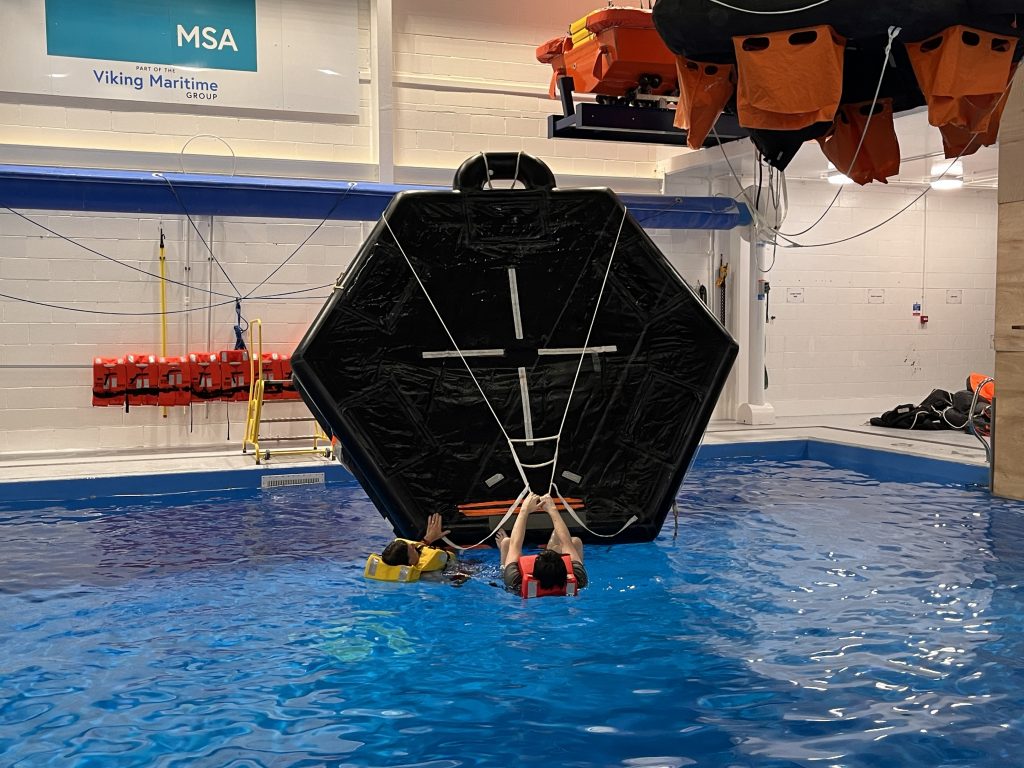
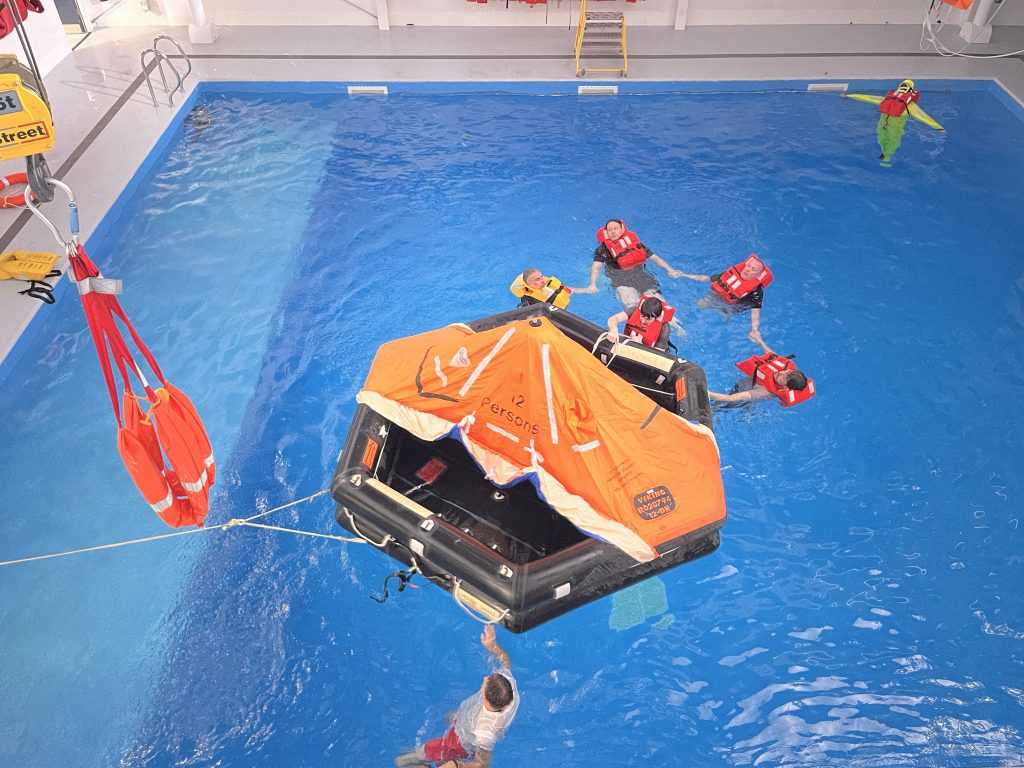
To begin the course we each had to complete a one metre jump into the water. The instructors were there to encourage us throughout and check our safety, one poolside and one in the water. We then completed a range of group exercises, swimming with an unconscious person, helping each other into the life raft, and righting a life raft.
The essence here is teamwork; if you ask anyone who has been to sea, it will always be teamwork. The more of you that survive, the greater your chances are of being found.
To put all our training into one final exercise, I was selected as party leader, and we were given the general emergency alarm, which is seven short blasts followed by one long one. After being given our abandon ship command by our Captain over the speakers, we had to perform all of the exercises we had practiced earlier in the day.
Day 5 – Elementary First Aid
I’ve received first aid training since I was about 13. Having been part of the army cadets and then working with Pegasus (a charity that provides support and services for children with a variety of severe and complex disabilities), this session was more of a refresher than a learning experience for me.
We were fortunate to have had a delegate who had previously worked as an ambulance driver on the course, so he was keen to share some of his anecdotes, helping to build an understanding of how others react in emergency medical situations.
We also used AEDs (defibrillators) and were able to remain cool, calm, and collected during the emergency scenarios. Even when practising in training scenarios, people become jittery because it’s quite realistic. It’s only a torso, but still, for some, it can put you on edge, especially in a classroom of peers.
Which element of the week did you enjoy the most?
My favourite part, that’s a tough question. For me, it comes down to these two: either FPFF with all the gear on and using the hoses, or during PST, as we enjoyed the fact that we were getting comfortable moving in the water with life jackets on, familiar with each other and what was being asked of us, such as locking arms and singing ‘Happy Birthday’ to keep morale up in an emergency – despite it not being anyone’s birthday!
Has your training prepared you adequately for returning to sea?
Absolutely. You learn everything that is set out for you to achieve. There is also a hidden curriculum that you become aware of with the trainers, with anecdotes on what not to do to encourage that you’re following the training you have been taught.
Would you recommend the MSA to others, and if so, why?
I would definitely. Being situated here in the southeast, you’ve got the option to complete many training courses quite close to home. Otherwise, the next closest training centre is at least a three- to six-hour drive away.
The instructors are dedicated to staying up-to-date with the course content and ensuring they are effective teachers. The MSA is constantly pushing to deliver more unique courses to cater for everyone’s needs, so you’d be doing yourself and your career service by getting in touch with the team here.
We’re glad to hear that Tom enjoyed his STCW Basic Safety Training, and hope to see him back at the MSA in five years’ time for his STCW refresher training, or possibly even before that, for one of our other maritime training courses.
If you’ve recently trained at the Maritime Skills Academy, and would like to share your story, then please get in touch with our marketing team here.