The MCA has announced new requirements for PSSR: Here’s how the changes will affect you 

New changes to the STCW PSSR (Personal Safety and Social Responsibility) course have been introduced in 2026, to include more training and awareness on sexual harassment and assault. 
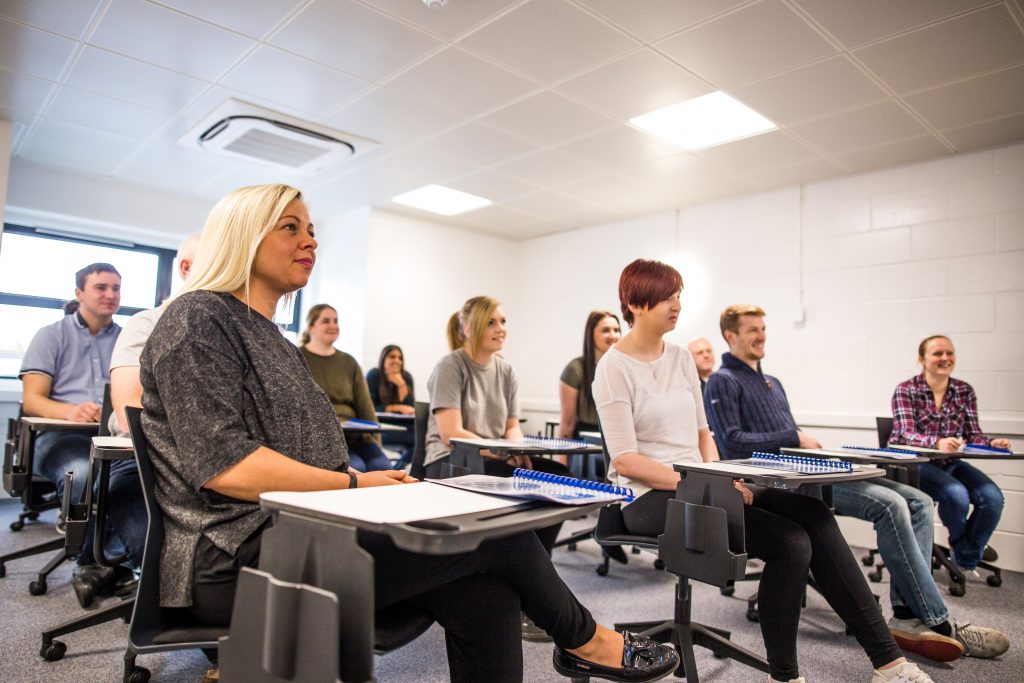
PSSR students in classroom, learning about latest updates

New modules will be added to the course structure to ensure all crew members are educated in the prevention of violence and harassment, including bullying. Although not mandatory, it would be beneficial for all crew to be trained in the updated course structure to ensure conduct on board is to the highest standard. 

What will the changes to PSSR mean for passengers?  

The intention of introducing further learning to PSSR, to educate crew on violence and harassment, is to improve the social experience on board a vessel, for crew and passengers alike. Crew will be better equipped to handle onboard conflicts, manage relationships and behave appropriately. Promoting respectful, dignified conduct will result in a better passenger experience and improve the reputation of industry workers. 

What will the changes to PSSR mean for crew?  

For crew members updating their training, there will be little change to the course they took previously, apart from the duration being slightly longer to accommodate the new topics.  
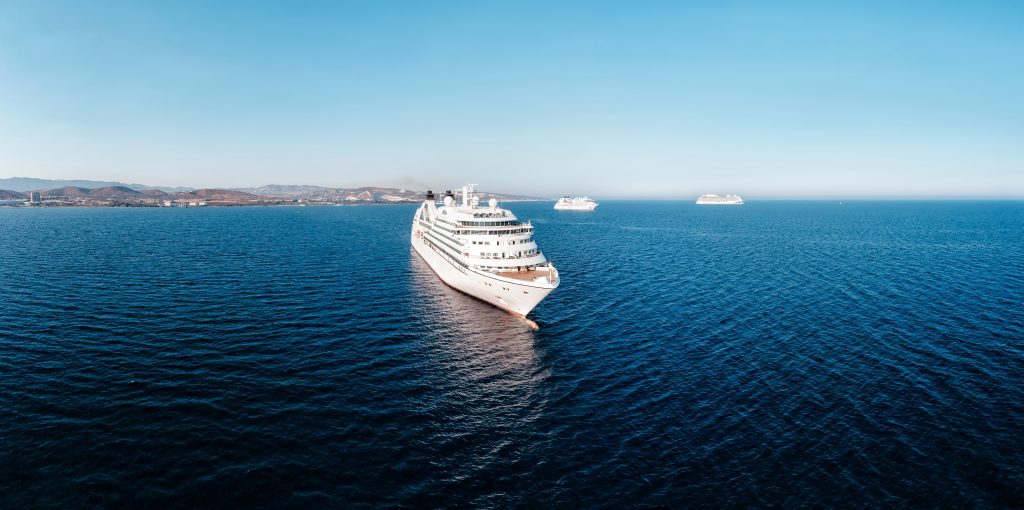
Cruise Ship sailing on a clear sunny day

Violence and harassment have always been against policy on board a vessel; however, the new training in PSSR will give crew the skills they need to de-escalate a situation and manage relationships on board.  

What will the changes to PSSR mean for training companies?  

Any course change requires extensive research and training. Instructors will need to become well-versed in the updated course content so that they can confidently deliver the training to the crew. It is also important for a maritime training centre to contact its clients, ensuring they are well aware of the changes and advising them on how best to proceed.   
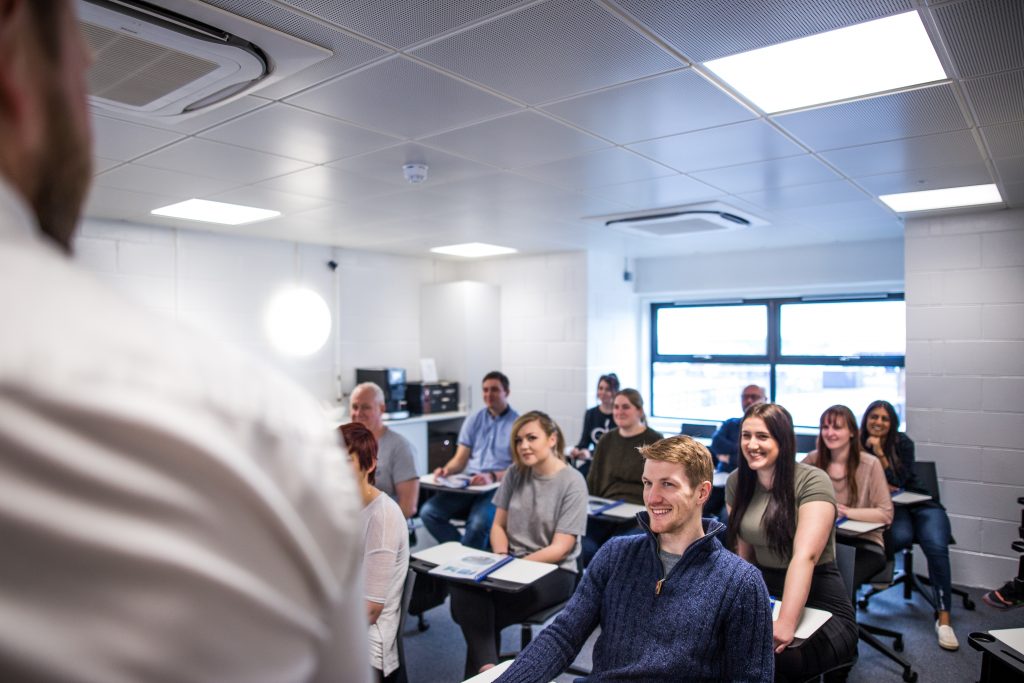
STCW students in classroom learning about PSSR

At the Maritime Skills Academy, we can help your training company stay up to date with ever-evolving course and industry regulations. If you’d like to book PSSR training for yourself or your crew, then please contact our team today to find out more.  
The Maritime Skills Academy Secures UKMPA Endorsement for Pilot Ladder Safety Training Course

The Maritime Skills Academy (MSA) is honoured to announce that its Pilot Ladder Safety Training Course is now formally endorsed by the United Kingdom Maritime Pilots’ Association (UKMPA), symbolising a significant step in the sustained effort to raise maritime safety standards.

The endorsement follows a collaborative agreement between the organisations, represented by Jason Wiltshire, UKMPA Vice-Chair, and Dean Stores, MSA Head of Training. Both commit to strengthening pilot ladder safety with a high-quality, industry-recognised course.

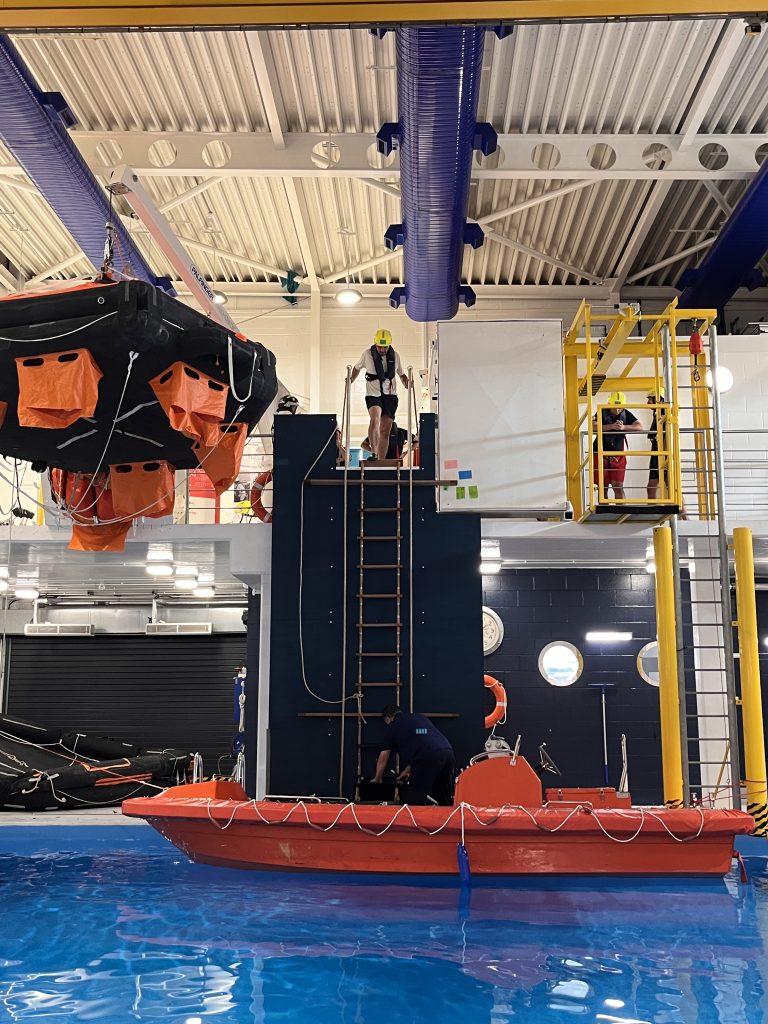
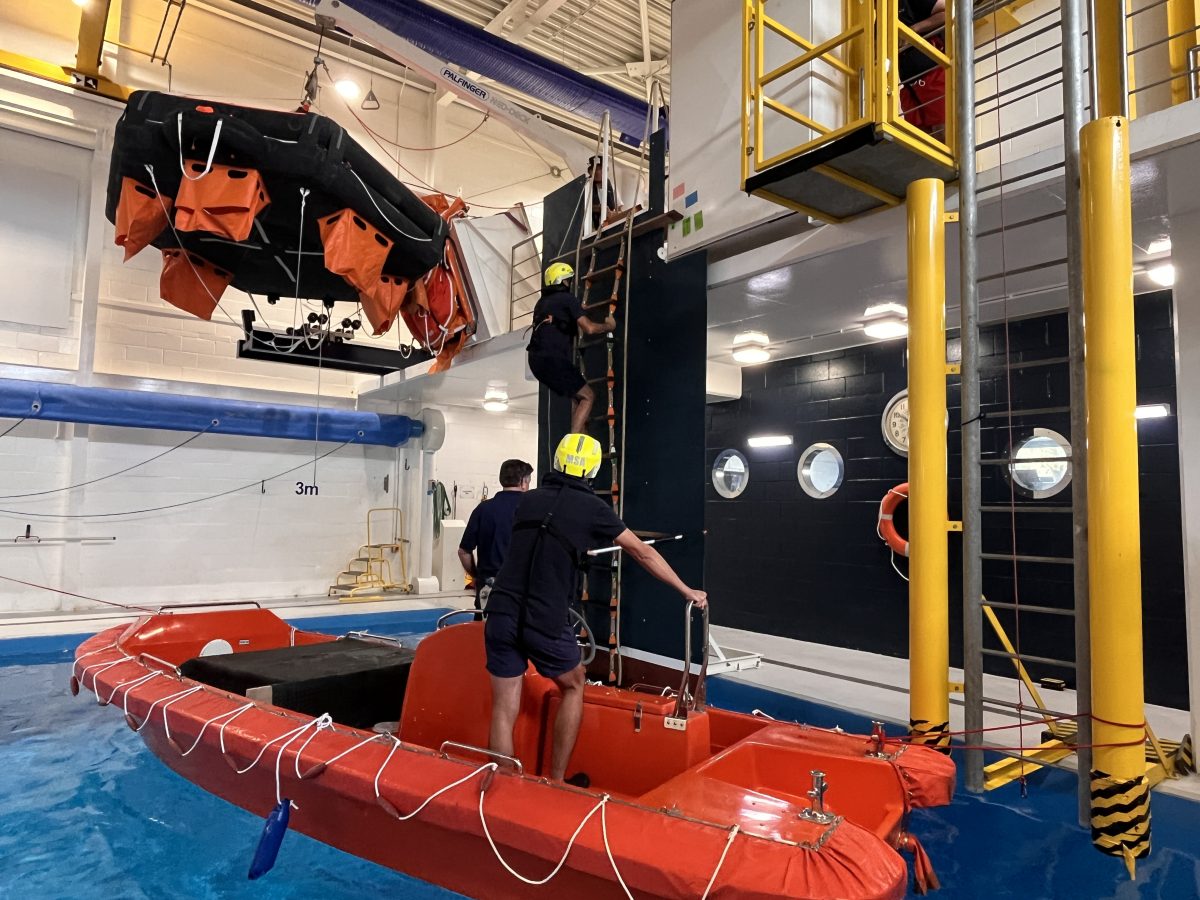
Image of a Pilot Ladder Transfer course with a fast rescue boat at the bottom of a ladder, for the Pilot's to safely practice ascending and descending.

Through this partnership, the UKMPA will actively review course content, delivery, and materials to ensure the training remains valuable for pilots and is aligned with advancing industry needs.

The MSA will adopt the UKMPA’s recommendations to maintain the highest standards. Notably, MSA has already commenced delivery of the endorsed pilot ladder training, with recent courses successfully attended by several pilots from the Port of Dover, as well as a joint initiative with specialist law enforcement personnel from a UK Government agency.

These early sessions reflect both strong industry demand and the immediate impact of the partnership on front-line safety training.

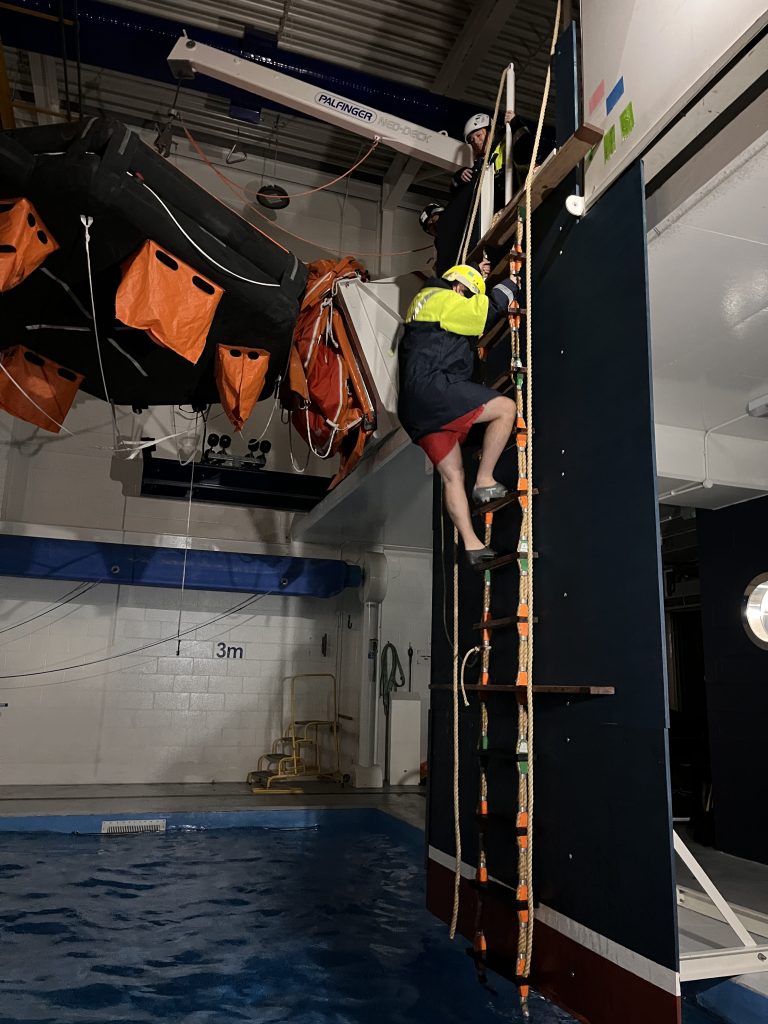
Image of crew descending a Pilot Ladder in a Pilot Ladder Safety Training session

MSA Head of Training, Dean Stores, commented, “We are delighted to receive this endorsement from the UKMPA. It represents the expertise of our team and affirms our pledge to improving safety in one of the industry’s highest-risk activities – pilot transfer operations.”

UKMPA Vice-Chair, Jason Wiltshire added, “Pilot ladder safety is a fundamental part of the pilotage profession and vital for safe transfers at sea. Ongoing reporting shows persistent risks, with global transfer incidents averaging around two pilot fatalities each year. The UKMPA’s endorsement of MSA’s Pilot Ladder Safety Training Course reflects our commitment to collaboration, best practice and reducing preventable incidents.”  

By joining the UKMPA Annual Conference later this year as an exhibitor, MSA will deepen its collaboration with the pilotage community and help drive industry dialogue on safety, innovation, and operational quality—underscoring MSA’s leadership and long-term obligation to safer maritime practices.


About the United Kingdom Maritime Pilots’ Association (UKMPA)

The United Kingdom Maritime Pilots’ Association (UKMPA) is the professional body representing approximately 500 licensed maritime pilots across the UK. Committed to the highest standards of safety, efficiency and professionalism in pilotage, the UKMPA advocates for its members and promotes best practice across the global maritime industry.

Maritime pilots play a critical role in guiding vessels safely through UK waters, protecting lives, property, and the marine environment, while ensuring the smooth movement of goods and passengers vital to the national economy.

For more information, visit www.ukmpa.org

Maritime Damage Control | What Ship Owners and Operators Must Know to Stay Compliant

Why proactive training for maritime damage control is non-negotiable, and how the Maritime Skills Academy leads the way.

When a maritime emergency occurs, whether through collision, grounding, flooding, or structural failure, your crew’s ability to respond swiftly and effectively can determine the difference between a controlled incident and a catastrophic loss. Maritime damage control is not a best practice; it is a mandatory compliance requirement under international maritime regulation.

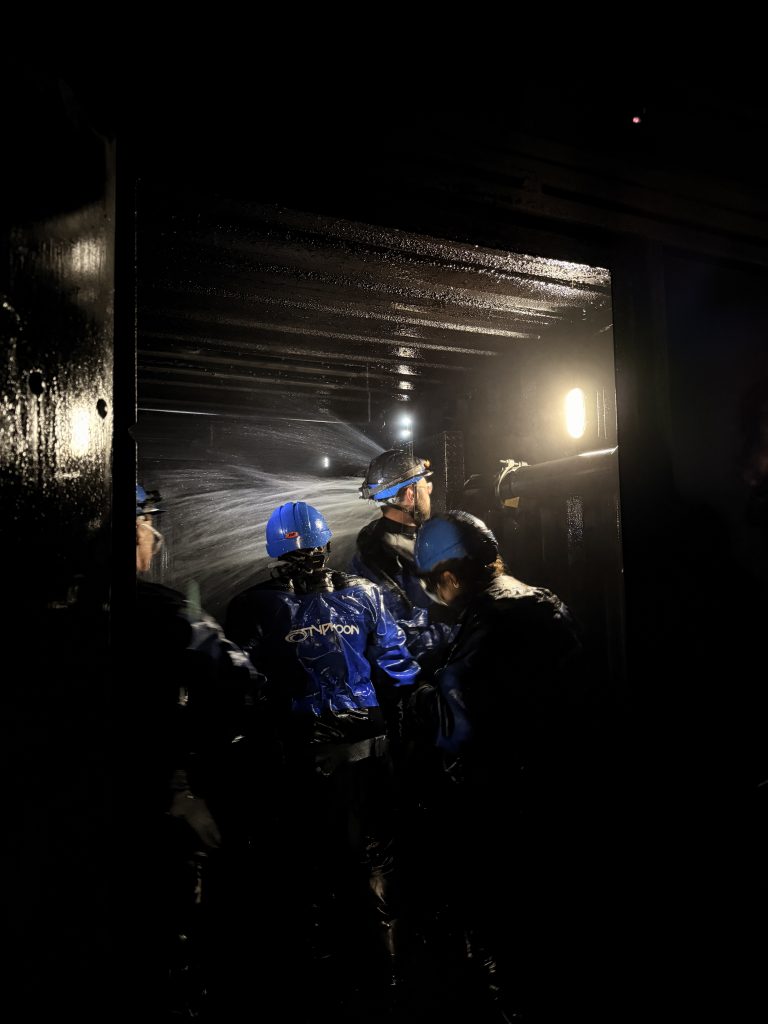
Maritime Damage Control Training at the Maritime Skills Academy in Kent.

For ship owners and operators, understanding these obligations is essential. Having the correct procedures, documentation, training and drill routines is an expectation of regulatory practice under the top governing bodies, SOLAS, STCW and the ISM Code.

And yet very few training organisations have the capability for facilities to deliver genuine, hands-on damage control training. In fact, the Maritime Skills Academy (MSA) is the only UK training provider that delivers a dedicated maritime damage control course, giving operators a unique opportunity to ensure full compliance while enhancing operational resilience.

Why Maritime Damage Control Matters More Than Ever

With international regulators tightening their expectations around emergency preparedness, passenger ships are required to conduct damage control drills every three months under new SOLAS updates. Each drill is designed to test crew responses to scenarios such as flooding, stability loss, or other structural emergencies. These drills must simulate varied conditions and require crew to operate key systems such as watertight doors, bilge pumps, cross-flooding systems, and flooding detection devices.

Additionally, at least one drill annually must include activation of shore-based support to validate communication systems and stability assessment protocols.

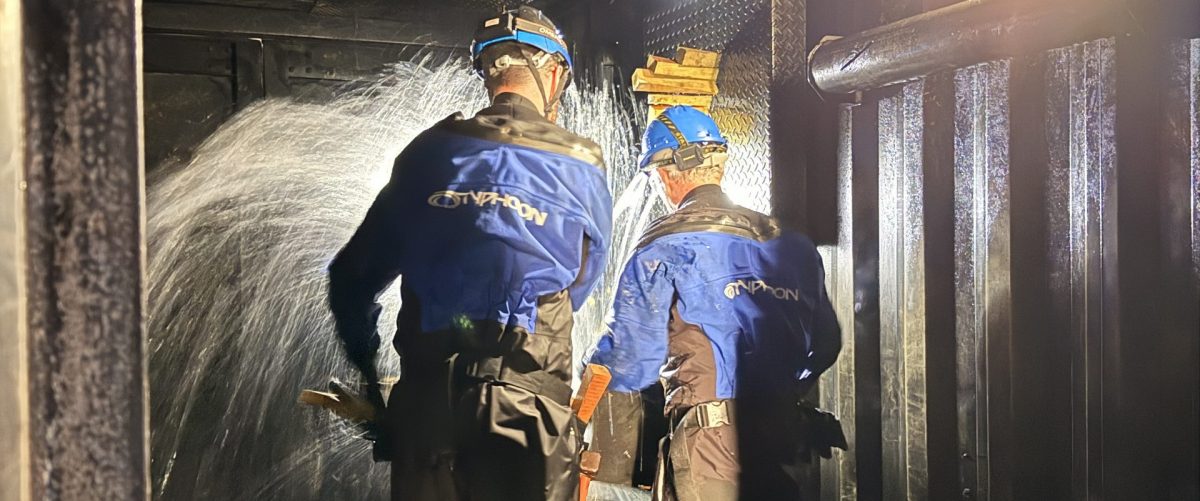
Maritime Damage Control Training at the Maritime Skills Academy in Kent. There are four crew members assessing a burst pipe with water spraying behind them.

Regulatory Requirements Every Owner and Operator Must Meet

No matter the vessel, safety implementation is there for a reason, and respected bodies of authority regulate the conditions of these vessels to ensure everyone is operating at a safe standard.

Authorities such as SOLAS, the ISM Code and STCW all stress the significance of regular drills and crew being thoroughly versed in emergency procedures. However, many operators struggle to maintain these expectations.

Despite clear regulatory expectations, these weaknesses can be, and regularly are, identified during flag-state inspections and ISM audits.

The most common pitfalls for operators are insufficient practical training, lack of realistic damage control situations, inconsistent drills, gaps in familiarity and audit findings.

How to close the Compliance Gap with Maritime Damage Control

As the UK’s only provider of dedicated maritime damage control training, the maritime Skills Academy offers an unparalleled service to ship owners and operators seeking to meet their regulatory obligations and enhance real-world readiness.

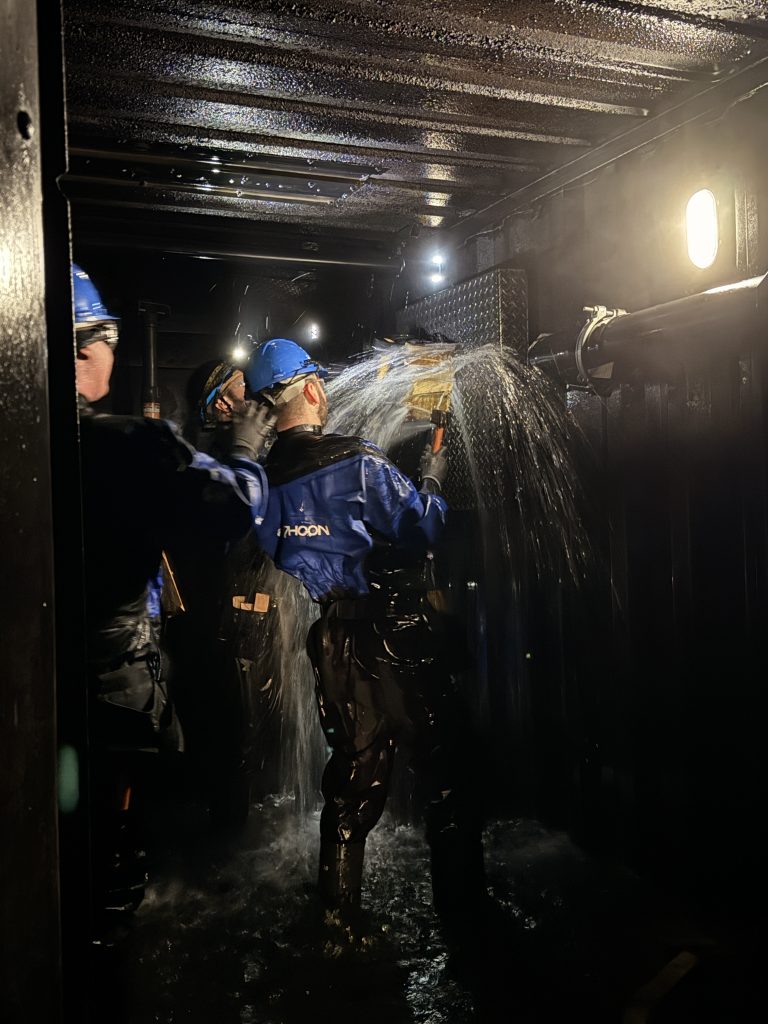
Our maritime damage control training course allows crew to train in realistic, controlled flooding environments, operate live bilge systems and watertight closure, practice flood containment with dewatering techniques, patching and shoring.

By recreating the high-stress environment under the guidance of our skilled instructors, crew are able to put their classroom learning into practice which is essential for real-world capability, bridging the gap between drills and emergencies.

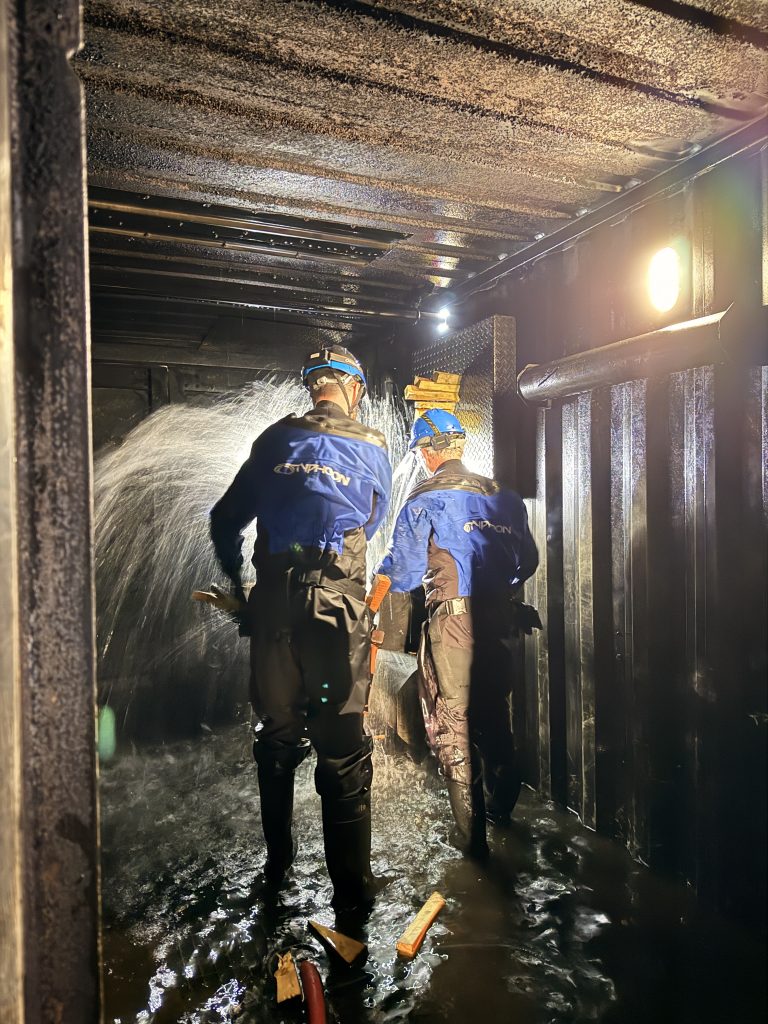
Maritime Damage Control Training at the Maritime Skills Academy in Kent. The image is of the inside of a container, posing as the interior of a ship's engine room that might experience a burst pipe or rupture. There are three crew members trying to stop the water flowing through a burst with wooden blocks.

Strengthen your compliance with the Maritime Skills Academy

Ship owners and operators carry the ultimate responsibility for ensuring their vessels and crew can withstand the unexpected. Strengthen your compliance. Strengthen your crew. Strengthen your ship.

The Maritime skills Academy is ready to support you with the UK’s only comprehensive maritime damage control training solution.