Understanding the Dangers of Enclosed Space Entry on Ships: Why Training and Awareness Matter

Enclosed space entry remains a significant contributor to seafarer fatalities and poses a hidden danger on board many vessels. 

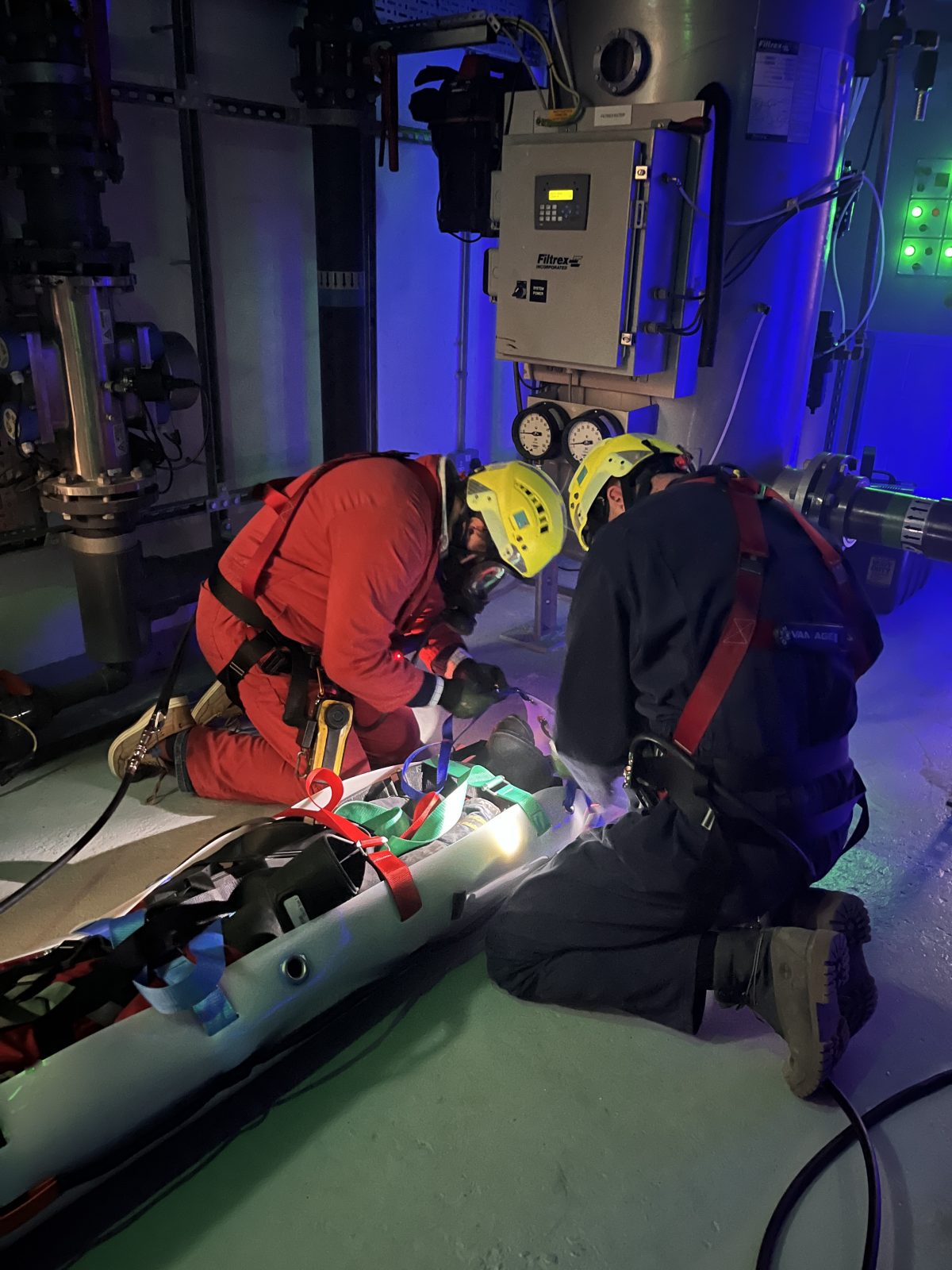
Without proper training and precautions, crew members face serious threats, including asphyxiation, toxic exposure, and entrapment in confined spaces such as ballast tanks, cargo hold and other compartments with inadequate ventilation. 

The Statistics Behind the Risk

According to the UK Marine Accident Investigation Branch (MAIB), “nearly 60% of fatalities in enclosed space incidents involve would-be rescuers.” These are often colleagues who rush in without protective equipment or proper procedures, attempting to save an incapacitated crewmate, putting themselves also at risk. 
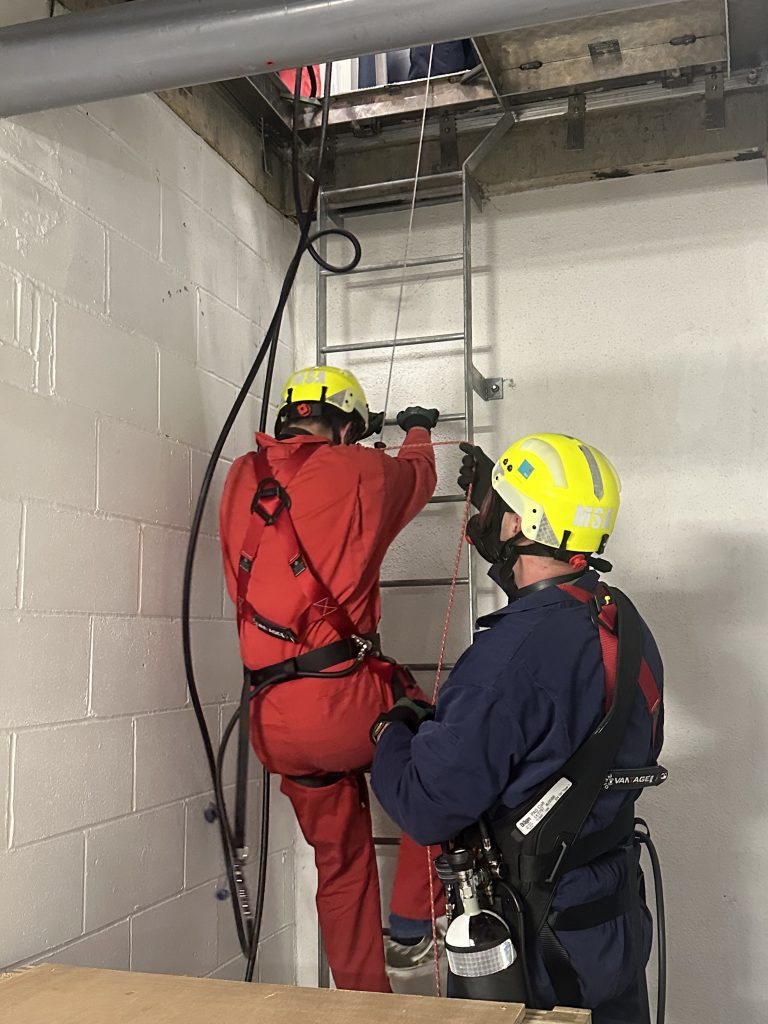
Delegate climbing ladder in enclosed space

According to the IMO, enclosed space incidents account for approximately 15% of all shipboard fatalities. Over the past decade, the industry has recorded more than 100 fatalities linked to these extreme environments.

A 2020 report by the International Transport Workers’ Federation (ITF) identified insufficient training, complacency, and a lack of safety protocols as key factors in most incidents. There are regulatory frameworks in place to prevent these fatalities, which outline safety measures for entering enclosed spaces. However, the risk remains high due to lapses in training, education, and onboard culture.

 Reinforcing the Message at the Maritime Skills Academy 

At the Maritime Skills Academy (MSA), Operations Director, Mark Jaenicke, attended the UK Chamber of Shipping’s Safety Culture Conference, held in Newcastle earlier this year, where it was highlighted that enclosed space entry is a critical safety issue. 

The conference emphasised the urgent need to embed a culture of safety at all levels of maritime operations. Key discussions from industry speakers focused on the role of leadership in shaping attitudes towards risk, the value of reflective learning from incidents, and the need for stronger accountability systems on board.

The conference emphasised that safety culture encompasses not only policies and training, but also mindset, communication, and empowerment. Enclosed space entry has been cited as a prime example of where gaps in culture can lead to fatal consequences, making it essential that safety initiatives address both technical training and behavioural change.

Why Enclosed Spaces Are So Dangerous

The atmosphere inside an enclosed space can quickly become hazardous and even deadly. Possible threats may arise from reduced oxygen levels, the presence of flammable or toxic gases, and the potential for sudden shifts in pressure or contents. 
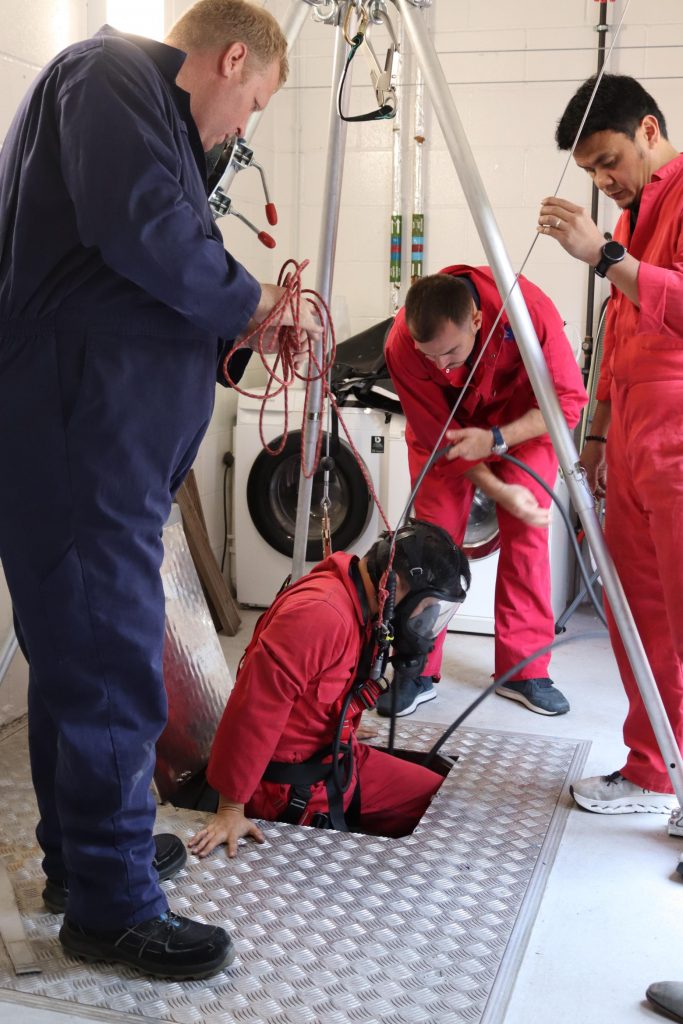
Delegate entering trap door into enclosed space

Gases, such as hydrogen sulfide or carbon monoxide, are odourless and lethal even in small concentrations. Without proper testing and monitoring, crew members may unknowingly enter an environment that is immediately harmful.

Industry Recommendations and Best Practices

To mitigate these risks, the maritime industry emphasises:

  • Robust Training – Crew members must receive MNTB or flag-state-recognised training in enclosed space entry and rescue. Training should include hazard recognition, use of gas detection instruments, proper PPE, and emergency procedures.
  • Strict Permit-to-Work Systems – No one should enter an enclosed space without a properly completed entry permit, confirming that the atmosphere has been tested and deemed safe.
  • Use of Monitoring Equipment – Continuous gas monitoring and ventilation systems must be in place before and during entry.
  • Drills and Emergency Planning – Regular emergency response drills should be conducted, including scenarios involving enclosed spaces.
  • Safety Culture and Leadership – Companies must foster a culture where safety is prioritised over speed or convenience, and crew members are empowered to stop unsafe operations.

Enclosed space entry remains a persistent and deadly risk onboard ships. Although the industry has made progress in implementing safe practices, real change comes from up-to-date training, leadership commitment, and crew vigilance.
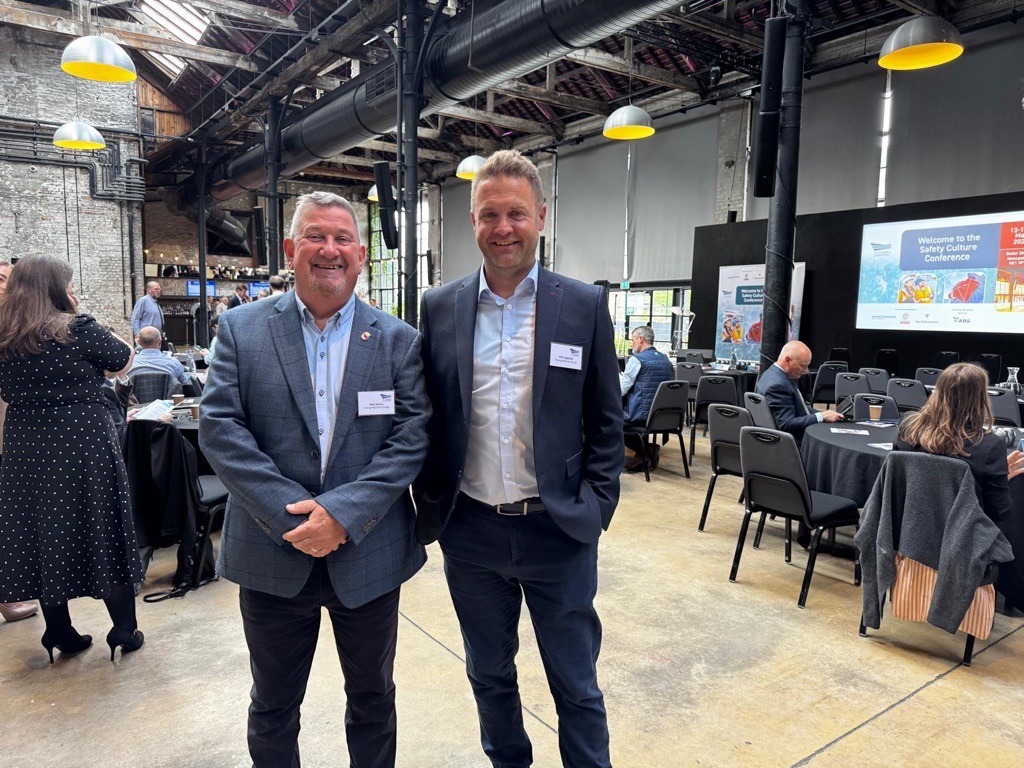
Mark Jaenicke and Matt Horton attending the UK Chamber of shipping Safety Culture Conference

Both the UK Chamber of Shipping Safety Culture Conference and the Joint Industry Workshop reinforced the same message: 

“Investment in safety education and embracing an educational culture onboard will improve enclosed space safety and reduce fatalities.” 


How the MSA is Helping Reduce Enclosed Space Entry Fatalities

Through continual learning and training, our centre in Dover is equipped with a custom-built enclosed space hatch, allowing delegates to practice safe entry and exit into enclosed spaces.

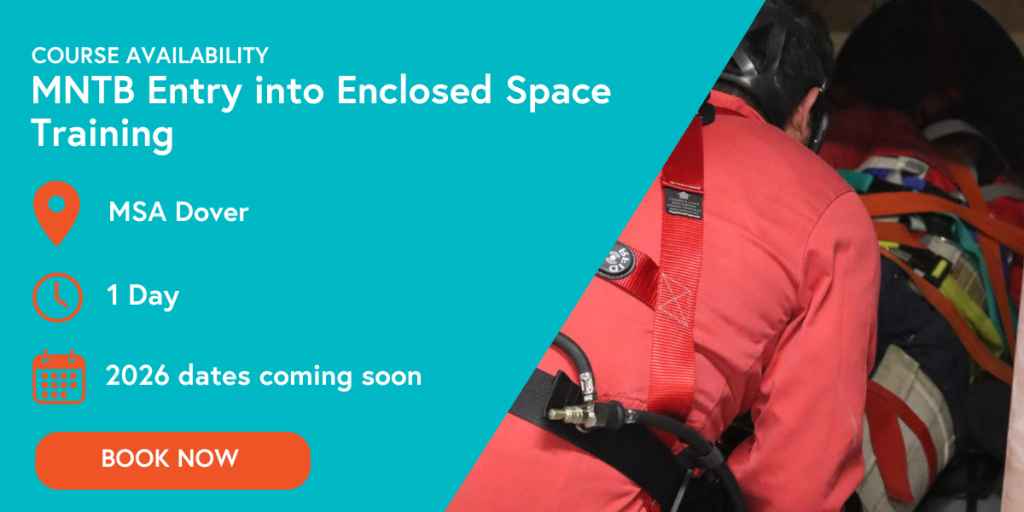
With available dates for 2025, and 2026 dates soon to be released, you can view the full course details here. 
 References and Further Reading:

Mental Health First Aid Training for Staff at the Maritime Skills Academy

Viking Maritime Group Marketing and Communications Manager, Jade Jaenicke recently completed a two-day Mental Health First Aider training course as part of the company’s commitment to the well-being of all staff.

Here is an insight into the training from Jade’s perspective and her thoughts after having completed the course.

Becoming a Mental Health First Aider

In a world where conversations about mental health are becoming increasingly normalised, I recently took a step to contribute to this important dialogue by completing Mental Health First Aider training. Along with several of my colleagues at Viking Maritime Group, I spent two days equipping myself with the tools to recognise when others may need support and guidance if they are struggling with their mental health.

Why Choose Mental Health First Aid Training?

Mental health challenges are something many of us face, either personally or through those we care about. Yet, the stigma around discussing these struggles often silences people. I wanted to be part of breaking that cycle. While I often find myself a shoulder to lean on, I realised that having formal training could make my support more effective and informed.

What the Training Entailed

The training was structured to provide comprehensive knowledge and practical skills.

We began by debunking myths and deepening our understanding of common mental health issues like anxiety, depression, and stress. It was eye-opening to see how these issues manifest differently for everyone.

We learned to identify early signs of mental health challenges, ranging from subtle behavioural changes to more overt expressions of distress. Recognising these signs early can make a huge difference.

Much like physical first aid, mental health first aid focuses on immediate assistance. We practised listening non-judgmentally, offering reassurance, and providing information about professional help when needed.

A critical part of the training involved handling situations like panic attacks, suicidal thoughts, or acute anxiety episodes. Role-playing these scenarios was intense but crucial in building confidence for if a situation arises that we would need to deal with.

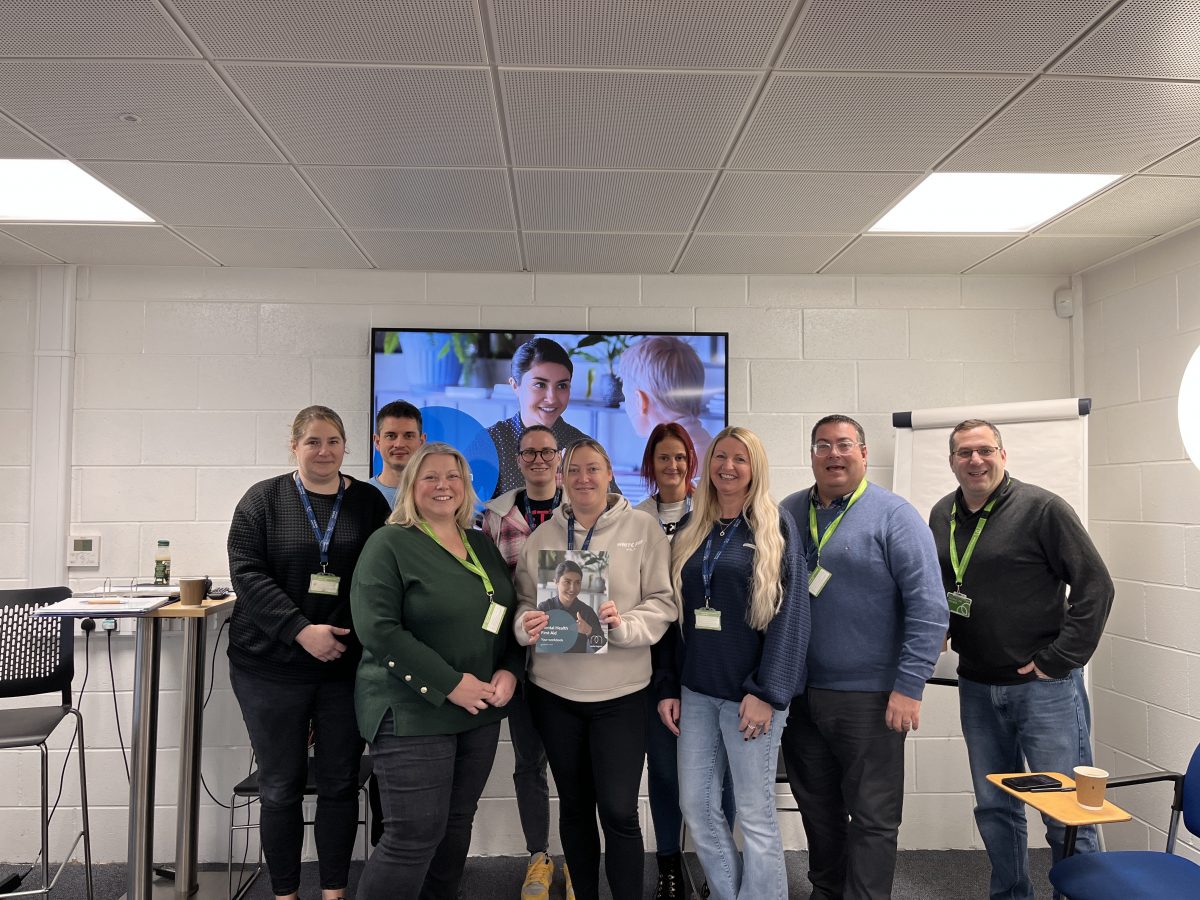
Image of Viking Maritime Group Managers stood together facing the camera | Mental Health First Aid Training
Jade pictured third from right

Personal Takeaways

The training reminded me that everyone’s story is unique. Rather than trying to “fix” someone, my role as a Mental Health First Aider is to create a safe space where the person feels heard and supported. I now have the skills, knowledge, and confidence to listen, support, and direct someone to where they can best source the relevant help.

Supporting others can be emotionally taxing, so we were taught the importance of maintaining our own mental well-being. This includes setting boundaries and seeking to help ourselves when needed, as well as ensuring we are practising self-care regularly, whether that be taking a long bath or going to the gym.

A kind word, an open ear, or simply showing up for someone can have a profound impact.

Since completing the training, I’ve started noticing how small changes in language and behaviour can make a big difference. Whether it’s at work, with friends, or even strangers, I feel more equipped to navigate conversations about mental health with confidence and compassion.

Becoming a Mental Health First Aider doesn’t mean I have all the answers. But it does mean I’m better prepared to guide someone to the help they need.

I encourage anyone considering Mental Health First Aider Training to sign up. Not only does it enhance your ability to help others, but it also strengthens your own understanding of mental health. Together, we can make a difference.

If you or someone you know if struggling, you can find helpful resources below:

https://www.mind.org.uk/information-support

https://mhfaengland.org/crisis-support

Or if you’d like to find out more and book a course to become accredited yourself, please click here: https://mhfaengland.org/

Bespoke Operational Firefighting Training at the Maritime Skills Academy

Fire onboard a ship is one of the most dangerous emergencies crew can face. It threatens lives, disrupts operations, and can cause catastrophic damage to the vessel and the environment. This is why comprehensive and realistic firefighting training is crucial for all seafarers. The Maritime Skills Academy (MSA) has world-renowned training centres that equip maritime professionals with the skills and confidence to tackle fire-related emergencies effectively. In this blog, we’ll explore the importance of Operational Firefighting training and how the MSA prepares its delegates for this critical aspect of maritime safety.

Understanding the Risk of Firefighting at Sea

The enclosed environment of a ship, the presence of combustible materials, and the potential for rapid fire spread make firefighting at sea uniquely challenging. Unlike on land, seafarers cannot rely on immediate external help; they must be self-reliant and capable of containing and extinguishing fires. This necessitates rigorous training to ensure every crew member can respond swiftly and effectively to a fire emergency.

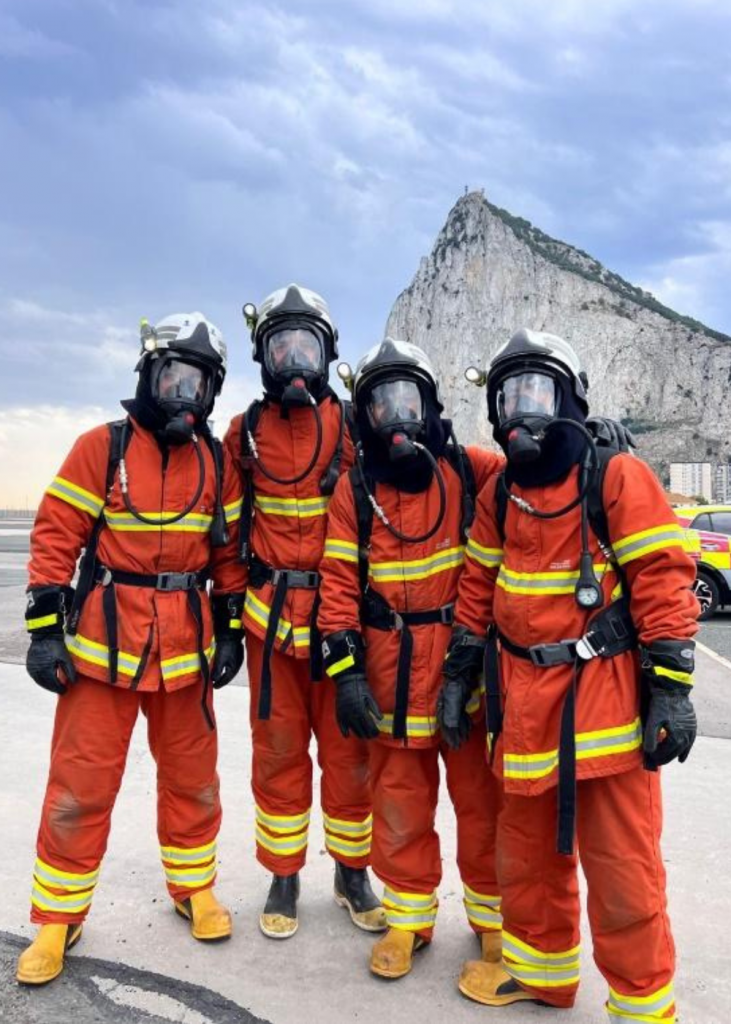
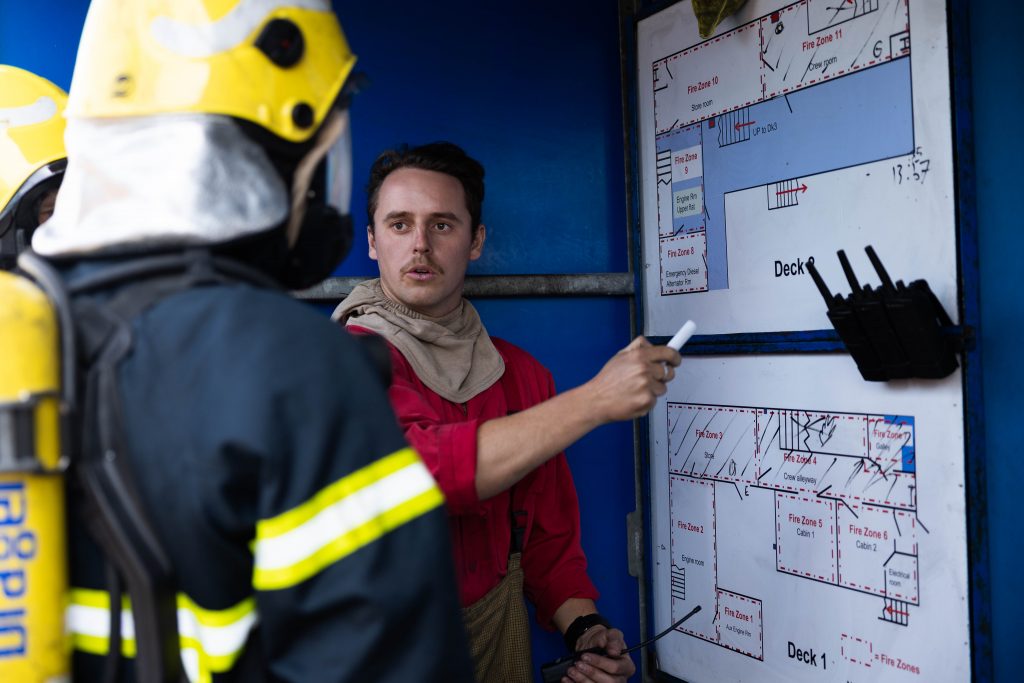
Operational FireFighting at MSA Gibraltar | Bespoke

The Importance of Teamwork and Communication

Effective firefighting at sea is not just about individual skill; it’s about teamwork and communication. The confined and hazardous environment of a ship requires all crew members to work in harmony, follow procedures, and maintain clear communication. MSA’s training emphasises these aspects, ensuring that delegates are proficient in firefighting and capable of working as part of a cohesive team.

The Maritime Skills Academy’s Approach to Operational FireFighting

The MSA offers an Operational Fire Fighting training programme completely tailored to incorporate a vessel’s safety management system and emergency response procedures. A full consultation is carried out before training to ensure a beyond-compliance training programme is delivered specific to the client’s needs.

The training is hands-on, with fire teams being exposed to highly realistic fire scenarios, helping them develop the skills to make fact-based decisions on the front line, while enhancing their communication abilities.

Senior Officers are invited to participate, focusing on command and control and delivering clear and effective briefings and debriefings to the teams. This is the ideal environment to learn from mistakes, with expert instructors providing guidance at every stage.

Crew will gain greater confidence with both their equipment and procedures, leading to faster response times in real-life situations on board.

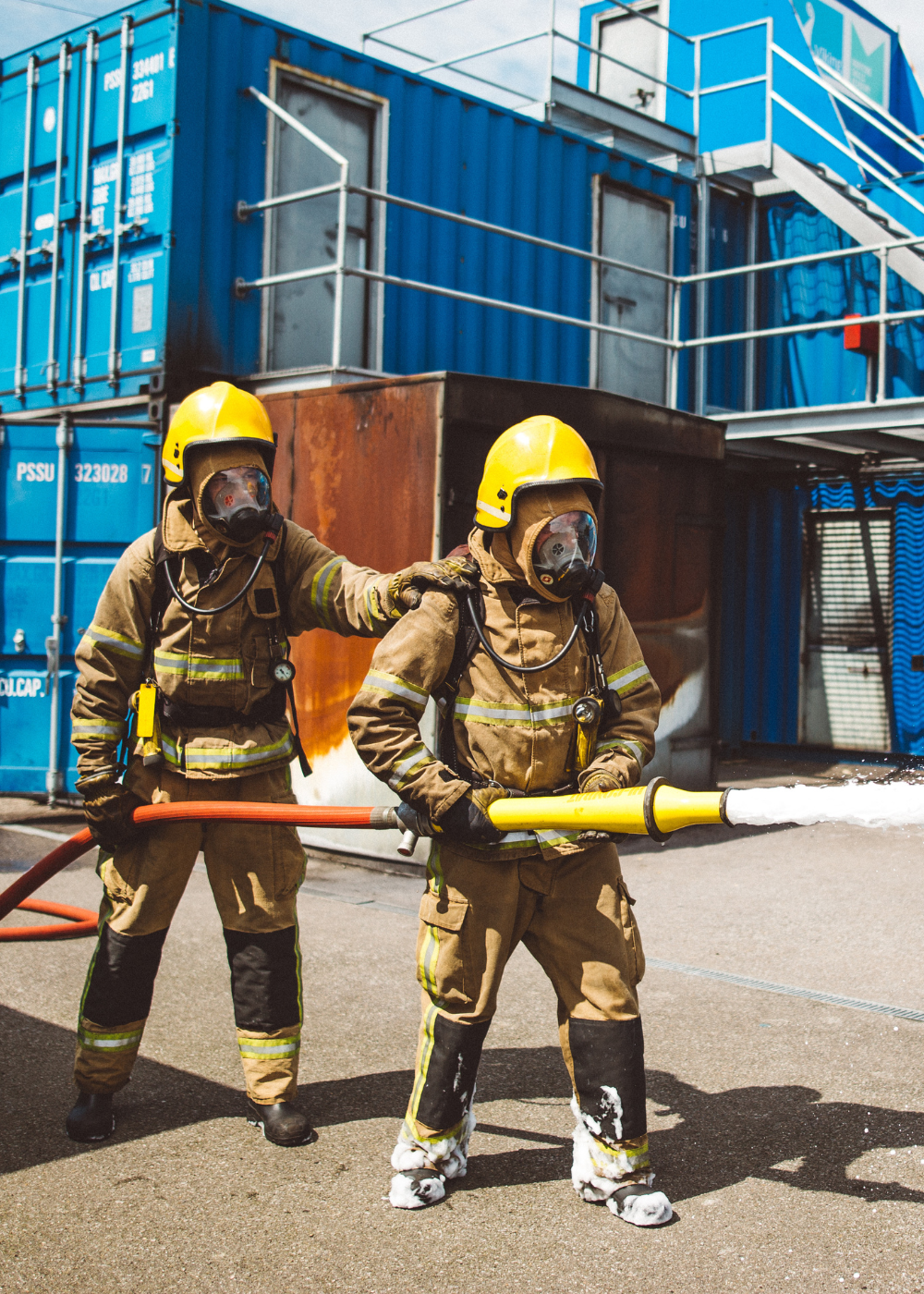
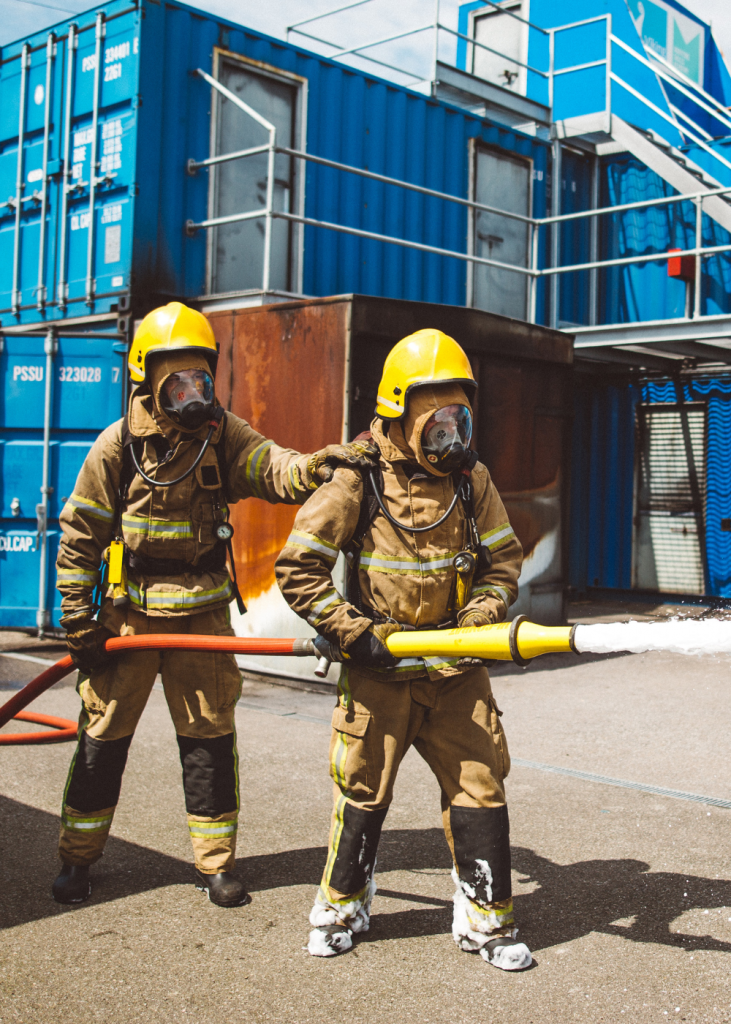
Operatational Fire Fighting training at MSA Dover

The training is immersive, simulating real-life conditions, including various scenarios, such as engine room fires, accommodation fires, and galley fires. These setups provide a realistic setting for delegates to practice using firefighting equipment, handling smoke and heat, and navigating confined spaces.

Operational Firefighting training at the Maritime Skills Academy is critical to maritime safety. It prepares seafarers to tackle one of the most formidable challenges they may face at sea.

With its experienced instructors and realistic training scenarios, the MSA ensures that its delegates have the skills, knowledge, and confidence to protect themselves, their crewmates, and their vessels from the devastating impact of onboard fires. Investing in Operational FireFighting training in addition to mandatory STCW training is vital to ensure safety at sea.

Offering bespoke Operational Firefighting training from multiple locations, including Dover, Gibraltar, and the Philippines, makes the MSA accessible to many.

For more information on Operational Firefighting training, click here

Additional Fire Safety Courses Available at the Maritime Skills Academy:

•          STCW Fire Prevention & Fire Fighting Training Course (FPFF)

•          STCW Updated Proficiency in Fire Prevention & Fire Fighting Training Course (UFPFF)

•          STCW Advanced Fire Fighting Training Course (AFF)

•          STCW Updated Proficiency in Advanced Fire Fighting Training Course (UAFF)

Operational Firefighting training briefing