The Maritime Skills Academy Secures UKMPA Endorsement for Pilot Ladder Safety Training Course

The Maritime Skills Academy (MSA) is honoured to announce that its Pilot Ladder Safety Training Course is now formally endorsed by the United Kingdom Maritime Pilots’ Association (UKMPA), symbolising a significant step in the sustained effort to raise maritime safety standards.

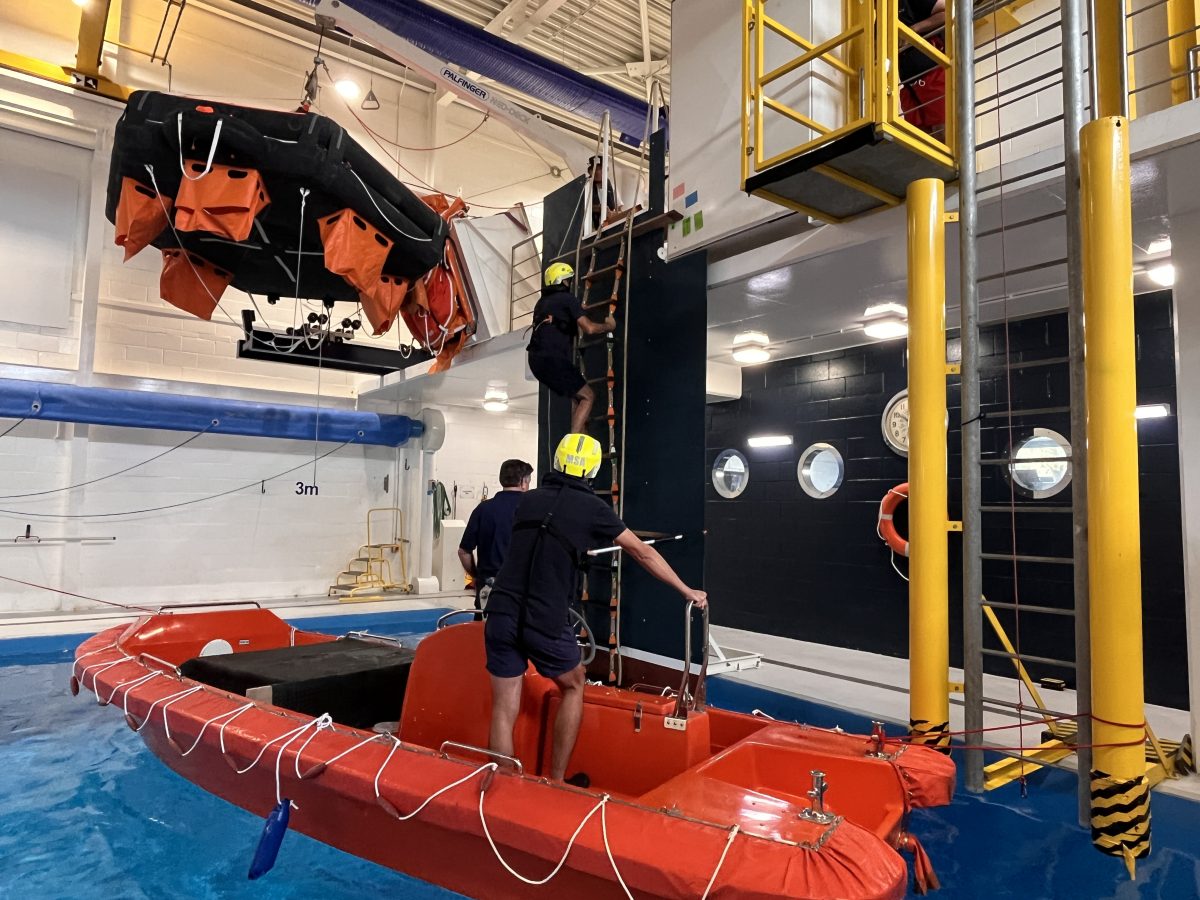
The endorsement follows a collaborative agreement between the organisations, represented by Jason Wiltshire, UKMPA Vice-Chair, and Dean Stores, MSA Head of Training. Both commit to strengthening pilot ladder safety with a high-quality, industry-recognised course.
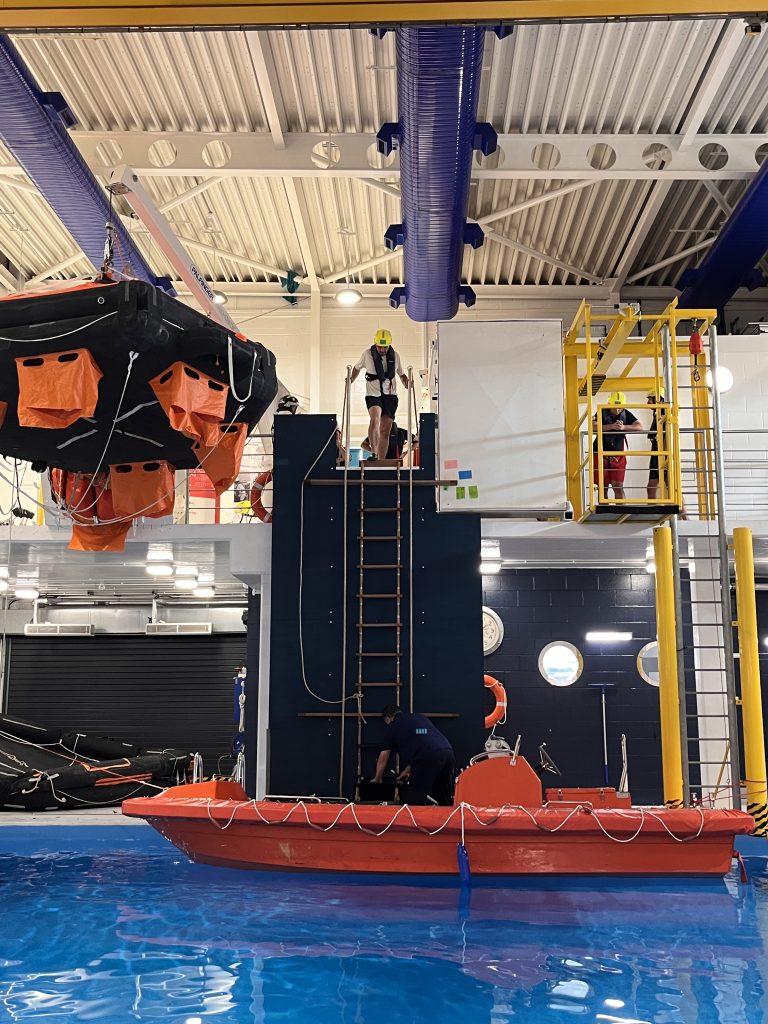
Image of a Pilot Ladder Transfer course with a fast rescue boat at the bottom of a ladder, for the Pilot's to safely practice ascending and descending.

Through this partnership, the UKMPA will actively review course content, delivery, and materials to ensure the training remains valuable for pilots and is aligned with advancing industry needs.

The MSA will adopt the UKMPA’s recommendations to maintain the highest standards. Notably, MSA has already commenced delivery of the endorsed pilot ladder training, with recent courses successfully attended by several pilots from the Port of Dover, as well as a joint initiative with specialist law enforcement personnel from a UK Government agency.

These early sessions reflect both strong industry demand and the immediate impact of the partnership on front-line safety training.
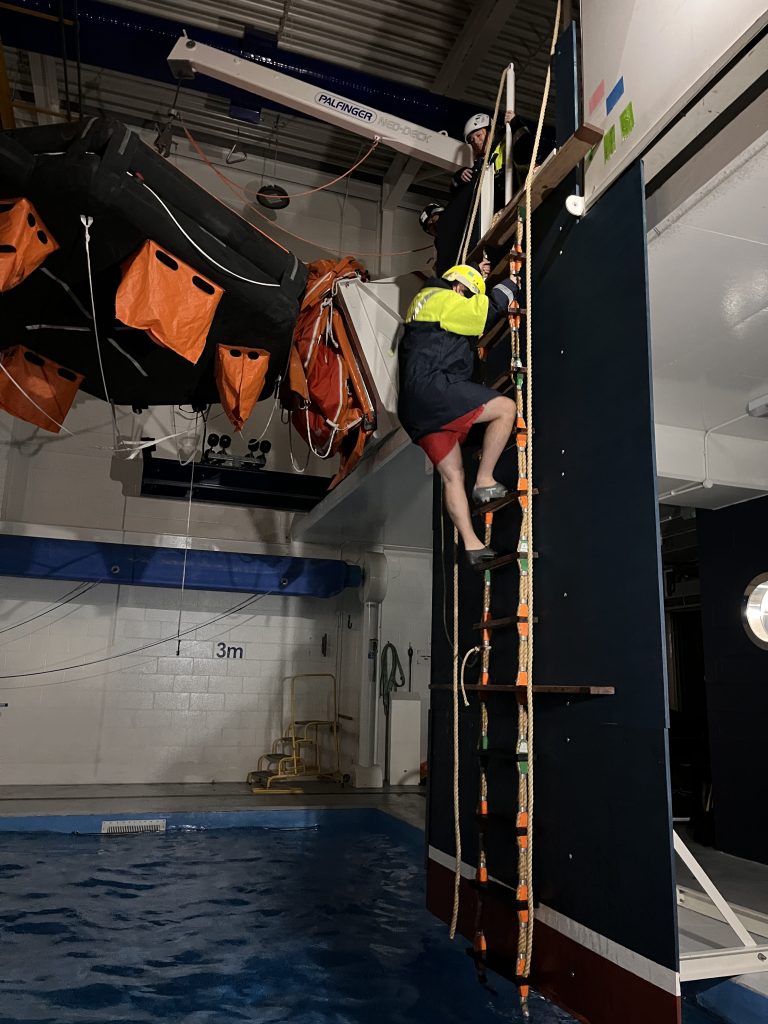
Image of crew descending a Pilot Ladder in a Pilot Ladder Safety Training session

MSA Head of Training, Dean Stores, commented, “We are delighted to receive this endorsement from the UKMPA. It represents the expertise of our team and affirms our pledge to improving safety in one of the industry’s highest-risk activities – pilot transfer operations.”

UKMPA Vice-Chair, Jason Wiltshire added, “Pilot ladder safety is a fundamental part of the pilotage profession and vital for safe transfers at sea. Ongoing reporting shows persistent risks, with global transfer incidents averaging around two pilot fatalities each year. The UKMPA’s endorsement of MSA’s Pilot Ladder Safety Training Course reflects our commitment to collaboration, best practice and reducing preventable incidents.”  

By joining the UKMPA Annual Conference later this year as an exhibitor, MSA will deepen its collaboration with the pilotage community and help drive industry dialogue on safety, innovation, and operational quality—underscoring MSA’s leadership and long-term obligation to safer maritime practices.


About the United Kingdom Maritime Pilots’ Association (UKMPA)

The United Kingdom Maritime Pilots’ Association (UKMPA) is the professional body representing approximately 500 licensed maritime pilots across the UK. Committed to the highest standards of safety, efficiency and professionalism in pilotage, the UKMPA advocates for its members and promotes best practice across the global maritime industry.

Maritime pilots play a critical role in guiding vessels safely through UK waters, protecting lives, property, and the marine environment, while ensuring the smooth movement of goods and passengers vital to the national economy.

For more information, visit www.ukmpa.org
Marine Evacuation Systems (MES): Safety at Sea 

In the maritime industry, evacuation and safety systems are vital in the event of an emergency. Arguably, none are as critical as the Marine Evacuation System (MES). Saving countless lives year on year, MES systems are designed to be utilised on large vessels, carrying thousands of passengers.  

For this reason, it is imperative that crew should be properly trained and able to guide passengers through the various marine evacuation systems available on board.  

At the Maritime Skills Academy, our hands-on training prepares crew for onboard emergencies with two industry-leading technologies, Brude and VIKING LSE.  

What is a Marine Evacuation System (MES)? 

Marine Evacuation Systems (MES) are inflatable evacuation systems that allow for quick and controlled descent from a ship into life rafts. The most common type of MES is the chute-based system, which connects the ship to life rafts via a vertical or inclined inflatable chute. 

These systems are designed to deploy within minutes and accommodate large numbers of people efficiently, even in challenging sea conditions. 

Why Are MES Used on Ships? 

MES are used on large passenger vessels, mainly due to the majority of people onboard not being trained or prepared for emergencies. These are optimal for their general ease of use and efficiency in evacuating passengers quickly.  

Fastest Marine Evacuation Solution  

In the event of a fire, collision, sinking, or any situation where all on board will be required to abandon ship, an MES system is the fastest solution.  With multiple MES chutes installed onboard, multiple evacuations can take place simultaneously.  

Ease of use 

Marine Evacuation Systems are very straightforward to use. This means that passengers can descend calmly, leaving enough time for crew to follow suit. The MES will also offer a controlled descent, allowing evacuees to determine their pace, reducing overall stress.  

Independent Operation  

If a vessel is in an emergency situation that has caused power outages or poses a danger if power is used, the ideal evacuation system will be independent from the ship’s electrical operations. MES systems are manually deployed by a specialised, dedicated crew, which means they can be used in almost any emergency event. 

MES SOLAS regulations 

To ensure international safety standards are met, every passenger vessel must harbour a Marine Evacuation System onboard, that has been inspected within the last six years. Crew are also required to be trained in the operation of the Marine Evacuation System they have on board their vessel, which will most likely be a VIKING or Brude system. 

Types of Ships That Use MES 

MES are typically found on passenger ferries, cruise ships, Ro-Ro vessels, highspeed crafts and offshore installations. 

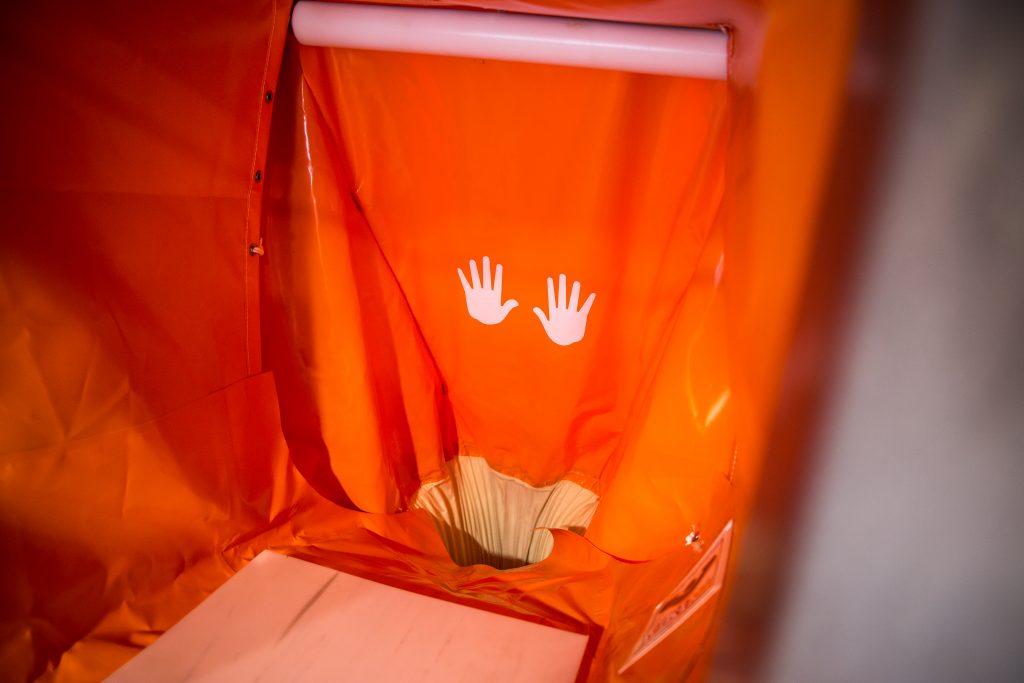
VIKING LSE Marine Evacuation System entrance

These vessels often carry hundreds or thousands of passengers and crew, making fast and efficient evacuation systems essential. 

Benefits of MES Chutes 

Speed 

Marine Evacuation Systems can deploy and be ready for use in under 90 seconds which makes them the perfect solution for onboard emergency and mass evacuation.  

Capacity 

Some Marine Evacuation Systems can evacuate over 600 people in 30 minutes. For ferries and cruise ships, this is a significant benefit, as they transport a large number of people.  

Safety 

Lifeboat launches can be unpleasant, uncomfortable and in worst case scenarios, fatal. MES Chutes are a safer, easier solution that can provide a smooth evacuation for all, even without experience. 

Compact storage 

MES systems are small and compact. Taking up significantly less room than lifeboats or davit storage. They are also easy to deploy by comparison, making for a more pleasant environment especially onboard cruise ships, where passengers are expecting luxury.  

Training at Maritime Skills Academy (MSA) 

At the Maritime Skills Academy, our Marine Evacuation System training is designed to prepare crew for emergency evacuations. Teaching not only how to depart the vessel themselves, but how to encourage and explain the process to peers. Community and teamwork are essential in an onboard emergency and crew will be required to guide passengers through the evacuation scenario, should it occur.  

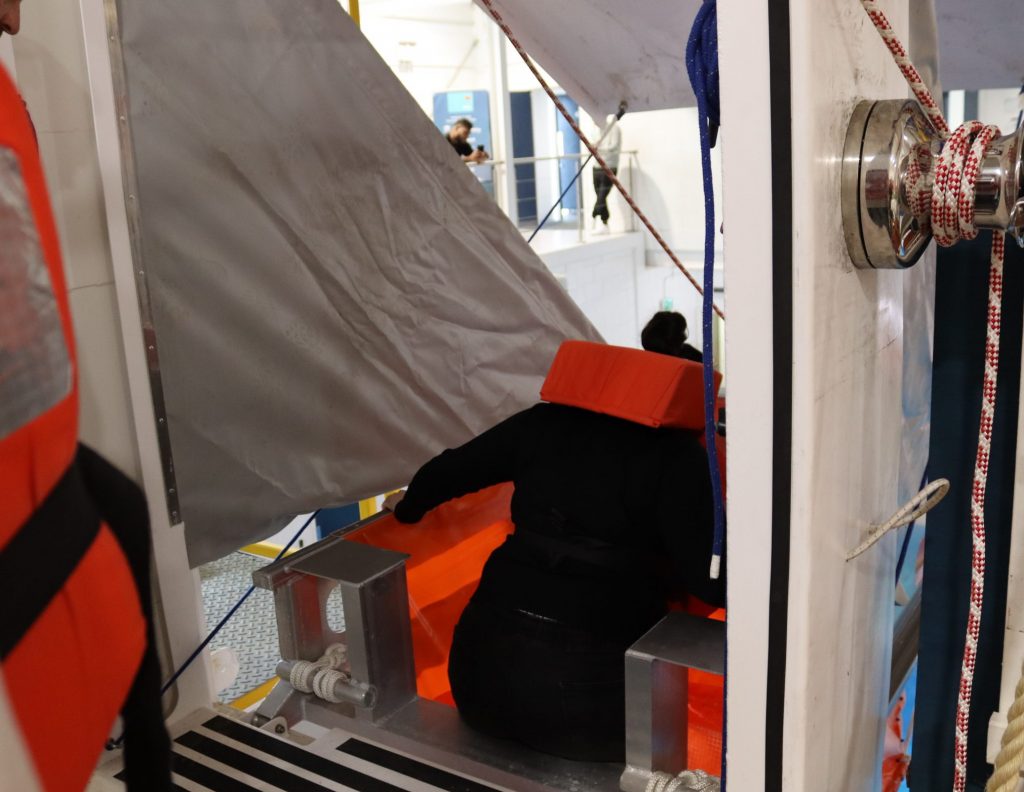
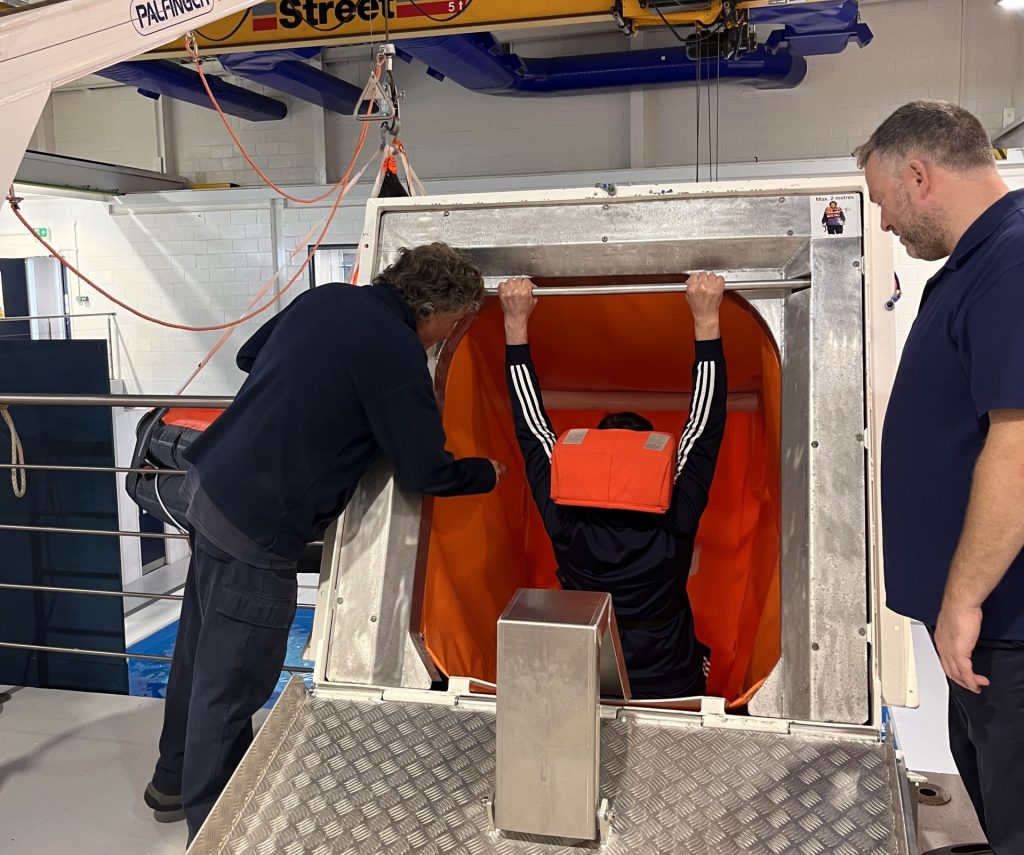
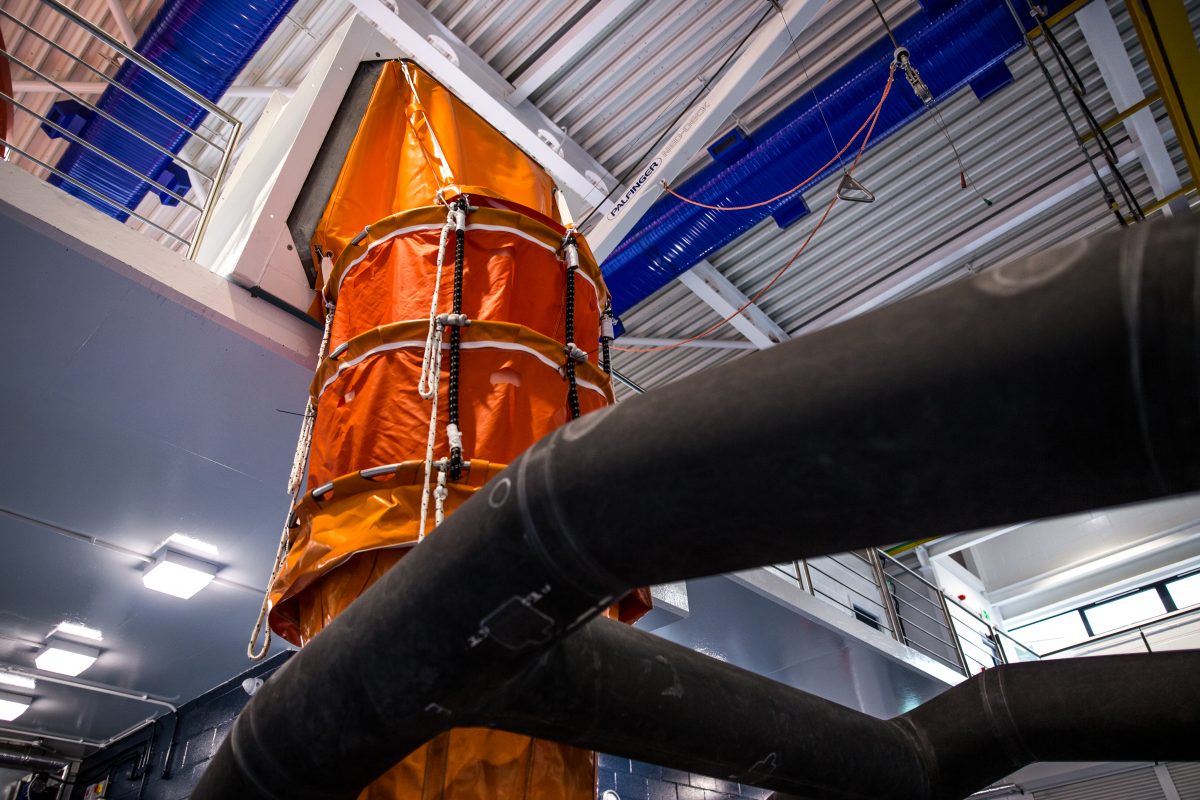
Delegate training at the top of Brude Marine Evacuation System
Delegate training at the top of Viking LSE Marine Evacuation System

Why Choose MSA for MES Training? 

At the Maritime Skills Academy, our expert instructors provide training in accredited courses for both MES systems mentioned in this piece. Simulating real-world scenarios and guiding delegates through their descent.  

Contact us to find out how we can help your crew with MES training 

5 Steps to Staying Afloat | Drowning Prevention Day 2025

The purpose of Drowning Prevention Day is to raise awareness and inform others on the life-saving steps you can take to prevent drowning.

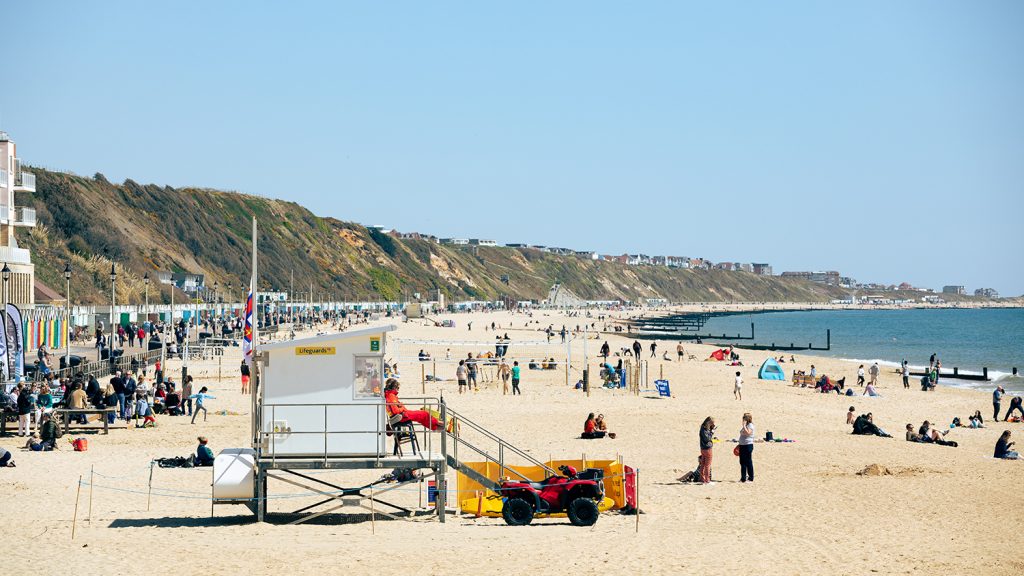
Taking place on the 25th of July, Drowning Prevention Day aligns with the start of the summer holidays, a time when thousands flock to the coasts and swim in the sea.

Lifeguard enforcing drowning prevention on a busy beach
Credit: RNLI

A tragic average of 300,000 people, globally, drown annually, a statistic that is far too high. In an attempt to reduce the excessive number of drowning casualties, this national day teaches individuals how to survive and save their peers.

The 2025 Drowning Prevention Day Focus

At the Maritime Skills Academy, we are focusing on RNLI’s excellent “Float To Live” campaign and reinforcing the steps individuals can take if they do find themselves starting to drown.

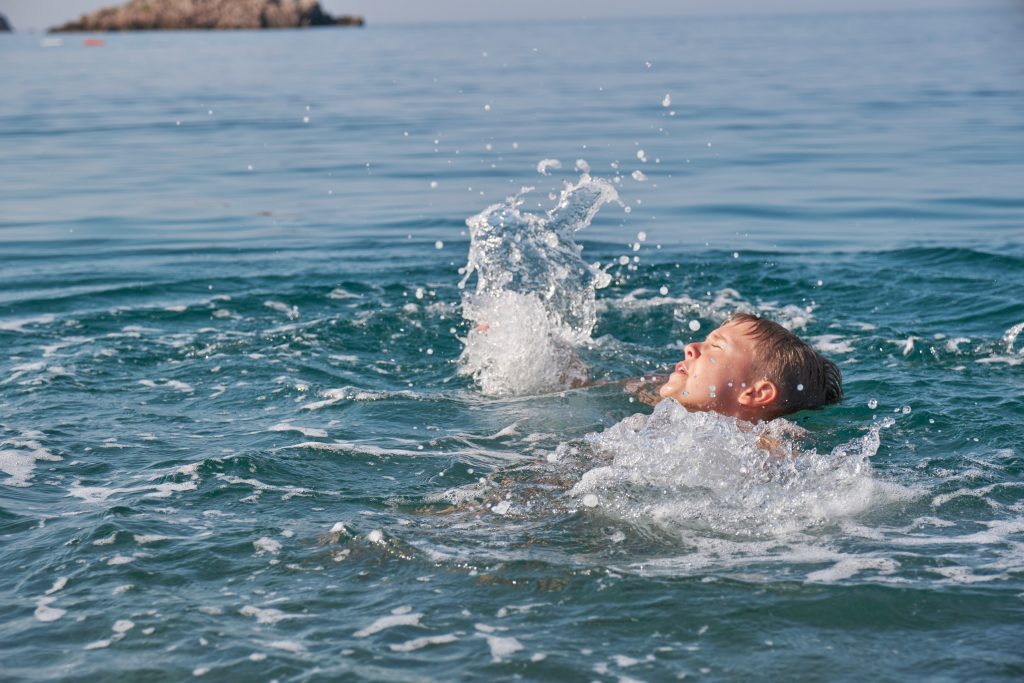
Boy starting to drown at sea

Whether you are swimming in a pool or in the sea during the summer, there should always be a trained safety professional nearby. Lifeguards, Coastguards, and the RNLI are always on call to deal with drowning emergencies. However, depending on the tide, how far from shore you are and how busy the area is, rescue can take time. It is important to be prepared to remain calm and wait.

Here we will cover the key steps to staying afloat and what you should do if you panic and begin to drown.

What to do if you start drowning

  • Relax: As difficult as this may seem at the time, relaxing your body will increase buoyancy and conserve your energy. Especially in colder waters, it’s incredibly crucial that you conserve your energy by moving as little as possible.
  • Keep your face above the water with your ears submerged: When you begin drowning, the main focus is keeping your nose and mouth above water, keeping your airways clear.
  • Keep your arms beneath the surface and move them in small circular motions: Having your arms break the water’s surface will increase your chances of becoming submerged. Performing small circular motions with your arms will act as a form of treading water and will shift the focus from panic to.
  • If you can, raise your arm and signal for help: During the summer, the coastguard and lifeguards will be on the lookout for incidents, but also the busy beaches means that you’re more likely to be spotted. So, if you are unable to lift your arm or signal for help, it may only take a little longer for the situation to be noticed.
  • Try to swim to safety: Even the strongest of swimmers can find themselves in trouble in the water, but it’s vital that you point your head towards safety and continue with circular arm motions beneath the water, helping you to drift in the right direction.

Our Mission at the MSA

Our purpose at the MSA is Setting New Standards Together. Our training is specifically designed to improve the safety of seafarers both during their roles onboard and in the event of emergencies ashore.

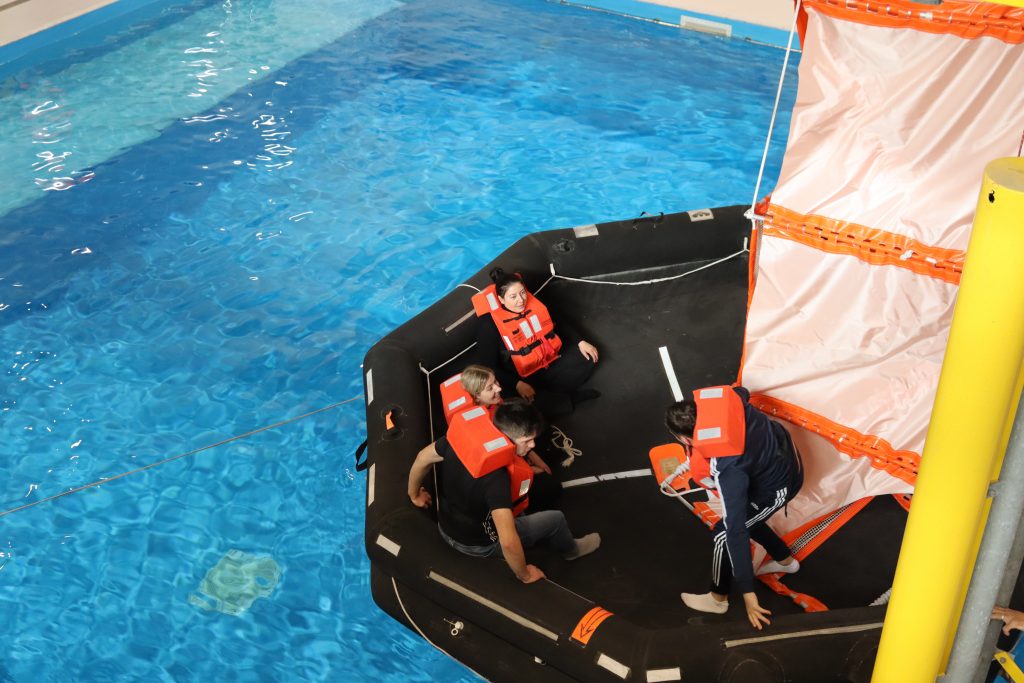
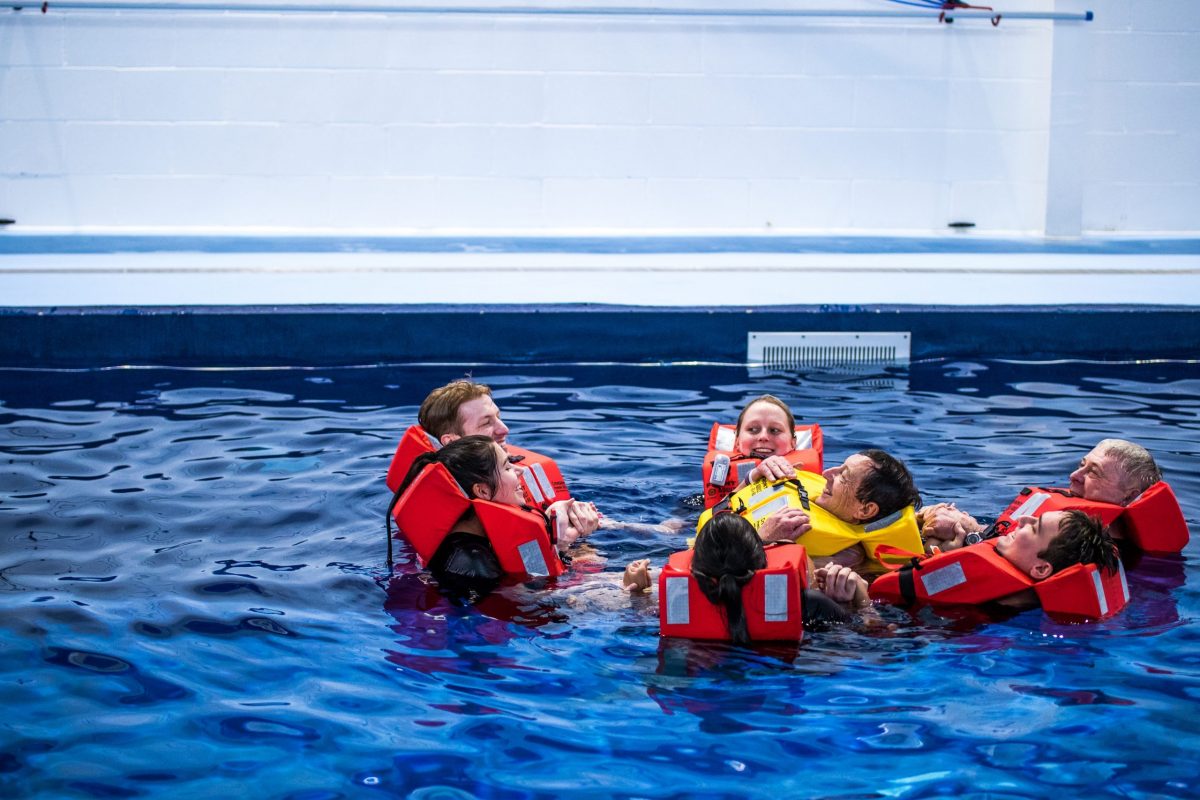
people on a rescue drill at an indoor pool

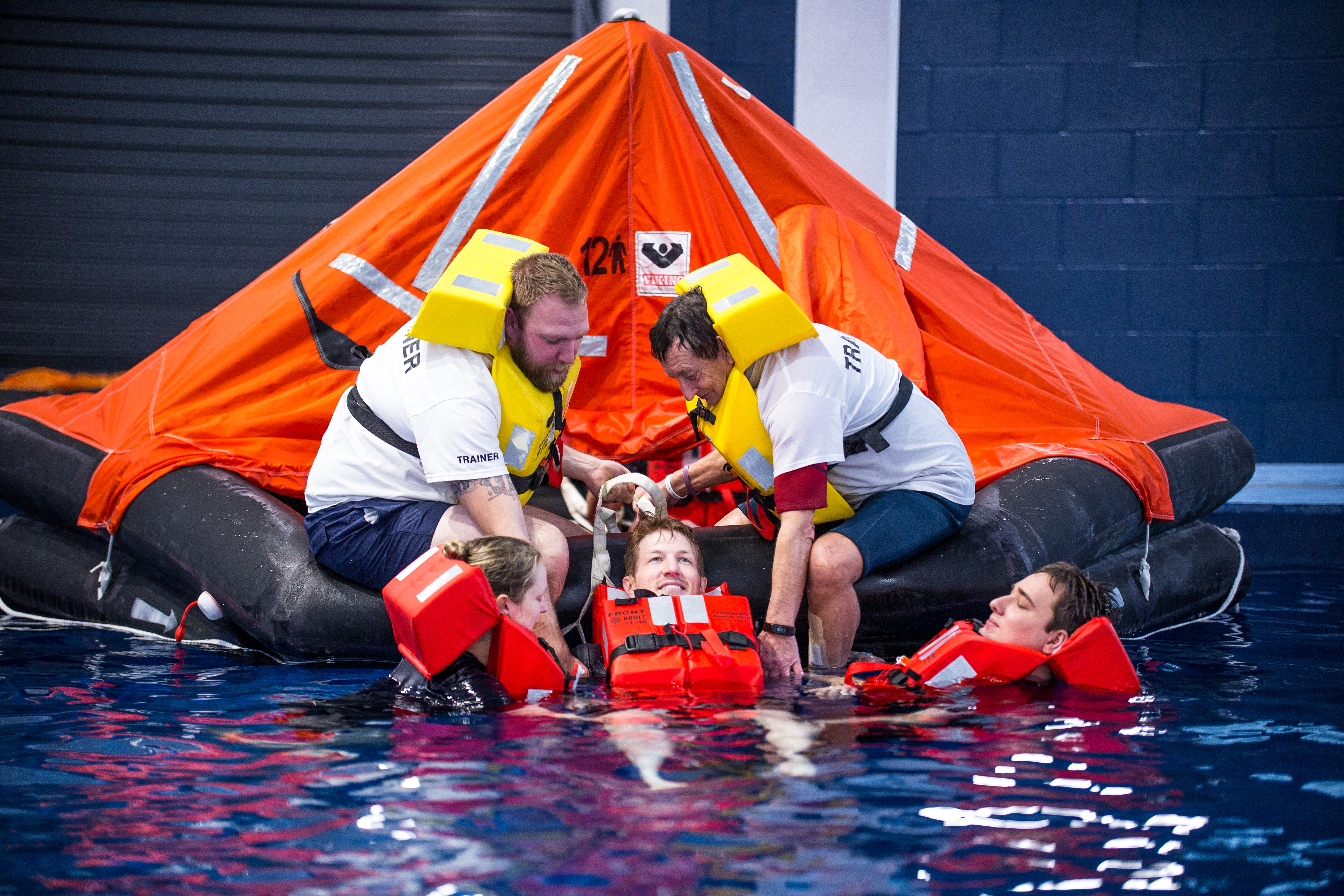
As part of the STCW Basic Safety Training course, our expert instructors teach Personal Survival Techniques (PST). This course trains delegates to be prepared for an abandon ship scenario. Using our full weather simulation survival pool, we can train crew to survive in the water, upright life rafts, rescue casualties, and make their way to safety.

If you are interested in participating in a Personal Survival Techniques course, contact us today to find out more.