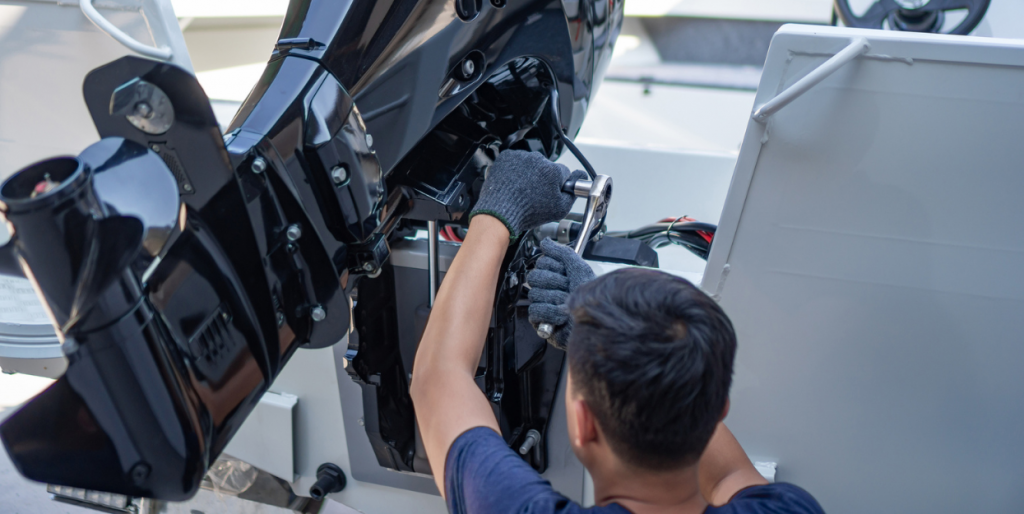
Tugboat Safety: Why It’s Important and What You Can Do To Improve

On November 10th, the UK Chamber of Shipping will be hosting the British Tugowners Association Annual Safety Seminar with the purpose of this event to inform mariners about tugboat safety issues affecting the UK tugboat industry and arm them with lessons learned from decades of experience and recent incidents.

At the Maritime Skills Academy, we’re committed to minimising risks in the tugboat industry through rigorous training and development programmes.

In this article, we’ll be raising awareness about the dangers of not adhering to best practice safety procedures when working with tugboats. We’ll also be giving an overview of what the Maritime Skills Academy does to minimise risks and create a safer environment for all.

Let’s dive in!

The Dangers of Tugboats

NovaTug is a tugboat manufacturer based in the Netherlands that wanted to use real-world tugboat incident data to inform their designs and make them safer. The problem is that no one was documenting tugboat data, so it was impossible to tell how dangerous tugboats were (and why).

The solution? NovaTug started a database for information about every global tugboat incident.

Since they started documenting Maritime incidents in 2018, the company has identified more than 220 tugboat incidents – many of which have unfortunately resulted in fatalities. While it’s easy to chalk these incidents up to “bad luck”, the reality is that most of them could have been prevented with better safety procedures.

The fact of the matter is this: working with tugboats can be dangerous. There are many potential hazards that can lead to serious injury or death, such as:

  • coming into contact with moving parts
  • slips, trips, and falls
  • exposure to noise and vibration
  • collisions and groundings
  • exposure to toxic chemicals and fumes

These dangers are always present, but they’re magnified when best practice safety procedures are not adhered to. This is where training and safety procedure awareness comes in.
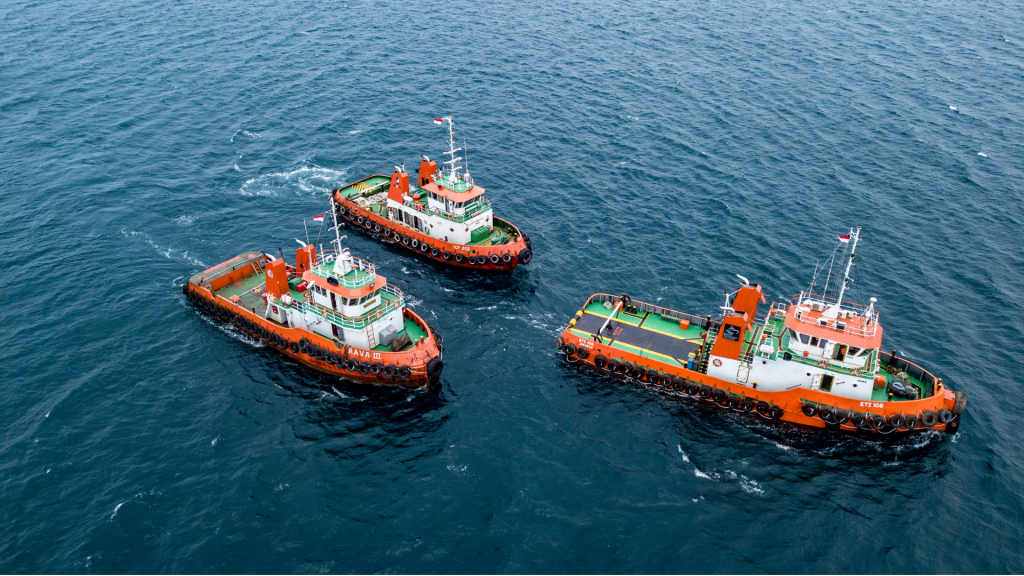
Tugboat Safety How To Improve Maritime Skills Academy

The Importance of Training and Safety Procedure Awareness

Working with tugboats requires a great deal of skill and knowledge. It’s not something that can be learned overnight – it takes years of experience to become a master.

This is why the Maritime Skills Academy offers comprehensive training programmes that cover everything from the basics of working with tugboats to advanced tugboat manoeuvring techniques. We also offer regular refresher courses to keep our students up-to-date with the latest best practices.

Some of the courses and learning resources we offer include:

Tug Simulator (TUGS)

TUGS is a computer-based simulator that uses realistic 3D graphics to recreate the experience of working with a tugboat. It’s an invaluable tool for learning the basics of tugboat operation, as well as advanced manoeuvring techniques.

TUGS is complete with Rolls-Royce controls and genuine Damen hard wear to give students the most realistic experience possible. The simulator supports a range of training exercises, including:

  • offshore tugging and towing
  • ship assistance work
  • high speed escort work
  • operating various anchor equipment
  • oil rig and platform moves
  • integrated tug master and pilot training

Basic Safety Training (BST)

The Maritime Skills Academy’s STCW Basic Safety Training (BST) course is designed to give students the skills and knowledge they need to work safely on board a vessel thus improving their tugboat safety.

The course covers a range of topics, including:

  • personal safety and social responsibilities
  • firefighting and fire prevention
  • personal survival techniques
  • first aid
  • elementary first aid

It’s important to note that the BST course is a legal requirement for anyone who wants to work on board a UK vessel—including tugboats. But beyond the legal requirement, taking and retaking the BST will help keep you and your crew safe at sea.

Advanced Ship Handling

According to the data collected by NovaTug, the majority of incidents involving tugboats are the result of accidental collisions and groundings. This is often due to a lack of understanding when it comes to ship handling techniques.

Our Advanced Ship Handling course is designed to give students the skills and knowledge they need to avoid accidents when working with tugboats. The course covers a range of topics, including:

  • vessel awareness
  • environmental risk assessment
  • voyage conditions
  • passage planning
  • collision avoidance
  • grounding avoidance

The course is delivered by experienced instructors who have a wealth of knowledge when it comes to ship handling.

They’ll be able to answer any questions you have and help you develop the skills you need to work safely with tugboats and improve your tugboat safety.

Training Is the Key to Safer Tugboat Operations

Working with tugboats is dangerous—there’s no denying that. But by investing in training and safety procedure awareness, you can dramatically reduce the risks involved.

At the Maritime Skills Academy, we offer a range of courses and learning resources that can help you stay safe when working with tugboats. We also offer regular refresher courses to keep our students up-to-date with the latest best practices.

If you’re interested in learning more about our courses, or if you have any questions, please don’t hesitate to get in touch.

We look forward to seeing you at the British Tugowners Association Annual Safety Seminar
 

Everything You Need to Know About the MCA Approved Engine Course 1 (AEC 1)

As a maritime professional, it is important to be up-to-date with the latest safety regulations. The MCA Approved Engine Course 1 (AEC 1) provides the necessary training and certification needed to safely operate a vessel.

The AEC 1 course covers a variety of topics, including:

  • basic engine maintenance
  • fuel management
  • safety procedures
  • boat handling
  • emergency procedures

In this article, we’ll be taking a closer look at the AEC 1 course and what it covers. We’ll also touch on how this certification can benefit your career as a maritime professional.

What Is the MCA Approved Engine Course 1?

So, what exactly is the MCA Approved Engine Course 1?

The AEC 1 is a professional course overseen by the Maritime and Coastguard Agency (MCA). The course is designed to provide students with the skills and knowledge needed to become certified engine mechanics.

The AEC 1 is module 6 in the of 7-module Approved Engine Certificate program, which
includes:

  1. Personal Survival Techniques
  2. Fire Prevention and Fire Fighting
  3. Elementary First Aid
  4. Personal Safety and Social Responsibilities
  5. Proficiency in Security Awareness
  6. Approved Engine Course 1 (AEC 1)
  7. Approved Engine Course 2 (AEC 2)

Completing all modules is required if you’d like to begin the Second Engineer (SV) Certificate.

What Does the MCA Approved Engine Course 1 Cover?

In simple terms, AEC 1 covers the basics of engine mechanics and will teach you how to
service and maintain engines. In pursuit of that, courses cover topics including:

  • compression ignition engines
  • two- and four-stroke operation cycles
  • fuel systems
  • cooling systems
  • electrical systems
  • lubrication technologies
  • power transmission units
  • hull fittings
  • safety procedures
  • fixed firefighting installations

As you can see, the course is quite comprehensive. It is important to note that the AEC 1 course is both practical and theoretical. Students will spend time in both the classroom and workshop in order to gain a well-rounded understanding of engine mechanics.

Note: You can read the MCA’s full-length course description here.

AEC 1 MCA Approved Engineer Course Maritime Skills Academy

How Is the MCA Approved Engine Course 1 Delivered?

The AEC 1 course is only delivered in person due to the importance of the practical elements. To take the course, you’ll need to locate an MCA approved testing centre in your area and book a spot.

The length of the course varies depending on the provider, but most courses last 5 days.

The AEC 1 course is usually graded by a short assessment at the end of training.

What are the requirements for the MCA Approved Engine Course 1?

The MCA doesn’t have any strict prerequisites in place for the AEC 1 course, aside from a minimum age requirement of 18 years.

That said, many testing centres recommend taking the Royal Yachting Association (RYA) Diesel Engine Course if you don’t have any prior experience with engines. The RYA course will give you a good foundation of knowledge that will help you to succeed in the AEC 1 course.

Additionally, it’s worth pointing out that successfully completing the AEC 1 course is a condition for taking the AEC 2 course.

What are the benefits of getting AEC 1 Certified?

There are a few key benefits that come with getting your MCA Approved Engine Course 1 certification, including:

  • Advanced Certification: The certification is required if you want to attain the Engineer Officer Certificate of Competency from the MCA. This is an important credential for anyone looking to pursue a career as a maritime professional.
  • Greater Competency: The skills and knowledge you gain from taking the AEC 1 course will be valuable in your day-to-day work as a maritime professional. The course covers essential topics like engine maintenance, fuel management, and safety procedures—all of which are critical in ensuring the safe operation of a vessel.
  • Differentiation: Having your AEC 1 certification can help you to stand out from other maritime professionals who don’t have the same level of training and experience. Of course, there are many other benefits to taking the AEC 1 course—these are just a few of the most notable.

Ready to Get Started?

If you’re interested in taking the MCA Approved Engine Course 1, the first step is to locate a testing centre near you. Once you’ve found a provider that offers the course, you can book your place and get started on your path to becoming a certified engine mechanic!

If you’re looking for an MCA approved testing centre in the Dover area, be sure to book your AEC 1 course here. We offer a variety of MCA approved courses, including the AEC 1, AEC 2, and more.

Contact us today to learn more!

What Is GWO Sea Survival Training?

Global Wind Organisation (GWO) Sea Survival Training is one element of a globally recognised certification that provides offshore workers in the wind and renewables’ industry with the skills and knowledge to survive in the event of an offshore accident.

The full GWO certification (called GWO Basic Safety Training) includes five elements:

  1. Sea Survival Training
  2. Fire Awareness Training
  3. Manual Handling Training
  4. First Aid Training
  5. Working at Height Training

In this article, we will be covering everything you need to know about Sea Survival Training—what it covers, whether you or your employees need it, and where to get it.

What Is the Global Wind Organisation (GWO)? 

The Global Wind Organisation (GWO) is an independent, non-profit organisation that provides a set of standards for the safe operation of wind turbines around the world. 

These standards are internationally recognised and followed by leading wind energy companies, making GWO certification essential for anyone wanting to work in the offshore wind industry. 

GWO was founded in 2009 in response to a growing need for better safety standards in the wind industry. Its membership includes some of the biggest names in the business, such as Ørsted, Vestas, Siemens Gamesa, and EDF Renewables. 

What Does GWO Sea Survival Training Cover? 

GWO Sea Survival Training is a one-day course that covers both theoretical topics and practical elements.

Theoretical topics are covered through classroom-based teaching, while the practical elements are completed in a controlled environment (e.g., a pool or marked practice area at sea). 

Course topics include: 

  • An introduction to the risks faced by offshore workers 
  • An overview of the equipment used in sea survival (e.g., life jackets, lifeboats, flares, etc.) 
  • An overview of national and international legislation 
  • How to execute various man overboard techniques 
  • How to swim in cold water and avoid hypothermia 
  • How to deal with waves, currents, and tides 
  • How to safely transfer people and equipment to and from offshore structures 

Students who complete the course should be able to demonstrate that they have a clear understanding of their roles and responsibilities in the event of an offshore accident, as well as the skills needed to carry them out effectively. 

How Are GWO Sea Survival Courses Offered? 

There isn’t a set structure when it comes to the GWO Sea Survival course — each is organised differently depending on the provider.

Typically, courses are 1-3 days long and use a mix of classroom-based theory teaching and practical training to meet their curriculum requirements. 

Our GWO Sea Survival Training course (in partnership with Guardian Training) is a 1-day intensive course that covers all the topics listed above.

The course is delivered by instructors with years of experience in both the maritime industry and emergency response, and includes a mix of classroom-based learning and practical training in a controlled environment. 

What Is GWO Sea Survival Training

What Are the Prerequisites for GWO Sea Survival Training? 

Anyone who wishes to participate in a GWO Sea Survival Training course must be over the age of 18. There are no other formal prerequisites for GWO Sea Survival Training, although it’s recommended that students have a basic level of fitness and swimming ability. 

Who Is GWO Sea Survival Training For? 

GWO Sea Survival Training is a mandatory requirement for anyone who works offshore in the wind and renewables industry — this includes technicians, engineers, project managers, etc.

When you complete the course, your certification is added to WINDA — a GWO database that allows employers to verify your certification. 

Unlike an STCW certification, which is reviewed five years, employers must ensure that an employees GWO Sea Survival qualification is renewed and updated every two years.

However, it’s not just offshore renewables workers who can benefit from a GWO Sea Survival course. The skills and knowledge covered in the course are relevant to anyone who spends time working at sea (e.g., fishermen, sailors, oil rig workers, etc.). 

In short, anyone who works or plans to work in an environment where they could be at risk of falling overboard or being exposed to cold water should consider taking a GWO Sea Survival Training course.

In addition, employers in these industries should consider sponsoring employees for the certification to help ensure their safety and the safety of others. 

Where Can I Get GWO Sea Survival Training?

If you’re looking for a GWO Sea Survival course provider, the Maritime Skills Academy offers a 1-day intensive course from our Dover headquarters.

This course is run in conjunction with Guardian Training. Guardian Training holds the GWO Accreditation & bookings are made via the following:

We’re committed to making offshore work safer for workers, and are more than happy to answer any question you have about the course — so don’t hesitate to reach out!