What is the right training course for me? 

Looking to start a career at sea but don’t know where to start 

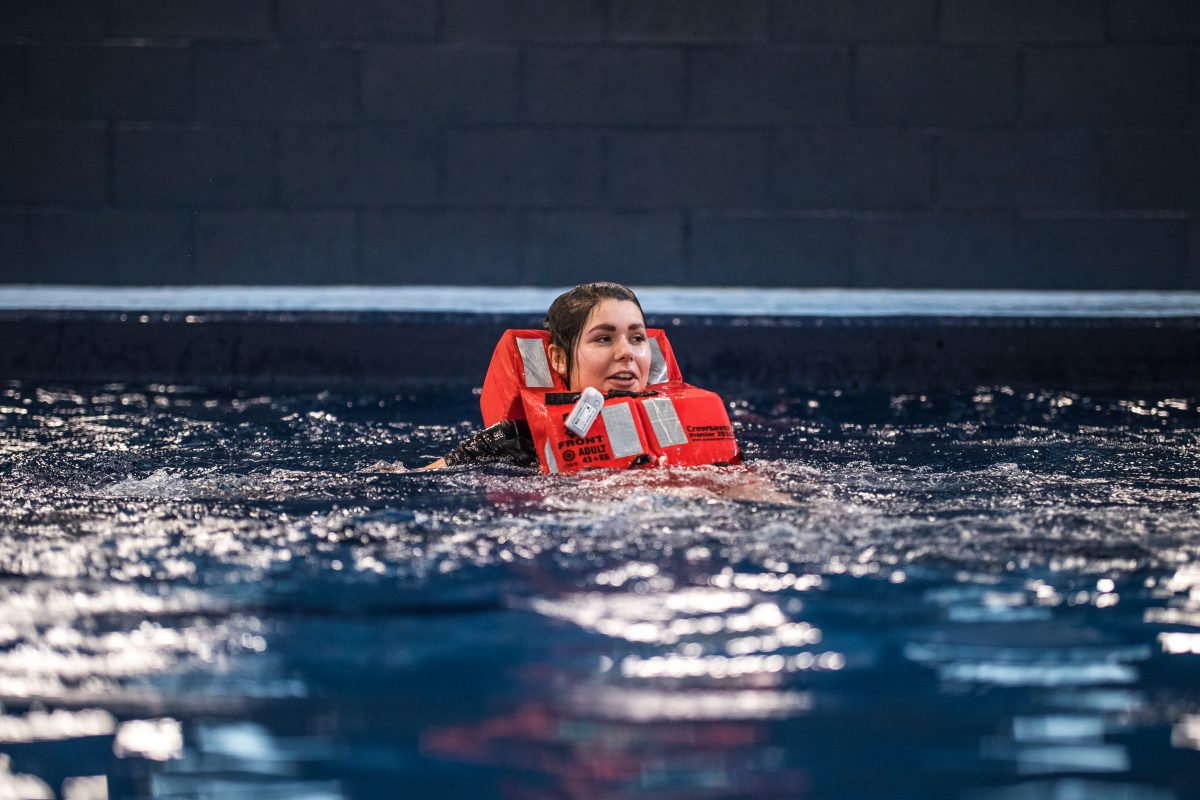
To start a career on board, all seafarers must complete their STCW Basic Safety Training. This five-day training course includes Fire Prevention & Fire FightingPSSR & Security AwarenessPersonal Survival Techniques and Elementary First Aid.  

These courses are essential, not only because they are a legal requirement, but because they prepare crew for the unlikely event of an onboard emergency.  
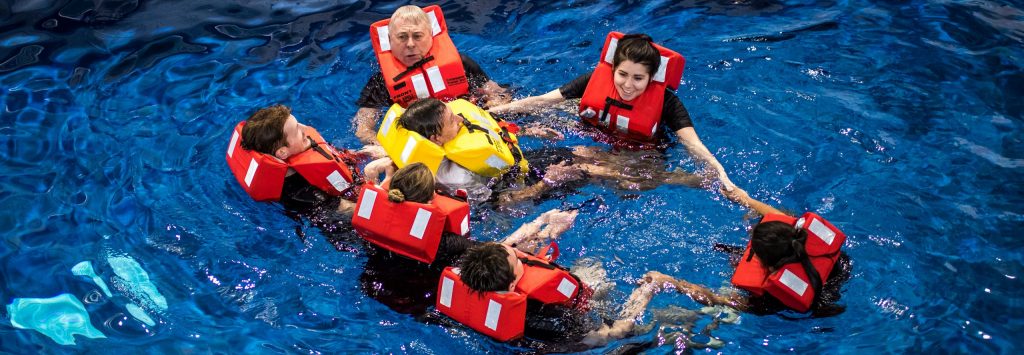
Basic Safety Training (BST) is so crucial in the maritime industry that even seasoned seafarers are required to refresh their certification every five years.  

At the Maritime Skills Academy (MSA), we facilitate both first time BST and refresher training at our state-of-the-art facilities in Dover.  

What Course Do I Need to Take to Become an Officer? 

To advance in your career to a deck or engine officer position, seafarers will be required to qualify for a certificate of competency. This involves undergoing a medical assessment and accumulating six months of seagoing service.  

What Courses Should Deck Officers Take? 

Our bespoke simulator training facility centre in Portsmouth is the perfect place for deck and engine officers to train simultaneously. Helping them to develop teamworking and communication skills across departments, our Deck simulations are operated with the highest specification of technology and realistic capabilities. 

Individual and Advanced Ship Handling Training 

Using Conventional or Podded Propulsion, our ship handling training courses are designed to prepare delegates for abnormal or emergency voyaging conditions. Simulating various situations, including poor weather conditions, close proximity to land, narrow channels, shallow water, and poor visibility, among others.

Bridge Resource Management (BRM) 1 & 2 
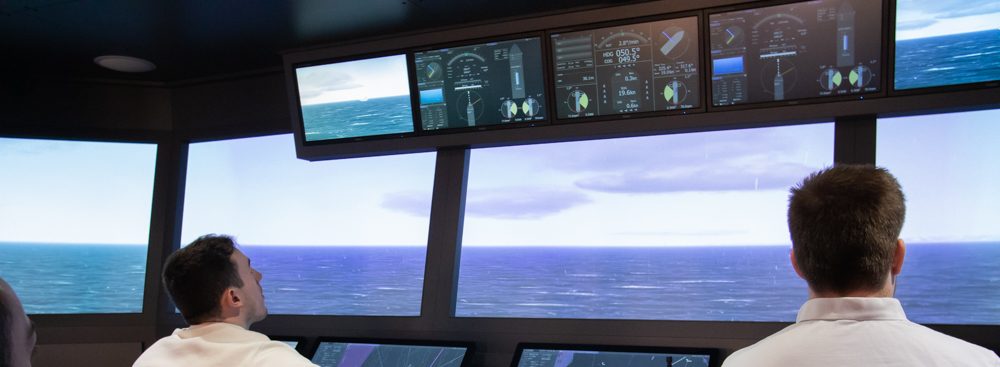
BRM training is designed to equip delegates with the skills they need to manage bridge operations during standard and emergency conditions. Practicing skills like teamwork, communication, situational awareness and decision making to ensure the safe completion of the vessel’s voyage.  

Bridge Simulation Assessments 

Our bridge simulation assessments are designed to identify seafarer competency levels and evaluate whether they are suitable for deck roles. Similarly, the assessments are capable of identifying individuals with a standout approach and capability, making them ready for promotion.  

Electronic Chart Display & Information Systems (ECDIS) Training 
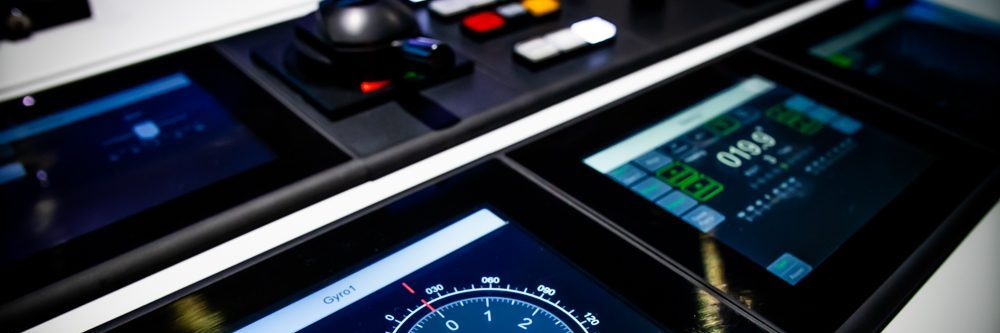
Using our exclusive ECDIS training room, delegates will learn to operate the system under varying circumstances and conditions effectively. These skills will enable delegates to maintain a safe navigational watch, keep up to date with the latest technologies and safety procedures, as well as any internal system changes within the company they work for (which we can replicate in our simulator). 

Port Studies 

Understanding port operations, navigational challenges and safety protocols is essential for smooth global trade and international compliance to continue. Which is why Port studies is possibly the most essential training course for shipping companies, port authorities, and maritime students. Our simulator facilities are designed to replicate potential hazards and situations that will encourage delegates to put safety protocols to use. With the support of our expert training instructors, delegates will complete the course with a strong understanding of port activities and how to respond to an emergency.  

Tug Simulator Training 
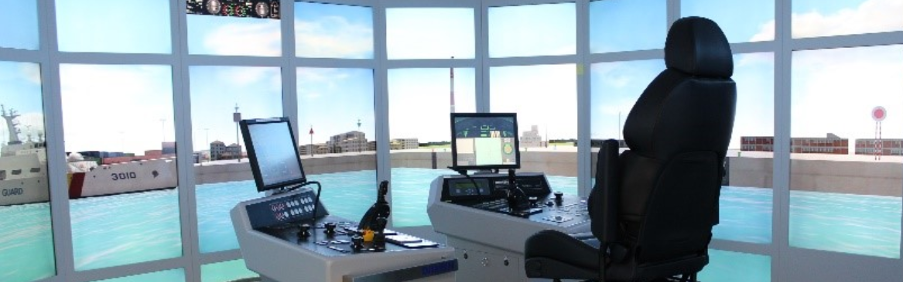
Tug Simulator Training is the perfect way to train crew in a controlled environment. All types of tugboats are simulated in our Portsmouth centre, including conventional single-screw tugs, conventional twin-screw tugs, cycloid-drive (Voith-Schneider) tractor tugs and Z-drive reverse tractor drive. With 360-degree screens in one dedicated room, you can feel fully submersed in the training exercise.  

Vessel Resource Management 

Our vessel resource management course involves our unique capability to run the Bridge Simulator and Engine Room Simulator in conjunction with each other. This course encourages teamwork and communication between departments and trains teams to take on tasks as an entire vessel as opposed to individual departments. 

Bespoke Onboard Training 

Our expert trainers are available to travel to your vessel for bespoke onboard training! With previous vessels based in Canada, North America, and Europe, contact our booking team today to see how we can tailor our courses to meet your needs. 

What Courses Should Engine Officers Take? 

Engine Room Resource Management 1&

The Engine Room Resource Management courses are designed to prepare crew for navigating both standard and emergency conditions. Refining their decision-making, teamwork and communication skills by placing teams into simulated, real-world, scenarios. 

Engine Room Simulation Assessments 
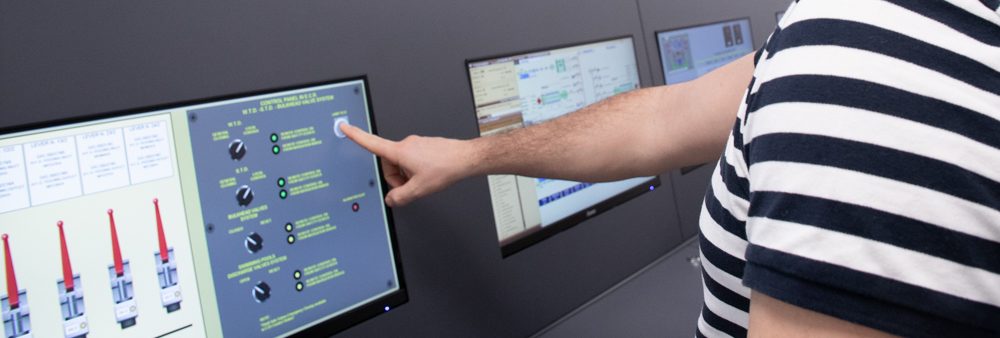
Similarly to our bridge simulation assessments, our engine room simulation assessments are designed to identify seafarer competency levels evaluates whether they are suitable for engine roles or in a position to be promoted. 

Operational and Management Level STCW High Voltage Course 

In our simulated high voltage scenarios, delegates can practice safety processes, reconfiguration, identifying faults, managing high voltage operations onboard a ship and understanding the maintenance of distribution capability. By offering the course at both operational and management levels, engineers can progress from one to the other as they continue to develop their careers.  

Maritime Skills Academy Training Courses 

Choosing the Maritime Skills Academy for your maritime training means investing in long-term learning, trainers that prioritise best practice, and the capability to merge courses.  

Contact us today to see how we can create a full training solution to suit your needs.  

Don’t forget to sign up to the Viking Crew website to receive 20% off!
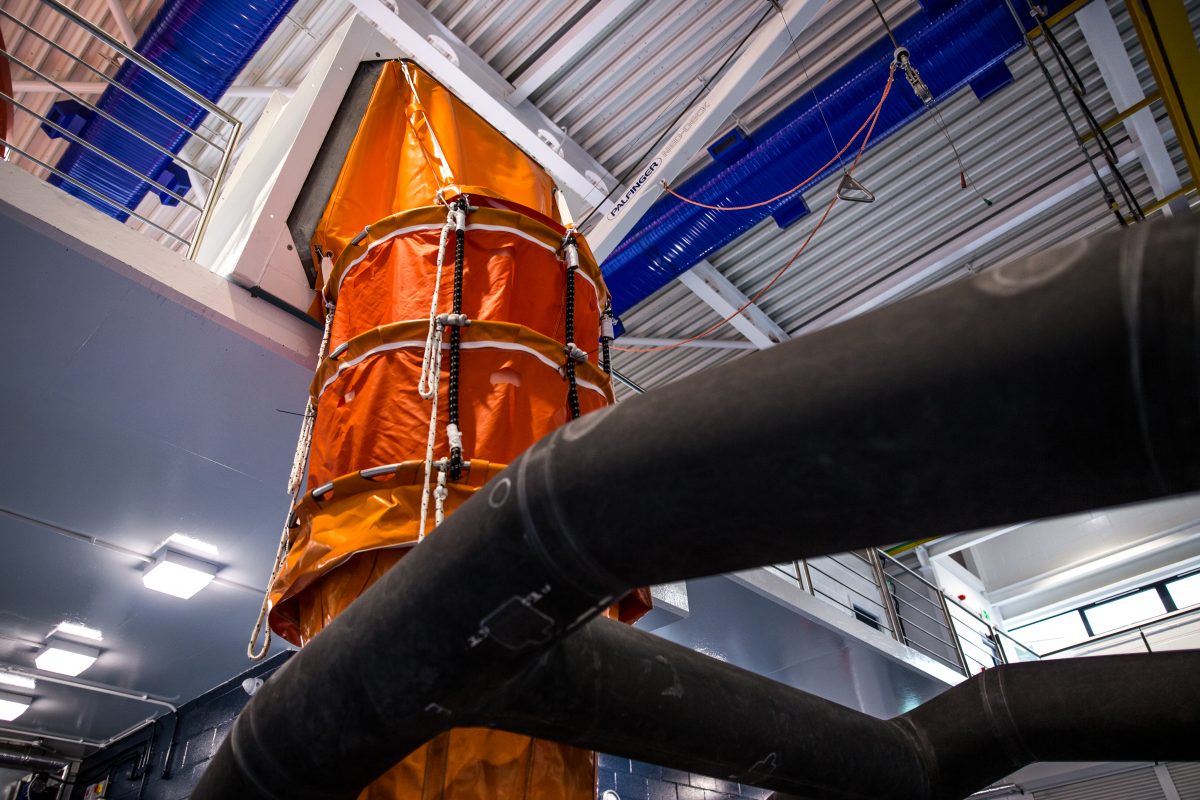
Marine Evacuation Systems (MES): Safety at Sea 

In the maritime industry, evacuation and safety systems are vital in the event of an emergency. Arguably, none are as critical as the Marine Evacuation System (MES). Saving countless lives year on year, MES systems are designed to be utilised on large vessels, carrying thousands of passengers.  

For this reason, it is imperative that crew should be properly trained and able to guide passengers through the various marine evacuation systems available on board.  

At the Maritime Skills Academy, our hands-on training prepares crew for onboard emergencies with two industry-leading technologies, Brude and VIKING LSE.  

What is a Marine Evacuation System (MES)? 

Marine Evacuation Systems (MES) are inflatable evacuation systems that allow for quick and controlled descent from a ship into life rafts. The most common type of MES is the chute-based system, which connects the ship to life rafts via a vertical or inclined inflatable chute. 

These systems are designed to deploy within minutes and accommodate large numbers of people efficiently, even in challenging sea conditions. 

Why Are MES Used on Ships? 

MES are used on large passenger vessels, mainly due to the majority of people onboard not being trained or prepared for emergencies. These are optimal for their general ease of use and efficiency in evacuating passengers quickly.  

Fastest Marine Evacuation Solution  

In the event of a fire, collision, sinking, or any situation where all on board will be required to abandon ship, an MES system is the fastest solution.  With multiple MES chutes installed onboard, multiple evacuations can take place simultaneously.  

Ease of use 

Marine Evacuation Systems are very straightforward to use. This means that passengers can descend calmly, leaving enough time for crew to follow suit. The MES will also offer a controlled descent, allowing evacuees to determine their pace, reducing overall stress.  

Independent Operation  

If a vessel is in an emergency situation that has caused power outages or poses a danger if power is used, the ideal evacuation system will be independent from the ship’s electrical operations. MES systems are manually deployed by a specialised, dedicated crew, which means they can be used in almost any emergency event. 

MES SOLAS regulations 

To ensure international safety standards are met, every passenger vessel must harbour a Marine Evacuation System onboard, that has been inspected within the last six years. Crew are also required to be trained in the operation of the Marine Evacuation System they have on board their vessel, which will most likely be a VIKING or Brude system. 

Types of Ships That Use MES 

MES are typically found on passenger ferries, cruise ships, Ro-Ro vessels, highspeed crafts and offshore installations. 

VIKING LSE Marine Evacuation System entrance

These vessels often carry hundreds or thousands of passengers and crew, making fast and efficient evacuation systems essential. 

Benefits of MES Chutes 

Speed 

Marine Evacuation Systems can deploy and be ready for use in under 90 seconds which makes them the perfect solution for onboard emergency and mass evacuation.  

Capacity 

Some Marine Evacuation Systems can evacuate over 600 people in 30 minutes. For ferries and cruise ships, this is a significant benefit, as they transport a large number of people.  

Safety 

Lifeboat launches can be unpleasant, uncomfortable and in worst case scenarios, fatal. MES Chutes are a safer, easier solution that can provide a smooth evacuation for all, even without experience. 

Compact storage 

MES systems are small and compact. Taking up significantly less room than lifeboats or davit storage. They are also easy to deploy by comparison, making for a more pleasant environment especially onboard cruise ships, where passengers are expecting luxury.  

Training at Maritime Skills Academy (MSA) 

At the Maritime Skills Academy, our Marine Evacuation System training is designed to prepare crew for emergency evacuations. Teaching not only how to depart the vessel themselves, but how to encourage and explain the process to peers. Community and teamwork are essential in an onboard emergency and crew will be required to guide passengers through the evacuation scenario, should it occur.  

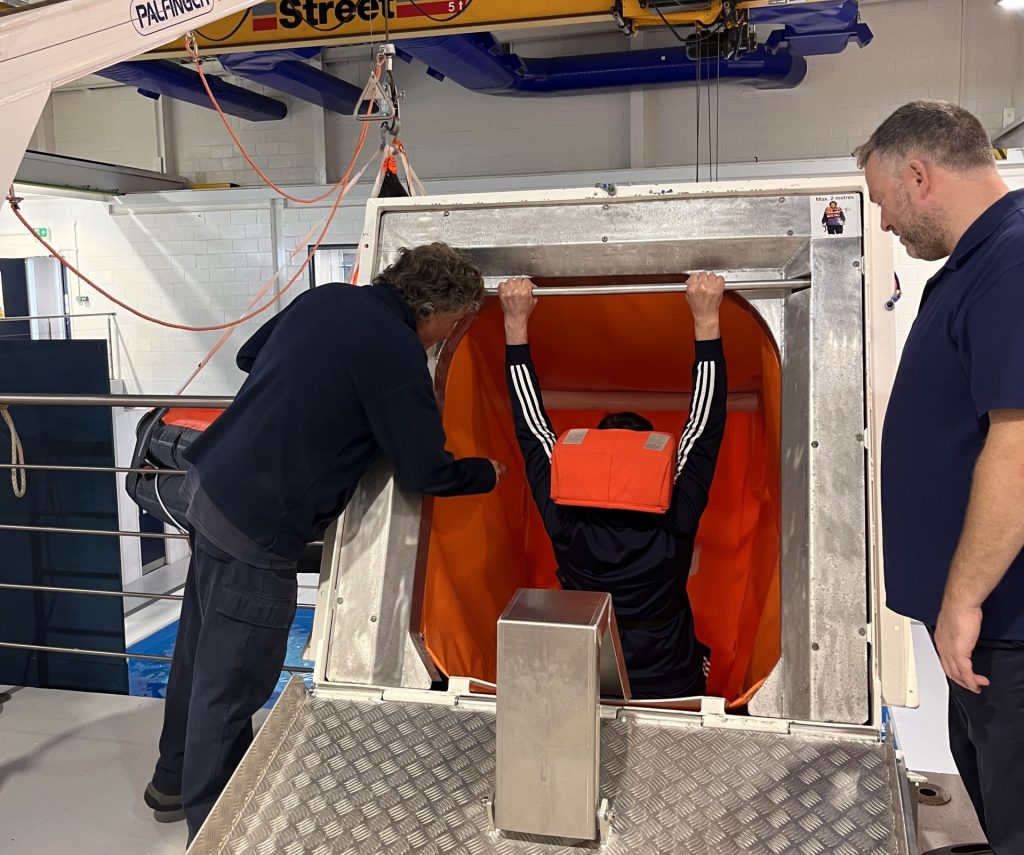
Delegate training at the top of Brude Marine Evacuation System
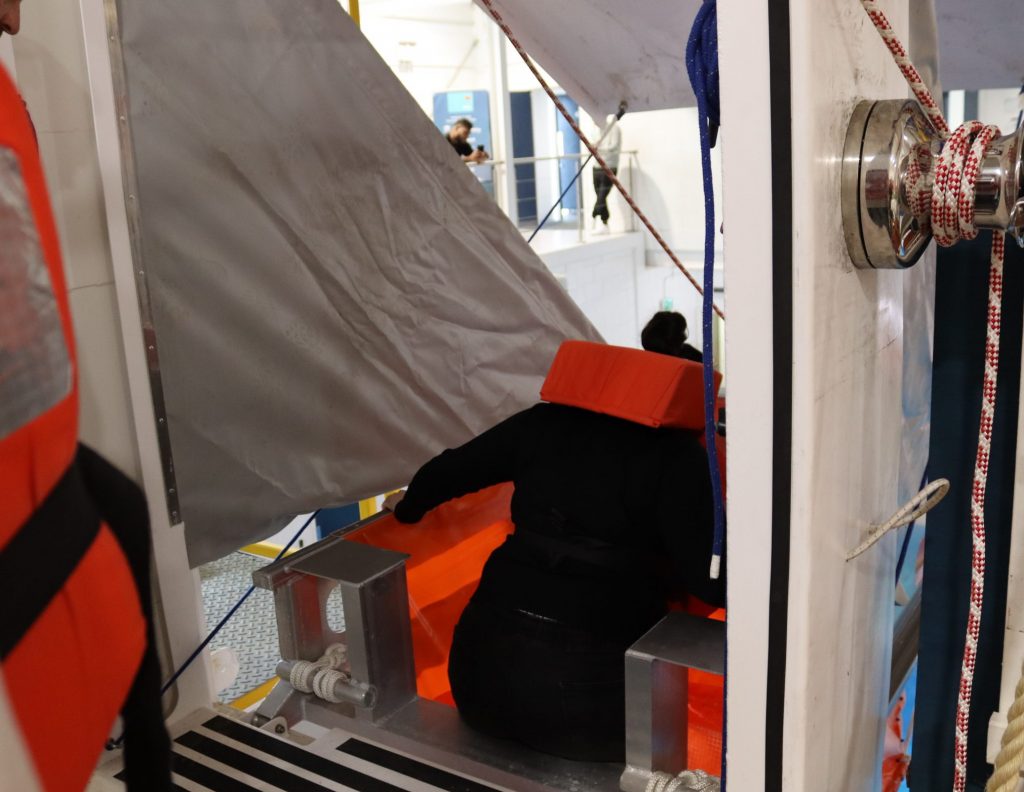
Delegate training at the top of Viking LSE Marine Evacuation System

Why Choose MSA for MES Training? 

At the Maritime Skills Academy, our expert instructors provide training in accredited courses for both MES systems mentioned in this piece. Simulating real-world scenarios and guiding delegates through their descent.  

Contact us to find out how we can help your crew with MES training 

Emergency Response and Rescue Planning: Preparing for Enclosed Space Incidents 

Enclosed spaces are inherently dangerous and hazardous environments, even with proper training and leadership, with most oversights and casualties occurring during entry and extraction. 

To prevent these incidents, the correct preparations prior to entry and extraction are essential. At the Maritime Skills Academy, our Entry into Enclosed Spaces course is the best solution for training your crew in planning and preparation, thereby minimising casualties and accidents. 

Why is rescue planning important? 

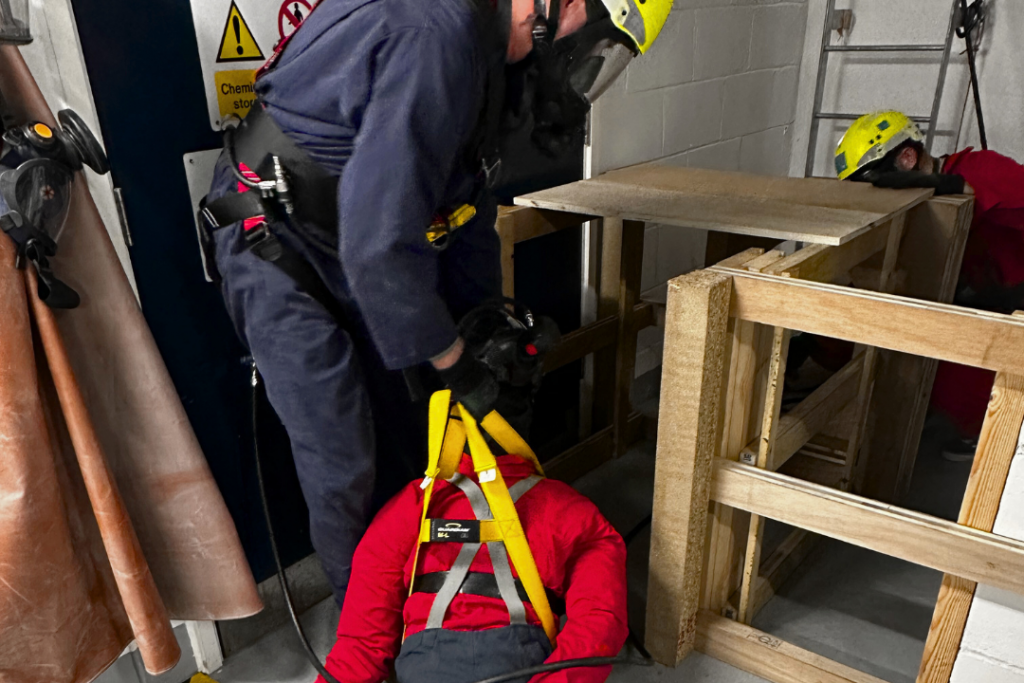
Statistically, over 60% of enclosed space casualties are crew members who have entered an enclosed space incorrectly in an attempt to rescue a peer. This is indicative of the importance of knowledge and training in equipment, team roles, communication and best practice. At the Maritime Skills Academy, we instruct crew on the necessary steps before entering enclosed spaces. This is exercised in a controlled, simulated scenario where delegates can enter an enclosed space, putting their training into practice and rescuing a casualty.  

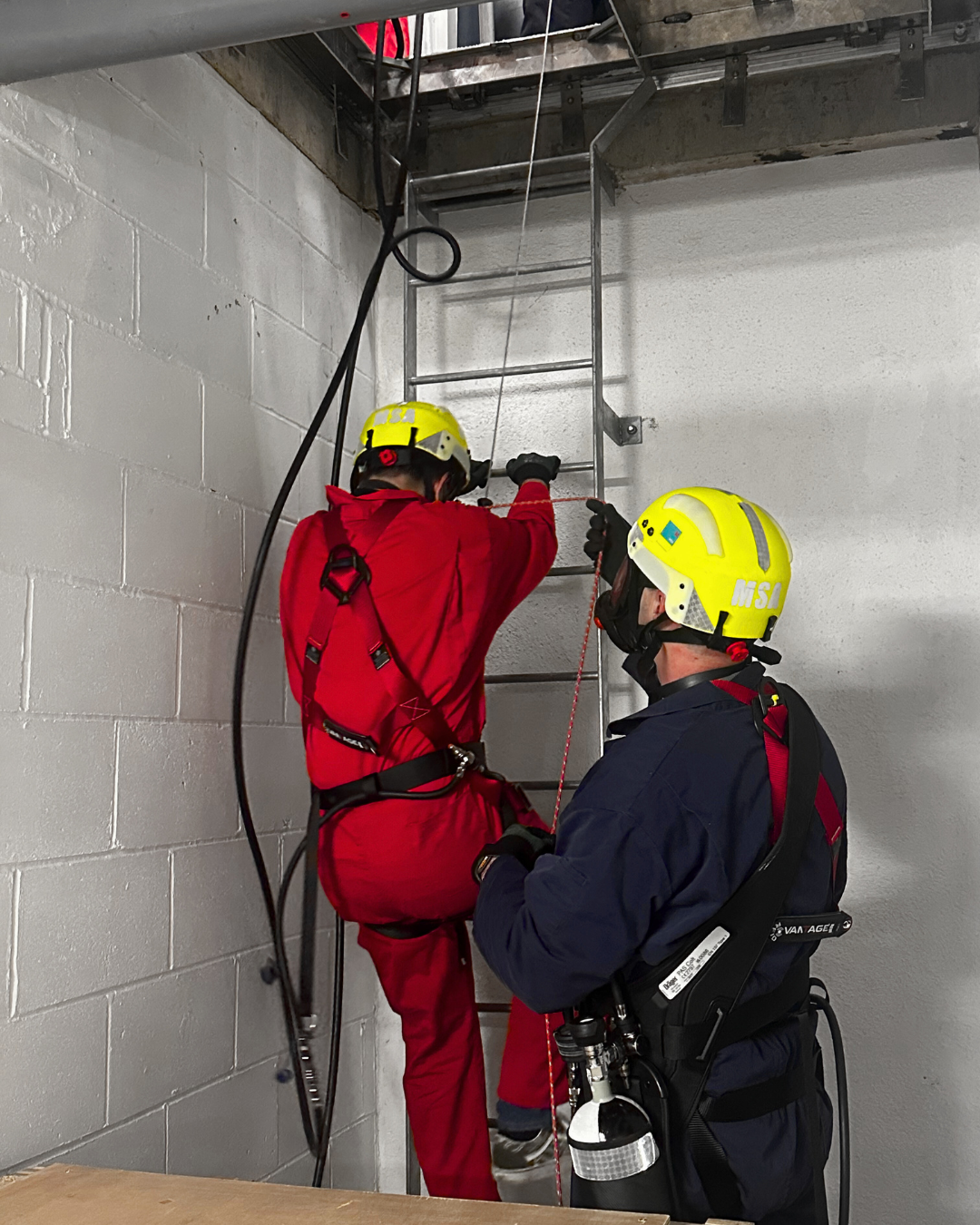
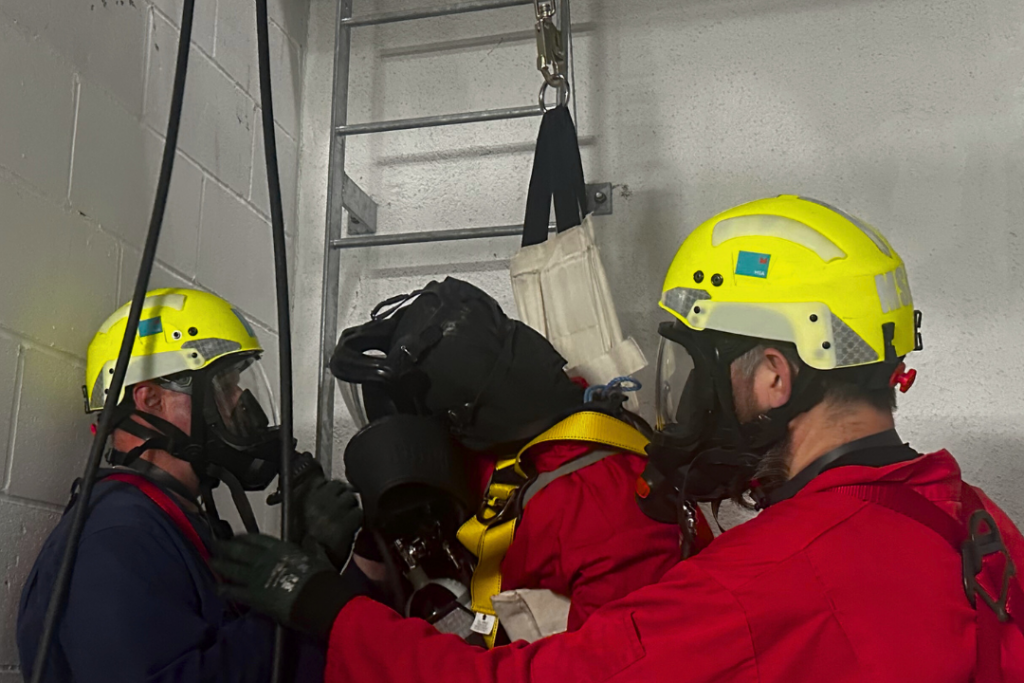
Enclosed space delegate conducting rescue planning practice before extracting a casualty

“During our last enclosed space drill, I was part of the standby team. The training helped me stay calm and follow procedures. I feel confident that if a real incident happened, we could respond safely and efficiently.” – Junior Safety Officer who attended MSA Dover Enclosed Space Training course. 

What are the five most important elements of rescue planning? 

Enclosed Space Risk Assessment Before Entry 

As emphasized in STCW standards and MNTB guidance, every enclosed space entry must begin with a thorough evaluation of hazards. Identifying hazards before entering will reduce the risk of unexpected situations and create a clear plan that crew can follow.  

Dedicated Standby Personnel 

During enclosed space entry, it is important to have a standby team on hand, should an accident occur. This group should also be fully competent in their abilities.  

As identified, the majority of enclosed space casualties result from attempted rescues. Consequently, having a trained team on standby means that more than one crew member will be available to assist with the extraction, leading to a higher survival rate.  

Oxygen Resuscitators and Medical Equipment 

It is an industry requirement for ships to be equipped with oxygen supplies, tanks, and breathing apparatus, as well as resuscitation equipment. Crew should be trained and confident of the use of which. Enclosed space entry can increase the risk of being exposed to hazardous gases, so standby teams will need to be prepared to handle resuscitation.  

Rescue Equipment Familiarisation  

During enclosed space entry, crew will be required to deploy lifelines, harnesses, and breathing apparatus. At our training centre in Kent, we simulate a realistic environment where crew can practice techniques and familiarise themselves with industry-standard equipment.  

Clear Communication Protocols 

Enclosed spaces can be dark, long, and winding, so standby teams will not be able to see what is happening inside. Using radio or wired communication will mean standby teams can evaluate the situation and guide the rescuer through the operation. Our training course allows delegates to practice clear radio communication and effective teamworking skills.  

Drills and Training 

In order for training to be efficient and beneficial, drills must be conducted under time constraints and with similar simulated conditions. Using the correct PPE, equipment, and procedures will ensure crew are as prepared as possible for an onboard emergency.  

Officers and authorised personnel should be involved in the training to give instruction and allow crew to understand their leadership style. Recreating an emergency and completing training in full will prepare crew and give them the confidence to step up in unforeseen situations. 

enclosed space delegates extracting a casualty

By adhering to international standards and following industry leadership, crew will be trained in how to respond to the unexpected while keeping themselves and their peers safe. A consistent and well-structured rescue plan alongside regular drills and training will help the maritime industry reduce the number of tragedies that can be attributed to enclosed space entry.  

At the Maritime Skills Academy, our Enclosed Space Entry and Rescue Training courses are designed to equip safety officers, senior officers, and crew with the knowledge, confidence, and practical skills they need. We provide STCW and MNTB-recognised training that supports ship operators in meeting compliance requirements while building a stronger safety culture onboard.  

Investing in proper training with the Maritime Skills Academy ensures crew are better prepared to prevent incidents and respond effectively when emergencies occur.