Why You Need a Damage Control Training Programme

Why structured training matters when it comes to damage control — and how ship operators can build a compliant, durable programme.

Creating a resilient fleet isn’t just about strong hulls, advanced machinery, or modern navigation systems. It’s about crew. Specifically, whether your crew can respond effectively when a vessel sustains damage, loses watertight integrity, begins flooding, or suffers structural failure.

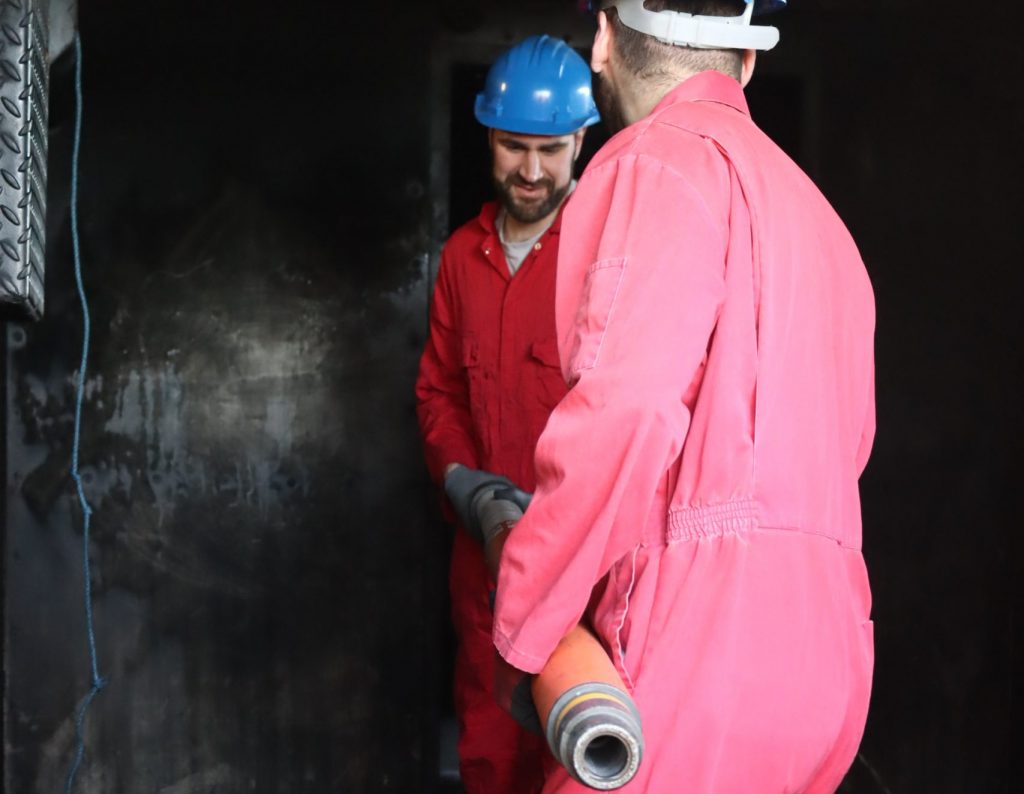
Two maritime delegates holding paratech during damage control training

Damage control is both a compliance obligation and a critical operational capability, and the strength of your training programme determines how well your crew perform when every second counts.

With clear guidelines from international conventions, ship operators must ensure that crew are trained, familiar, and regularly drilled in damage control. A structured programme helps you meet these mandates and pass flag-state, PSC, and ISM audits.

Why the Choice of Training Provider Matters for Damage Control Training

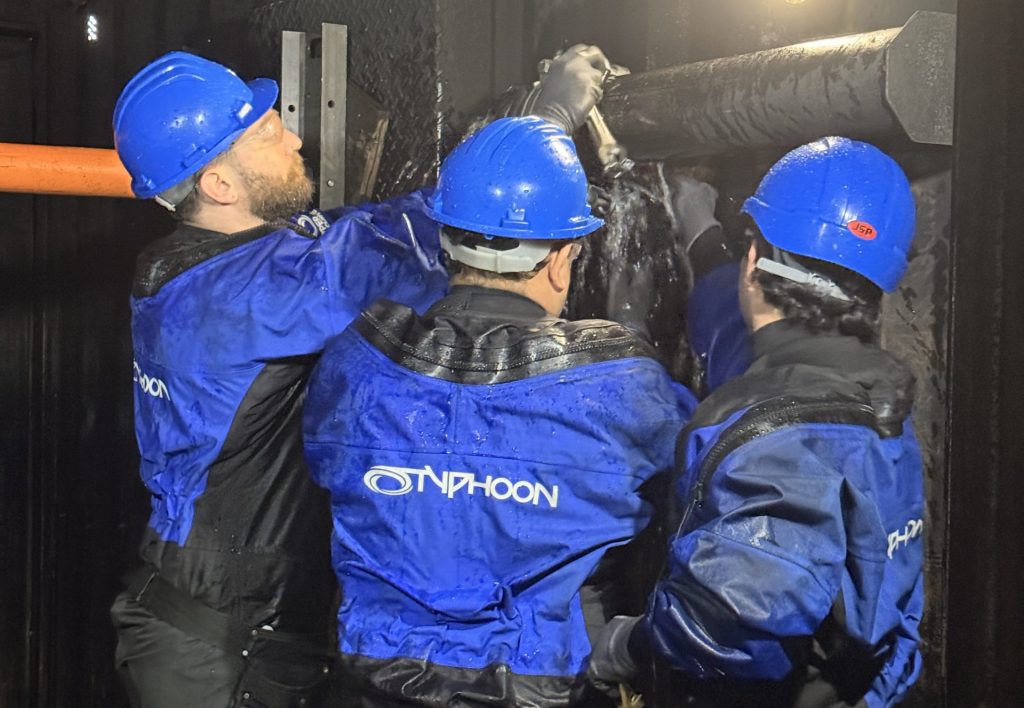
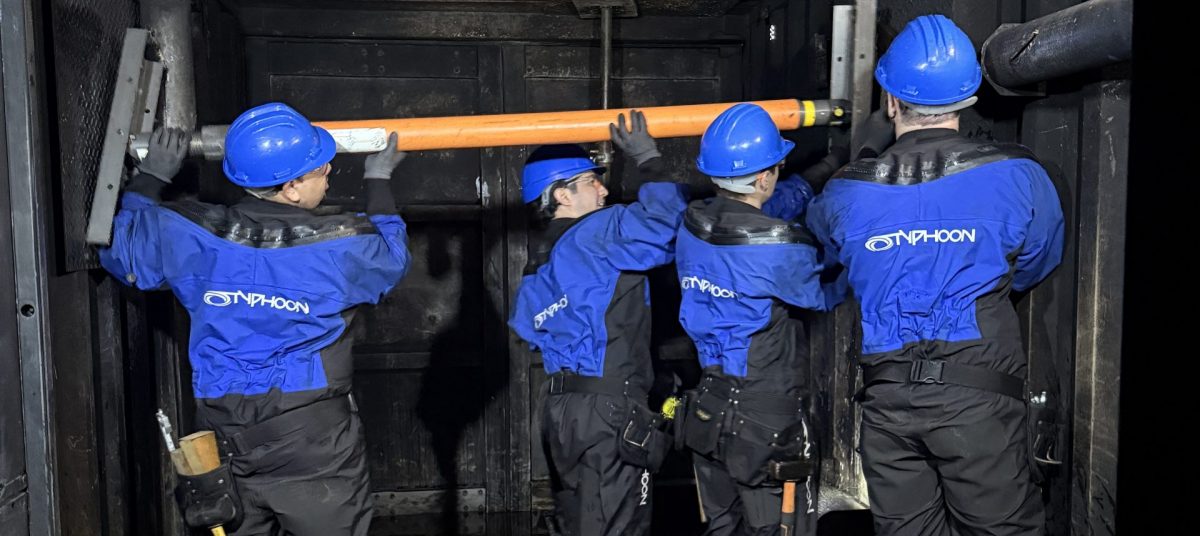
Three damage control training delegates fixing a leak

Many training groups offer safety courses, but damage control training is more specialised. With a facility built for live flooding and dewatering systems, crew experience realistic watertight scenarios.

Only a handful of centres globally have these capabilities. In the UK, the Maritime Skills Academy is the only commercial provider offering dedicated maritime damage control training.

Maritime Skills Academy (MSA): The UK’s leading dedicated provider of damage-control training

As the top UK training provider with a full maritime damage control course, Maritime Skills Academy delivers training for all mandatory SOLAS, ISM, and STCW requirements.

Our facility enables crew to:

  • Experience real-time flooding and perform leak control
  • Operate genuine damage control equipment, such as Paratech
  • Work in high-stress, low-visibility conditions
  • Practise watertight integrity procedures under pressure
  • Building Your Damage Control Training Programme With MSA
  • We help operators design complete damage control training frameworks, including:
  • Annual training plans
  • Crew competence matrices
  • SMS aligned procedures
  • Drill templates
  • Audit-ready training documentation

Bespoke fleetwide damage control training packages

We also support operators preparing for audits following observations or non-conformities related to emergency preparedness.

Build a Programme That Protects Your Ships — and Your Crew

A strong damage control programme is about more than compliance. It protects lives, assets, operational continuity, and safety culture.

With regulations tightening and scrutiny increasing, now is the time to strengthen training.

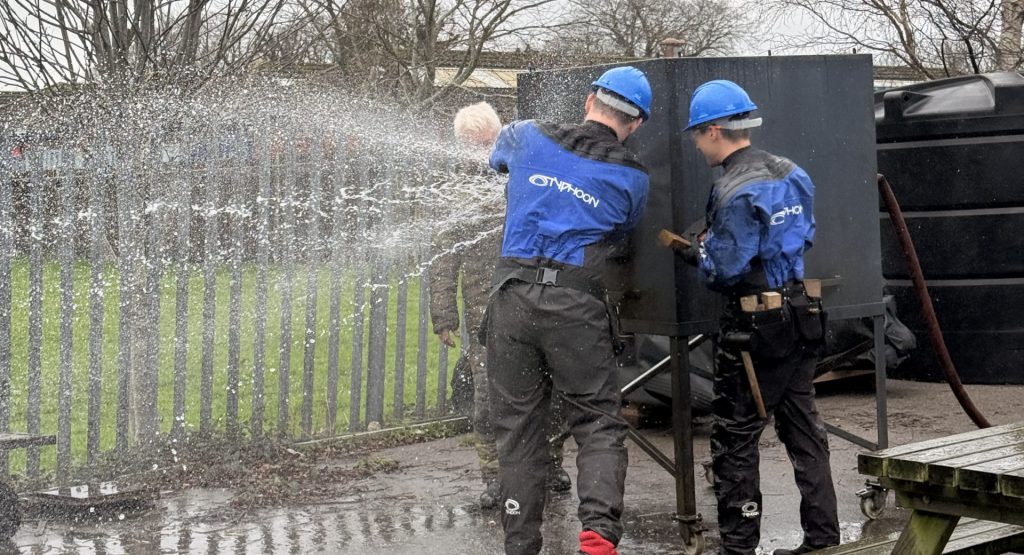
Two damage control training delegates practicing hull breach response outside

Contact the Maritime Skills Academy now to discuss how you can start building a damage control training programme that delivers real results for your fleet.

STCW Entry into Enclosed Space Training in the UK: What Seafarers and Shipping Companies Need to Know 

Every year, accidents occur in enclosed spaces on ships due to inadequate training. The high-risk environment, with serious hazards including a lack of oxygen, toxic gases, and fire risks, is one of the leading causes of fatalities onboard.  

This blog aims to bring together all key regulations and guidelines, such as STCW, SOLAS, IMO, and MNTB, so that seafarers and shipping companies have a single, authoritative reference in one place.  

At the Maritime Skills Academy, our goal is to help you understand compliance requirements and why proper training is critical for safety and operational excellence.  

What does Entry into Enclosed Space Training involve? 

By combining theory and practical learning, delegates will understand the complexities of enclosed spaces and the contributing factors to fatalities in them.  By gaining a deeper awareness of the hazards and how to test the atmosphere with gas detection equipment, crew members will be able to easily identify risks before entering an enclosed space.  

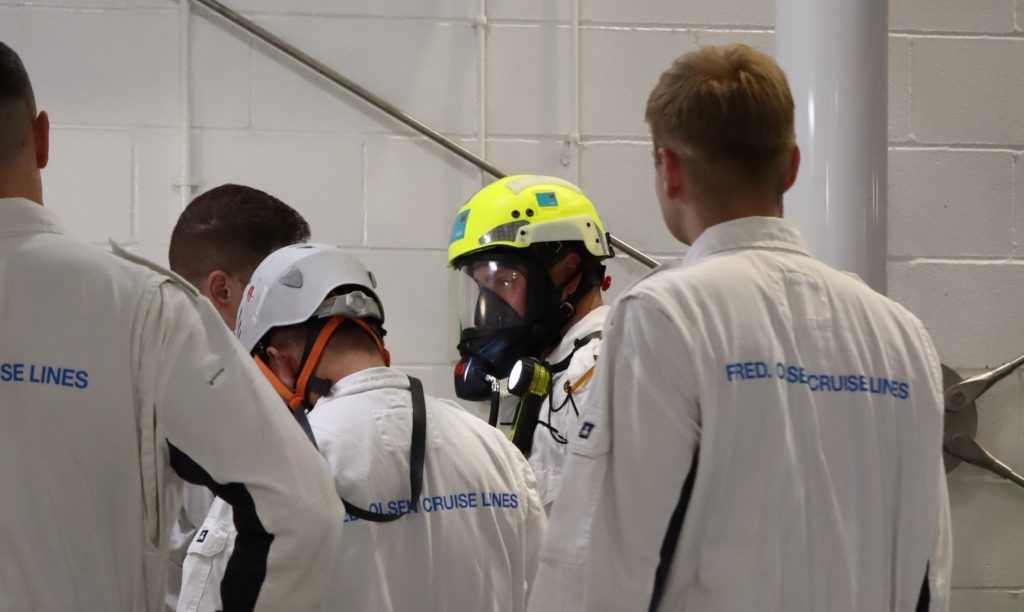
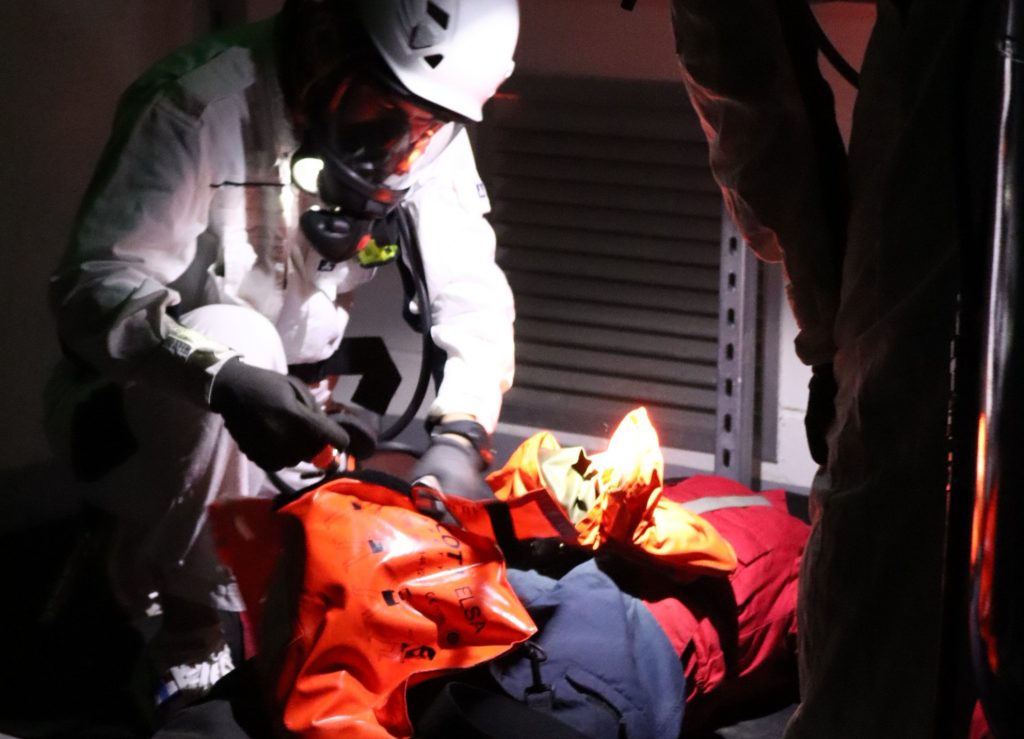
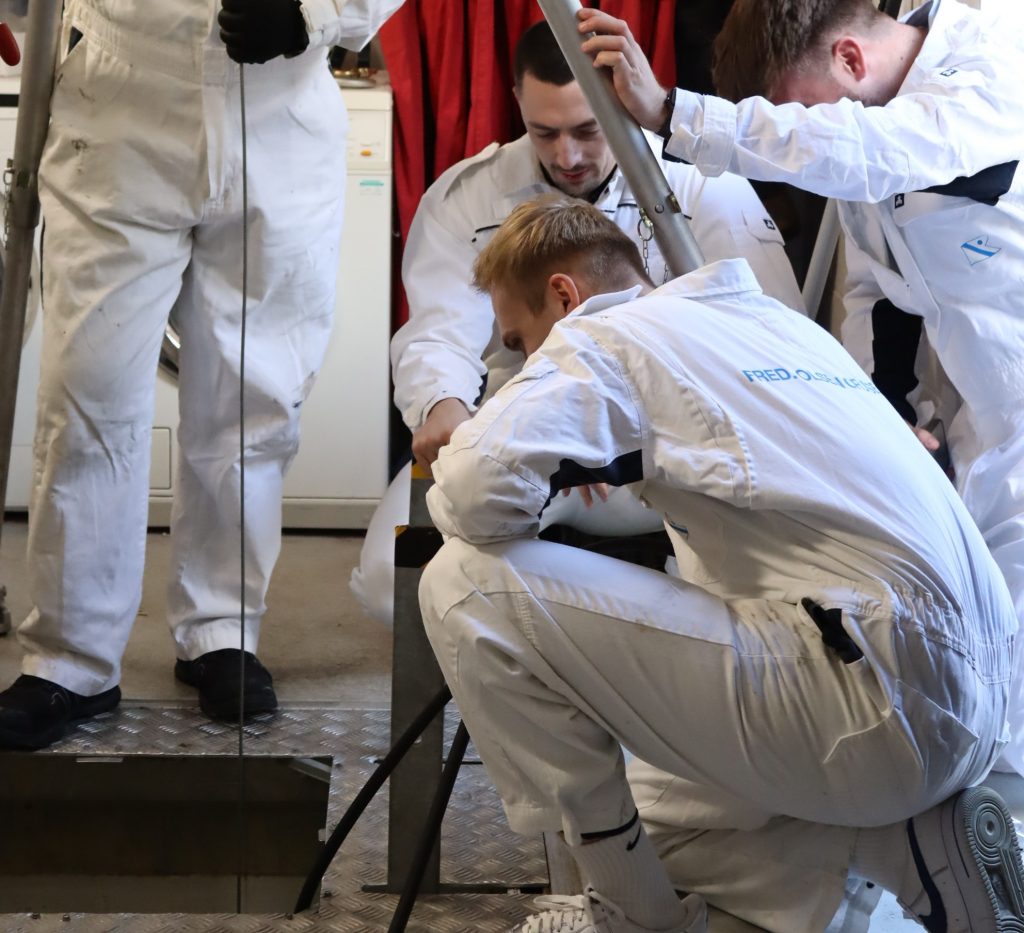
Another key requirement of the course is to learn safe entry procedures, such as Permit-to-Work Systems, and to practice rescue drills and self-rescue techniques in unforeseen circumstances. With a custom-built, simulated entry into enclosed space scenario, delegates can learn the correct methods for entry and PPE use, especially if this is their first encounter with the equipment.  

Fred Olsen delegates training in Enlcosed space entry

As a seafarer, gaining the knowledge and practical experience in a controlled environment will be the best preparation you could ask for in the event of an emergency happening on board. And for shipping companies, they trust that the training provider their crew are completing their training with will give them the confidence to perform under pressure. 

Why Enclosed Space Training Matters 

Enclosed spaces on ships (such as tanks, cargo holds, or pump rooms) pose serious health risks due to toxic environments and flammable atmospheres. Accidents often result in fatalities, with a low survival rate, making safety training essential for both seafarers and shipping companies.  

STCW Code Requirements Explained 

The Standards of Training, Certification and Watchkeeping for Seafarers (STCW) sets clear guidelines for enclosed space entry training, which, if followed, will result in little to no accidents, as it’s natural to allow for the possibility of human error or unpredictable circumstances.  

Section A-VI/1-4: 

This is an essential part of Basic Safety Training that requires seafarers to understand personal safety responsibilities, hazards of enclosed spaces, and emergency procedures. 

Enclosed space delegates following STCW regulation

The code promotes compliance, effective communication, and safe working practices. Often referred to as PSSR or Personal Safety and Social Responsibilities, this section of STCW mandate helps seafarers prepare for emergencies and communicate effectively with peers. 

During enclosed space emergencies, social responsibility and clear communication are invaluable to the success of an operation, reducing risks and keeping team members calm.  

Section V/1-1: 

This code applies to tanker operations and adds specific precautions for enclosed spaces on tankers due to cargo-related hazards. 

The section focuses on those with decision-making capacity, encouraging them to familiarise themselves with the vessel in question and its operations, including cargo carried and its risks.  

This training is essential to apply to enclosed space emergencies because equipment used, and method of entry could be altered by variables onboard the ship. Decision makers will need to evaluate the risks of enclosed space entry prior to executing a casualty recovery, which could be deemed unsafe depending on elements onboard the vessel. 

Sections B-V/1, B-V/b, B-V/c: 

Although this section is only recommended guidance (non-mandatory) important topics are covered: best practices such as permit-to-work systems, atmosphere testing, and emergency drills. 

Focusing on hazardous substances that may be onboard, the code educates crew on the dangers of certain cargos. These can impact the decision-making process of enclosed space entry risk evaluation, because unsafe substances that may be present onboard could be inhaled, or cause damage to the crew who have been designated to enter.  

IMO Resolution A.1050(27): 

Provides detailed recommendations for entering enclosed spaces on board ships, including testing, ventilation, and rescue readiness. 

Fred Olsen delegates completing enclosed space entry training

The resolution suggests that entry into enclosed spaces should be strategised subjectively to the vessel’s condition and the nature of the emergency onboard. Always having highly skilled crew members and designated decision makers to fulfil thorough risk assessments, using such to authorise entry.  

Risk assessments should always take atmospheric condition and content of a ship’s cargo into account to ensure that all factors are considered prior to entry.  

SOLAS Chapter III, Regulation 19: 

Finally, Regulation 19 of SOLAS Chapter III requires enclosed space entry and rescue drills to be conducted regularly on board. This helps crew to know exactly how to behave if an emergency occurs. Keeping procedures calm, effective and regimented.

How the Maritime Skills Academy Delivers Entry Into Enclosed Space Training 

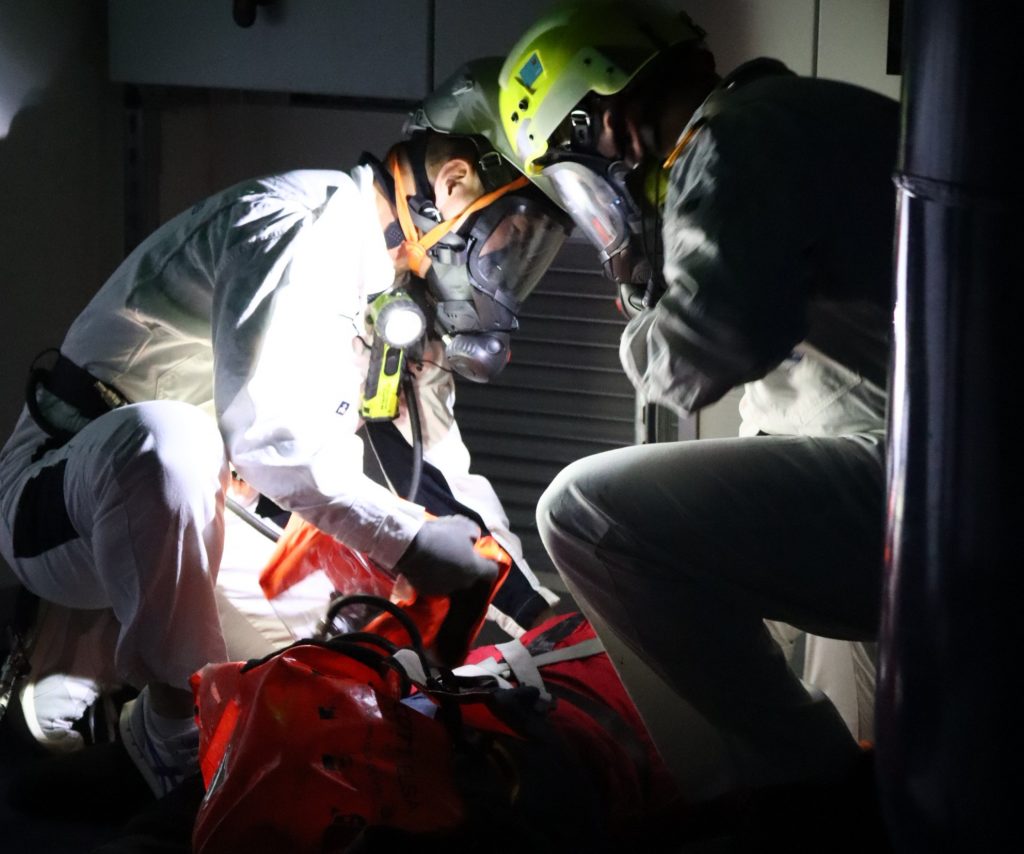
At the Maritime Skills Academy, our STCW-compliant enclosed space entry training combines theoretical knowledge with hands-on practice under the guidance of our experienced maritime instructors.  

Enclosed space entry training with Fred Olsen delegates

Our courses are designed to meet the international standards and MNTB guidelines, thereby enhancing crew confidence and competence, reducing risk, and improving operational safety.  

Ready to Book? 

Ensure your crew is prepared for enclosed space operations. Book your STCW Enclosed Space Training now with the Maritime Skills Academy to stay compliant.  
Navigating the Future of Polar Shipping – Insights from the 2025 Polar Maritime Seminar

Supporting Safer Polar Shipping 

In January 2025, over 200 delegates from nearly 100 countries and organisations gathered at the IMO Headquarters in London for the Polar Maritime Seminar, co-sponsored by the International Maritime Organization (IMO) and Norway’s Chairship of the Arctic Council, in cooperation with the Protection of the Arctic Marine Environment (PAME) Working Group. 

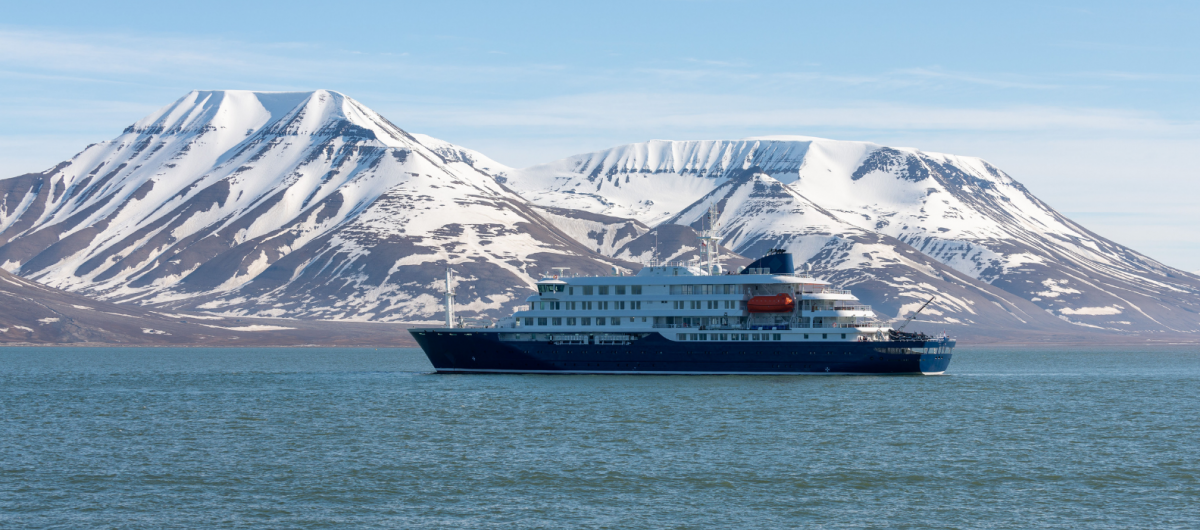
Ship operating in Polar Shipping Region

This significant event marked a key moment in the global conversation around polar maritime operations, uniting regulators, researchers, operators, and Indigenous representatives to address the increasing complexities of shipping in the Arctic and Antarctic. 

Themes and Outcomes of the Polar Maritime Seminar 

1. Trends in Polar Shipping and Vessel Activity 

During the event, experts presented data showing a steady rise in Arctic and Antarctic traffic, driven by tourism, resource access, and scientific missions. The Arctic Ship Traffic Data (ASTD) project highlighted the need for improved monitoring and transparency to track pollutants emitted and promote a more sustainable method of traffic so as not to disrupt sensitive ecosystems.  

2. Voyage Planning and Risk Management 

With dedicated sessions on the importance of real-time data, satellite support, and proactive planning, the POLARIS risk indexing system was reviewed as a tool to help operators assess ice conditions and make safer routing decisions.  

3. Search and Rescue (SAR) Challenges 

Due to limited infrastructure in polar regions, SAR capabilities still remain a concern. Case studies, including the Northguider grounding, underscored the need for international collaboration and contingency planning.  

4. Training and Competence Development 

The seminar emphasised the importance of STCW polar modules and advanced simulation-based training. Speakers from the IMO, Norwegian Maritime Authority, and industry leaders discussed how to enhance crew readiness for polar conditions.  

At the Maritime Skills Academy, training and competence development are at the heart of our deliverables. As the only MCA-approved, Polar Code Training centre in the world, our expertise and knowledge have seen many pass their Basic and Advanced courses, making the waters safer one vessel at a time.  

5. Environmental Protection and Emissions 

As a population, we should be making more of an effort to reduce our emissions and plastics that are harming the environment. The shipping industry alone accounts for approximately 3% of global carbon dioxide emissions, and contributes to other concerns such as oil spills and noise pollution that affect marine life. The seminar raised all the above points, touching on the plastic pollution from fisheries, which is also a significant contributor to environmental disruption.  

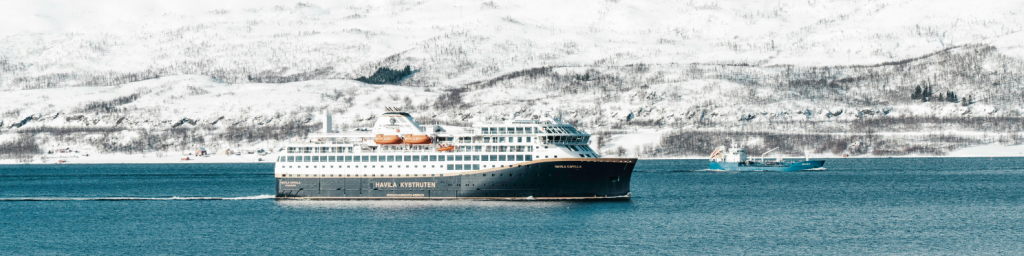
Cruise ship operating in ice

As a result, the decision was made to strengthen the Polar Code and expand emission control measures, especially in light of the Arctic’s accelerated warming. 

6. Fishing Vessel Safety 

The summit concluded with a decision to approve the Cape Town Agreement, establishing minimum safety standards for fishing vessels— a critical issue given their increasing presence in polar waters. 

A Collaborative Path Forward 

Speakers, including Ms Heike Deggim (IMO) and Ms Siv Christin Gaalaas (Norwegian Ministry of Trade, Industry and Fisheries), stressed the importance of balancing opportunity with responsibility. The seminar reinforced that safe and sustainable polar shipping requires: 

  • Strong international cooperation 
  • Continuous regulatory evolution 
  • Investment in training and technology 
  • Respect for Indigenous knowledge and ecosystems 

The 2025 Polar Maritime Seminar sets the tone for the challenges and opportunities ahead. As we move into the winter season and more discussions on polar operations, we’ll explore how these themes translate into real-world practices from training and compliance to innovation and climate resilience. 

The Maritime Skills Academy hopes that by raising awareness of these issues and providing essential training to crew, we can help Set New Standards Together in the maritime industry.