Enclosed Space Training: The Role of Technology in Protecting Seafarers 

Enclosed spaces remain one of the most hazardous environments onboard vessels. In our previous blog, it was evident that crew members are most vulnerable to enclosed space emergencies and should be the priority when it comes to training.  

Over the past few years, we have witnessed the development of technology both onboard and in training environments. Now we are starting to see technology that can help to reduce risks and improve enclosed space safety, including portable detection devices and remote monitoring systems.  

The Growing Role of Technology in Enclosed Space Training 

Although traditional safety precautions, such as practice drills, are still essential to onboard safety, the introduction of new technologies can be used on top of these practices to provide an additional level of protection. Modern technology can help responders identify hazards before entering an enclosed space. This can include: Portable multi-gas detectors, Wearable Monitoring Devices, Remote Ventilation and Purging Systems, Drones and Robotics and Communication systems. 
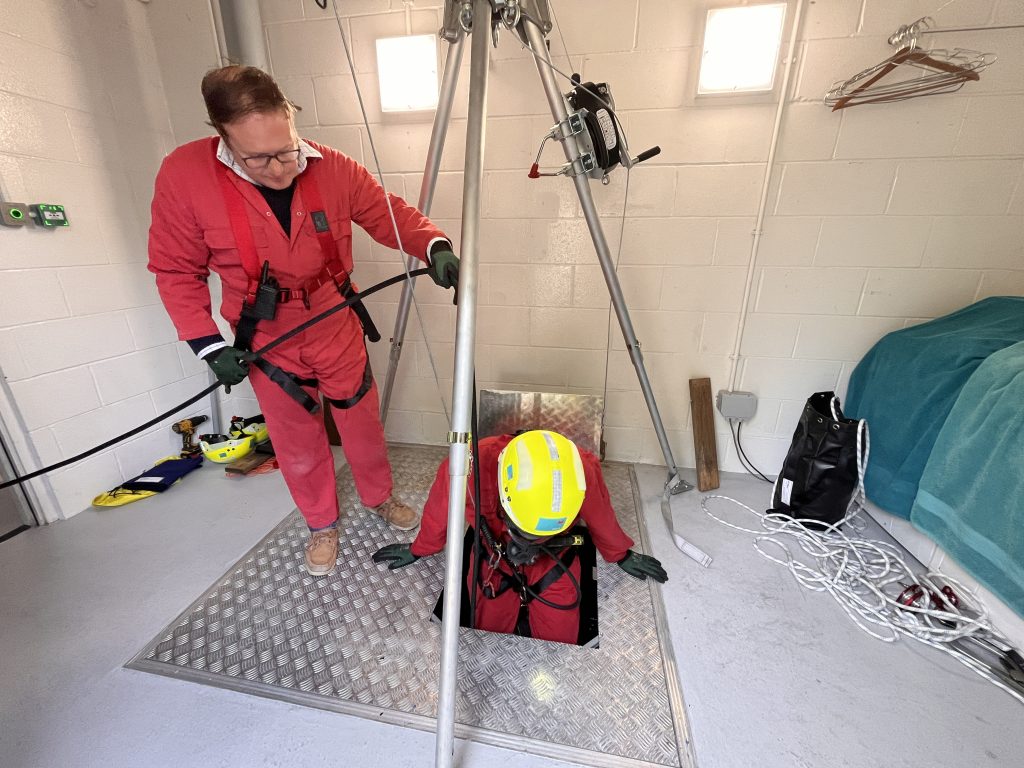
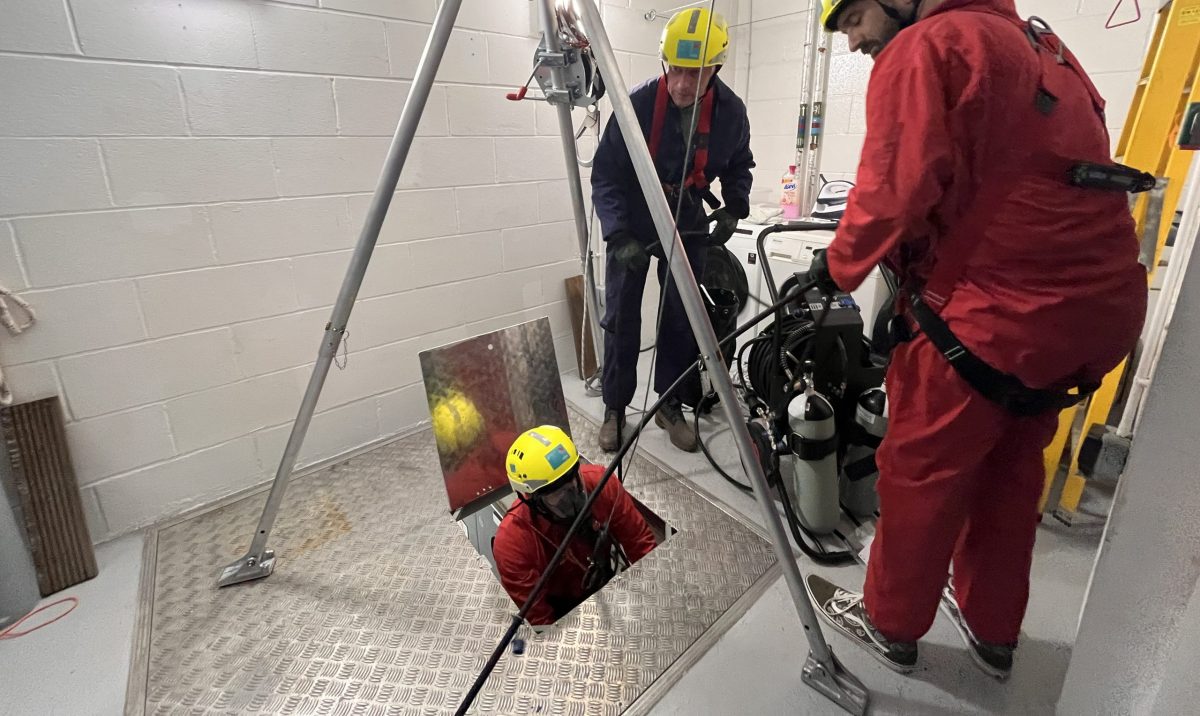
Delegate lowering into enclosed space hatch

InterManager has collected statistics showing that since 1996, 310 people lost their lives in enclosed spaces on ships. A large number of enclosed space casualties are caused by asphyxiation or unknown dangerous gasses. Having access to life saving technology and being educated in its use can reduce the risk of casualties and ultimately, save lives.  

Alignment With Industry Standards 

Regulatory bodies such as The International Maritime Organization (IMO), STCW Standards and The Merchant Navy Training Board (MNTB) all speak on the importance of educating crew on the use and risk assessment of equipment. Crew should be trained and tested to an achievable industry standard level. Similarly, technology should be kept up to date, and users should be regularly trained on how to use the equipment to its full potential.  

Despite being a powerful tool, technology should not replace training and traditional safety practices. The combination of industry-standard training, STCW regulations, and education on technological advancements will give seafarers the best possible chance of safe entry into enclosed spaces.  

How the Maritime Skills Academy is shaping Enclosed Space Training 

At the Maritime Skills Academy, we provide Bahamas, MNTB, Ofqual and MNTB-recognised training that supports ship operators in meeting compliance requirements while building a stronger safety culture onboard. Our enclosed space training ensures your crew are prepared for onboard emergencies and in a position to operate technological equipment safely.  
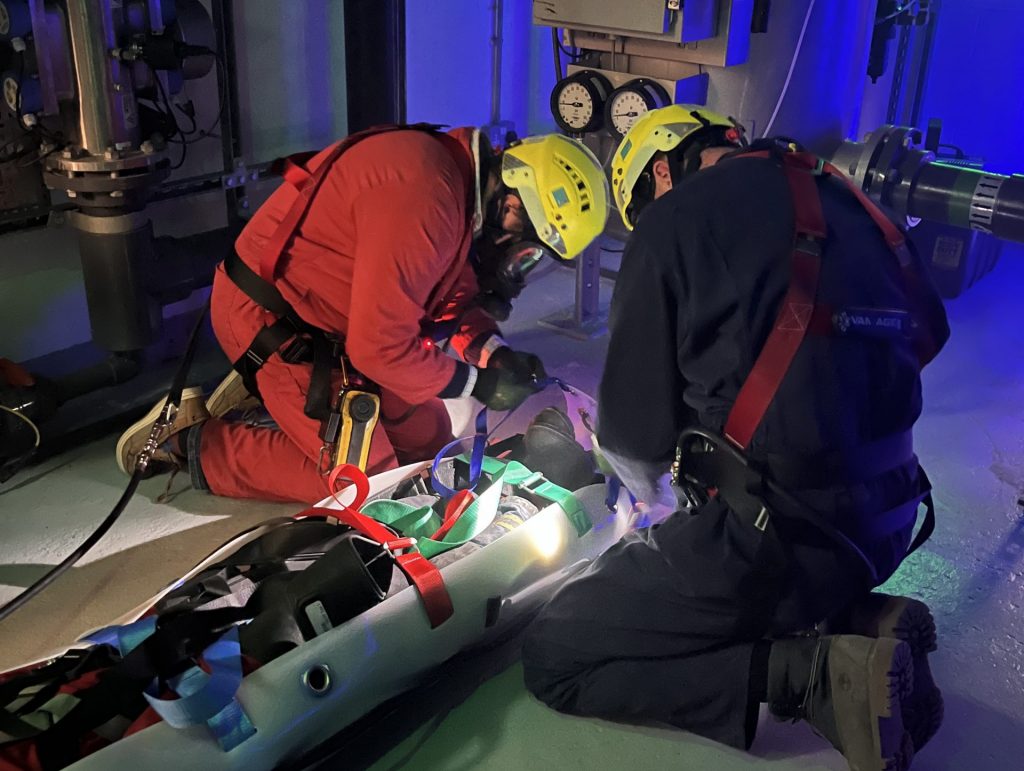
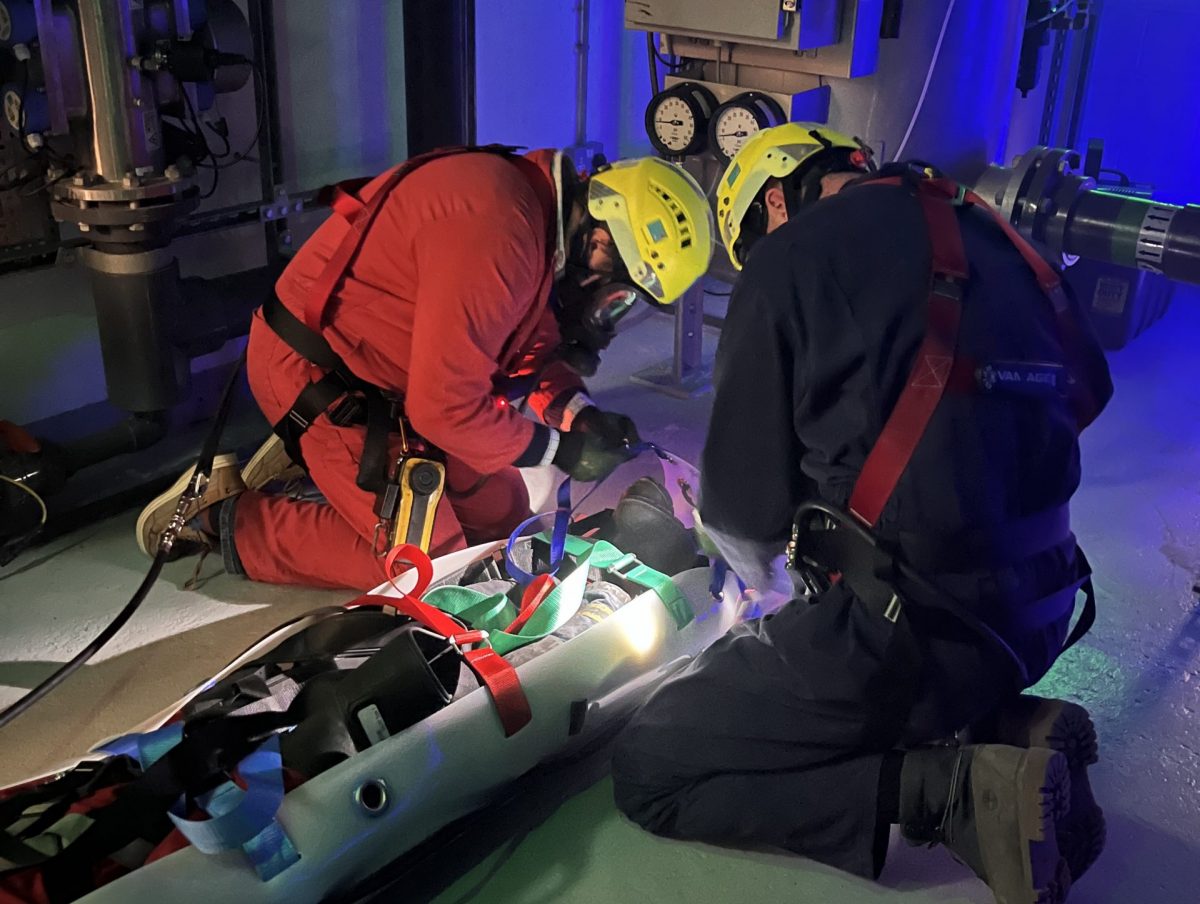
Two delegates aiding a simulated casualty in an enclosed space at MSA

By simulating realistic conditions, crew can be prepared to respond to emergency situations in enclosed spaces. If crew are trained in enclosed space entry and educated on the correct procedures, the risk of panic and confusion in real emergencies is significantly reduced.  

Book your MNTB Entry Into Enclosed Space course with the Maritime Skills Academy to find out how we can support your crew.  
Enclosed Space Entry: Training and Awareness from the Crew’s Perspective

Enclosed space entry discussions often surround the responsibilities of high-ranking officers and crew. However, younger, less experienced crew are more likely to be tasked with enclosed space entry and tasks in enclosed spaces. Which is why it is essential to gather their perspective on the current procedures and training surrounding enclosed space entry. 

The Crew Experience

For many new seafarers, enclosed spaces represent a hidden risk. Without direct experience, they may underestimate how quickly an environment can become life-threatening. Early training and mentorship are therefore critical to shaping safe behaviour.  

Two enclosed space entry delegates at the bottom of a ladder

The International Convention on Standards of Training, Certification and Watchkeeping for Seafarers (STCW) mandates that all seafarers receive training in personal safety, which includes awareness of the hazards of enclosed spaces. The Merchant Navy Training Board (MNTB) provides detailed guidance and model training frameworks that complement STCW, ensuring that crew are aware of the risks and equipped with the practical skills to manage them.

“When I first started working onboard, I didn’t fully realise how dangerous enclosed spaces could be. The training with the Maritime Skills Academy really opened my eyes – I learned how to check gases, use the equipment, and work with my team safely. It gave me the confidence to speak up if something didn’t feel right.” – Crew member who attended MSA Dover Enclosed Space Training course.

Key Challenges for Crew Members 

Junior crew members can often feel the need to prove themselves to more experienced, older crew mates. This can result in rash decision making and enhanced danger in enclosed space emergencies. Proper, regular training will reduce stigma surrounding the experience hierarchy and give less experienced crew the knowledge they need to be able to perform their duties safely. 

two masked delegates rescuing a casualty in an enclosed space

A lot of ships employ crew from all around the world. This is excellent for creating a multicultural, diverse workforce. However, such diversity can cause communicative barriers. By instilling universal, standard training, we can ensure that crew are prepared for an emergency.  

Finally, a common disadvantage of any experienced crew, is complacency. Without regular training on changing regulations and updating certifications, crew can become complacent to emergencies onboard. Although an emergency should be, and often is, an anomaly, crew should always be prepared and trained for such cases. To ensure crew are not becoming complacent, regular training and training standards can be enforced, educating crew on regulations and emergency procedures. 

Empowering Crew Through Training 

At the Maritime Skills Academy, our focus is on empowering crew through training. Helping them feel comfortable and confident with their duties. Our top-class training offers:

  • Crew involvement in realistic drills that include them as entrants, standbys, and rescuers, aligned with STCW requirements and MNTB best practice guidance. 
  • Encouragement of questioning and reporting unsafe practices without fear of reprisal, embedding a culture of safety accountability. 
  • Refresher training at regular intervals, as recommended by MNTB, to combat complacency and reinforce safe practices. 

By focusing on the crew’s perspective, we can see that junior crew are in need of training, not only to prevent unsafe enclosed space entry practices but also to foster a feeling of empowerment and confidence on board.  

By following STCW recommendations and MNTB guidance, we can train crew in enclosed space entry safety both formally and onboard.  

At the Maritime Skills Academy, we aim to provide accurate, realistic, engaging and thorough training to prepare junior seafarers for enclosed space entry and emergencies.  

To find out more about our course and book your space, click here.  

The Superyacht Forum 2025

Viking Crew, part of Viking Maritime Group, will be attending the superyacht forum in Amsterdam this year!

Taking place on the 17th and 18th of November 2025, the forum will include networking opportunities, workshops, speakers and socials.


If you would like to arrange to meet us at the forum, get in contact with our attendees:

Matthew Jaenicke: Matthewj@vikingmaritime.co.uk
Paul Rutterford: Paulr@vikingcrew.com

Or to find out how to attend, click here