The Maritime Skills Academy Celebrates the Nautical Institute’s Recognition for Polar Training Courses

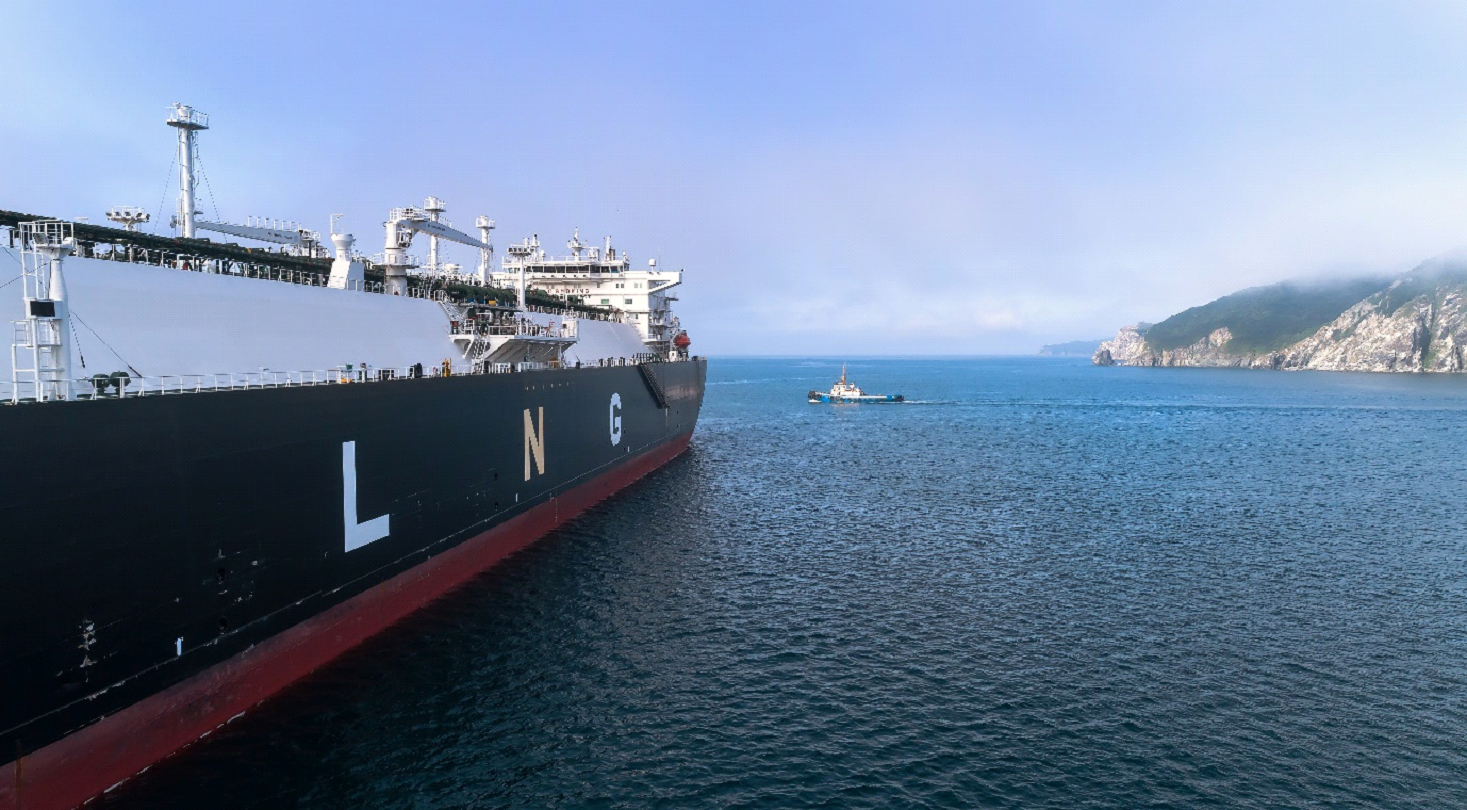
The Maritime Skills Academy (MSA) is proud to announce that our Polar Code Basic Course (POLAB) and Advanced Training Course (POLA) has received recognition from the Nautical Institute (NI).

Our courses are part of the Continuing Professional Development (CPD) that seafarers must undertake to gain the Ice Navigator Level 1 and Level 2 Certificate. This recognition makes the Maritime Skills Academy one of only two training centres in the world to hold this accreditation.

What is the Ice Navigator Training Accreditation and Certification Scheme?

The NI Ice Navigator Training Accreditation and Certification Scheme is required under the Polar Code, with a global standard in training and certification of Ice Navigators.

The NI Standard complies with relevant IMO resolutions and identifies the skills, competencies, and experience that are expected of an Ice Navigator. Officers that obtain NI Ice Navigator Level 1 or Level 2 Certification will possess an internationally recognised level of experience and competence in the operation of ships in ice.

Mark Jaenicke, Operations Director at the MSA said,

“We are thrilled to have received recognition from the Nautical Institute and to be able to offer these high-quality courses to seafarers.

“Our team of experienced Ice Captains and Ice Pilots has developed the courses to provide a comprehensive education and training program that meets the requirements of the STCW.

“With this recognition, we are confident that our courses will help seafarers improve their skills and advance their careers in polar navigation.”

Maritime Skills Academy Nautical Institute Recognition Polar Training Course

What is the Polar Training Course?

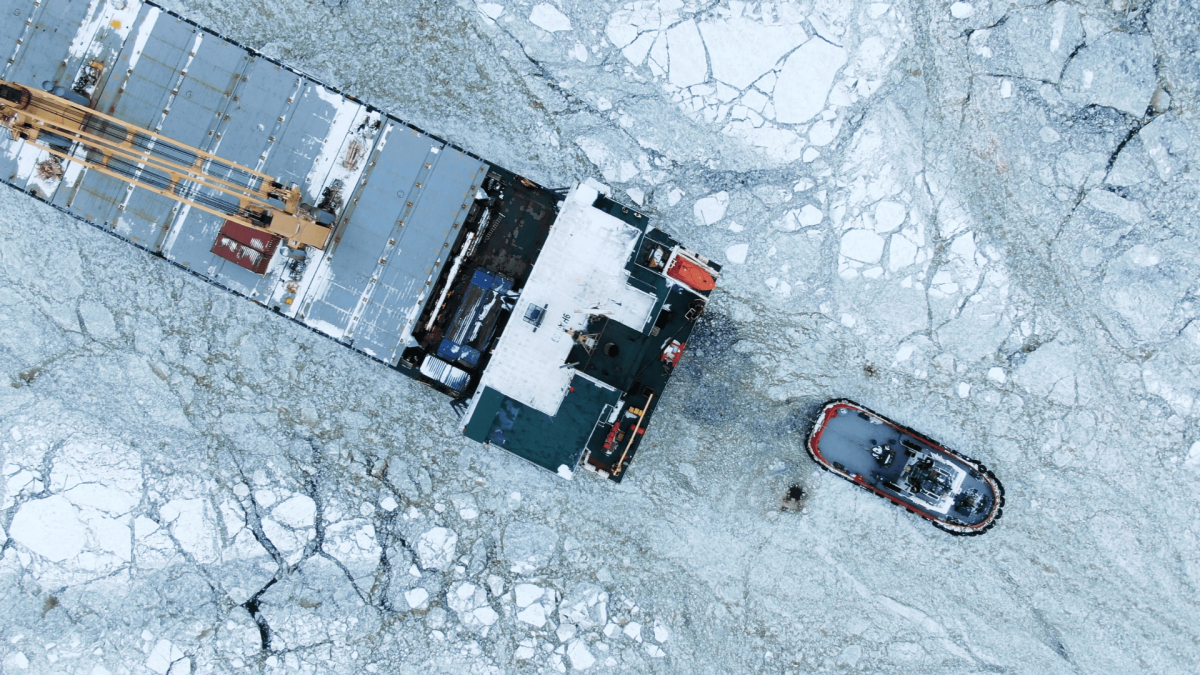
The Polar Training Course is a comprehensive training program designed to equip seafarers with the necessary skills and knowledge required for navigating ships in polar waters. The scheme was set up as part of the Nautical Institute’s Ice Navigator Training Accreditation and Certification Scheme, which is required under the Polar Code.

The NI has developed this global standard in training and certification of Ice Navigators in compliance with relevant IMO resolutions; it identifies the skills, competencies, and experience expected of an ice navigator.

The NI Standard has two levels: Ice Navigator Level 1 and Ice Navigator Level 2. These are internationally recognised certificates that signify a high level of experience and competence in the operation of ships in ice.

Officers who obtain the NI Ice Navigator Level 1 or Level 2 Certification will possess the necessary skills and experience to navigate polar waters safely and effectively.

Maritime Skills Academy Nautical Institute Recognition Polar Training Courses

What Do the Courses Involve?

The Maritime Skills Academy offers two MCA Approved Polar Code Training courses:

The Polar Code Training (Basic) (POLAB) aims to provide seafarers on board polar-operating ships with education and training that meet the STCW requirements. The course covers the following topics:

  • Polar Code overview and regulations
  • Cold climate and its impact on the ship and crew
  • Ice and its various forms
  • Navigation in ice and low visibility
  • Emergency procedures in ice-covered waters

The Polar Code Training (Advanced) (POLA) is intended for Masters and Officers in charge of the navigational watch involved in navigating ice conditions. The course covers the following topics:

  • Plan and conduct a voyage in polar water
  • Manage the safe operation of vessels operating in polar waters
  • Maintain safety of the ship’s crew and passengers and the operational condition of life-saving, fire-fighting and other systems

Both courses have been developed by experienced Ice Captains and Ice Pilots, who are recognised leaders in the industry. Our instructors have extensive experience in navigating ships in polar waters, and help deliver these courses.

Upon successful completion of the course, seafarers will have the knowledge and skills necessary to operate ships safely and efficiently in polar waters.

Final Thoughts

We are proud to have received recognition from the Nautical Institute for its Polar Code Basic Course (POLAB) and Advanced Training Course (POLA).

By completing these courses, seafarers can gain the Ice Navigator Level 1 and Level 2 Certificate, which will provide internationally recognised experience and competence in the operation of ships in ice.

This opens up polar waters to more seafarers and provides an opportunity to further your career in polar seafaring.

If you’re interested in the Polar Code Basic Course (POLAB) or Advanced Training Course (POLA), please click here.

Everything You Need to Know About the MCA Approved Engine Course 1 (AEC 1)

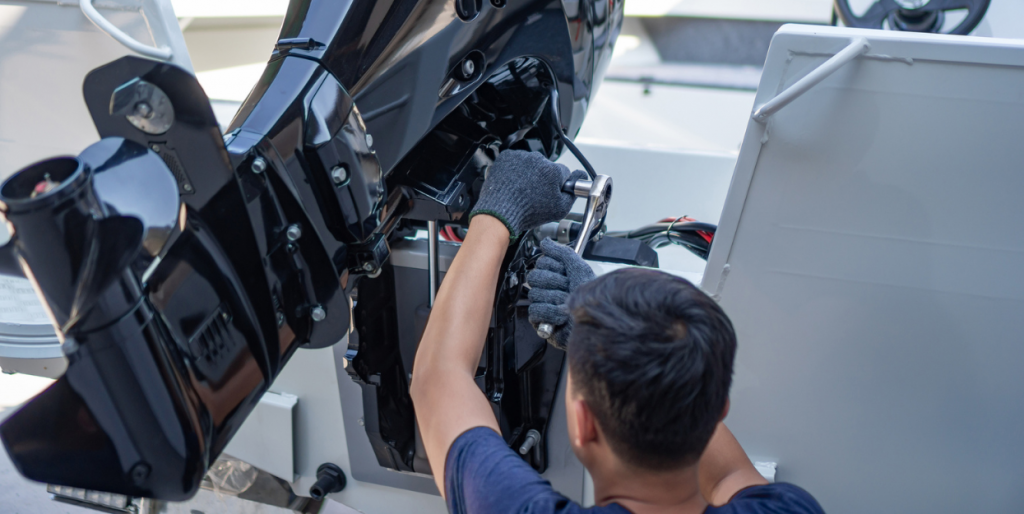
As a maritime professional, it is important to be up-to-date with the latest safety regulations. The MCA Approved Engine Course 1 (AEC 1) provides the necessary training and certification needed to safely operate a vessel.

The AEC 1 course covers a variety of topics, including:

  • basic engine maintenance
  • fuel management
  • safety procedures
  • boat handling
  • emergency procedures

In this article, we’ll be taking a closer look at the AEC 1 course and what it covers. We’ll also touch on how this certification can benefit your career as a maritime professional.

What Is the MCA Approved Engine Course 1?

So, what exactly is the MCA Approved Engine Course 1?

The AEC 1 is a professional course overseen by the Maritime and Coastguard Agency (MCA). The course is designed to provide students with the skills and knowledge needed to become certified engine mechanics.

The AEC 1 is module 6 in the of 7-module Approved Engine Certificate program, which
includes:

  1. Personal Survival Techniques
  2. Fire Prevention and Fire Fighting
  3. Elementary First Aid
  4. Personal Safety and Social Responsibilities
  5. Proficiency in Security Awareness
  6. Approved Engine Course 1 (AEC 1)
  7. Approved Engine Course 2 (AEC 2)

Completing all modules is required if you’d like to begin the Second Engineer (SV) Certificate.

What Does the MCA Approved Engine Course 1 Cover?

In simple terms, AEC 1 covers the basics of engine mechanics and will teach you how to
service and maintain engines. In pursuit of that, courses cover topics including:

  • compression ignition engines
  • two- and four-stroke operation cycles
  • fuel systems
  • cooling systems
  • electrical systems
  • lubrication technologies
  • power transmission units
  • hull fittings
  • safety procedures
  • fixed firefighting installations

As you can see, the course is quite comprehensive. It is important to note that the AEC 1 course is both practical and theoretical. Students will spend time in both the classroom and workshop in order to gain a well-rounded understanding of engine mechanics.

Note: You can read the MCA’s full-length course description here.

AEC 1 MCA Approved Engineer Course Maritime Skills Academy

How Is the MCA Approved Engine Course 1 Delivered?

The AEC 1 course is only delivered in person due to the importance of the practical elements. To take the course, you’ll need to locate an MCA approved testing centre in your area and book a spot.

The length of the course varies depending on the provider, but most courses last 5 days.

The AEC 1 course is usually graded by a short assessment at the end of training.

What are the requirements for the MCA Approved Engine Course 1?

The MCA doesn’t have any strict prerequisites in place for the AEC 1 course, aside from a minimum age requirement of 18 years.

That said, many testing centres recommend taking the Royal Yachting Association (RYA) Diesel Engine Course if you don’t have any prior experience with engines. The RYA course will give you a good foundation of knowledge that will help you to succeed in the AEC 1 course.

Additionally, it’s worth pointing out that successfully completing the AEC 1 course is a condition for taking the AEC 2 course.

What are the benefits of getting AEC 1 Certified?

There are a few key benefits that come with getting your MCA Approved Engine Course 1 certification, including:

  • Advanced Certification: The certification is required if you want to attain the Engineer Officer Certificate of Competency from the MCA. This is an important credential for anyone looking to pursue a career as a maritime professional.
  • Greater Competency: The skills and knowledge you gain from taking the AEC 1 course will be valuable in your day-to-day work as a maritime professional. The course covers essential topics like engine maintenance, fuel management, and safety procedures—all of which are critical in ensuring the safe operation of a vessel.
  • Differentiation: Having your AEC 1 certification can help you to stand out from other maritime professionals who don’t have the same level of training and experience. Of course, there are many other benefits to taking the AEC 1 course—these are just a few of the most notable.

Ready to Get Started?

If you’re interested in taking the MCA Approved Engine Course 1, the first step is to locate a testing centre near you. Once you’ve found a provider that offers the course, you can book your place and get started on your path to becoming a certified engine mechanic!

If you’re looking for an MCA approved testing centre in the Dover area, be sure to book your AEC 1 course here. We offer a variety of MCA approved courses, including the AEC 1, AEC 2, and more.

Contact us today to learn more!

Operational Fire Fighting Training & Damage Control

(including MCA approved Advanced Fire Fighting and Command & Control certification)  

The Maritime Skills Academy (part of The Viking Maritime Group) offers Operational Fire Fighting Training & Damage Control sessions and is a completely tailored training package which incorporates relevant company policies and procedures. It will give crew specific training in their onboard procedures, equipment* and communication. The 7 day course will start with the fundamental elements of firefighting and damage control and escalate throughout the session focusing on command and control, decision making, and excellent teamwork.

The MSA has successfully implemented the training sessions for a number of cruise lines, ferry operators and yacht fleets and are seeing an increased demand for a more bespoke training approach.

The emphasis in understanding the core training focus is key and which gets discussed during the consultation phase, prior to any training commencement. This will be done in collaboration with our expert instructors, so the aims and objectives are met.

We focus on any procedures, areas of improvement, or concern but the specific training that will take place will cover:

· Effective search and rescue techniques

· Hose handling including stairs and ladders, rigging in a hot smoky environment

· Safe use on entry control board

· Safe casualty handling

· Organise and command fire parties

· Effective briefing and debriefing in an emergency

· Adaptable training environment

· Safety Management System to reality training

· Shoring and bracing techniques

· Effecting emergency repairs

· Hull breach (hole) with an inward distortion of the hull plating

· Buckle hatch flooding situation techniques

· Horizontal tear in the hull plating repairs

The MSA training facility in Dover is a multiple purpose centre with a well designed and professional training environment for crew from across all shipping sectors.

· 3 deck multi compartment fire house, with 11 zones all interconnected by a variety of doors, vertical ladders and two internal staircases.

· CCTV within the compartments (including Damage Control module) that can be monitored from the command-and-control module.

· Rescue stops are located at the vertical ladders to assist with casualty extrication.

· Multiple casualties ranging in size and weight

· Speakers to replicate casualties crying and screaming

· Full helicopter training setup used with a remote gas fire rig

· Full set of resus anni manakins to evolve the situation to medical care

· 12 full sets of Scott SCBA with 200 bar cylinders

· Pipe ruptures

· Hull cracks

· Buckled hatches

· Bilge pipe failures

· Penetrating holes · Paratech Damage Control System (DCS) https://www.youtube.com/watch?

· Dry suits and PPE

• Welcome to bring your own fire training equipment

Feedback from Clients:

It is great that the crew were able to focus on the company procedures and come away comfortable in company expectations.

The crew felt as though the instructors catered well to all abilities, so all crew were able to get something positive out of the training.

It was evident that the instructors were incredibly knowledgeable and patient with all students and all abilities, allowing the time and space for crew to become comfortable with a concept.

At all times, the drilled scenarios and practical elements of the training felt safe and under control. Everyone was comfortable throughout.

The crew thought the instructors did a great job of initially demonstrating and supporting, then stepping back, watching, and increasingly throwing curve balls, particularly to the Officers. This was great to hear, as the core objective of this training was to put pressure on the senior team.

Overall, it was a great course, and the crew got a lot out of it.

For further information and to discuss the training options, please email info@vikingmsa.com or call +44(0)300 303 8393