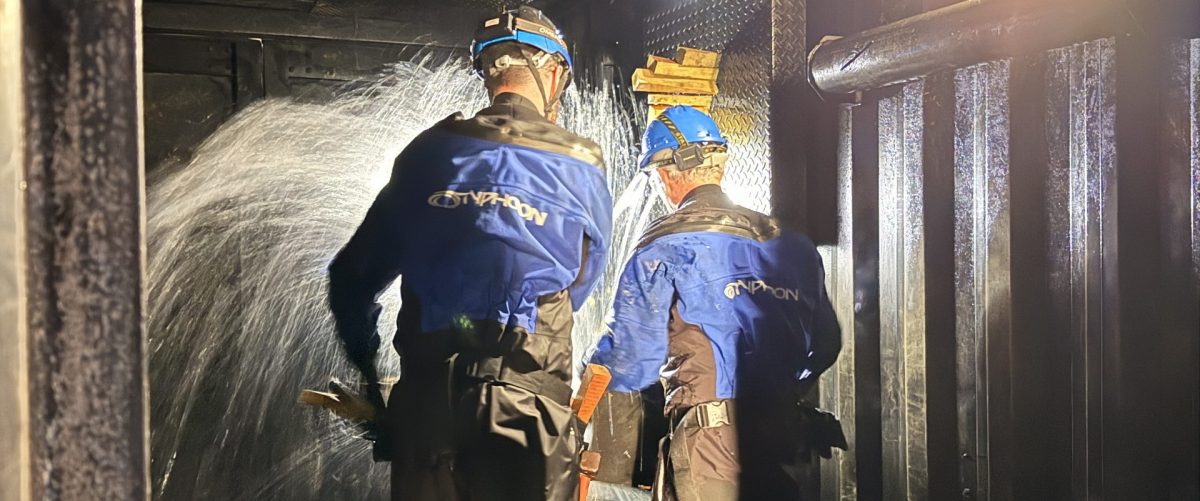
Maritime Damage Control | What Ship Owners and Operators Must Know to Stay Compliant

Why proactive training for maritime damage control is non-negotiable, and how the Maritime Skills Academy leads the way.

When a maritime emergency occurs, whether through collision, grounding, flooding, or structural failure, your crew’s ability to respond swiftly and effectively can determine the difference between a controlled incident and a catastrophic loss. Maritime damage control is not a best practice; it is a mandatory compliance requirement under international maritime regulation.
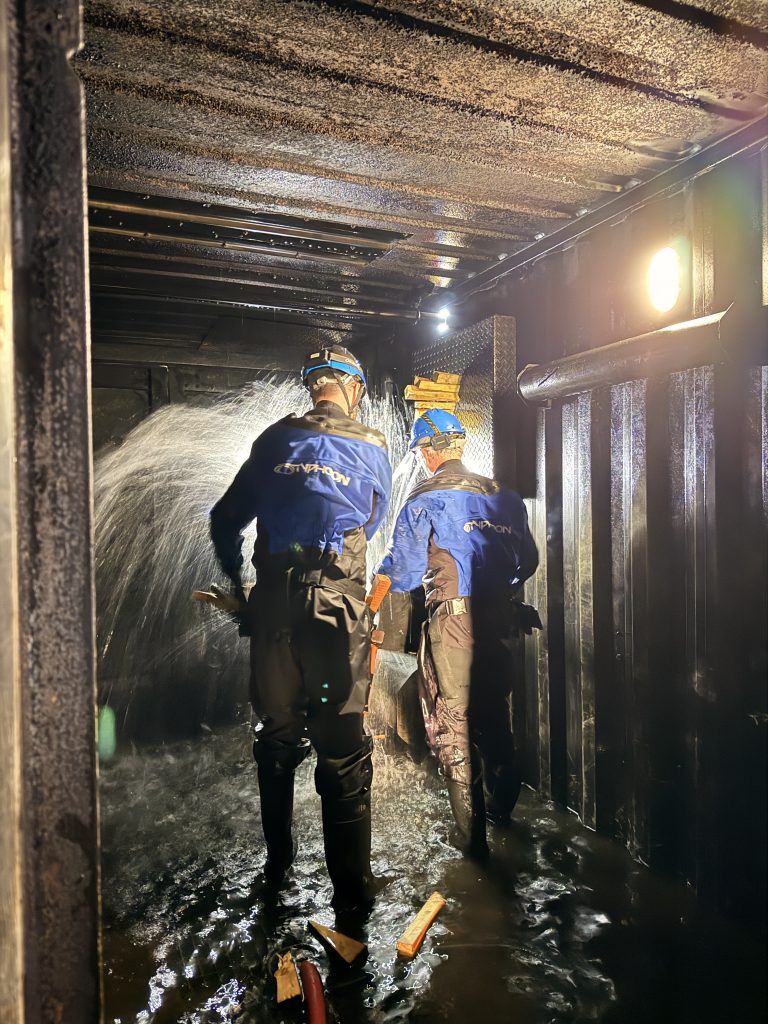
Maritime Damage Control Training at the Maritime Skills Academy in Kent.

For ship owners and operators, understanding these obligations is essential. Having the correct procedures, documentation, training and drill routines is an expectation of regulatory practice under the top governing bodies, SOLAS, STCW and the ISM Code.

And yet very few training organisations have the capability for facilities to deliver genuine, hands-on damage control training. In fact, the Maritime Skills Academy (MSA) is the only UK training provider that delivers a dedicated maritime damage control course, giving operators a unique opportunity to ensure full compliance while enhancing operational resilience.

Why Maritime Damage Control Matters More Than Ever

With international regulators tightening their expectations around emergency preparedness, passenger ships are required to conduct damage control drills every three months under new SOLAS updates. Each drill is designed to test crew responses to scenarios such as flooding, stability loss, or other structural emergencies. These drills must simulate varied conditions and require crew to operate key systems such as watertight doors, bilge pumps, cross-flooding systems, and flooding detection devices.

Additionally, at least one drill annually must include activation of shore-based support to validate communication systems and stability assessment protocols.
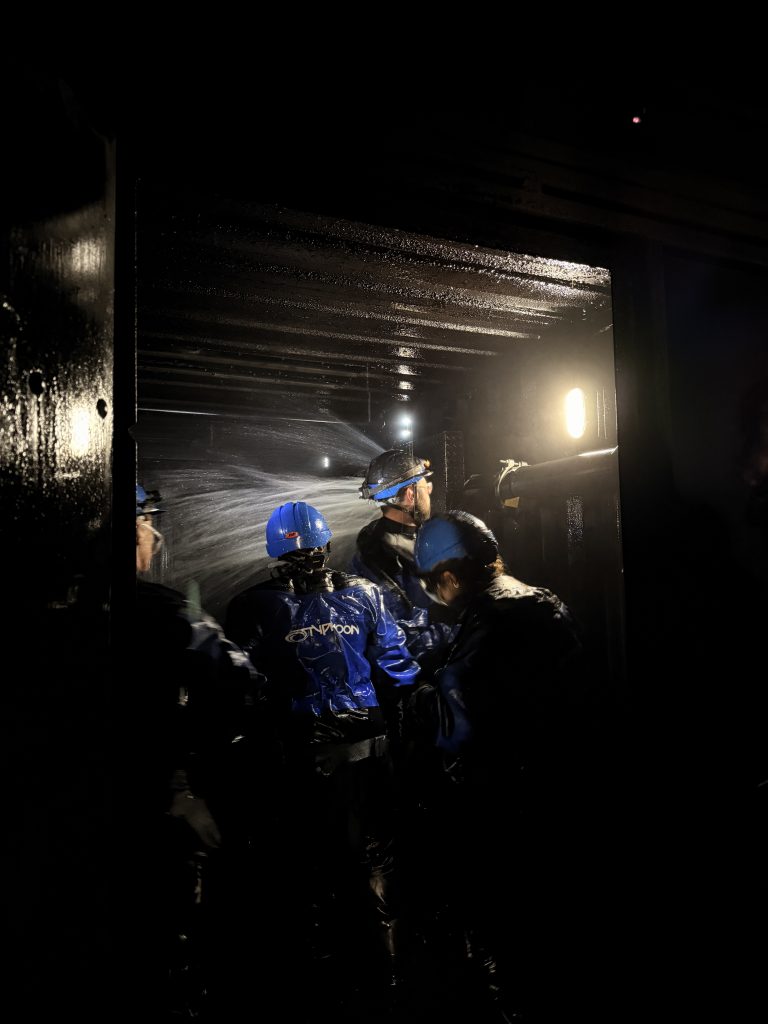
Maritime Damage Control Training at the Maritime Skills Academy in Kent. There are four crew members assessing a burst pipe with water spraying behind them.

Regulatory Requirements Every Owner and Operator Must Meet

No matter the vessel, safety implementation is there for a reason, and respected bodies of authority regulate the conditions of these vessels to ensure everyone is operating at a safe standard.

Authorities such as SOLAS, the ISM Code and STCW all stress the significance of regular drills and crew being thoroughly versed in emergency procedures. However, many operators struggle to maintain these expectations.

Despite clear regulatory expectations, these weaknesses can be, and regularly are, identified during flag-state inspections and ISM audits.

The most common pitfalls for operators are insufficient practical training, lack of realistic damage control situations, inconsistent drills, gaps in familiarity and audit findings.

How to close the Compliance Gap with Maritime Damage Control

As the UK’s only provider of dedicated maritime damage control training, the maritime Skills Academy offers an unparalleled service to ship owners and operators seeking to meet their regulatory obligations and enhance real-world readiness.

Our maritime damage control training course allows crew to train in realistic, controlled flooding environments, operate live bilge systems and watertight closure, practice flood containment with dewatering techniques, patching and shoring.

By recreating the high-stress environment under the guidance of our skilled instructors, crew are able to put their classroom learning into practice which is essential for real-world capability, bridging the gap between drills and emergencies.
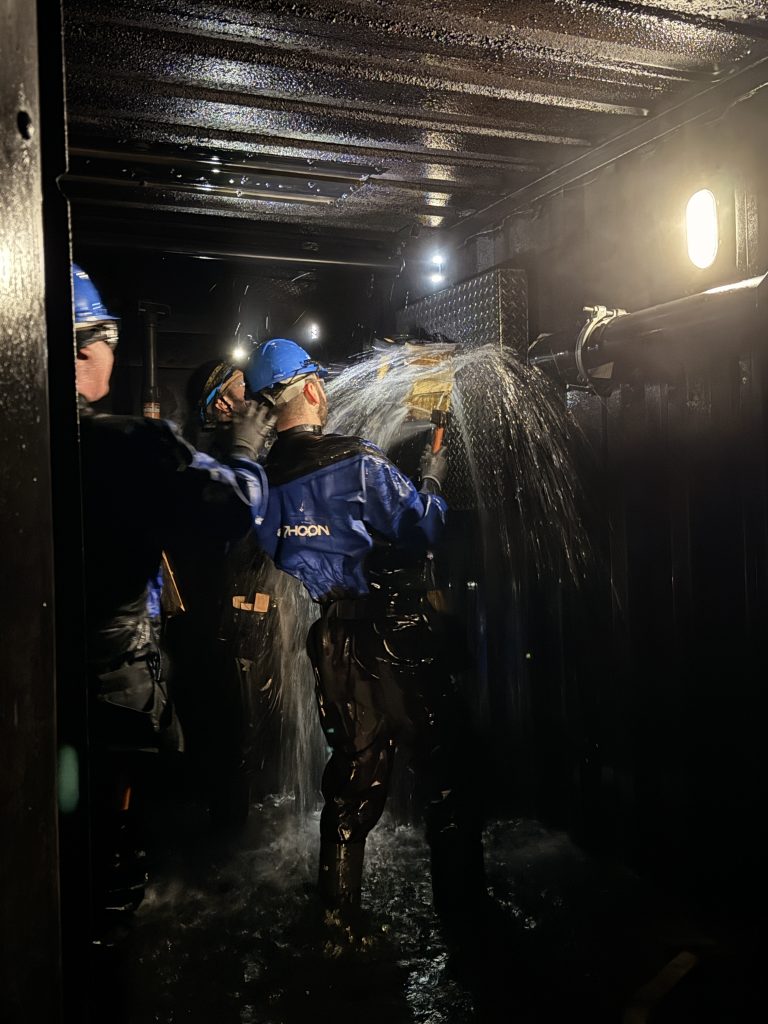
Maritime Damage Control Training at the Maritime Skills Academy in Kent. The image is of the inside of a container, posing as the interior of a ship's engine room that might experience a burst pipe or rupture. There are three crew members trying to stop the water flowing through a burst with wooden blocks.

Strengthen your compliance with the Maritime Skills Academy

Ship owners and operators carry the ultimate responsibility for ensuring their vessels and crew can withstand the unexpected. Strengthen your compliance. Strengthen your crew. Strengthen your ship.

The Maritime skills Academy is ready to support you with the UK’s only comprehensive maritime damage control training solution.
STCW Basic Training for Service on Ships using Fuels

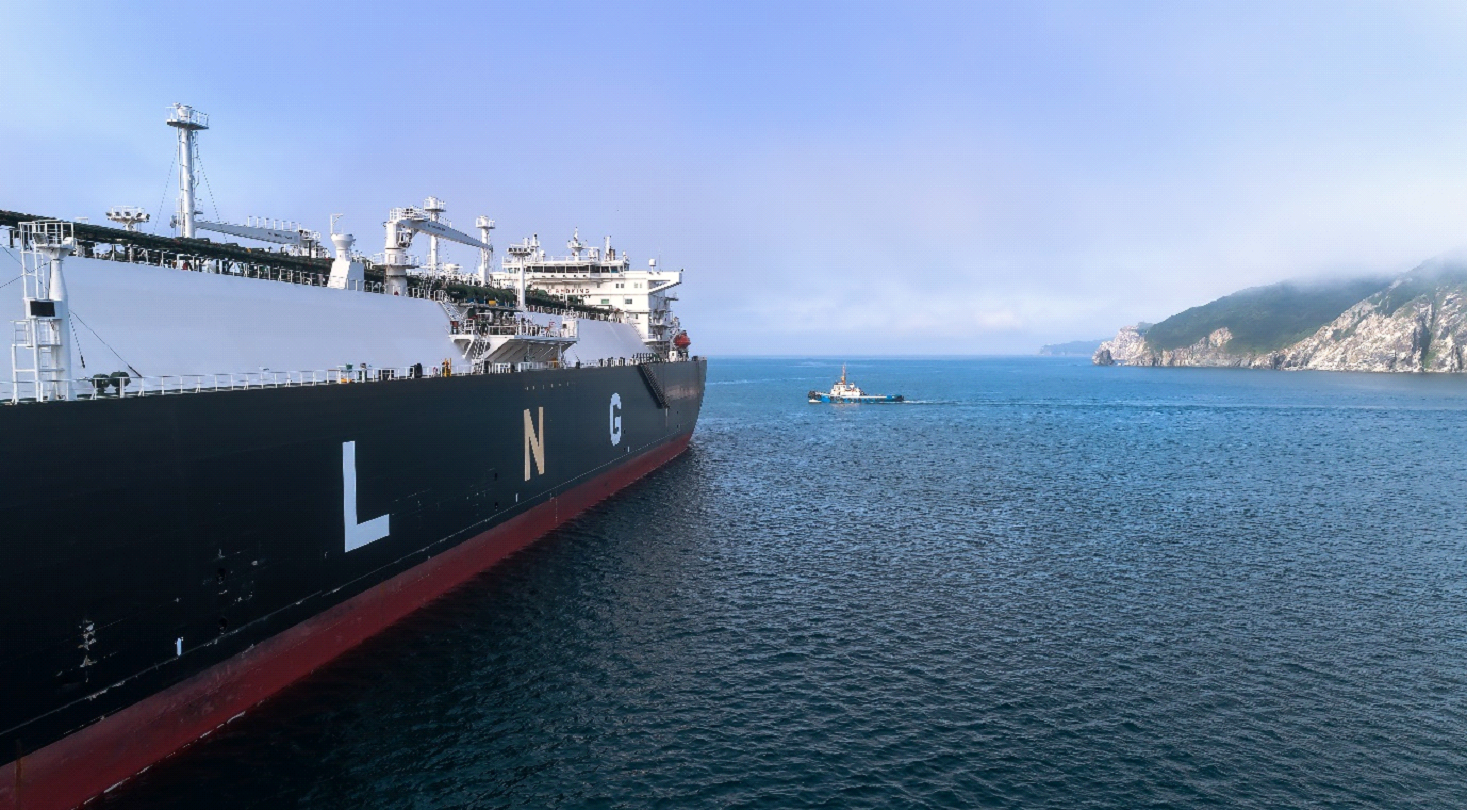
The MCA approved STCW Basic Training for Service on Ships using Fuels provides training for seafarers responsible for designated safety duties associated with the care, use, or in emergency response to the fuels on board ships subject to the IGF code (International Code of Safety for Ships using Gases or other Low-flashpoint Fuels).

In our latest article, we look at the many reasons why this course is so important.

Safety:

The International Code of Safety for Ships using Gases or other Low-flashpoint Fuels (IGF Code) sets out safety standards for ships that use alternative fuels, such as liquefied natural gas (LNG) and other low-flashpoint fuels.

This code aims to ensure the safe design, construction, and operation of ships using these fuels.

The STCW Basic Training covers the essential knowledge and skills required to handle and respond to emergencies related to these fuels, ensuring the safety of the crew, passengers, and the environment.

Competence:

The training ensures that seafarers working on ships using alternative fuels are competent in handling the specific challenges and hazards associated with such fuels.

It covers topics like fuel characteristics, safe fuel handling procedures, firefighting techniques, and emergency response protocols.

By completing the training, seafarers acquire the necessary skills to effectively operate and respond to incidents involving alternative fuel systems.

Compliance:

The STCW Convention (Standards of Training, Certification, and Watchkeeping) is an international maritime treaty that establishes minimum training, certification, and watchkeeping standards for seafarers.

The training on ships using fuels covered within the IGF Code is mandated by the convention, ensuring compliance with international regulations.

Ship operators and seafarers must adhere to these regulations to meet the required standards and maintain a valid certificate of competency.


STCW Basic Training for Service on Ships using Fuels


Prevention of accidents and pollution:

Ships using alternative fuels pose unique safety challenges due to the characteristics of these fuels. They have different ignition properties and may require specific handling procedures.

The STCW Basic Training equips seafarers with the knowledge to identify potential hazards, prevent accidents, and respond effectively to emergencies.

By ensuring that crew members are well-trained, the training helps minimize the risk of accidents, mitigate their consequences, and prevent pollution incidents.

Industry standards and best practices:

The STCW Basic Training reflects industry standards and best practices related to the use of fuels covered within the IGF Code.

These standards are developed through extensive research, analysis of incidents, and collaboration among maritime experts and organisations.

By incorporating these standards into the training, seafarers gain access to the latest knowledge and practices in the field, enhancing the overall safety culture within the shipping industry.

In summary, the STCW Basic Training for Service on Ships using Fuels covered within the IGF Code is important because it ensures the safety, competence, compliance, and pollution prevention of seafarers working on ships using alternative fuels.

It helps them acquire the necessary skills and knowledge to handle emergencies, follow industry standards, and maintain high safety standards in their operations.

To find out more about this course and to register your interest, please click here.

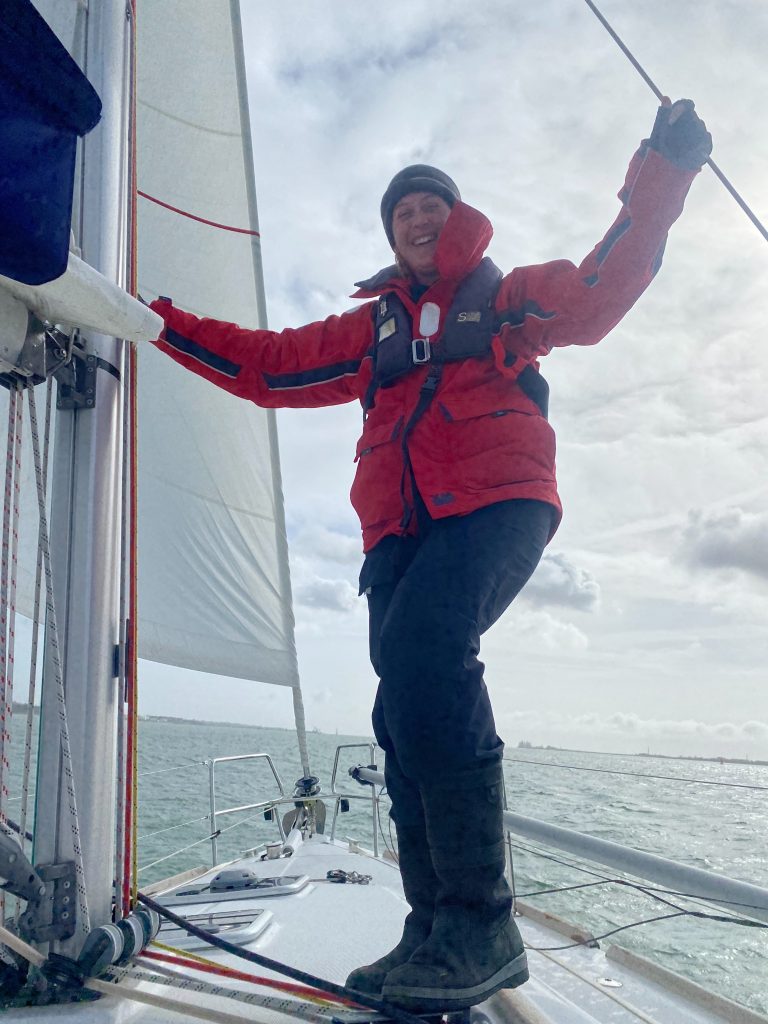
Ella Hibbert – Polar Code training for solo Arctic circumnavigation

Ella Hibbert


On April 17th 2023, I will be attending the Polar Code Training course at the Maritime Skills Academy located in Portsmouth, thanks to generous support from The Viking Maritime
Group. 


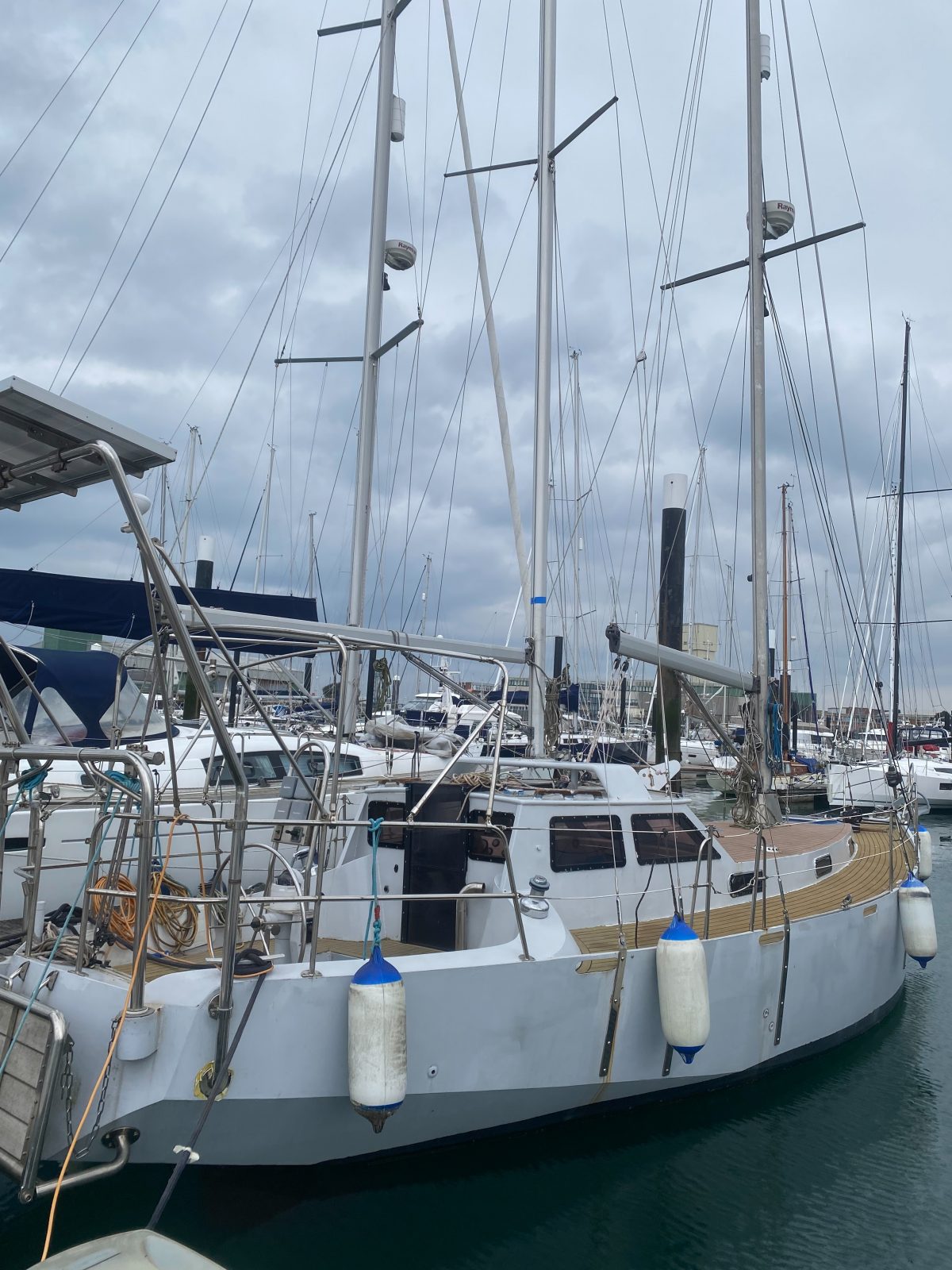
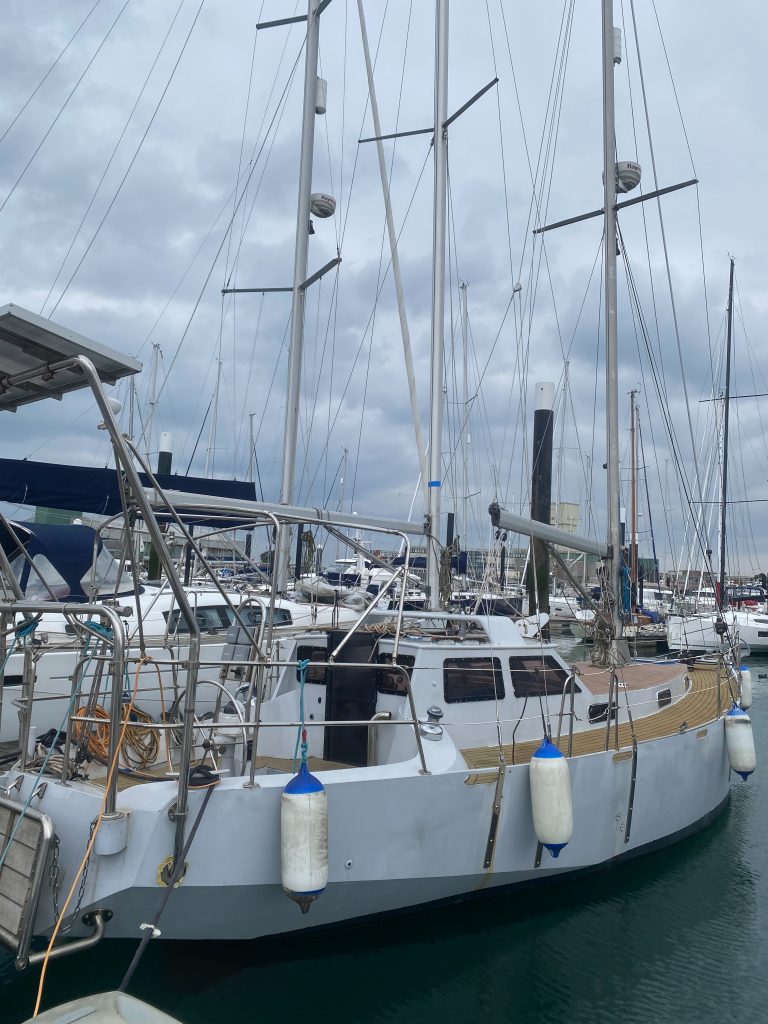
I am incredibly excited to attend this course, as it will be the first step towards preparing myself and my own skills for the solo Arctic Circumnavigation I am going to attempt, in my 38ft Bruce Roberts designed steel ketch, S/Y Yeva. 


The Maritime Skills Academy has a reputation for being one of the leading training schools in
a large variety of courses, along with boasting state of the art facilities and experienced
instructors.
As of yet, I have not been into Arctic waters, and the bridge simulator that we use during the
Polar code training at MSA will be incredible way of gaining knowledge about Arctic waters
and conditions, whilst still being on English soil.


Other aspects of this course include learning about vessel preparedness, performance, and
capability – both for the boat’s safety, but also for the safety of the fragile environment in
which I will be sailing. Undertaking this course ahead of my boat’s shipyard refit will help me
know whether there is anything I need to add to her refit that I have not yet thought of myself.
More so, this course will also educate me about the international and regional regulations and legislations I will need to be aware of to properly and safely undertake my
circumnavigation.

I am so excited to learn everything this course has to offer, whilst being taught by
knowledgeable seafarers who have first-hand experience in Arctic waters. I am sure I will leave the course with a long list of points to add to my “to-do” list for this year’s preparations, and I am very grateful to the Maritime Skills Academy for hosting me.


I will be documenting my experience on my social media pages, which you can find under
the name Ella At 66.5N.


Thank you MSA and The Viking Maritime Group!
Ella Hibbert