Viking Maritime Group Celebrates National Careers Week 2024

This week is National Careers Week (4th-9th March), and to celebrate, we interviewed members of staff at Viking Maritime Group who have worked at sea, to discuss the exciting opportunities a career at sea can offer. 

In this blog, you’ll hear personal anecdotes from Viking Crew Head of Crewing, Emily JaenickeViking Crew Assistant Placement Manager, Lien EggermontMaritime Skills Academy Head of Training, Dean Stores, and Maritime Skills Academy Senior Maritime Simulator Instructor, John Galloway. 

What made you consider a career at sea?

Emily: “Living by the coast certainly had an influence on my decision to start a career at sea. Sailing on ferries as a child, as well as my grandfather being in the Royal Navy, meant that I grew up surrounded by ships. This, combined with my interest in travel, definitely contributed to my decision to start a career at sea.” 

Lien: “I didn’t really consider a career at sea before my time as a stewardess. I was thrown into the industry really, as my partner was working on board yachts at the time, and there was a vacancy for a stewardess on a French Billionaire’s yacht. I was always interested in travel and it was fantastic to sail the Mediterranean. 
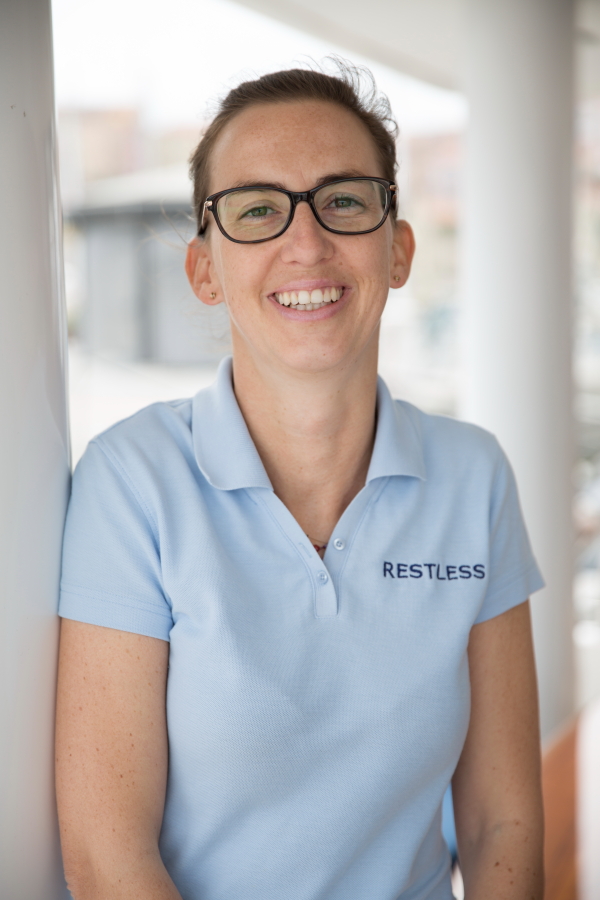
Lien in her stewardess uniform on board M/Y Restless | National Careers Week 2024
Lien in her stewardess uniform on board M/Y Restless

Dean: “I went to school with a friend whose dad was a Captain on the ferries. He suggested that I looked into working at sea as I wanted to go straight from school into training towards a career. I started a deck cadetship with P&O Stena Line, studying at South Tyneside College and completing sea time on the ferries.”

John: “A family friend of ours was working as a Submariner in the Royal Navy and was really enjoying it, so I decided to join as a Junior Rating. When I was able to choose my modules, I eventually went into nuclear submarines, as this is something I was really interested in.

Was a career at sea always an option for you?

Emily: “I don’t think I actually thought about what I wanted to do as a teenager. After finishing school, I went to university to study physics. Towards the end of my first year, however, I began questioning why I was there. My brother, at the time, was already studying a cadetship, and suggested I consider a career working on cruise ships, starting as a cadet.

So, I got in contact with Viking Crew. It was very coincidental timing, as the intake for a cadetship at Warsash Maritime School was starting in a few weeks, and I decided to enrol. I guess it was meant to be really.” 

Lien: “No, I grew up in Belgium where there isn’t a lot of coastline, so yachting was never something I had considered. The industry had always been much more of secret society and wasn’t advertised as widely as it is now. If it wasn’t for my partner encouraging me to join him, I probably wouldn’t have had a career at sea at all.” 

Dean: “No, it was more of a last minute decision. I was originally going to study at college to be a Carpenter but wanted a career with more freedom and opportunities.”

John: “In my day, the careers advisors at school weren’t open about different industries. Opportunities within the Merchant Navy weren’t widely talked about, so I only knew about the Royal Navy. I wasn’t aware of all the possibilities surrounding different vessels. If I knew of the Merchant Navy at the time, I probably would have applied there straight away instead.” 
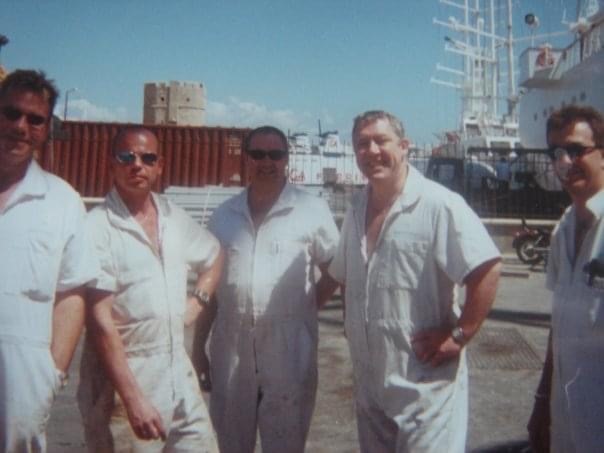
John with fellow Windstar Cruises engineers, in Rhodes, Greece | National Careers Week 2024
John (second from right) with fellow Windstar Cruises engineers, in Rhodes, Greece.

What was your first role?

Emily: “I began my cadetship as a deck cadet, training to be a Navigation Officer. 

During the first phase, I worked with the deck crew, which involved a lot of painting, chipping, working with ropes, and learning the basics of the nautical side of shipping. 

Then I went back to college, expanded my knowledge, and later put it into practice during my next sea phases. I worked closely with bridge officers, working with the charts, learning celestial navigation, and planning routes.”

Lien: “I began as a stewardess, and worked my way up to a chief stewardess over the course of seven years. This involved performing all responsibilities to a high standard. However, it can also involve being a cook, or helping out on the deck – it’s very varied. The owner of the first yacht I worked on loved fishing, and so unfortunately, he wanted me to make soup with the catch of the day! Gosh, how I hated the smell of that soup.” 
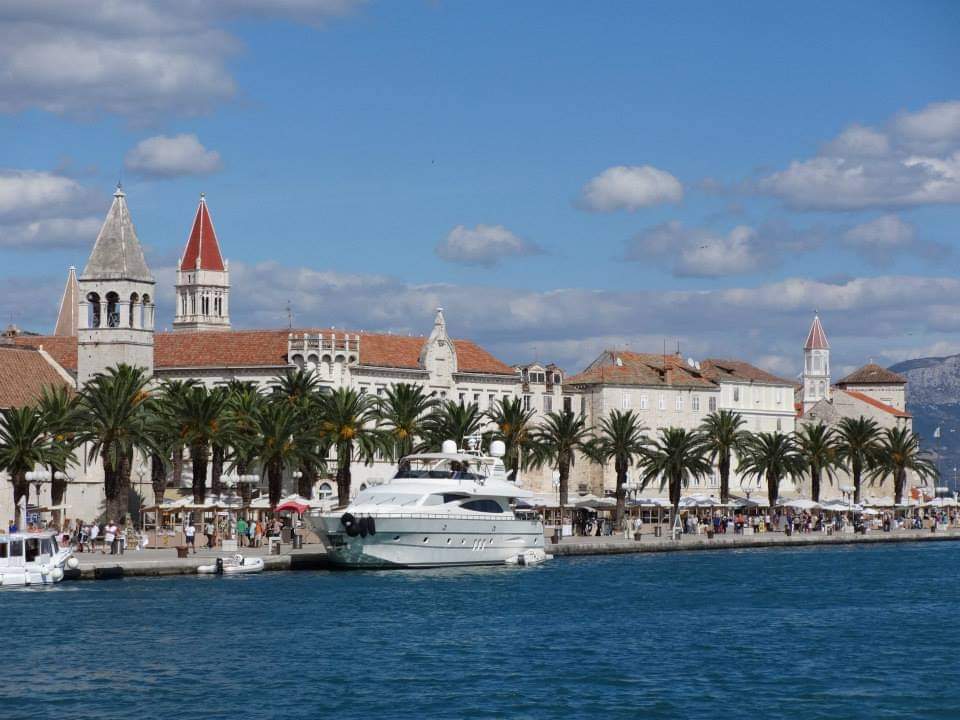
Lien’s photo from Trogir, Croatia | National Careers Week 2024
 Lien’s photo from Trogir, Croatia

Dean: “I worked on the ferries as a Deck Officer for a few years and then decided to enter the yacht industry. I worked on M/Y Azzam for a total of nine years, starting out as a 2nd Officer, and working my way up to Chief Officer for the last five years. I loved travelling to different countries, my favourite was Croatia for the beautiful scenery.”

John: “Nowadays, the Royal Navy certifications are interchangeable with the Merchant Navy, however this was not the case in my day. I went to work in the North Sea as an uncertificated Engineer, and attended the City of Glasgow College where I gained my 1st Engineer licence. I then worked as a 2nd Engineer at North Star Shipping on oil rig service vessels. However, I get very sea-sick, so the North Sea is not the place you want to be!”

Would you recommend a career at sea?

Emily: “100%, yes. I came back much more independent, and appreciative of different cultures and religions. I travelled to Africa, down to Antarctica, the Caribbean, Canada, the Baltic, and saw both sides of Russia. It was absolutely incredible and you get paid to do it at the same time.” 
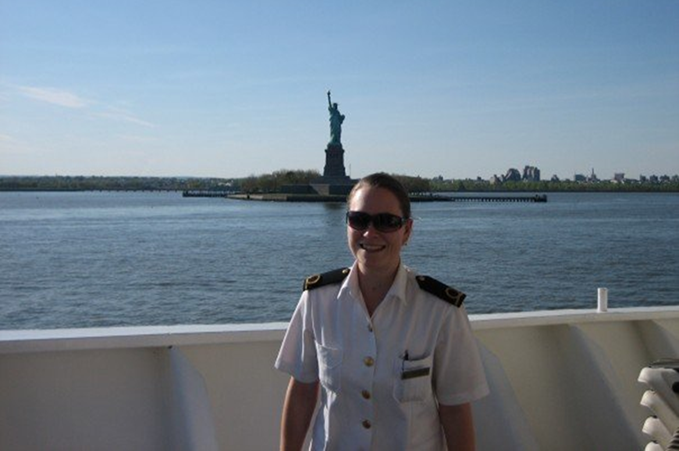
Emily on board, with the Statue of Liberty in the background | National Careers Week 2024
Emily on board, with the Statue of Liberty in the background

Lien: “Yes, I would. You get to see so many places. The south of France is always nice, Italy and the Turkish coastlines are also very pretty. Every place has something special that you remember. 

You also get to work with different cultures and people. You can also learn a lot from the influential people that you may work closely with.”

Dean: “I would definitely recommend a career at sea. You are paid during your training and aren’t left with student debt. With a cadetship, you gain experience whilst you are training and leave fully qualified for that position, so usually it makes it easier to find a job afterwards as you already have a lot of experience in the field.”

John: “Of course, yes. A life at sea isn’t for everybody, but for those who do take the opportunity, it’s definitely worth it. If you’re considering a career at sea, then I would encourage you to speak to others in the industry to learn more before embarking on a career at sea.” 

What opportunities can a career at sea offer? 

Emily: “Travel. Friendships. Maturity. Independence. Resilience. Multitasking. Good all-round skills that are transferable in many ways, so that when you eventually come ashore, you can apply these skills to your next role.” 
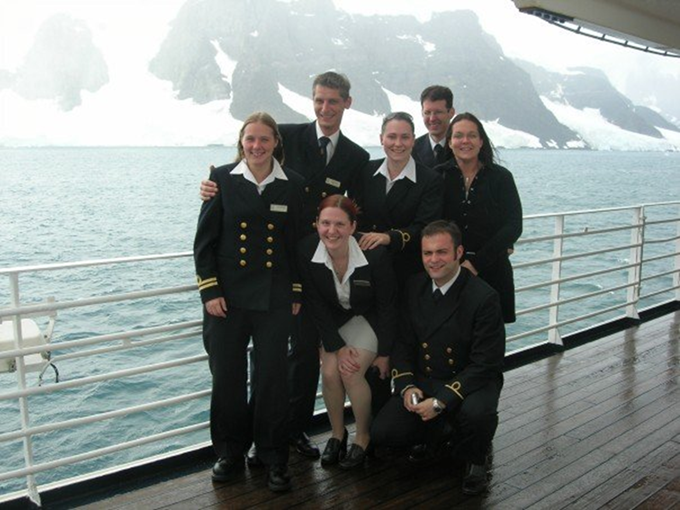
 Emily sailing Antarctica with crew mates | Nationals Careers Week
 Emily (back, central) sailing Antarctica with crew mates

Lien: “Working at sea will certainly set you a few steps ahead for when you come ashore, and if you’re savvy with your money you will have a nice pot of savings too. 

There’s lots of transferable skills you need working in the yachting industry, but at the same time, a lot of the skills can be transferred back ashore, especially within the hospitality industry. If you work on luxury, high-end yachts, you’ll have been dealing with potentially very difficult clients, so it gives you more resilience when you come back ashore.”

Dean: “You are often able to progress through ranks as you work your way up. A career at sea also offers the opportunity to work ashore. Within the industry, depending on which ships you work on, there are different roles available. Passenger ships, offshore vessels, and yachts all require specific positions, so there are opportunities to work in a variety of exciting roles.”

John: “The one thing I would say is, age equals experience – and that’s a valuable commodity in this industry. There’s many opportunities with shipping companies, and you can go ashore when it suits you. It’s a lifelong career, but that doesn’t mean it is for everyone. Nevertheless, take every opportunity, as you never know what will come of them.”

What advice would you give to someone deciding on a career at sea?

Emily: “Go for it! Just because you’re deciding to do something now, doesn’t mean you can’t change your mind in five years time. So what is the risk? The risk is if you don’t do it you’re going to think “what if?”

I’d also advise sailing on a ship somewhere before you embark on a life at sea, just to make sure you don’t get seasick!”

Lien: “I would advise working in a high-end hospitality role such as a restaurant or hotel, as many clients require some level of work experience, to prepare the seafarer for their career at sea. This will give you transferable skills that can be easily applied to the yachting industry, specifically if you would like to work in the interior. A couple of years working ashore is ideal before transferring to yachts in your early 20s.” 

Yachts docked in Montenegro | Lien Eggermont for National Careers Week
Lien’s photo from a shore side stay at Montenegro

Dean: “Make sure you do your research about the different types of roles and cadetships available, to ensure you choose the best one for your interests and abilities. Search around to decide which type of vessel you would like to work on.

One of the hardest parts about working at sea is being away from family and friends, so prepare yourself for this and keep in touch with people from home whilst you are away at college or at sea.”

John: “My advice would be to think long and hard about your lifestyle, and if a career at sea is for you. In certain aspects of my life, I felt as though I certainly gained some independence, and it made me mature quicker. Plus, the financial rewards are good. It’s all about the standard of living, and the quality of life.”

It was great to sit down with Emily, Lien, Dean, and John for National Careers Week, hearing about their personal experiences working at sea.

Whether you’re already working in the maritime industry, or you’re just starting out, explore Viking Crew’s current vacancies across all departments, in cruise ships and yachts here. 

If you’re looking to begin your STCW courses, or need to refresh your training, the Maritime Skills Academy provides comprehensive safety training at our state-of-the art facilities in Dover, Portsmouth, and Gibraltar. Visit the website here to take a look at our range of courses.

Combined Designated Person Ashore (DPA) & Company Security Officer (CSO) Training Course

The Combined Designated Person Ashore (DPA) and Company Security Officer (CSO) training course is a brand new offering available at the Maritime Skills Academy.

This four-day combined training course is specifically aimed at individuals taking up a senior ship management position within a shipping company whose duties and responsibilities can often consist of both the ‘Designated Person(s) Ashore and Company Security Officer’.

This course has been designed to meet the requirements of IMO MSC-MEPC.7/Circ.6 Guidance on the qualifications, training, and experience necessary for undertaking the role of the Designated Person(s) Ashore under provisions of the International Safety Management (ISM) Code, Part-A4.

To include IMO MSC/Circ.1154 Guidelines for training and certification of Company Security Officer(s) under mandatory requirements of the International Ship and Port Facility (ISPS) Code, Part-A11/1., and associated International Convention for the Safety of Life at Sea (SOLAS) Regulations.

Maritime Skills Academy Combined Designated Person Ashore DPA

Health, safety, environmental and security management are the cornerstones of modern industry and key markers for maritime operations at every level. Therefore, the role of the Designated Person Ashore (DPA) & Company Security Officer (CSO) can be a challenging and complex one given the nature of worldwide shipping operations, accompanied by what is often seen as an era of increasing regulations and compliance requirements.

Which skills are required for a Combined Designated Person Ashore (DPA) & Company Security Officer (CSO) Training Course?

The role, responsibilities, and ongoing vigilance of the DPA & CSO is now more important than ever. Having the necessary skills to navigate and interpret the myriad of maritime regulations ensuring their vessels are not only operating safely and in compliance with these regulations. Also, continually assessing the constantly evolving security threat(s) and risk(s) to the maritime sector, ensuring appropriate measures are implemented.

Some of these skills include:

  • The ability to communicate effectively with maritime authorities, flag states, classification societies, port state control, and other relevant entities.
  • Playing a key role in promoting an effective ‘safety and security’ culture within the organisation.
  • Ensuring company safety, environmental and security management processes are effectively implemented, reviewed, audited, and continually improved.
  • Overseeing incident/accident investigations to determine root cause and implementation of appropriate corrective action(s) to prevent re-occurrence, whilst being independent, precise, and thorough.
  • Managing change(s) and staying abreast of regulatory compliance requirements or professional trends affecting the maritime sector and implementing accordingly.
  • Being prepared to deal with challenging and emergency situations, remaining calm in a crisis.
  • Being sensitive to different cultures, with an ability to assess, judge and motivate.
  • Maintaining integrity and loyalty to both individuals and the organisation.
  • Recognising individuals’ limitations and ability, ensuring any training for crew and/or shore-based personnel is implemented accordingly.
  • Having the skills necessary to conduct and manage security assessments, development, implementation, and maintenance of Ship Security Plan(s).

Person wearing security jacket | Designated Person(s) Ashore and Company Security Officer

Why is the role of a Designated Person Ashore and Company Security Officer important to a ship?

The ‘Designated Person(s) Ashore and Company Security Officer’ is a pivotal role within any shipping company, ensuring safety, environmental and security standards are not only maintained but continually improved. Making sure fulfilment of regulatory compliance requirements are met to prevent functional safety and security management requirements being compromised.

Combined Designated Person Ashore and Company Security Officer Remote Training 

If you are required to undertake training for this role, the Maritime Skills Academy offers the Combined Designated Person Ashore (DPA) and Company Security Officer (CSO) training course on a regular basis, taught online by our expert instructors. To learn more about the course, click here.

Written by Mike Symons, Director at M4S Maritime Limited.

NAPA Ship Stability Course: Everything You Need to Know

Maritime Skills Academy is proud to be the only training centre in the UK to partner with NAPA in an approved NAPA Ship Stability Course.

Designed for industry insiders to learn the ins and outs of ship stability, from cargo planning to ship calculations, we’re the only company delivering such a hands-on approach to training.

Join us as we delve into the course details, covering who NAPA is, what they do, and why our partnership with them is so important for the success of the course.

Who is NAPA?

Established in Finland, NAPA has become a renowned maritime software, services, and data analysis leader. The company’s journey began with a strong focus on naval architecture and has since expanded to encompass a broad spectrum of solutions to enhance the maritime industry’s safety, efficiency, and sustainability.

With its roots deeply embedded in Finnish maritime expertise, NAPA has become synonymous with innovation and technological advancement in the marine world. In fact, NAPA maintains a presence in Japan, South Korea, China, Singapore, the USA, Germany, Greece, Romania, and India. Over 90% of new vessels built by NAPA customers rely on their ship design software, becoming the de facto standard in shipbuilding.

NAPA’s reputation is built upon its commitment to research and development, consistently pushing the boundaries of what’s possible in maritime technology. This dedication has positioned the company at the forefront of the industry, known for its pioneering spirit and ability to adapt and evolve with the changing tides of maritime needs and regulations.

NAPA’s expertise is not just limited to software development; it encompasses a comprehensive understanding of the intricacies of ship design, operation, and performance in the real world.

Everything You Need To Know About NAPA Ship Stability Course Maritime Skills Academy

What does NAPA do?

NAPA specialises in advanced software solutions for ship design and operational efficiency. These tools are crucial in helping the maritime industry meet the challenges of modern shipbuilding and operation, including performance monitoring, fuel efficiency, and emission reduction.

The company is also deeply involved in enhancing maritime safety, offering risk assessment and emergency response planning tools.

Furthermore, NAPA actively develops solutions to align with evolving environmental regulations in the maritime sector, assisting the industry in meeting stringent sustainability standards. Through its comprehensive range of services, NAPA plays a vital role in advancing the maritime industry towards a safer, more efficient, and environmentally conscious future.

New partnership between NAPA and MSA

NAPA has partnered with the Maritime Skills Academy (MSA) to enhance Ship Stability Management Training. This collaboration focuses on making this vital safety training more comprehensive and easily accessible to maritime professionals.

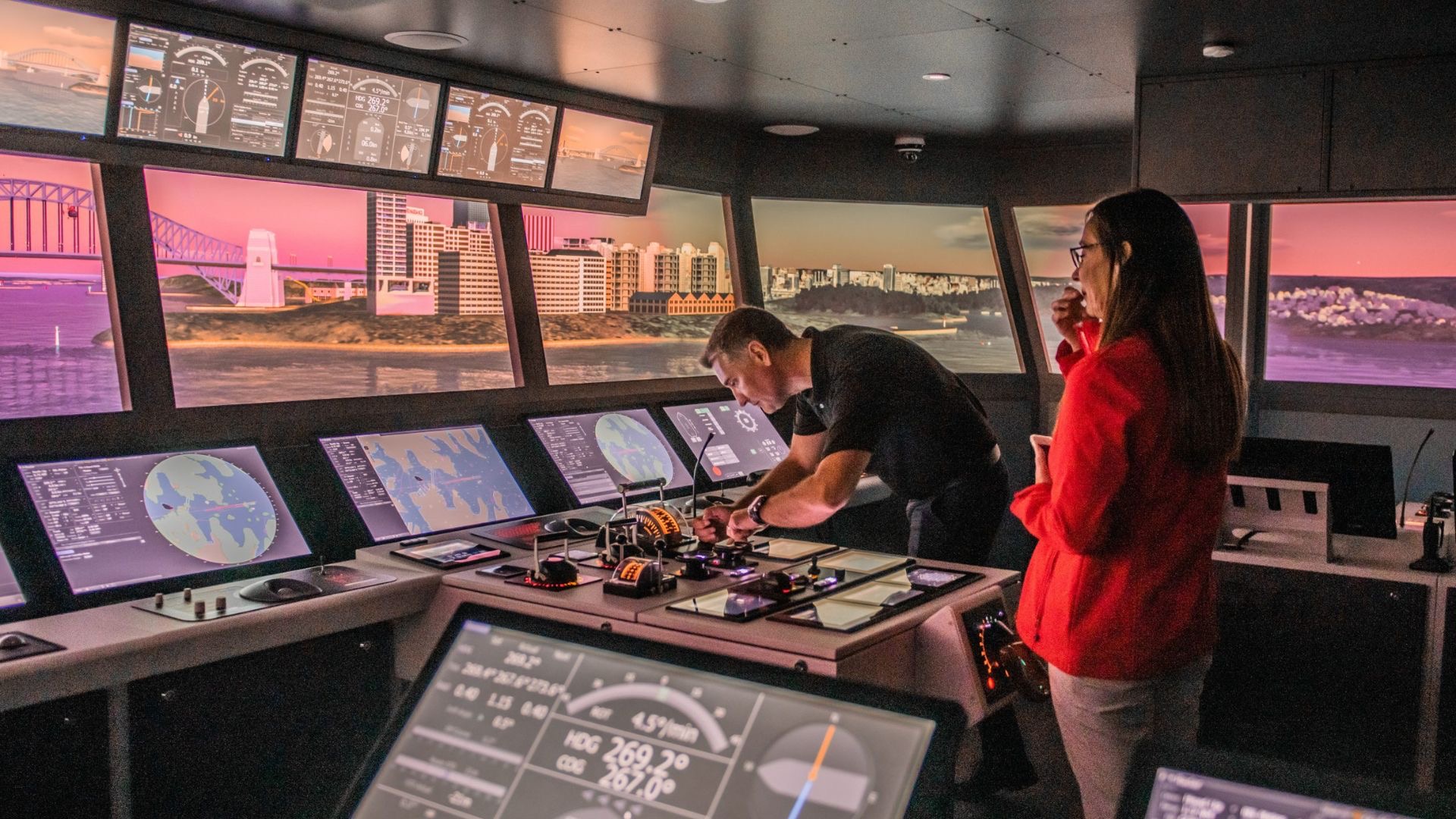
The training, incorporating NAPA’s state-of-the-art Stability Management Computer, is designed to be both interactive and practical, and is available in-person and online. It emphasises real-life maritime scenarios and compliance with the International Maritime Organisation’s (IMO) guidelines.

“Theoretical knowledge is never enough. With this course, we aim to provide hands-on experience with the industry-leading latest NAPA Passenger Ship Stability Management tool,” said Mark Jaenicke, Operations Director at the Maritime Skills Academy.

This initiative by NAPA and MSA represents a significant advancement in maritime safety training, marrying technical expertise with practical instruction.

NAPA Ship Stability Course Everything You Need To Know Maritime Skills Academy

What is the NAPA Ship Stability Course?

The NAPA Ship Stability course offered by the Maritime Skills Academy is a comprehensive three-day program (including one day of e-learning) designed to deepen theoretical knowledge in various aspects of ship stability. Priced at £1,020.00 incl. VAT, the course covers topics like intact stability, damage stability, stress, dynamic stability, and the use of onboard NAPA facilities.

Key elements include:

  • Understanding the GZ-curve
  • Intact stability
  • Damage stability
  • Stress and dynamic stability
  • Usage of onboard NAPA facilities
  • Stability criteria
  • Free surface effects
  • Probabilistic damage stability calculations according to SOLAS II-1 regulations

Closing Thoughts

Partnering with NAPA is a landmark step forward for us here at the Maritime Skills Academy. It means we can provide a leading Ship Stability course that harnesses the power of the most modern type-specific NAPA Stability Management Computer.

With experienced instructors taking the helm, we’re confident that attendees will master the intricacies of everything from casualty investigations to operations in port. Interested in attending?

Register your interest now to apply for the next three-day course – we’ll contact you with further details.