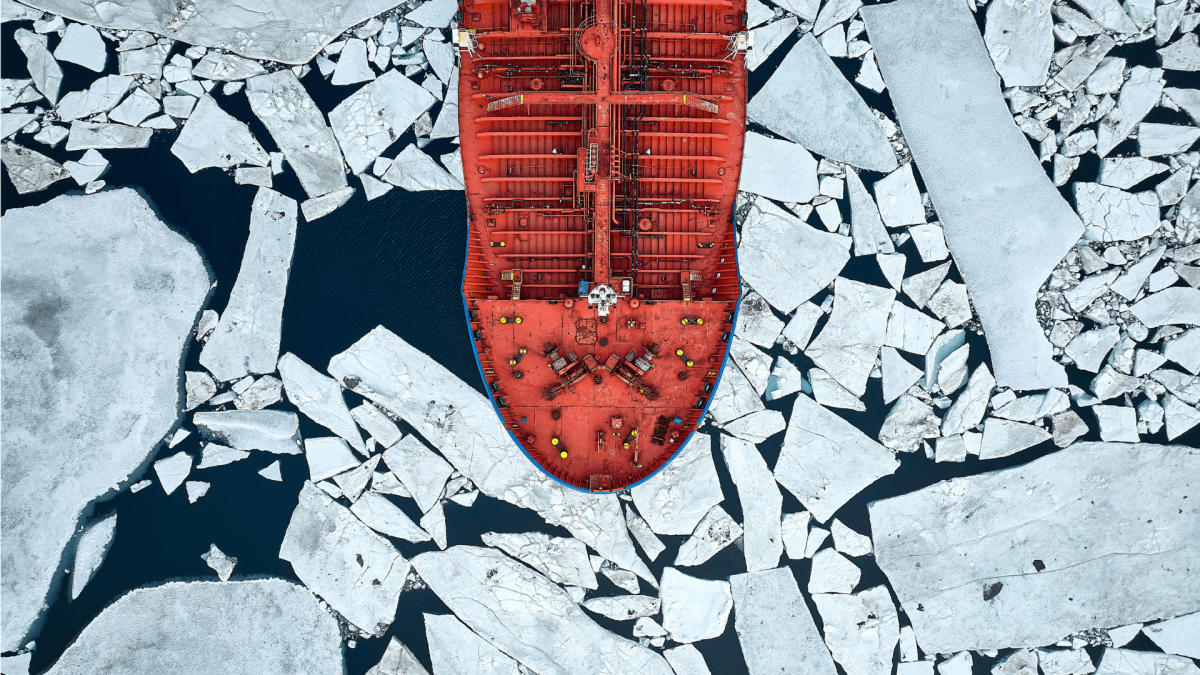
What are the Requirements of the Polar Code?

Entering into force in 2017, the Polar Code is the legal framework governing maritime operations in Arctic and Antarctic waters. It was developed by the International Maritime Organisation, of which 175 nations are members, including the UK.

Officially known as the International Code for Ships Operating in Polar Waters, it sets out regulations for shipping – in particular, ship design, construction, and equipment; maritime operation; crewing training; environmental protection; and search and rescue operations.

This Polar Code is divided into two parts:

  1. Part I: Part I-A covers safety measures, and Part I-B contains additional guidance regarding those measures.
  2. Part II: Part II-A details pollution prevention measures and Part II-B provides further information relating to pollution prevention.

In this article, we’ll primarily be focusing on the safety requirements outlined in Part I, as well as some information on seafarer’s duties in pollution control.

Safety Measures

Polar waters are among the most hazardous seas in the world. Not only are the environmental conditions frigid and freezing, but the waters are often tumultuous.

As a result, according to the Polar Code, vessels operating in polar waters must be designed and constructed with specific structural enhancements to withstand harsh conditions and ice encounters. In particular, the hull must be reinforced, and materials used in ship construction must be suitable for low-temperature environments.

Furthermore, ships must have the necessary equipment and systems for safe ice navigation. These include:

  • Ice radar
  • Ice-strengthened hulls
  • Capability to receive and process ice charts and satellite images

In addition to these safety measures, ships are also restricted by certain operational limitations depending on ice conditions, weather, and other environmental factors.
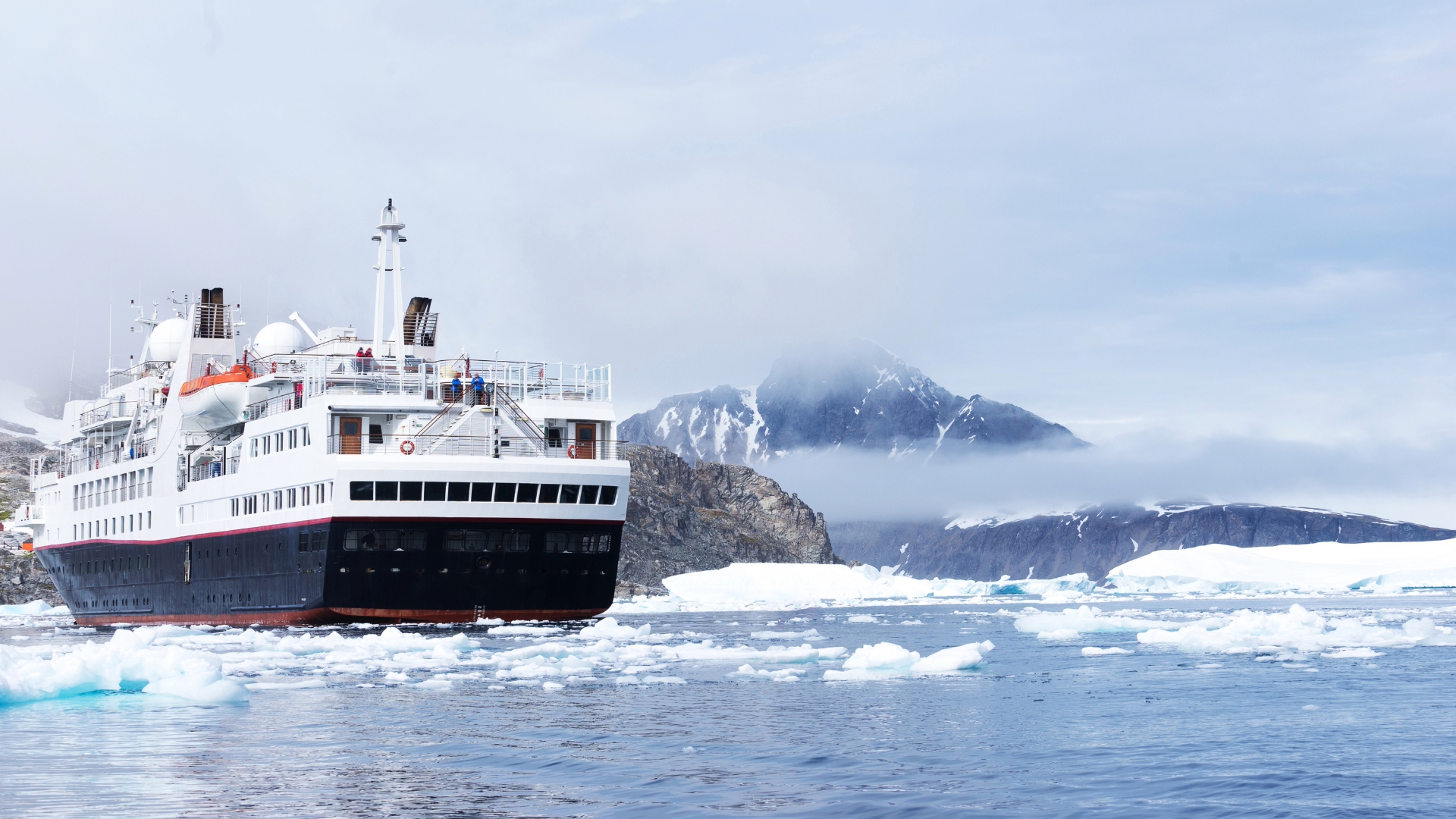
What Are The Requirements Of The Polar Code Maritime Skills Academy Viking Maritime Group

Safety Equipment

Because of the potential for calamitous accidents (and distance from any support), ships must carry adequate survival equipment, including immersive suits, lifeboats, and other life-saving, cold-adapted appliances.

Like other ships, fire safety measures (fire detection and extinguishing systems) must be present – albeit suited to low-temperature environments. Furthermore, ships must have effective communication systems to maintain contact with shore-based facilities and other nearby vessels.

Crew Training and Qualifications

Safety measures and equipment are useless without a well-trained crew drilled in emergency procedures and sea ice navigation.

Under Chapter 12 of the Polar Code, certain crew members (such as masters, chief mates, and officers) must have completed appropriate training, including Polar Code training and Watchkeeping for Seafarers (STCW). All crew members must also be drilled in the event of a fire or ship evacuation.

Emergency Preparedness

For most crew members, operating in polar waters differs little from standard seafaring. Where things become substantially more dangerous is in the event of an emergency.

The Polar Code requirements state that all ships must have specific emergency procedures for polar operations, including abandoning ships, firefighting, and dealing with ice encasement. Moreover, vessels must be equipped and prepared to carry out search and rescue operations.

Due to the scarcity of manpower in the polar regions, any ships nearby could be called upon to assist a distress call.
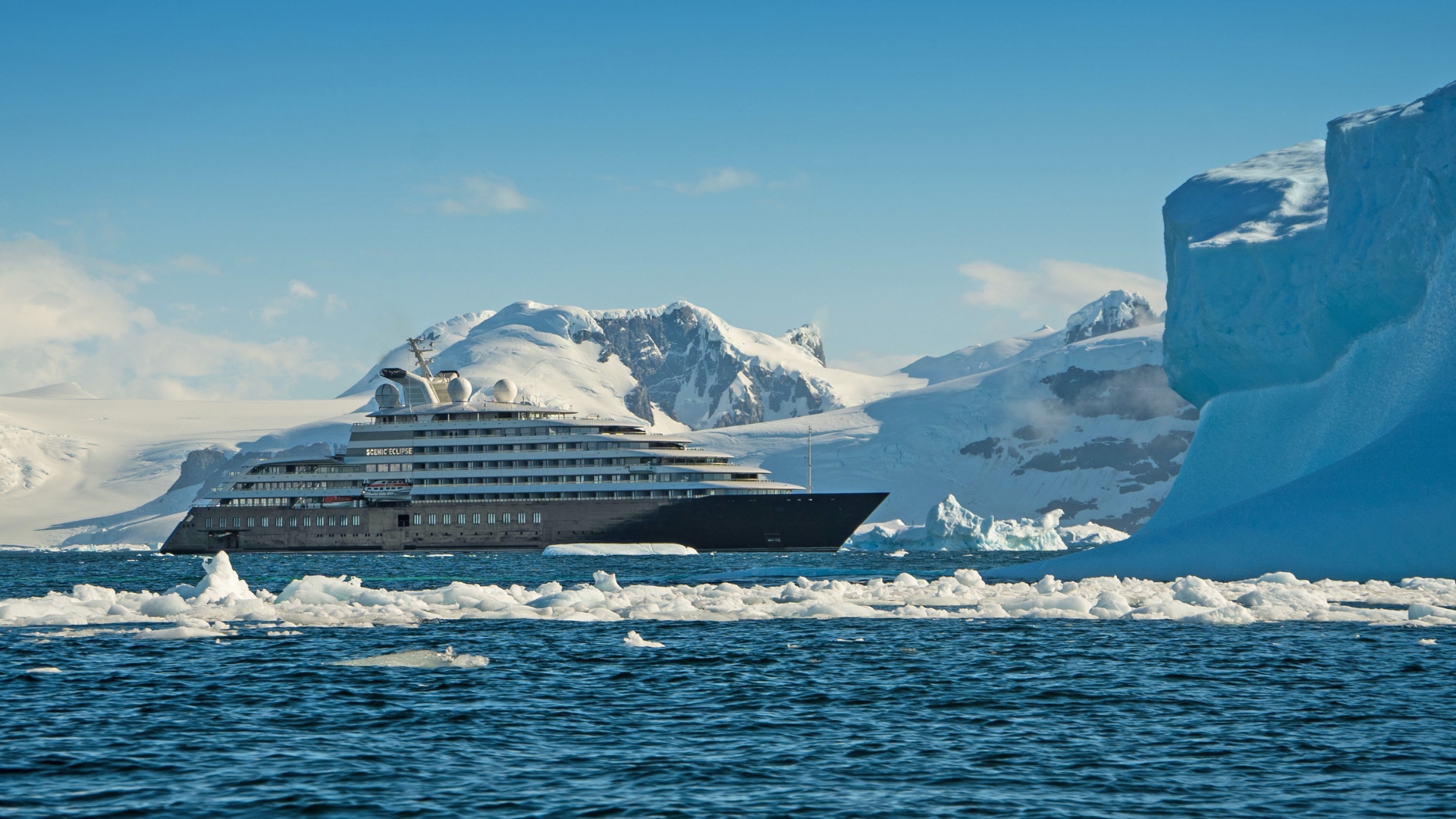
What Are The Requirements Of The Polar Code Maritime Skills Academy

Environmental Protection

The polar waters are a pristine natural environment, home to animals, plants, and indigenous communities found nowhere else on Earth. As a result, the Polar Code’s requirements are stringent in this area.

Part II-A of the Code outlines measures to prevent pollution, with stringent regulations on the discharge of oil, oily mixtures, noxious liquid substances, and sewage. It emphasises compliance with the Ballast Water Management Convention to prevent the introduction of non-indigenous species and mandates the use of low-sulphur fuels to minimise air emissions.

Operational measures include protocols for waste minimisation and garbage disposal, with specific criteria for the disposal of various types of waste. Incidents that may lead to pollution must be immediately reported, and ships must be equipped to contain and mitigate the impact of pollution, including having spill response equipment and trained personnel.

Closing Thoughts

The Polar Code is among the most comprehensive maritime regulations currently enacted by international law. Its rules are ironclad, protecting both seafarers and the regional environment from risks and hazards.

For individuals looking to join a polar crew, this code requires officers and other crew members to undergo an approved Polar Code training course. These courses detail the ins and outs of the code, applying the regulations to real-life situations.

The Maritime Skills Academy is accredited by the Nautical Institute, and our Basic and Advanced Polar Code training courses equip seafarers with skills and knowledge to brave the poles.

Learn more about our Polar Code courses available on our website and start your polar seafaring career today!
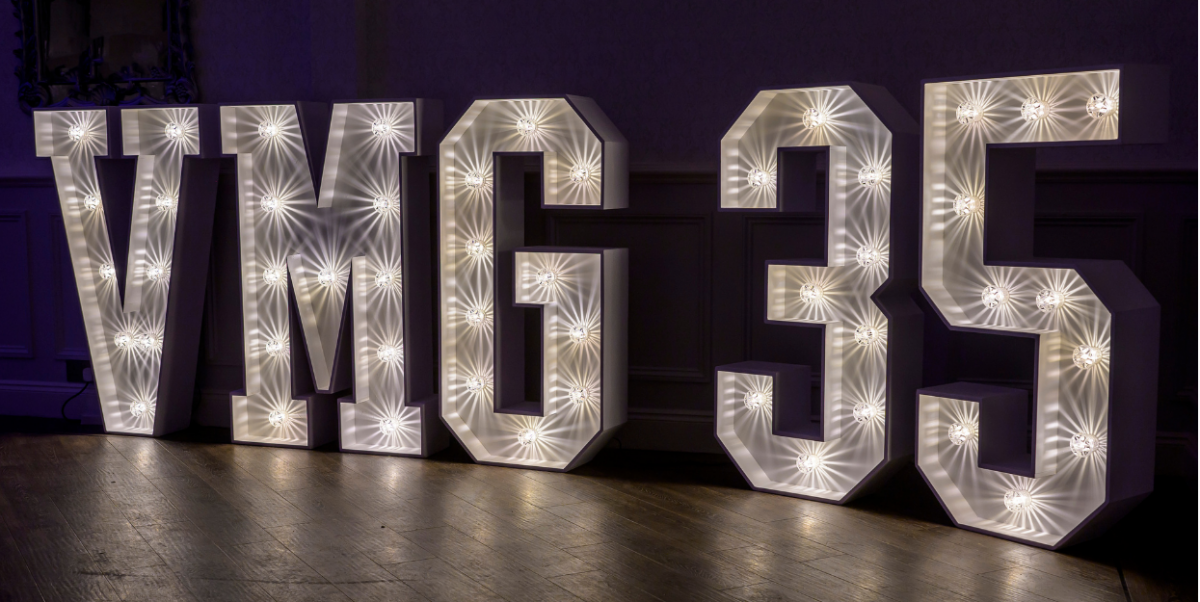



Viking Maritime Group Celebrates its 35th Anniversary

This year, the Viking Maritime Group, comprising of Viking Crew, Maritime Skills Academy, and Chiltern Maritime, celebrated its 35th anniversary, which extraordinarily marks 35 years of being in business!

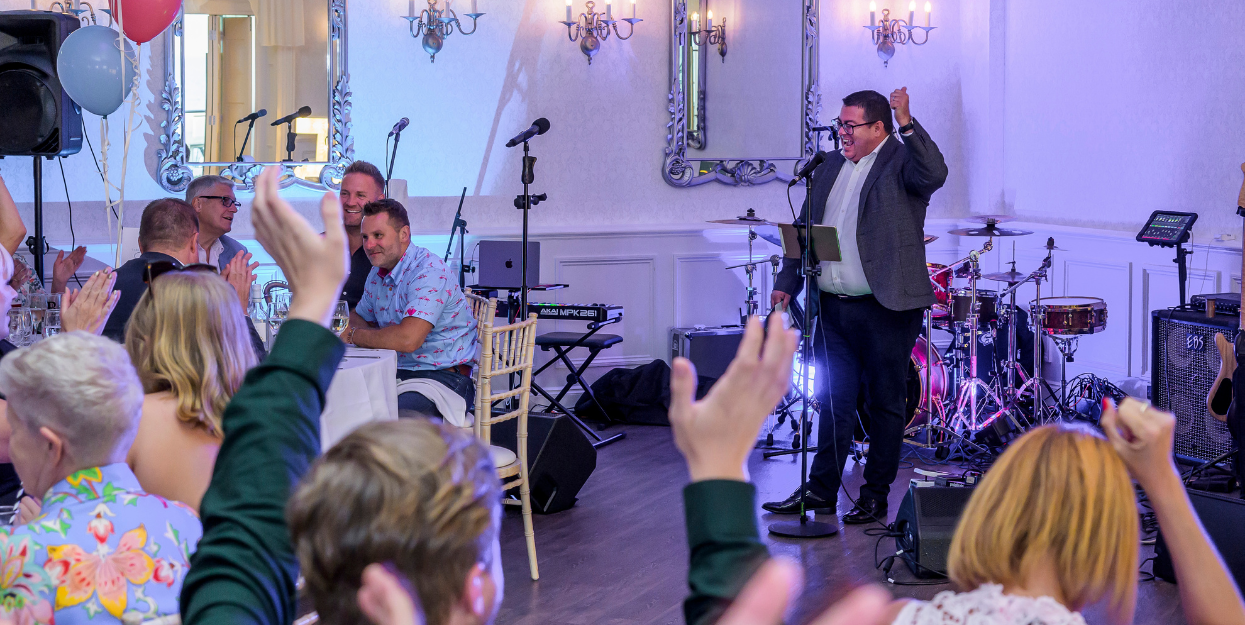
To kick off our series of celebrations we held a fantastic party at the Hythe Imperial Hotel in Kent, UK, close to our head office in Dover, for all staff members from our offices across the world, including Dover, Portsmouth, Fort Lauderdale New Zealand and Guernsey.

This offered a chance for our staff to come together and celebrate the successes of the last 35 years of Viking Maritime Group.

The evening began with welcome drinks on the terrace in the sunshine, while being entertained by the Dukes of Swing Duo and wowed by the magical talents of Magician, Josh King.

Staff enjoyed a delicious three-course meal in the beautiful Ballroom, adorned with decorations and special touches.

Viking Maritime Group Celebrate 35th Anniversary at Hythe Imperial Hotel

A speech was made by Group Chairman and Founder, Dieter Jaenicke and a raffle full of spectacular prizes drawn. It was an inspiration to hear Dieter Jaenicke tell the story of how the Viking Maritime Group began and how it has become the global company it is today, offering a varied range of maritime services.

Group Managing Director, Matthew Jaenicke, said of the event: “As Group Managing Director, I feel very proud and humbled that almost every staff member from every company, across all our global offices, made it to the 35th anniversary event. The event itself was a great success, with everyone getting to meet each other in person and having a great time with lovely food and drink to accompany.”

Tracy Lyng, Administration Manager at the Maritime Skills Academy was at the event, having worked for the Viking family for over 20 years!

“Joining Viking back in 2003, I have had the pleasure of being part of the company’s growth from a mere 7 employees to a whopping 80 all over the globe. It’s been a journey and one that I have been proud to be a part of.”

Viking Maritime Group Celebrates 35th Anniversary

The evening came to a crescendo as staff danced the night away to a funky 7 piece band. It was remarkable to have the whole Viking family from all over the world come together to celebrate such an incredible milestone.

The event was fabulous; filled with laughter and nostalgia, and the perfect way to start a year of celebrations for Viking Maritime Group as we celebrate our 35th anniversary!

Date of Issue: 17th October 2023

Maritime Skills Academy Partners with NAPA to make Ship Stability Management Training Efficient and More Accessible

The safety of the crew and passengers is always the top priority. With this course, seafarers would be upskilled on various topics, such as: anticipating and mitigating stability challenges using the NAPA software to keep vessels steady in even the roughest conditions.

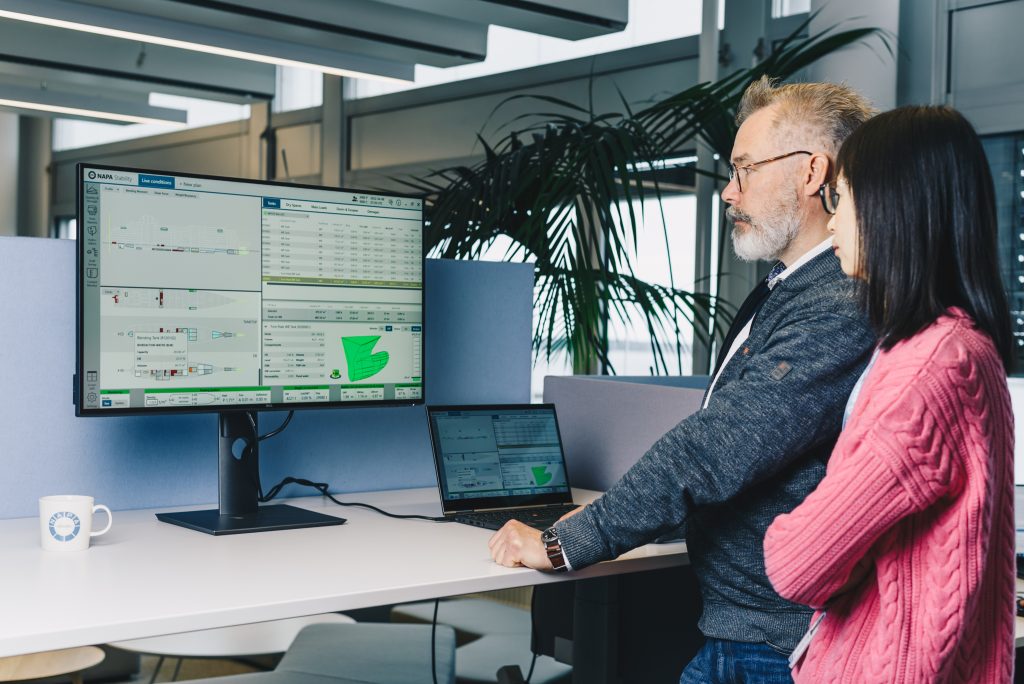
Image of two people looking at a computer | Ship Stability Management Training

Why A Ship Stability Management Training Partnership?

NAPA, a global provider of maritime software and data services, has announced a partnership with Maritime Skills Academy, a leading maritime training provider, to facilitate access to advanced Ship Stability Management Training for seafarers and ship operators, both in person and remotely.

This partnership aims to make critical safety training more accessible, convenient, and efficient for crews, increasing the number of seafarers receiving such training. The course is designed to help seafarers stay ahead of the curve by training them in initial stability, the GZ-curve, stability in heeled condition, free surfaces Stability criteria, GM/KG requirements by using the latest and most modern type-specific NAPA Stability Management Computer.

Experienced MSA and NAPA-certified instructors will bring decades of maritime experience to the table, and Seafarers will benefit from a hands-on approach as they guide you through the intricacies of basic stability and NAPA Stability Management Programme.

“Theoretical knowledge is never enough. With this course, our aim is to provide hands-on experience with the industry-leading latest NAPA Passenger Ship Stability Management tool,” said Mark Jaenicke, Operations Director at the Maritime Skills Academy.

“This will enable seafarers to navigate real-world scenarios, calculate fuel efficiency, FW, and dry dock condition loads, and optimize ballast to perfection. The training will also equip you the crew to make informed decisions on the spot, ensuring stability in emergencies and unexpected weather changes.” The training will ensure that seafarers get well-versed in IMO guidelines, keeping compliant and avoiding potential pitfalls.

The state-of-the-art NAPA Ship Stability Management Training for passenger ships is designed to empower maritime professionals with every needed skill and ensure ship stability at every turn. The course will include straining in various detailed aspects of ship stability management broken into easy-to-understand modules such as: Basic Stability Principles, Efficient use of contemporary NAPA Stability Management computer programme, Operations at Port, Operations at Sea, Intact and Damage Condition Stability concepts.

Image of NAPA logo | Maritime Skills Academy

It will also provide specialised topics such as Introduction to probabilistic damage stability calculations acc. to SOLAS II-1 (SOLAS 2009/2020), exercises, IACS requirements to enable Safe Return to Port (IACS UR L5 Type 4 requirements), as well as requirements for Loading Computer System (Damage Control), LCS(DC), Deterministic damage stability and damage stability criteria.

Josip Kulas, Director of Training and Simulation at the Maritime Skills Academy, said: “Through this collaboration, the Maritime Skills Academy will leverage NAPA expertise in stability software and solutions to enhance the training programs on offer. The integration of NAPA software into the academy’s curriculum will provide participants with hands-on experience and a deeper understanding of vessel stability, an essential aspect of maritime safety. 

This collaboration marks a significant milestone in the maritime industry’s efforts to adapt to technological advancements and foster a safer and more efficient environment for all stakeholders.”

Lars Nickel, Managing Director, NAPA Germany Software GmbH, said: “Sustainable and smarter shipping requires the adoption of new technologies, which presents a significant training and upskilling challenge to keep up with the fast-evolving technical landscape. Safety and stability training is an essential part of this expertise-building. NAPA is proud to partner with Viking MSA to ensure that professionals have easy access to such crucial training with a combination of eLearning and classroom training,  to be able to maintain the highest safety and sustainability standards and be prepared for tomorrow’s challenges.”

Want to find out more about our Ship Skills Management Training course?

If you’re interested in learning more about this course, then please contact Josip for more information.