
The latest MCA Safety Spotlight (July 2025) shines a harsh but necessary light on the ongoing risks linked to poor bridge watchkeeping practices. Despite advances in technology and regulation, collisions, groundings, and serious accidents are still occurring due to preventable human errors.
Numerous factors can impact the safety of bridge operations, including fatigue, distraction and misuse of equipment. In accordance with the MCA safety spotlight, vigilance, leadership, and discipline are the makings of good seamanship.
Fatigue is one of the most underestimated risks at sea. It creeps in quietly, reducing concentration and reaction times without the watchkeeper realising. Many recent accidents—highlighted in the MCA’s case studies—can be traced back to an overworked or poorly rested crew, sometimes due to commercial pressures or insufficient manning levels.
Key takeaway: A well-rested watchkeeper is sharper, safer, and far more effective than a tired one.
The MCA warns that mobile phones, personal tablets, and non-navigation tasks are increasingly cited as factors in collisions and groundings. In Case 1 of their recent investigation, a fatal collision occurred due to a watchkeeper being distracted by a personal tablet and having consumed alcohol hours before the watch.
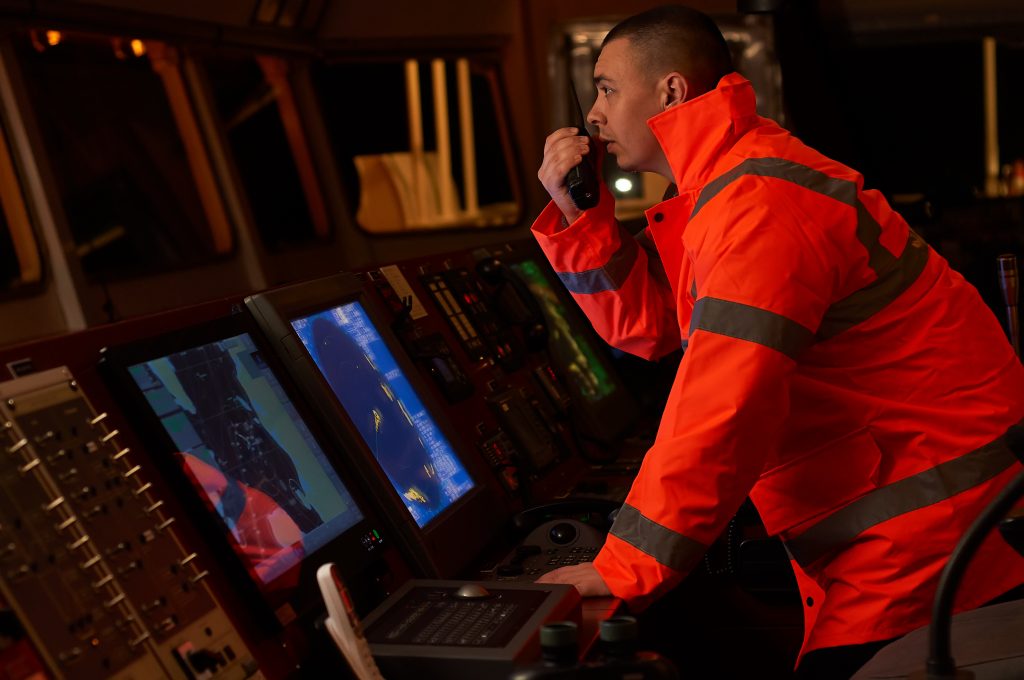
Key takeaway: Navigation requires 100% attention. Staying focused on the task at hand makes all the difference.
Bridge technology—radar, ECDIS, and BNWAS—has significantly improved maritime safety, but it cannot replace a lookout. The MCA has found that navigational aids are sometimes muted, set incorrectly, or relied upon without cross-checking with other methods.
Key takeaway: Technology supports safe navigation—but only when used as part of a layered safety approach.
The STCW convention sets the standards for watchkeepers and their qualifications. However, to achieve a high level of competency and safety, watchkeepers should participate in ongoing training, practice and refresher courses. With complacency and outdated knowledge continuing to play a huge role in navigational errors.
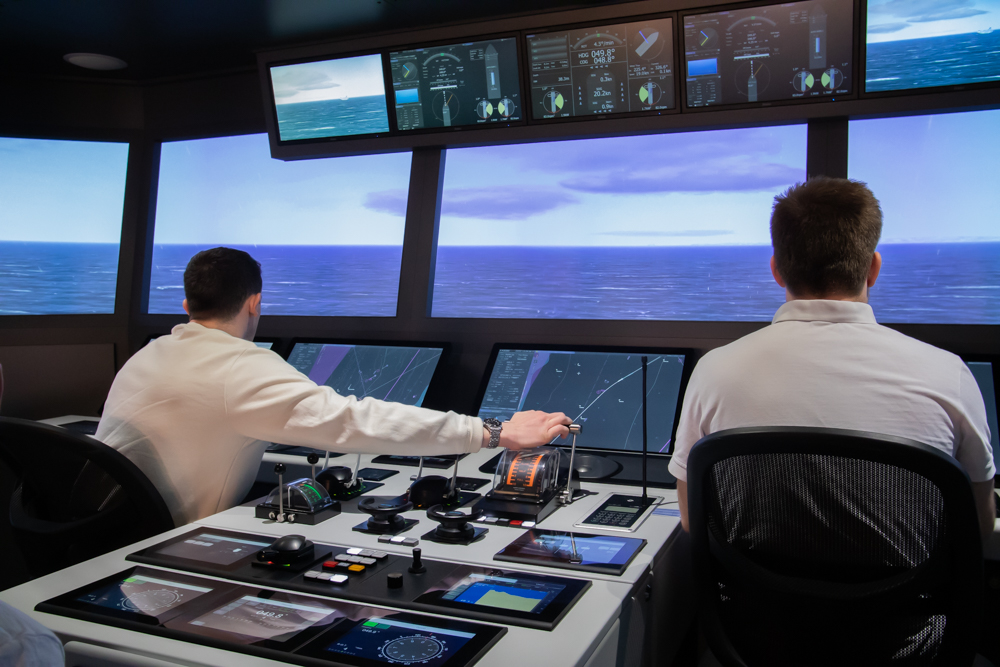
Key takeaway: Ongoing professional development is the difference between knowing the rules andapplying them instinctively under pressure.
As figures of authority and an example for the rest of the crew, Masters, officers, and company leaders must promote a safety-first culture where proper watchkeeping is maintained. The MCA’s case studies show that weaker leadership and commercial pressures often result in best practices being overlooked.
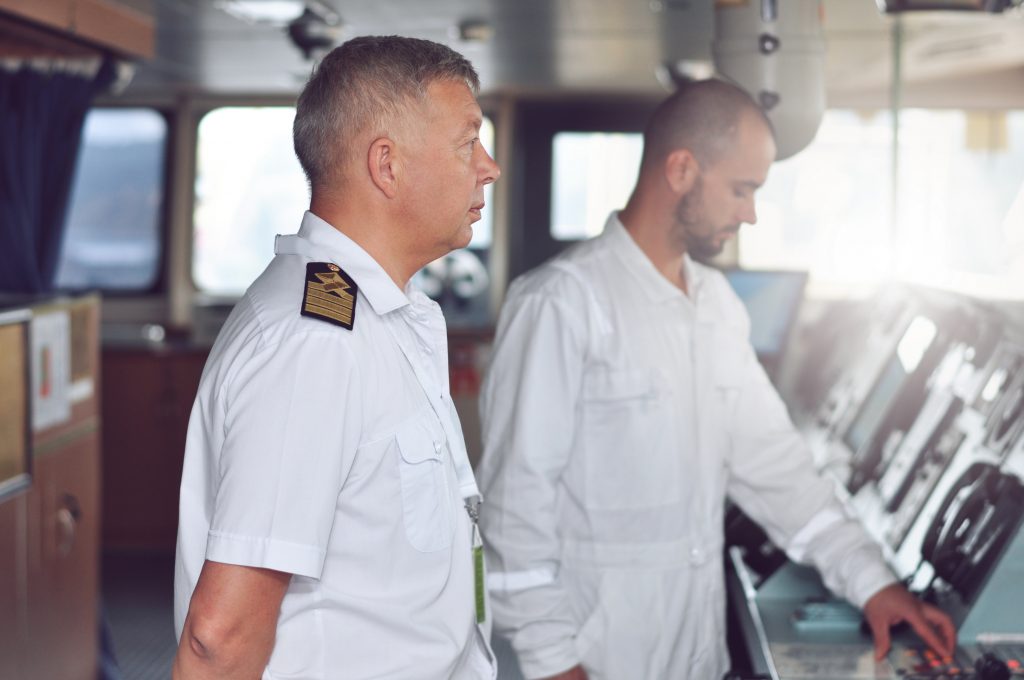
Key takeaway: A strong safety culture, supported by leadership, prevents the erosion of standards.
At The Maritime Skills Academy, we see these lessons as a positive opportunity to keep improving how we train and support watchkeepers. By blending technology, good habits, and strong teamwork, we can create safer, more efficient bridges. What may seem like a small step in developing a skillset will have a much larger impact on the industry, resulting in less incidents and casualties, globally.
If you’d like to learn more about how our training programmes—including Bridge Resource Management and COLREGs refreshers—can help your team, get in touch with us.