Every year, accidents occur in enclosed spaces on ships due to inadequate training. The high-risk environment, with serious hazards including a lack of oxygen, toxic gases, and fire risks, is one of the leading causes of fatalities onboard.
This blog aims to bring together all key regulations and guidelines, such as STCW, SOLAS, IMO, and MNTB, so that seafarers and shipping companies have a single, authoritative reference in one place.
At the Maritime Skills Academy, our goal is to help you understand compliance requirements and why proper training is critical for safety and operational excellence.
By combining theory and practical learning, delegates will understand the complexities of enclosed spaces and the contributing factors to fatalities in them. By gaining a deeper awareness of the hazards and how to test the atmosphere with gas detection equipment, crew members will be able to easily identify risks before entering an enclosed space.
Another key requirement of the course is to learn safe entry procedures, such as Permit-to-Work Systems, and to practice rescue drills and self-rescue techniques in unforeseen circumstances. With a custom-built, simulated entry into enclosed space scenario, delegates can learn the correct methods for entry and PPE use, especially if this is their first encounter with the equipment.
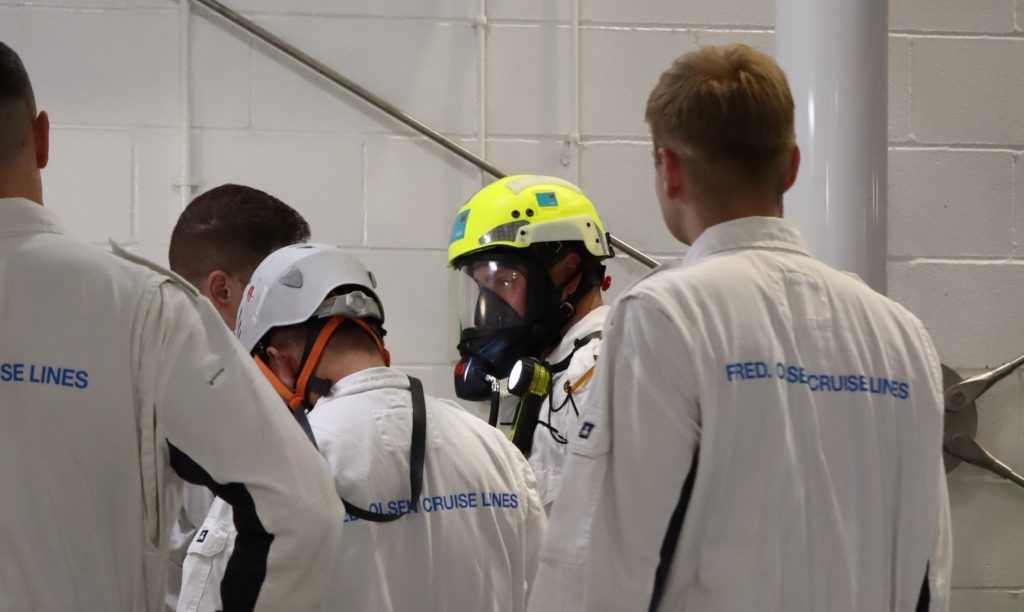
As a seafarer, gaining the knowledge and practical experience in a controlled environment will be the best preparation you could ask for in the event of an emergency happening on board. And for shipping companies, they trust that the training provider their crew are completing their training with will give them the confidence to perform under pressure.
Enclosed spaces on ships (such as tanks, cargo holds, or pump rooms) pose serious health risks due to toxic environments and flammable atmospheres. Accidents often result in fatalities, with a low survival rate, making safety training essential for both seafarers and shipping companies.
The Standards of Training, Certification and Watchkeeping for Seafarers (STCW) sets clear guidelines for enclosed space entry training, which, if followed, will result in little to no accidents, as it’s natural to allow for the possibility of human error or unpredictable circumstances.
This is an essential part of Basic Safety Training that requires seafarers to understand personal safety responsibilities, hazards of enclosed spaces, and emergency procedures.
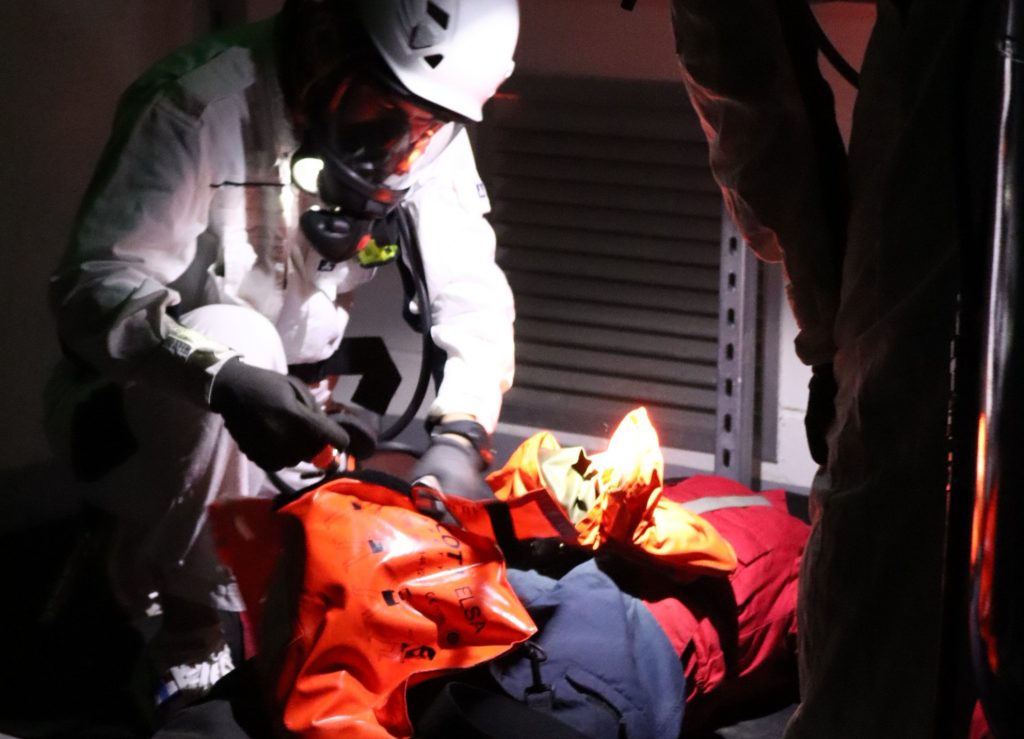
The code promotes compliance, effective communication, and safe working practices. Often referred to as PSSR or Personal Safety and Social Responsibilities, this section of STCW mandate helps seafarers prepare for emergencies and communicate effectively with peers.
During enclosed space emergencies, social responsibility and clear communication are invaluable to the success of an operation, reducing risks and keeping team members calm.
This code applies to tanker operations and adds specific precautions for enclosed spaces on tankers due to cargo-related hazards.
The section focuses on those with decision-making capacity, encouraging them to familiarise themselves with the vessel in question and its operations, including cargo carried and its risks.
This training is essential to apply to enclosed space emergencies because equipment used, and method of entry could be altered by variables onboard the ship. Decision makers will need to evaluate the risks of enclosed space entry prior to executing a casualty recovery, which could be deemed unsafe depending on elements onboard the vessel.
Although this section is only recommended guidance (non-mandatory) important topics are covered: best practices such as permit-to-work systems, atmosphere testing, and emergency drills.
Focusing on hazardous substances that may be onboard, the code educates crew on the dangers of certain cargos. These can impact the decision-making process of enclosed space entry risk evaluation, because unsafe substances that may be present onboard could be inhaled, or cause damage to the crew who have been designated to enter.
Provides detailed recommendations for entering enclosed spaces on board ships, including testing, ventilation, and rescue readiness.
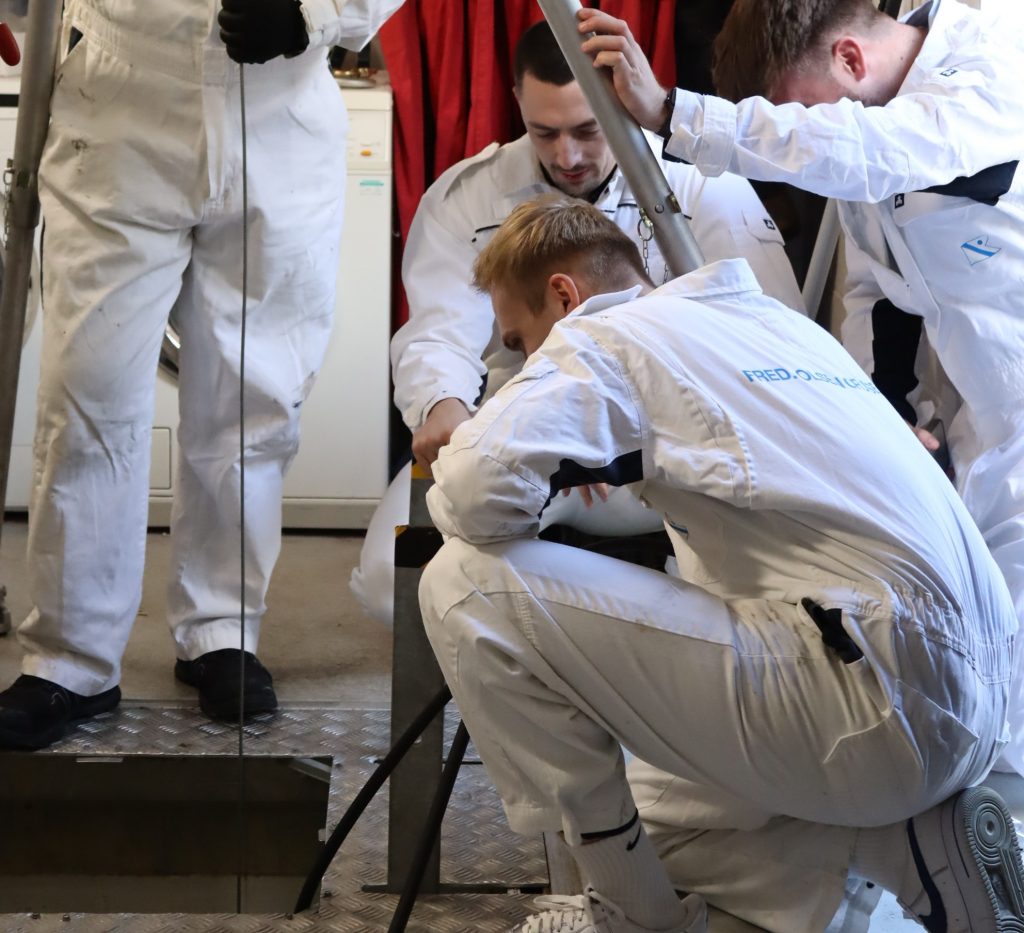
The resolution suggests that entry into enclosed spaces should be strategised subjectively to the vessel’s condition and the nature of the emergency onboard. Always having highly skilled crew members and designated decision makers to fulfil thorough risk assessments, using such to authorise entry.
Risk assessments should always take atmospheric condition and content of a ship’s cargo into account to ensure that all factors are considered prior to entry.
Finally, Regulation 19 of SOLAS Chapter III requires enclosed space entry and rescue drills to be conducted regularly on board. This helps crew to know exactly how to behave if an emergency occurs. Keeping procedures calm, effective and regimented.
At the Maritime Skills Academy, our STCW-compliant enclosed space entry training combines theoretical knowledge with hands-on practice under the guidance of our experienced maritime instructors.
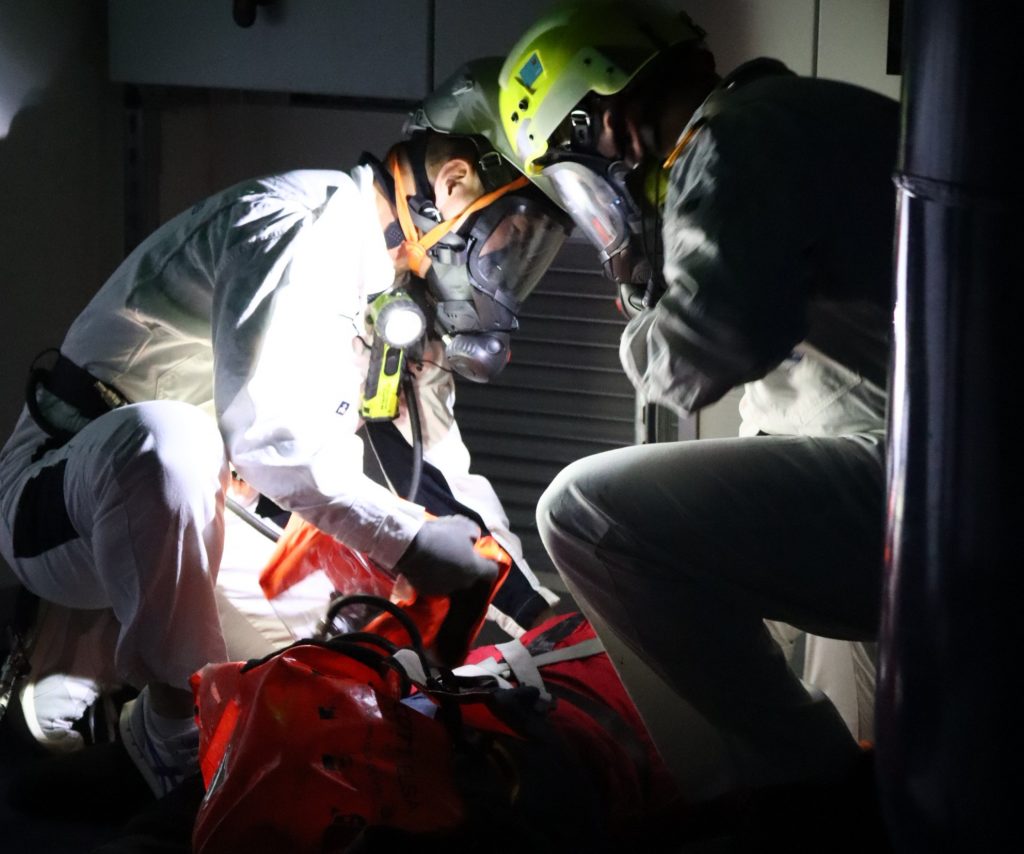
Our courses are designed to meet the international standards and MNTB guidelines, thereby enhancing crew confidence and competence, reducing risk, and improving operational safety.
Ensure your crew is prepared for enclosed space operations. Book your STCW Enclosed Space Training now with the Maritime Skills Academy to stay compliant.