This one-week course is normally run over 5 days and covers the basic safety elements that a seafarer will need to complete prior to working onboard a commercial ship. This includes those working on ferries, cruise ships, commercial vessels and even super yachts.
The course is part of the STCW code, which is an International Convention setting out Standards of Training, Certification, and Watchkeeping for Seafarers (STCW). Firstly, set out formally in 1978 and entered into force in 1984. The Convention was amended in 1995 and more recently in 2010 with the introduction of a number of elements needing refreshing every 5 years.
There are five elements that this 5-day course, which are Personal Survival Techniques, Elementary First Aid, Fire Prevention and Fire Fighting, Personal Safety and Social Responsibilities and Security Awareness.
The elements are taught in a mixture of classroom and practical elements.
The most in-depth elements are the Fire Prevention and Fire Fighting (FPFF) and the Personal Survival Techniques (PST).
STCW Fire Prevention and Fire Fighting Training Course
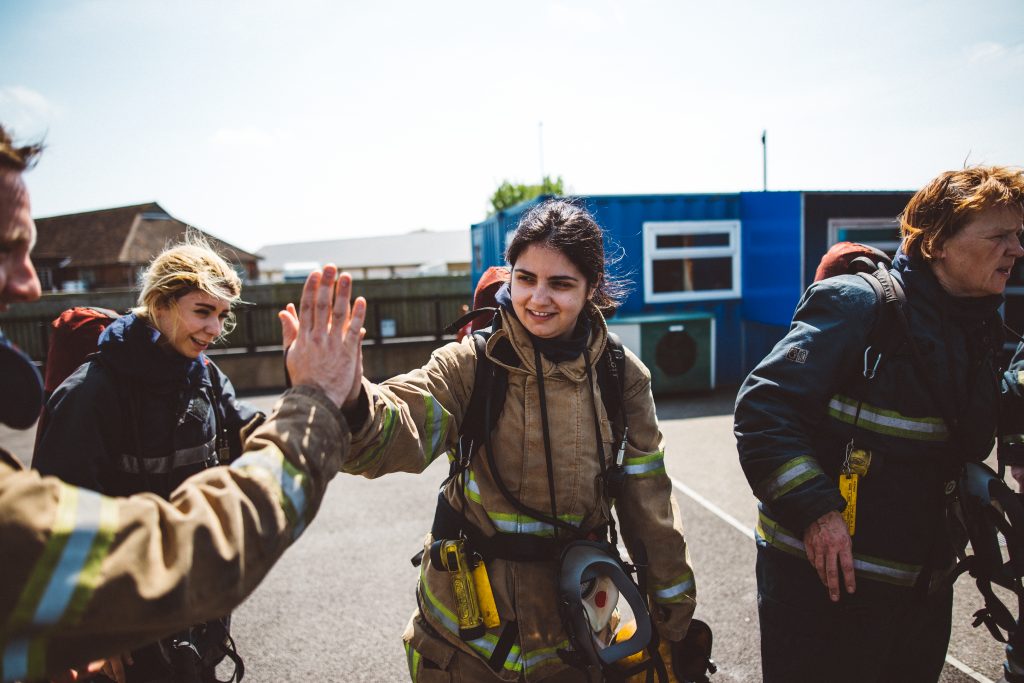
The FPFF training normally takes place over 2 ½ days, including a mixture of classroom training as well as practical firefighting and fire protection exercises, drills and techniques. This includes taking part in team exercises inside compartments which have been specially adapted to give course delegates the simulation of what it would be like to be firefighting onboard a ship.
FPFF will provide delegates with an understanding of the risk of fire onboard and how to minimise this. As well as learning how to fight and extinguish fires and search for and recover casualties. Delegates also learn how to wear firefighting equipment which includes personal breathing apparatus and the safe use of fire extinguishers.
STCW Personal Survival Techniques Training Course
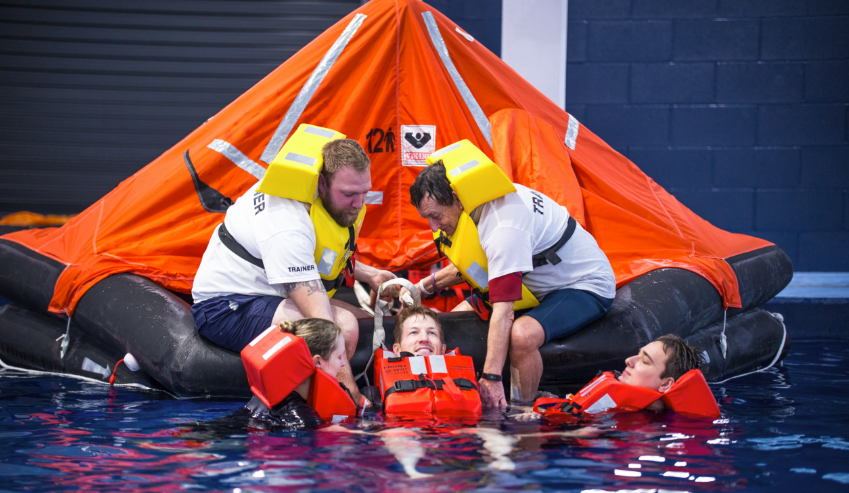
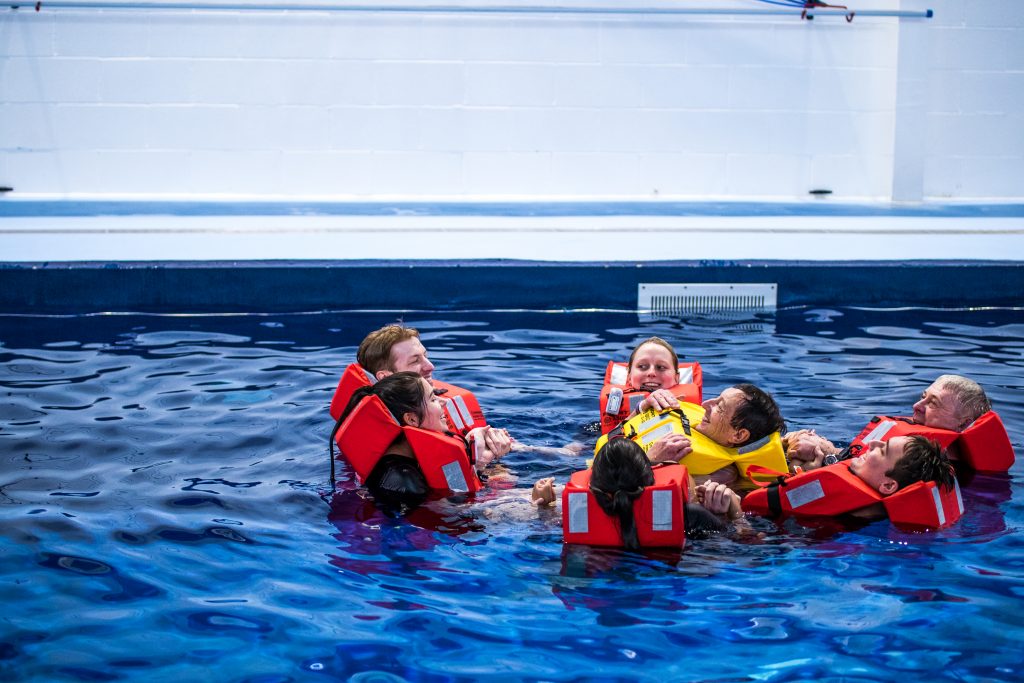
PST includes classroom teaching and discussion on survival techniques as well as the ‘wet drill’ in the survival swimming pool. Delegates obtain an understanding of the main types of maritime emergencies, the correct use of survival equipment particularly life-jackets and inflatable life rafts, as well as the proper use of survival craft.
Elementary First Aid Training Course
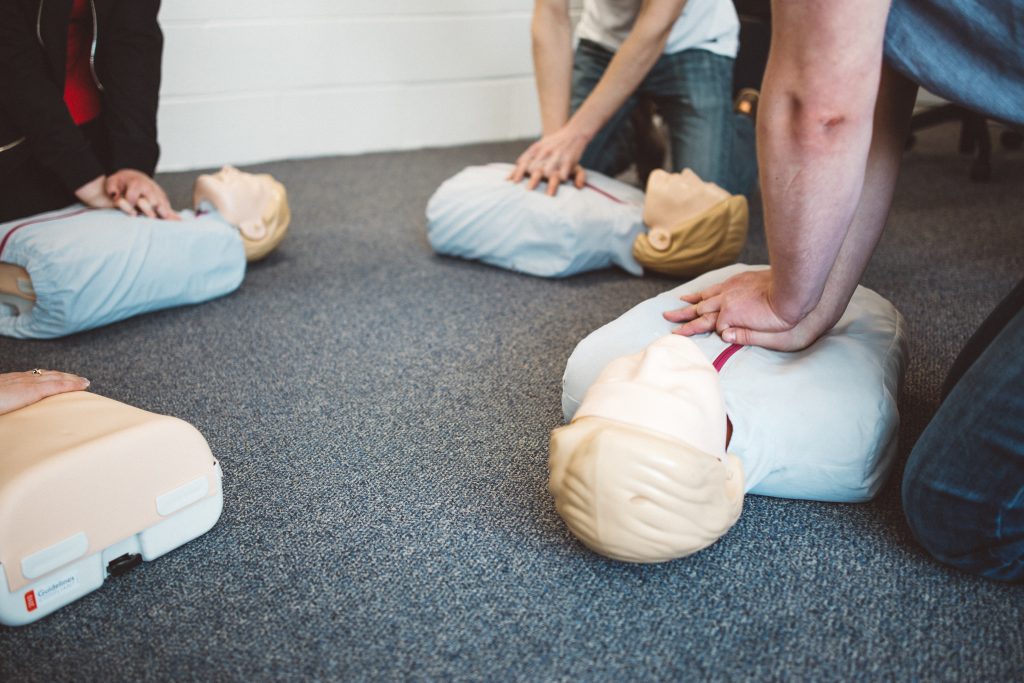
Elementary First Aid (EFA) will provide the delegate with the necessary knowledge to give immediate response first aid onboard a ship. It will particularly focus on providing an understanding of what to do when discovering a casualty, examining them and administering immediate first aid as well as how to give resuscitation and place someone in the recovery position. EFA also explains how to deal with fractures, burns, bleeds, choking and other general medical conditions.
Social Responsibility and Proficiency in Security Awareness Training Course
Personal Safety and Social Responsibilities and Proficiency in Security Awareness are taught in a classroom environment, covering a number of elements including safety duties and procedures, pollution and accident prevention, working conditions and the importance of ship security and roles involved in its provision in our current global climate.
The Basic Safety Training week gives the seafarer insight and information into the life of working at sea, including the importance of safety and the role that every single crew member will undertake in this whilst working at sea.
Find out more and book an STCW Course