What is a Primary Survey or DR ABC? 

The Primary Survey, also known as DR(S) ABC(D), is a crucial mnemonic in first aid for assessing the severity of a casualty’s injury or illness. By following these steps, you can deliver lifesaving aid while waiting for the emergency services.  

Here is a step-by-step guide on how to use it in any scenario:  
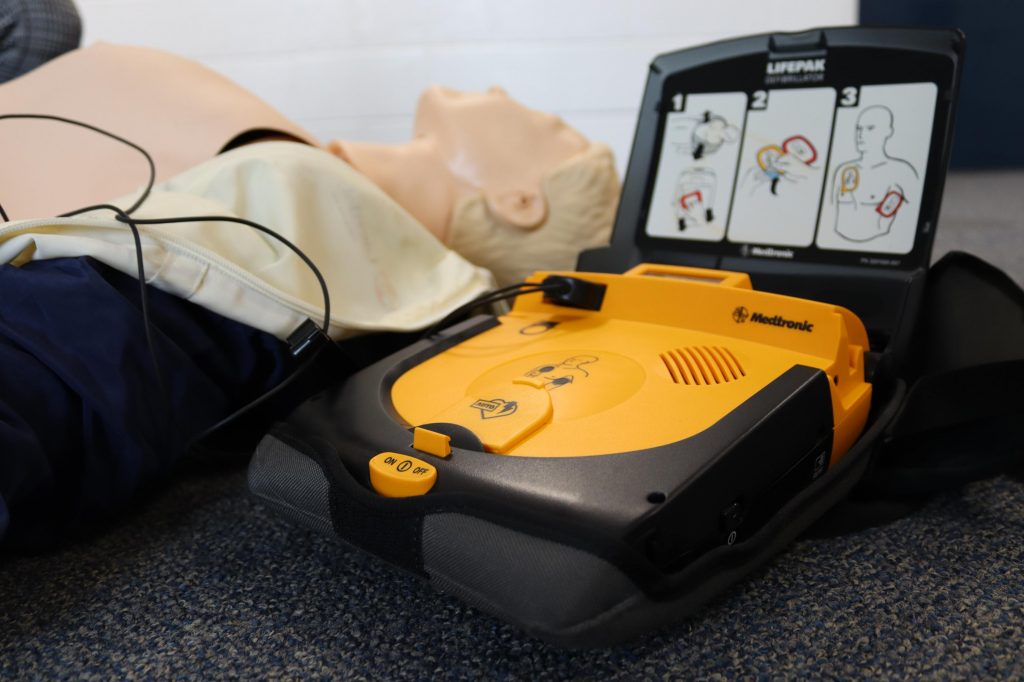
image of an AED and manikin doll on the floor

D is for Danger 

Survey your surroundings for hazards that may have caused the initial injury, or that could endanger you. Protecting yourself is crucial for helping the casualty. 

R is for Response

Check for a response, approaching from the feet when possible to avoid straining the casualty’s neck or back. 

Call the casualty’s name to check for a response without alarming them. You may pinch their collarbone or gently shake their shoulders to elicit a reaction.  

S is for send for help

If the casualty is unresponsive, call for help immediately to increase their chances of survival.  

If you are in a public place, be sure to ask someone to call an ambulance or to fetch the nearest AED (defibrillator).  

Alternatively, call 999 and leave your phone on speaker as you continue the survey.  

A is for Airways 

Check the casualty’s airway for obstructions by gently tilting their head back with one hand while pulling the chin down with the other. Look carefully inside their mouth and throat.  

If there is a blockage, you can either use something to move it, like a pen, or roll the casualty on their side to let it drain. You must never use your fingers, as the person could wake and bite down! 
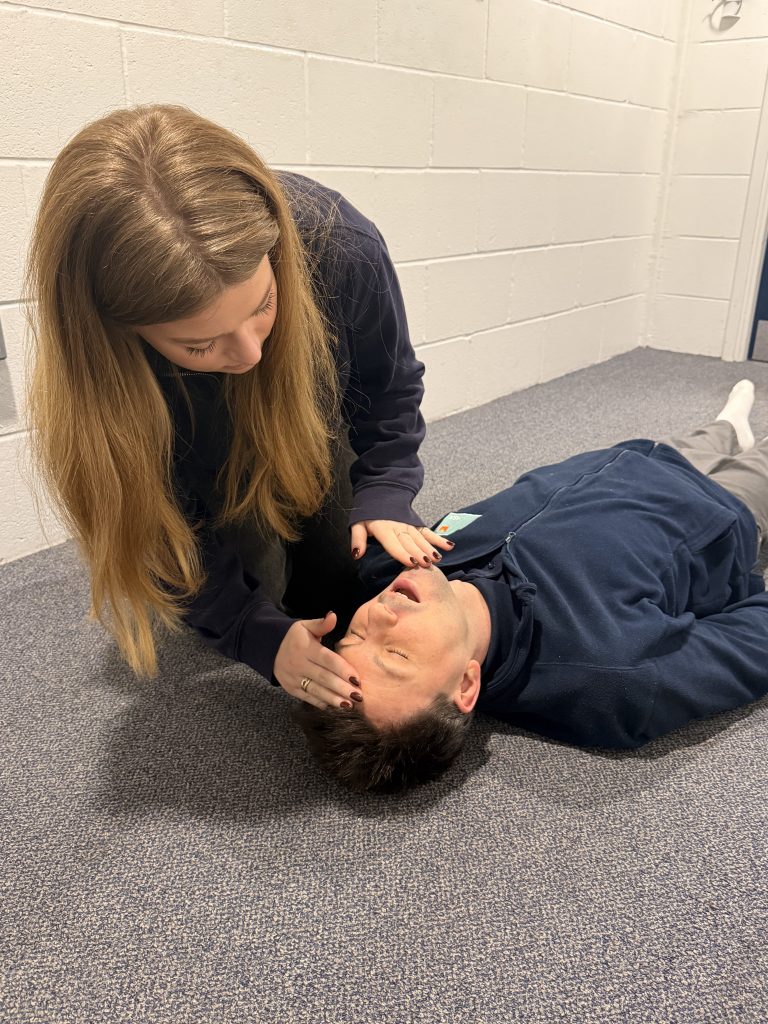
Someone checking a patient's airways in the third step of a primary survey

B is for Breathing 

Check for breathing by placing your cheek close to their mouth and nose,  watching their chest for movement. 

Listen for 10 seconds for normal breathing. If you hear abnormal gasps and neck extension is possible, this is ‘agonal breathing,’ which suggests cardiac arrest.  

If they are not breathing, it’s time to begin CPR.  

C is for Compressions 

Place one hand over the other, and interlock your fingers. Position your hands between the nipples, at the centre of the chest.  

Give the casualty 30 chest compressions followed by two breaths, and repeat for as long as possible. Aim for a depth of 5-6 cm (2 inches) and push at a rhythm of 120 beats per minute.  

We suggest singing along to a song with the same rhythm to keep you on track. Try one of these:

  • Stayin’ Alive – The Bee Gees 
  • Pink Pony Club – Chappell Roan 
  • I Will Survive – Gloria Gaynor  

It’s important to know that whilst you are trying to save a life, you must not exhaust yourself. Look to swap with someone every 1 to 2 minutes as you wait for emergency services to arrive, or until the person regains consciousness.  
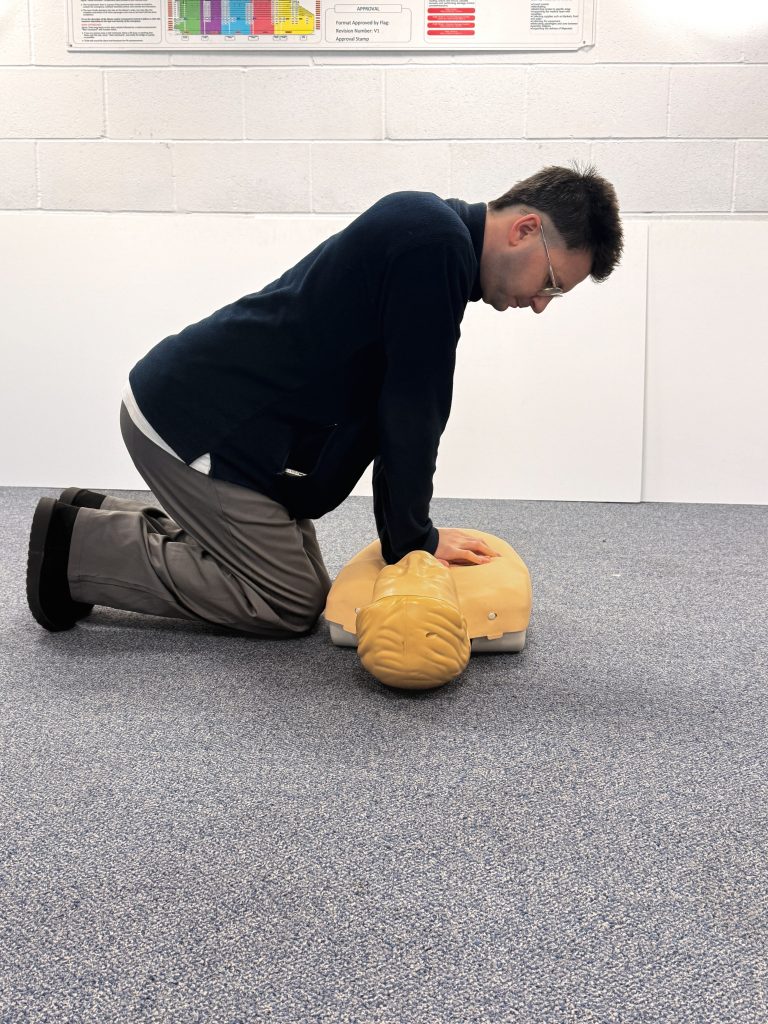
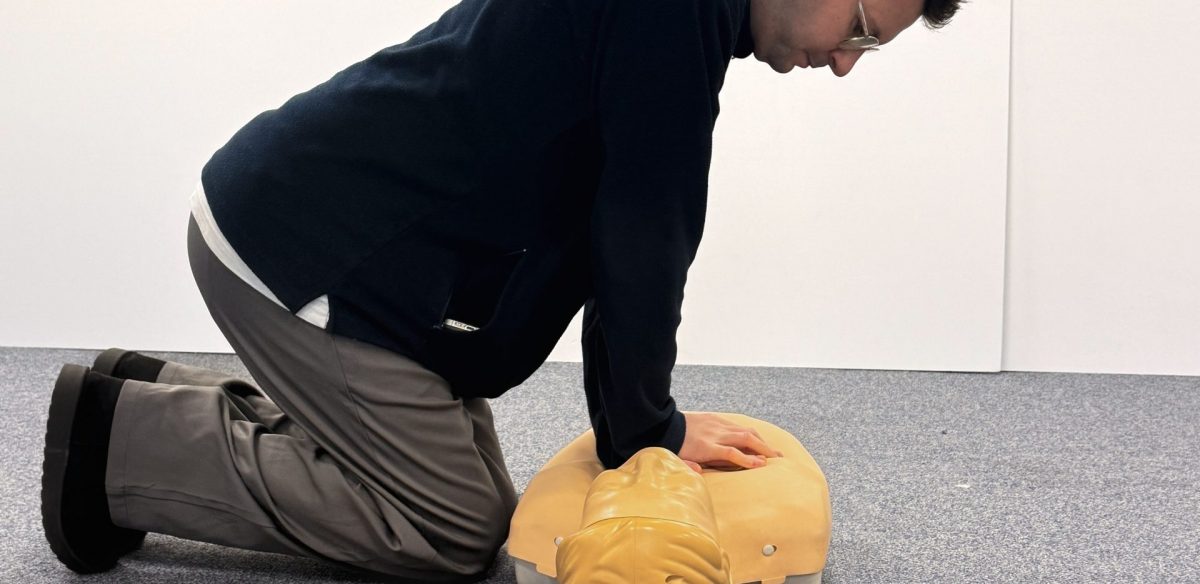
Image of someone performing chest compressions on a manikin as part of a Primary Survey

D is for Defibrillator 

If a defib is on hand, then continue with chest compressions whilst someone else continues to set up the machine. Remember to remove any metal on the casualty (such as an underwire in a bra) to avoid burning them once the machine is fitted.  

Follow the defibrillator’s instructions and continue compressions after each shock. 

Why the Primary Survey is so important?

By remembering the steps to the Primary Survey and DRS ABC, you can provide immediate first aid and increase the chance of survival for a casualty. Having a step by step guide to casualty response eliminates the risk of confusion and panic, and keeps the casualty, surroundings, and responder safe.  
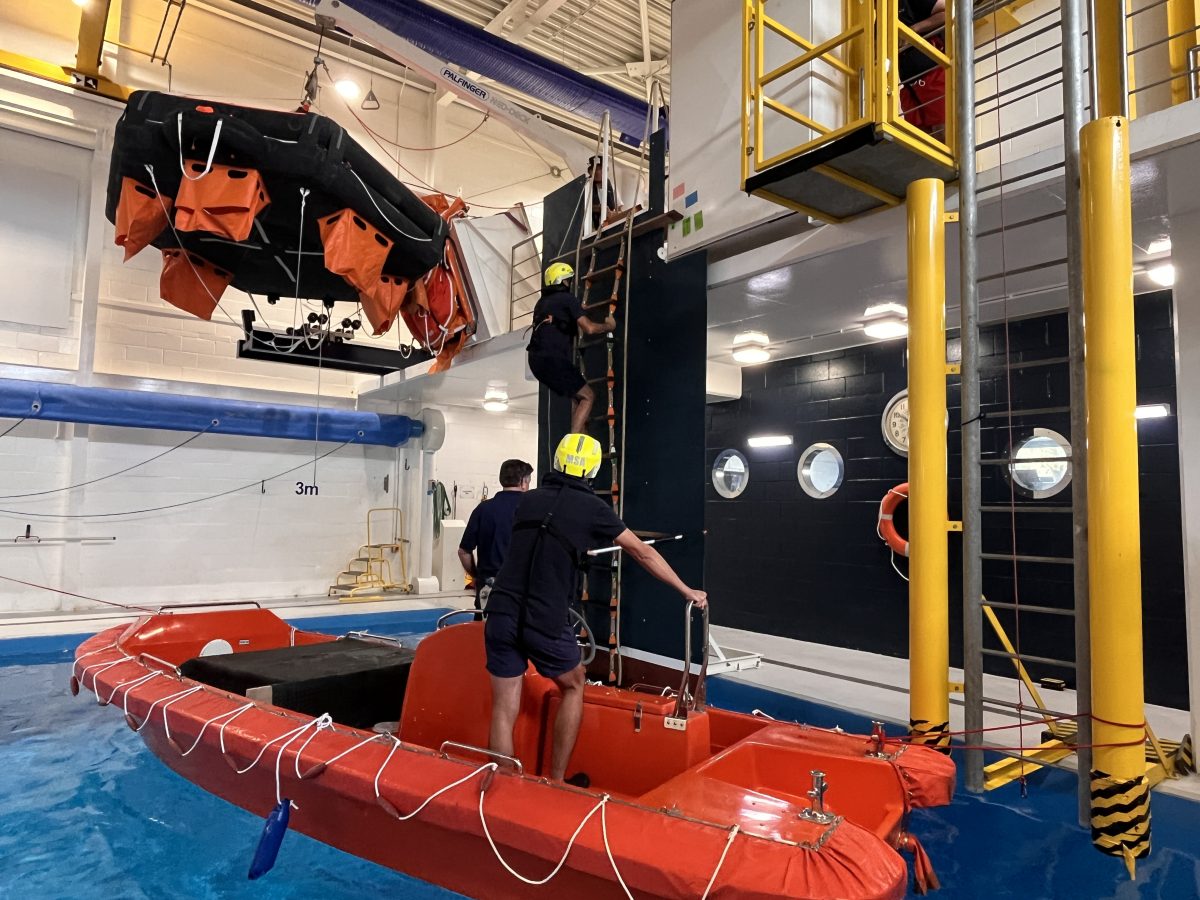
The Maritime Skills Academy Secures UKMPA Endorsement for Pilot Ladder Safety Training Course

The Maritime Skills Academy (MSA) is honoured to announce that its Pilot Ladder Safety Training Course is now formally endorsed by the United Kingdom Maritime Pilots’ Association (UKMPA), symbolising a significant step in the sustained effort to raise maritime safety standards.

The endorsement follows a collaborative agreement between the organisations, represented by Jason Wiltshire, UKMPA Vice-Chair, and Dean Stores, MSA Head of Training. Both commit to strengthening pilot ladder safety with a high-quality, industry-recognised course.

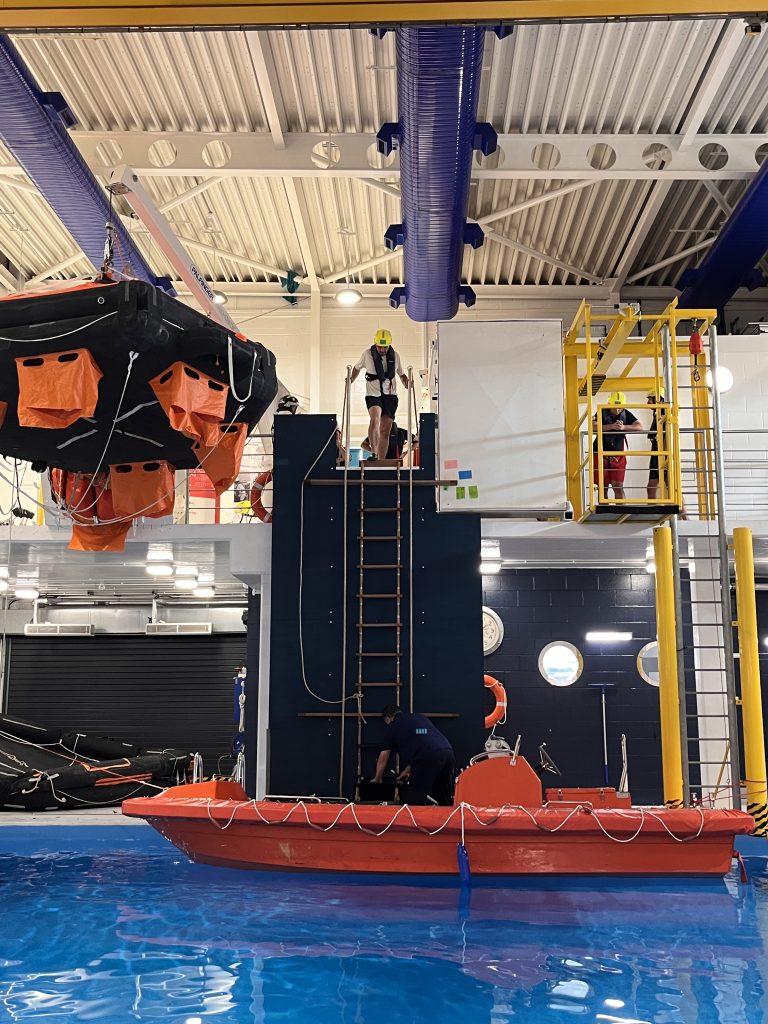
Image of a Pilot Ladder Transfer course with a fast rescue boat at the bottom of a ladder, for the Pilot's to safely practice ascending and descending.

Through this partnership, the UKMPA will actively review course content, delivery, and materials to ensure the training remains valuable for pilots and is aligned with advancing industry needs.

The MSA will adopt the UKMPA’s recommendations to maintain the highest standards. Notably, MSA has already commenced delivery of the endorsed pilot ladder training, with recent courses successfully attended by several pilots from the Port of Dover, as well as a joint initiative with specialist law enforcement personnel from a UK Government agency.

These early sessions reflect both strong industry demand and the immediate impact of the partnership on front-line safety training.

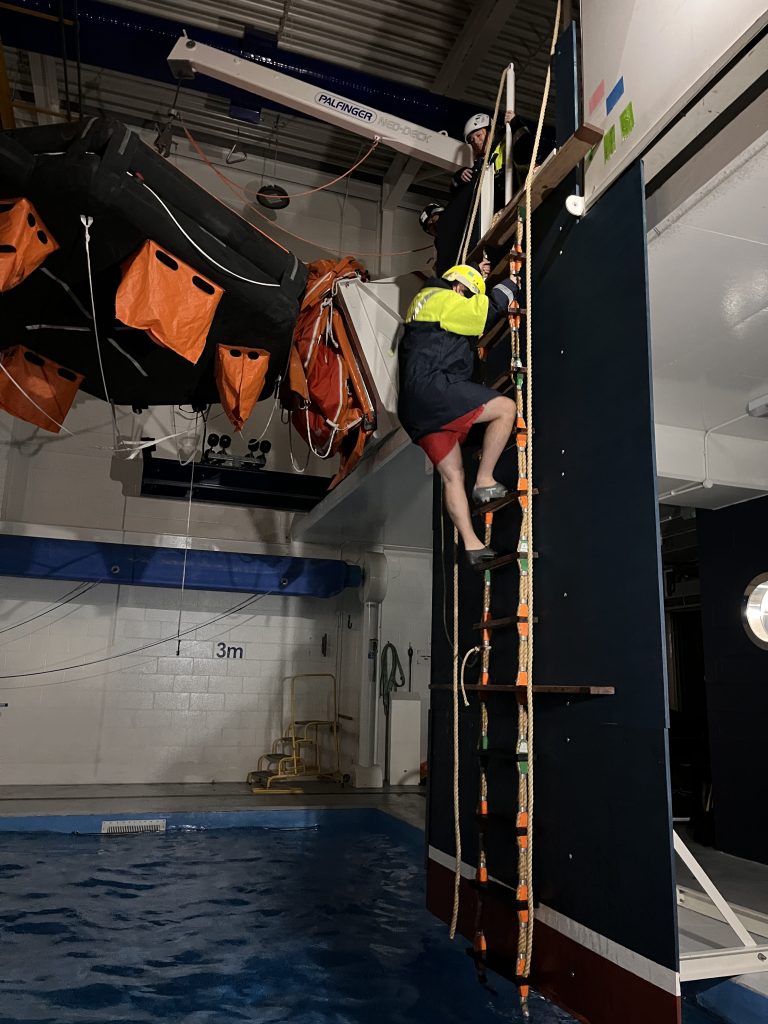
Image of crew descending a Pilot Ladder in a Pilot Ladder Safety Training session

MSA Head of Training, Dean Stores, commented, “We are delighted to receive this endorsement from the UKMPA. It represents the expertise of our team and affirms our pledge to improving safety in one of the industry’s highest-risk activities – pilot transfer operations.”

UKMPA Vice-Chair, Jason Wiltshire added, “Pilot ladder safety is a fundamental part of the pilotage profession and vital for safe transfers at sea. Ongoing reporting shows persistent risks, with global transfer incidents averaging around two pilot fatalities each year. The UKMPA’s endorsement of MSA’s Pilot Ladder Safety Training Course reflects our commitment to collaboration, best practice and reducing preventable incidents.”  

By joining the UKMPA Annual Conference later this year as an exhibitor, MSA will deepen its collaboration with the pilotage community and help drive industry dialogue on safety, innovation, and operational quality—underscoring MSA’s leadership and long-term obligation to safer maritime practices.


About the United Kingdom Maritime Pilots’ Association (UKMPA)

The United Kingdom Maritime Pilots’ Association (UKMPA) is the professional body representing approximately 500 licensed maritime pilots across the UK. Committed to the highest standards of safety, efficiency and professionalism in pilotage, the UKMPA advocates for its members and promotes best practice across the global maritime industry.

Maritime pilots play a critical role in guiding vessels safely through UK waters, protecting lives, property, and the marine environment, while ensuring the smooth movement of goods and passengers vital to the national economy.

For more information, visit www.ukmpa.org

Maritime Damage Control | What Ship Owners and Operators Must Know to Stay Compliant

Why proactive training for maritime damage control is non-negotiable, and how the Maritime Skills Academy leads the way.

When a maritime emergency occurs, whether through collision, grounding, flooding, or structural failure, your crew’s ability to respond swiftly and effectively can determine the difference between a controlled incident and a catastrophic loss. Maritime damage control is not a best practice; it is a mandatory compliance requirement under international maritime regulation.

Maritime Damage Control Training at the Maritime Skills Academy in Kent.

For ship owners and operators, understanding these obligations is essential. Having the correct procedures, documentation, training and drill routines is an expectation of regulatory practice under the top governing bodies, SOLAS, STCW and the ISM Code.

And yet very few training organisations have the capability for facilities to deliver genuine, hands-on damage control training. In fact, the Maritime Skills Academy (MSA) is the only UK training provider that delivers a dedicated maritime damage control course, giving operators a unique opportunity to ensure full compliance while enhancing operational resilience.

Why Maritime Damage Control Matters More Than Ever

With international regulators tightening their expectations around emergency preparedness, passenger ships are required to conduct damage control drills every three months under new SOLAS updates. Each drill is designed to test crew responses to scenarios such as flooding, stability loss, or other structural emergencies. These drills must simulate varied conditions and require crew to operate key systems such as watertight doors, bilge pumps, cross-flooding systems, and flooding detection devices.

Additionally, at least one drill annually must include activation of shore-based support to validate communication systems and stability assessment protocols.

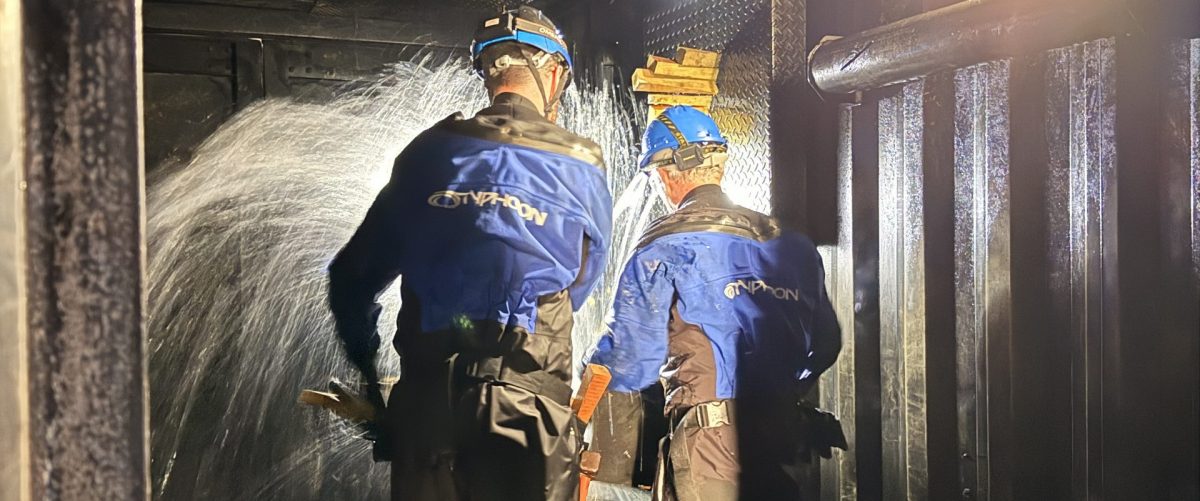
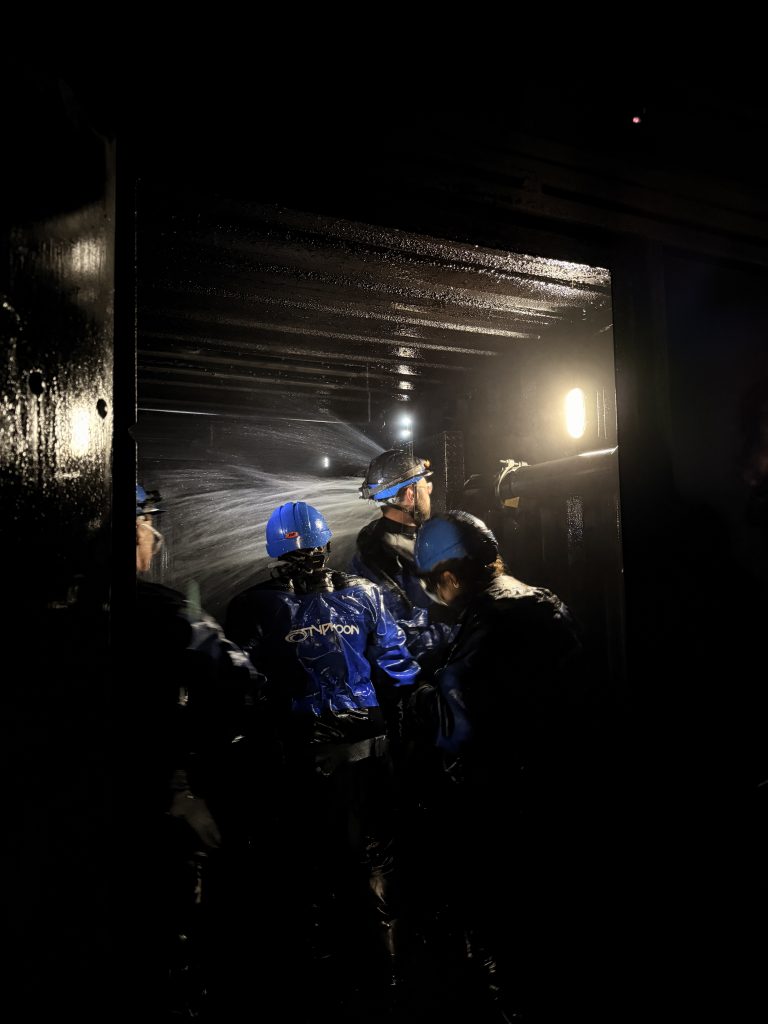
Maritime Damage Control Training at the Maritime Skills Academy in Kent. There are four crew members assessing a burst pipe with water spraying behind them.

Regulatory Requirements Every Owner and Operator Must Meet

No matter the vessel, safety implementation is there for a reason, and respected bodies of authority regulate the conditions of these vessels to ensure everyone is operating at a safe standard.

Authorities such as SOLAS, the ISM Code and STCW all stress the significance of regular drills and crew being thoroughly versed in emergency procedures. However, many operators struggle to maintain these expectations.

Despite clear regulatory expectations, these weaknesses can be, and regularly are, identified during flag-state inspections and ISM audits.

The most common pitfalls for operators are insufficient practical training, lack of realistic damage control situations, inconsistent drills, gaps in familiarity and audit findings.

How to close the Compliance Gap with Maritime Damage Control

As the UK’s only provider of dedicated maritime damage control training, the maritime Skills Academy offers an unparalleled service to ship owners and operators seeking to meet their regulatory obligations and enhance real-world readiness.

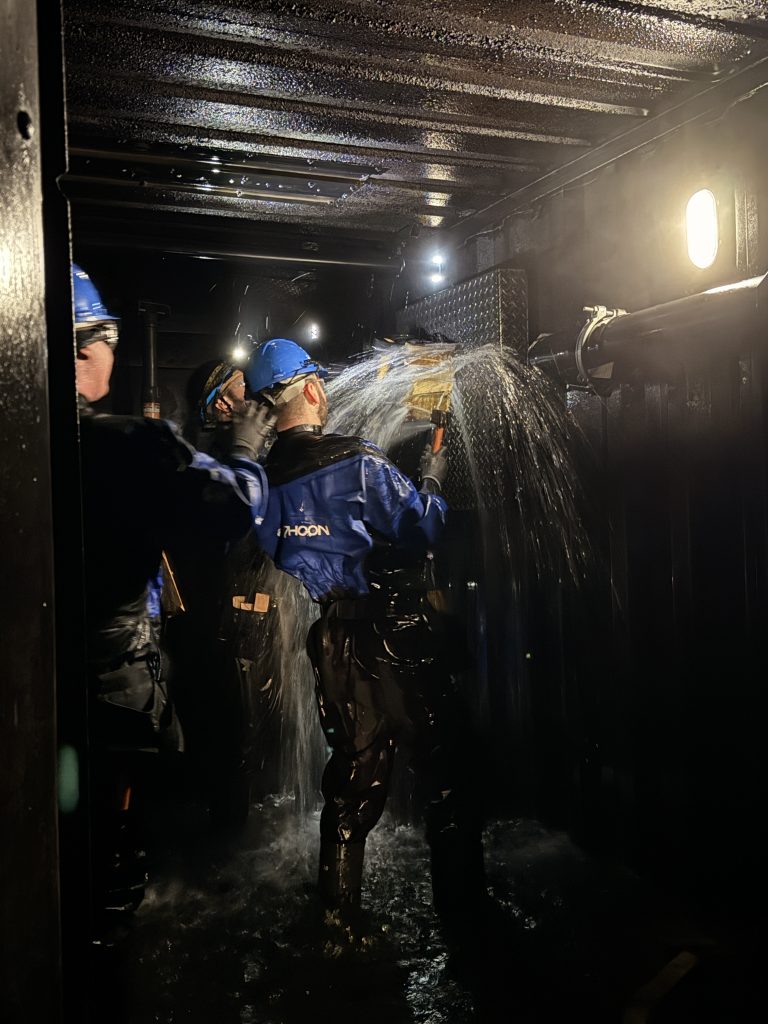
Our maritime damage control training course allows crew to train in realistic, controlled flooding environments, operate live bilge systems and watertight closure, practice flood containment with dewatering techniques, patching and shoring.

By recreating the high-stress environment under the guidance of our skilled instructors, crew are able to put their classroom learning into practice which is essential for real-world capability, bridging the gap between drills and emergencies.

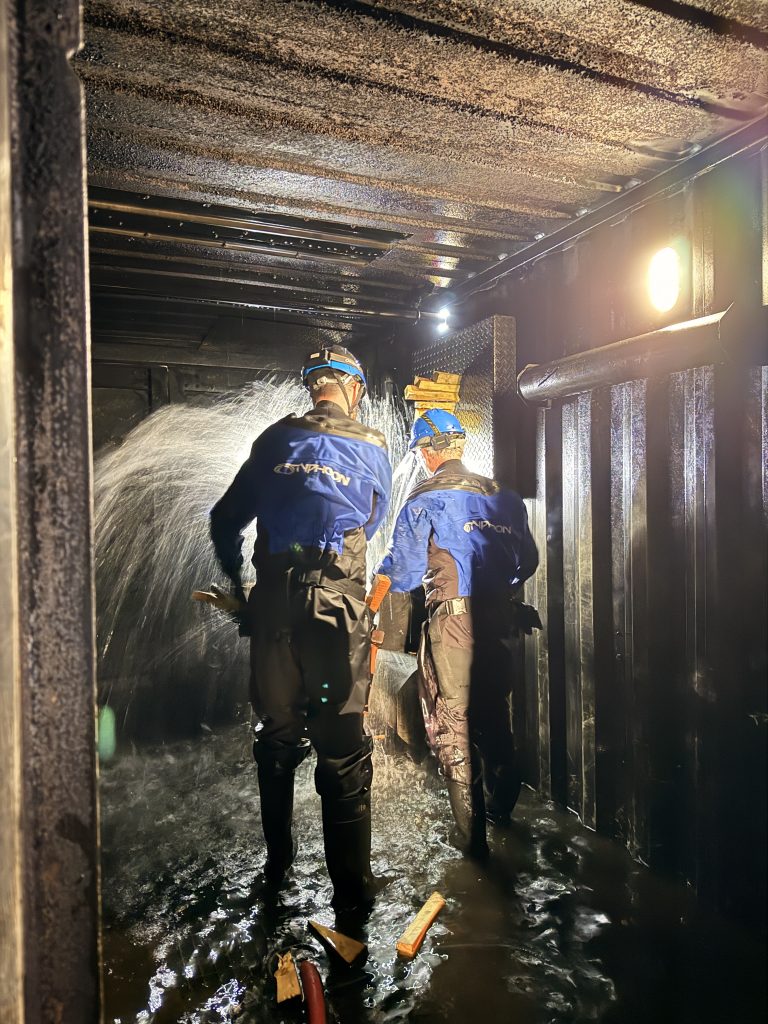
Maritime Damage Control Training at the Maritime Skills Academy in Kent. The image is of the inside of a container, posing as the interior of a ship's engine room that might experience a burst pipe or rupture. There are three crew members trying to stop the water flowing through a burst with wooden blocks.

Strengthen your compliance with the Maritime Skills Academy

Ship owners and operators carry the ultimate responsibility for ensuring their vessels and crew can withstand the unexpected. Strengthen your compliance. Strengthen your crew. Strengthen your ship.

The Maritime skills Academy is ready to support you with the UK’s only comprehensive maritime damage control training solution.