Training the Trainers in Maritime Education: The Importance of a IMO Model Courses

In the dynamic world of maritime education and training, ensuring the competency of instructors is crucial not only for the success of individual seafarers but also for the safety and efficiency of the entire maritime industry. The International Maritime Organization (IMO), recognising this necessity, has developed the Model Course on Training of Trainers to equip maritime professionals with the skills and knowledge necessary to excel as educators. This blog delves into why the IMO Model Course is indispensable for maritime professionals in teaching roles at training centres or onboard ships.

Ensuring Compliance and Standardisation

One of the primary reasons the IMO Model Course is so significant is its role in establishing global standards and ensuring compliance with international regulations. Maritime training institutes and onboard training programs must adhere to these standards to guarantee that seafarers receive consistent, high-quality instruction regardless of their location or the institution where they receive their training. By implementing the IMO Model Course, trainers gain a comprehensive understanding of the methodologies, content, and evaluation criteria essential to effective maritime education.

Teacher teaching a class of students | Training the trainers in maritime education

Enhancing Teaching Skills

Teaching in the maritime sector demands a unique set of skills due to the complex nature of maritime operations and the diverse backgrounds of seafarers. The IMO Model Course empowers trainers with specialised training techniques tailored to the maritime environment. This includes effective communication strategies, practical demonstration skills, and the proficiency to create engaging and relevant training materials. Such skills not only improve the learning experience for seafarers but also contribute to the overall effectiveness of maritime education programs, instilling a sense of confidence and capability in the trainers.

Promoting Safety and Operational Efficiency

Safety is paramount in the maritime industry, and well-trained seafarers are essential to maintaining high safety standards onboard vessels. Trainers who have undergone the IMO Model Course are better equipped to impart critical safety protocols and operational procedures to their students. They can also effectively simulate real-world scenarios, preparing seafarers to handle emergencies and unforeseen situations confidently and competently. This proficiency not only contributes to vessels’ smooth operation but also fosters a sense of shared responsibility and community in enhancing the maritime industry’s overall safety culture.

Supporting Career Development

The IMO Model Course is not just a training program; it’s a personal and professional growth pathway for maritime professionals transitioning into teaching roles. It equips them with the necessary teaching skills and subject matter expertise to excel in their new career endeavours. Moreover, the IMO Model Course certification enhances their credibility within the industry. It opens doors to further maritime education and training opportunities, inspiring them to strive for career excellence.

Fostering Continuous Improvement

The maritime industry constantly evolves, driven by technological advancements, regulatory changes, and new operational challenges. Trainers who undergo the IMO Model Course are encouraged to engage in continuous professional development. They stay abreast of industry trends, update their teaching methodologies, and incorporate the latest best practices into their training programs. This commitment to continuous improvement ensures that maritime education remains relevant, effective, and responsive to the evolving needs of the industry.

In conclusion, the IMO Model Course on training the trainers plays a pivotal role in shaping the competence and professionalism of maritime instructors worldwide. By equipping trainers with standardised methodologies, specialised skills, and a commitment to safety and excellence, the IMO Model Course not only enhances the learning experience for seafarers but also contributes to the overall safety and efficiency of maritime operations. As the maritime industry evolves, well-trained and knowledgeable instructors are essential, making the IMO Model Course an indispensable asset for maritime professionals in teaching roles both ashore and at sea.

To find out more about the Train The Trainer course and available dates at the Maritime Skills Academy, click here

Navigating the Future: Maritime Skills Academy’s Bridge Simulators Revolutionise Shipping Port Studies

Among the many advancements in the maritime industry, bridge simulators stand out as a game-changer, offering an immersive learning experience that transcends traditional methods.

With the ability to create simulated scenarios for shipping port studies, this is just one of the ways the cutting-edge technology is revolutionising the industry.

One institution at the forefront of leveraging this technology, is the Maritime Skills Academy (MSA), where bridge simulators aren’t just tools for training future seafarers, but also for conducting in-depth shipping port studies.

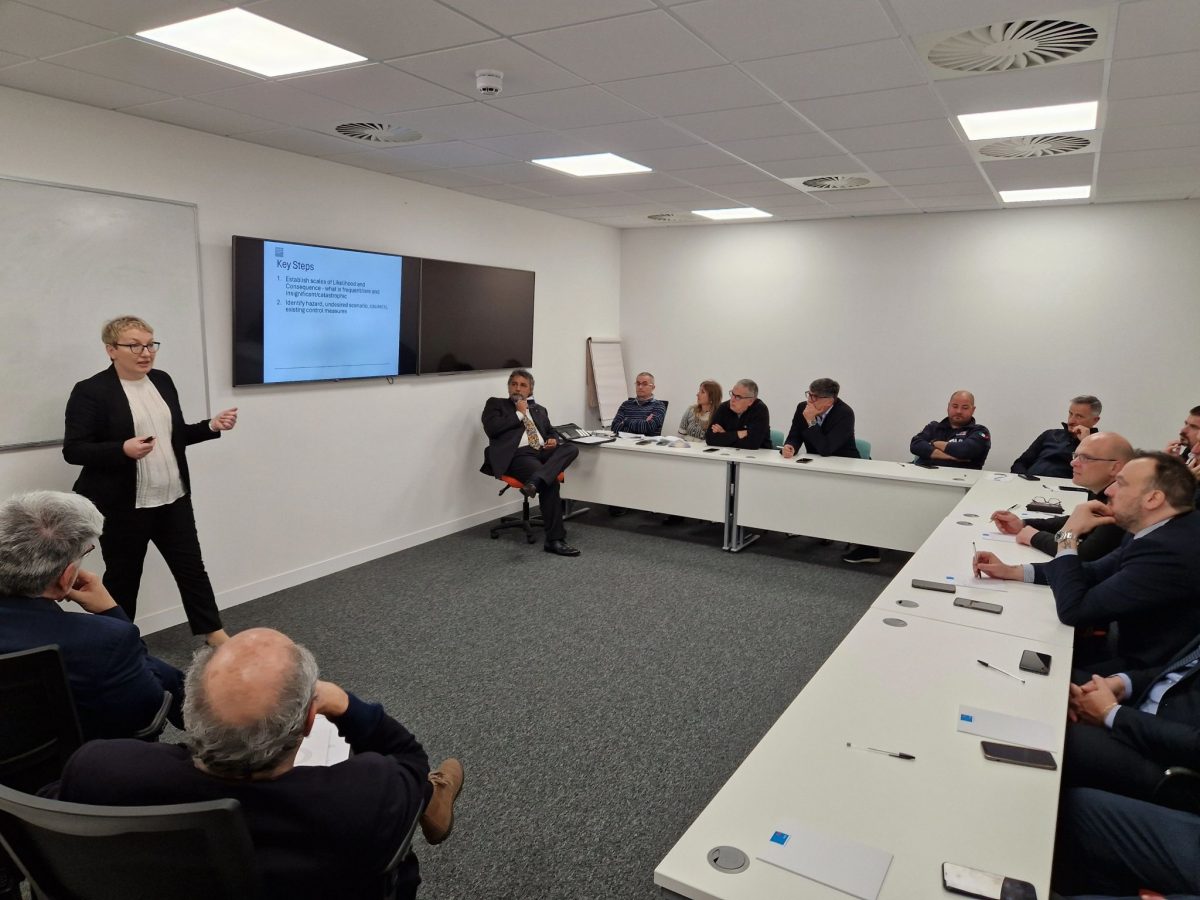
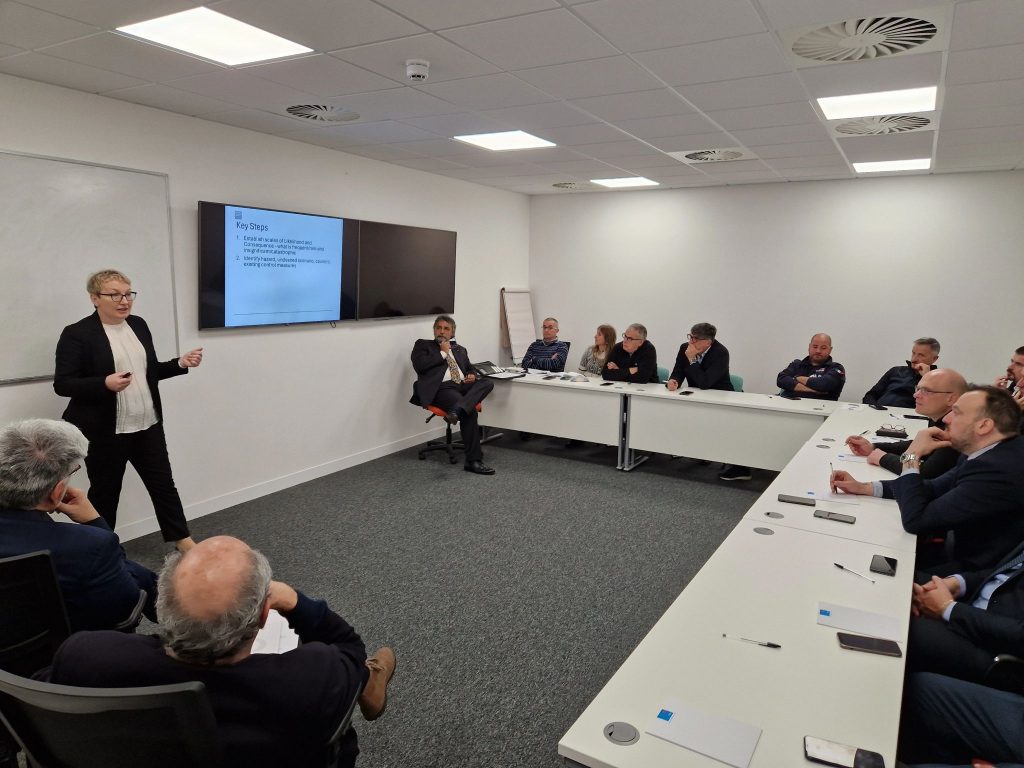
The MSA recently hosted delegates from MSC Cruises, assisting them with their Shipping Port Studies Training.

Director of Training at MSA Portsmouth, Plamen Marinov, who oversaw the training said, “The MSA Team had the privilege to collaborate with MSC Cruises’ Containers Division and the Port of Genoa on a port study and mooring arrangement, berthing plan analysis project.”

MSC Cruises' Containers Division undertaking training at the Maritime Skills Academy in Portsmouth | Shipping Port Studies
MSC Cruises’ Containers Division undertaking training at the Maritime Skills Academy in Portsmouth.

With the help of the simulators and under the guidance of our instructors, the MSA is able to successfully carry out Shipping Port Studies Training for delegates.

Ports are vital in the global supply chain, paving the way for the movement of goods. Understanding their operations, navigational challenges, and safety protocols is paramount for maritime students, port authorities, and shipping companies alike.

Keep reading to find out how these studies could benefit your crew in their daily operations.

Port Manoeuvring Simulations

Conduct simulations to replicate the process of manoeuvring vessels in and out of the port. This helps assess the feasibility and efficiency of different approaches, considering vessel size, draft, tidal currents, wind conditions, and navigational hazards.

Berth Operations Optimisation

Simulate docking and undocking procedures at different berths within the port. Evaluate the impact of berth layout, availability of tug assistance, mooring arrangements, and other factors on the time and resources required to complete these operations.

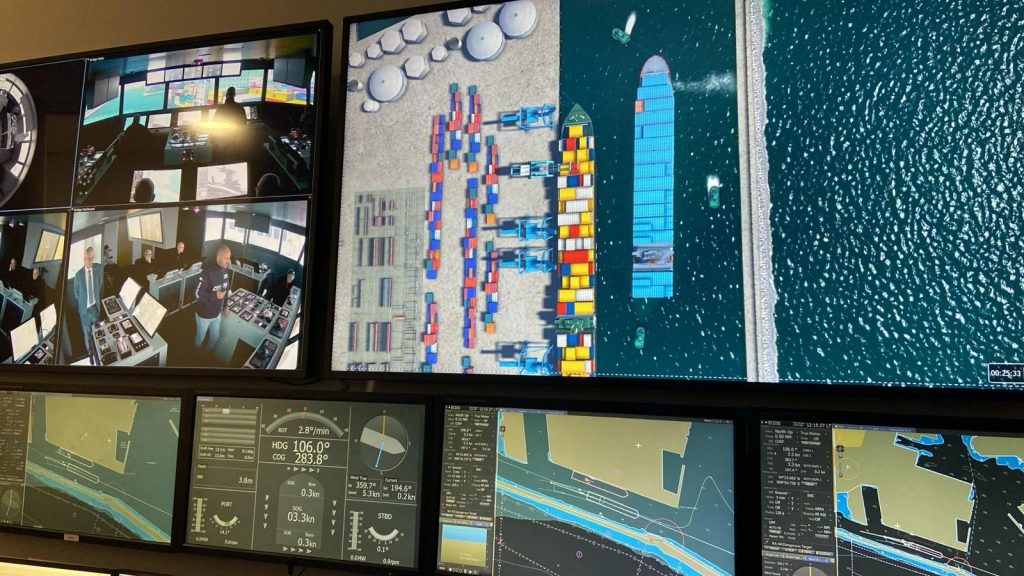
Bridge Simulators at the Maritime Skills Academy in Portsmouth | Shipping Port Studies
Various screens showing the Bridge Simulator being used to replicate a port, for shipping port studies training

Cargo Handling Simulations

Simulate cargo loading and unloading operations to assess the efficiency of terminal facilities and equipment. Analyse the impact of different cargo types, handling techniques, and equipment configurations on turnaround times and operational costs.

Emergency Response Training

Use simulations to train personnel in emergency response procedures, such as collision avoidance, grounding scenarios, fire drills, and pollution control measures. This helps enhance safety awareness and preparedness for handling critical situations in the port environment.

Environmental Impact Assessment

Simulate vessel movements and operations to evaluate their potential environmental impact, such as emissions, noise pollution, and wake effects. This information can be used to identify mitigation measures and optimise operational practices to minimise environmental footprint.

Port Expansion Planning

Use simulations to model the impact of port expansion projects or infrastructure upgrades on vessel operations and port efficiency. Assess the feasibility of proposed changes, identify potential bottlenecks, and optimise layout designs to maximise throughput capacity.

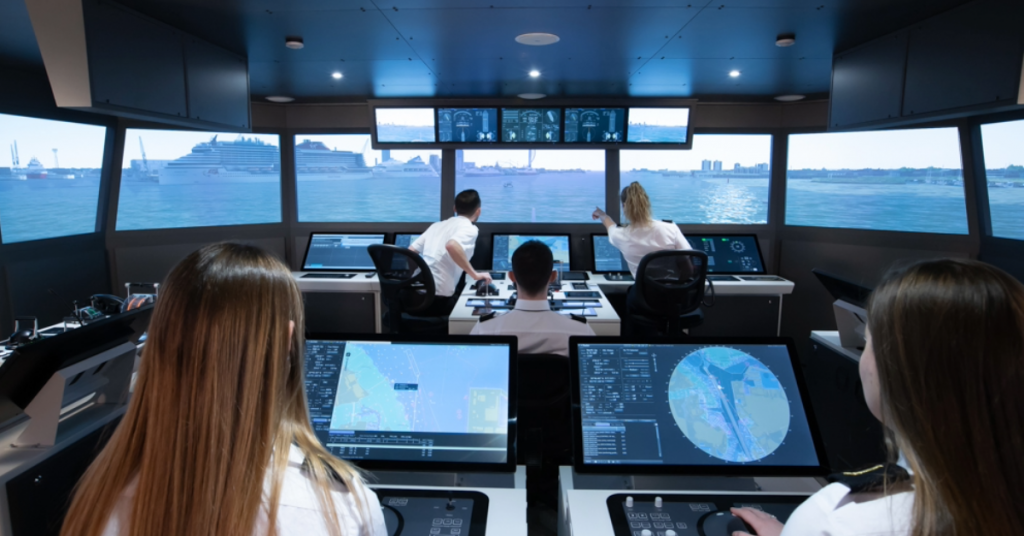
Maritime Skills Academy's Bridge Simulator
The Maritime Skills Academy Portsmouth’s Bridge Simulators being used by cadets to simulate real-life scenarios at sea.

Route Optimisation Studies

Integrate ship simulation with route optimisation algorithms to identify the most efficient routes and scheduling strategies for vessels navigating to and from the port. Consider fuel consumption, voyage duration, weather routing, and port congestion to optimise fleet deployment and voyage planning.

Risk Assessment and Contingency Planning

Simulate various risk scenarios, such as equipment failures, adverse weather conditions, or port congestion, to assess their potential impact on vessel operations and develop contingency plans accordingly. This helps mitigate operational disruptions and minimise financial losses.

How can the Maritime Skills Academy support you?

If you work in the maritime industry and are looking for Shipping Port Studies, get in touch with Director of Training and Simulation, Plamen Marinov, to see how our industry experts can help to support your crew. Or to view our full range of courses, click here.

Matt Horton Joins Viking Maritime Group as Operations Director (Scotland)

Operations Director (Scotland) Matt Horton | Viking Maritime Group
Matt Horton, Operations Director (Scotland)

Viking Maritime Group proudly announces the appointment of Matt Horton as the Operations Director (Scotland). With this strategic move, Viking Maritime Group reinforces its commitment to excellence in maritime services and strengthens its leadership team.

In Matt’s new role, he will be supporting the businesses in the Viking Maritime Group; Viking Crew and The Maritime Skills Academy bringing with him a wealth of knowledge and experience.

He is a skilled maritime professional, known for his ability to thrive in fast-paced and evolving environments while adapting quickly to client needs.

“We are delighted to welcome Matt Horton to the Viking Maritime Group family,” remarked Matthew Jaenicke, Viking Maritime Group, Managing Director. “His proven track record of excellence, coupled with his innate ability to anticipate and meet client needs, makes him an invaluable addition to our leadership team. We are confident that under Matt’s stewardship, our operations in Scotland will reach new heights of success.”

Matt’s career in the Merchant Navy began with BP Shipping Ltd, where he underwent pre-sea training at the Prince of Wales Sea Training School in Dover. He sailed on BP Tankers in deep-sea operations before transitioning to BP Exploration, where he worked on semi-submersibles and production platforms in the North Sea.

In 1992, Matt joined Sea Containers, serving as Chief Officer and Safety Officer on routes in the Irish Sea and English Channel. He later became part of Sea Containers’ operations team, overseeing Dry Docks, Charters, and Type Rating Training for all Officers & Crew.

Transitioning ashore in 2006, Matt joined Clyde Marine Training as a Training Officer and eventually rose to the position of General Manager. In this role, he managed the daily operations of Clyde Marine Short courses, Clyde Uniforms, and Clyde Safety. Matt also provided training in various locations worldwide, including Italy, Greece, the Falkland Islands, Germany, and the UK, benefiting crew from companies like Disney Cruise Line, Northlink Ferries, and Stena Line.

Furthermore, Matt Horton has served as the President of the Scottish Shipping Benevolent Association and as the Treasurer and Secretary of the Glasgow Humane Society. He also recently became a member of The Merchants House of Glasgow.

On behalf of everyone at Viking Maritime Group, we’re thrilled to have Matt joining us, and can’t wait to see how he contributes and strengthens the team.

Date of Issue: 1st May 2024
Last Edited: 27th August 2024