If you’re considering a career at sea, or looking to work in the maritime industry, there will be marine courses that you will need to complete.
However, not all courses are mandatory, as it will still depend on the role you’re looking for.
At the Maritime Skills Academy, we offer a variety of marine courses that can open a number of doors.
Starting with the most important marine course, by gaining your BST, you’ll be able to apply for a wide range of roles.
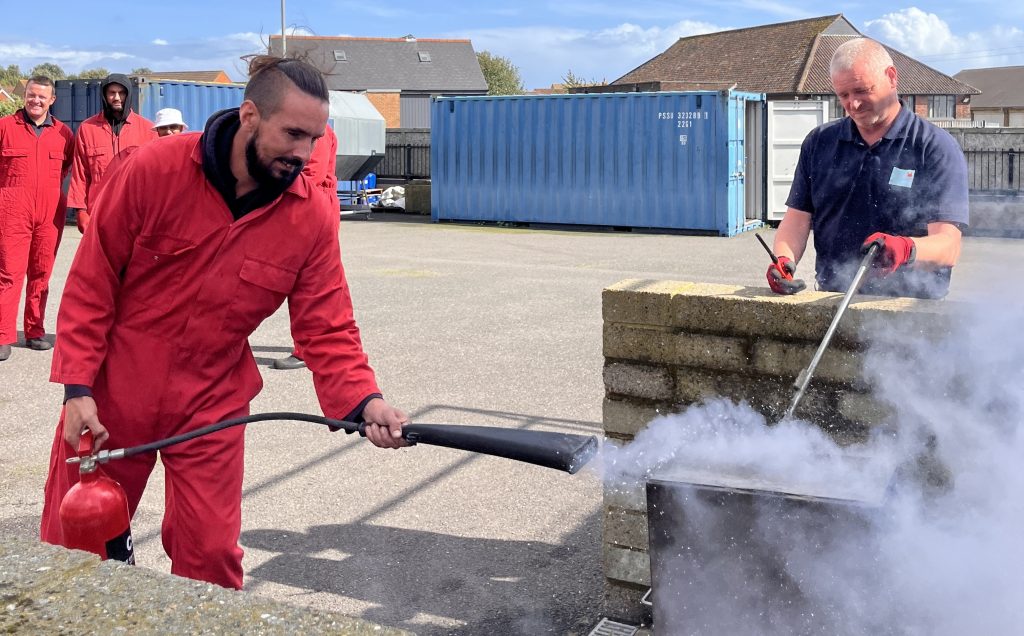
The BST course covers all five modules that make up the basic Standards of Training Certification and Watchkeeping (STCW) certification, including:
Holding the Basic STCW certification is a legal requirement for any mariner that works on board a commercial vessel longer than 24 metres, including ferries, tankers, cruise ships and more. In addition, the BST is a prerequisite for many more advanced courses that will help to develop your career at sea.
(updating courses as per Manila amendments)
Here are the refreshers that require updating every 5 years:
It is mandatory for all crew to retake the courses every five years. Refreshers are shorter than the full course you took the first time around. You also have the option to self-declare onboard training so you can take shortened updating courses.
GWO Basic Safety Training (BST) is an internationally recognised health and safety certification for people working in the wind energy industry. The program covers five key safety topics, including:
MSA has partnered with Checkmate (HART) to offer all modules of the GWO BST programme. At MSA Dover, we offer the GWO Sea Survival course, covering the topics:
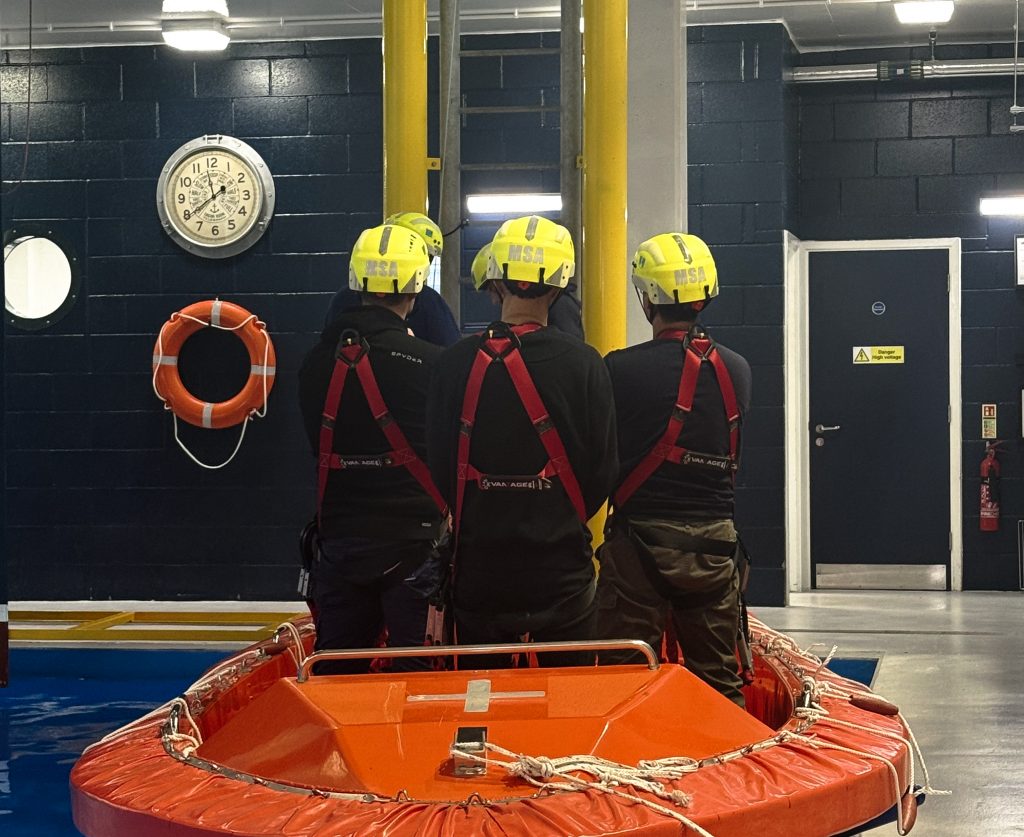
The one-day intensive course combines both theory and practical elements to ensure that students are prepared for any eventuality while working offshore.
The GWO BST is required for all workers in the offshore renewables industry, including:
Currently, the UK offshore renewables industry employs 40,000 workers, with that number expected to rise to 97,000 by 2030, meaning there’s plenty of opportunity to work in this growing industry.
The MCA Approved Engine Course 1 (AEC1) is a must for anyone looking to pursue a career as a marine engineer or ship operator aboard a commercial vessel under 24 meters in length.
Not only is the course recognised (and often required) by private captains and charter companies, but it is also a required step toward obtaining the Engineer Officer Certificate of Competency from the MCA.
Over the five-day course, students will receive both classroom instruction and hands-on experience with engines, allowing them to put their new knowledge to the test.
Although the MCA Approved Engine Course 1 (AEC1) isn’t legally required for work aboard commercial vessels under 24 meters in length, it is typically required (or preferred) by private captains and charter companies.
In addition, the AEC1 course is a necessary step toward obtaining the Engineer Officer Certificate of Competency from the MCA. Obtaining the Engineer Officer Certificate of Competency along with the Basic STCW certification allows holders to serve as chief or first assistant engineer on Merchant Navy vessels of any size.
Unfortunately, there is no single answer to the question, “Which maritime course is best?”
The best marine course for you will depend on your career goals and the type of vessel you hope to work on.

Discover our MCA, GWO, and BMA approved courses that will help you launch your maritime career.
To learn more about our courses or to find out which one is right for you, feel free to browse our course catalogue or contact our booking team to discuss your requirements.