What is the Importance of the Designated Person Ashore Role in a Shipping Company?

If you’re looking to better understand the importance of the Designated Person Ashore role in a shipping company, then read on!

The Designated Person Ashore (DPA) plays a crucial role in the Safety Management System (SMS) of a shipping company. The DPA is a key position mandated by the International Safety Management (ISM) Code, which is part of the International Maritime Organisation’s (IMO) regulations.
Designated Person Ashore DPA Maritime Skills Academy

Here are some important aspects of the DPA role in a shipping company:

Safety Management System (SMS) Oversight:

The DPA is responsible for ensuring that the company’s Safety Management System is effectively implemented and maintained. They play a pivotal role in promoting a safety culture within the organisation.

Continuous Improvement:

The DPA is involved in monitoring and evaluating the effectiveness of the SMS, identifying areas for improvement, and implementing necessary changes. Regular reviews of safety procedures and practices are conducted to enhance the overall safety performance of the shipping company.

Communication with Maritime Authorities:

The DPA acts as the primary point of contact between the company and maritime authorities, ensuring compliance with international regulations and standards. They may communicate with flag state authorities, port state control, and other relevant entities.

Incident Investigation:

In the event of accidents, incidents, or near misses, the DPA is responsible for initiating and overseeing investigations to determine the root causes and prevent recurrence. They collaborate with relevant personnel to implement corrective and preventive actions.

Training and Awareness:

The DPA is involved in promoting safety awareness and providing training to the crew and shore-based personnel. Training programs are designed to ensure that all employees understand and adhere to safety procedures.

Emergency Response:

The DPA is responsible for developing and maintaining emergency response plans to address potential maritime incidents or crises. They ensure that the company is well-prepared to respond promptly and effectively to emergencies.

Documentation and Record Keeping:

The DPA maintains documentation related to the SMS, including records of drills, training, and incident investigations. Proper documentation is essential for demonstrating compliance with regulations during audits.

Regulatory Compliance:

The DPA monitors changes in relevant maritime regulations and ensures the company’s compliance with these regulations. They may be involved in preparing the company for external audits by flag states or classification societies.
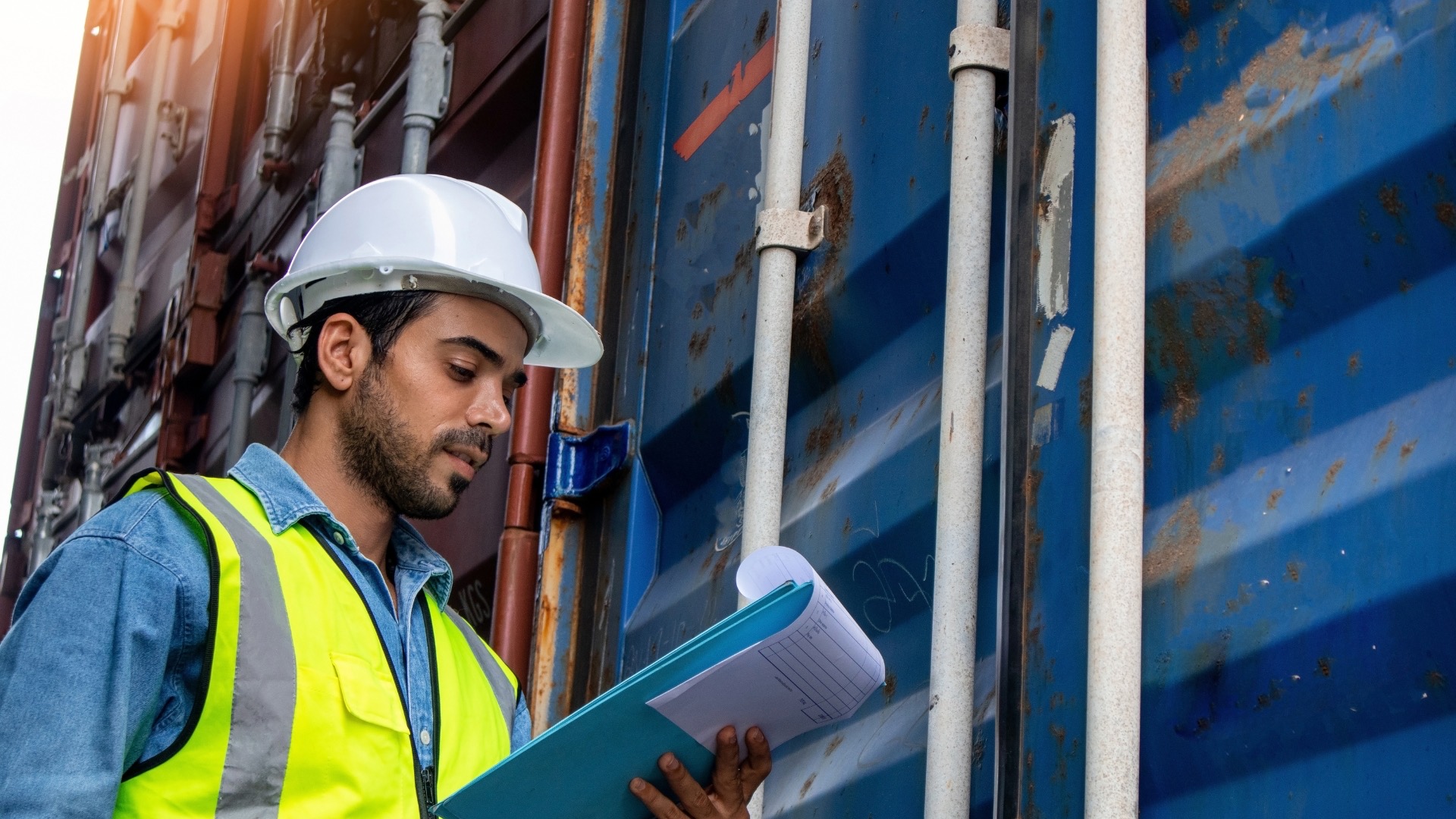
The Importance of Designated Person Ashore DPA Maritime Skills Academy

In summary, the Designated Person Ashore is a critical role in a shipping company, ensuring that safety standards are maintained, continuous improvement is pursued, and regulatory requirements are met. The DPA helps foster a safety culture throughout the organisation, contributing to the overall well-being of the crew, the vessel, and the marine environment.

If you require to undertake training for this role, The Maritime Skills Academy offers this course on a regular basis and can be taught online by remote learning.

The training will cover areas such as

  • Context and interpretation of the ISM code
  • Issues and common problems for the Designated Person(s)
  • Understanding Human Factors and ISM Effective Performance Management and KPIs
  • Appreciating Legal Issues and Self-Preservation
  • Effective Audit Requirements and Techniques
  • Effective ISM Reporting, Analysis and Corrective Actions
  • Effective Risk Management
  • Effective Management of Change

We have also combined the DPA training with Company Security Officer, as these roles can be held by the same individual within a shipping organisation.

If you find this blog useful and would like to learn more about the maritime industry as well as staying up to date with information on the courses we offer, please visit our News and Events page by clicking here.
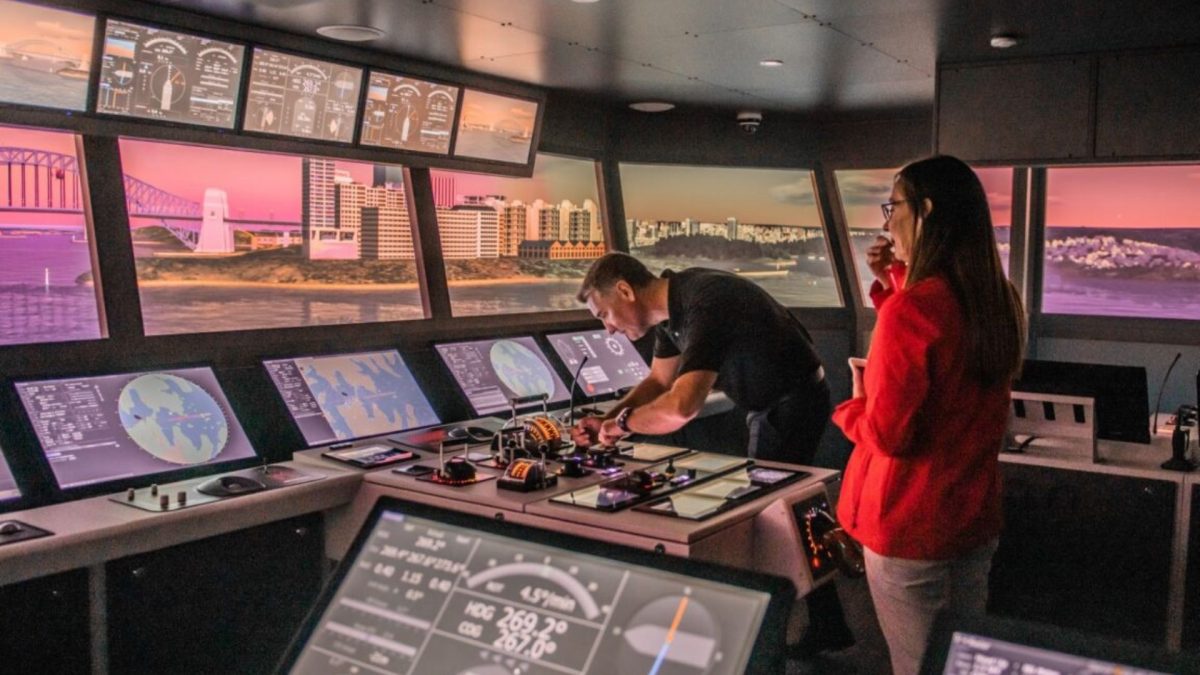
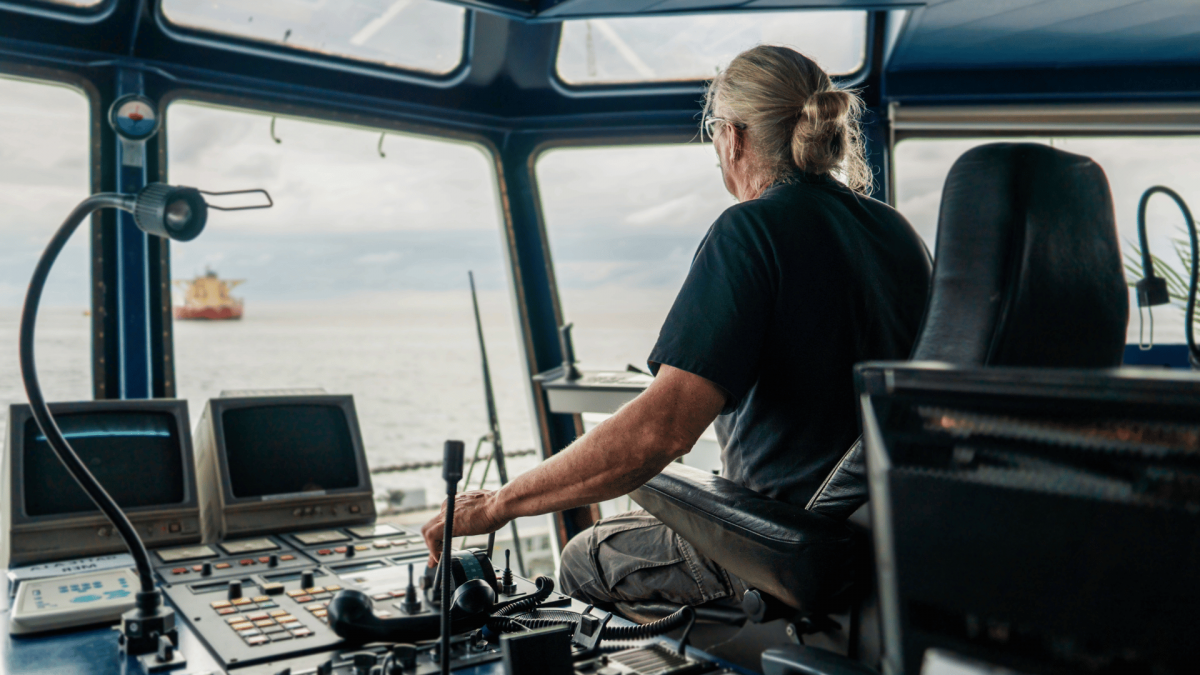
NAPA Type 4 Loading Computer Deadline Is Just One Year Away

Originally announced in 2020, the NAPA Type 4 Loading Computer deadline to upgrade all passenger ships built before 2014 is just one year away.

These ships must be fully compliant ahead of their first renewal survey after 1 January 2025, whereas all passenger-carrying newbuildings built after 2014 have been required to have a NAPA Type 4 Loading Computer installed as standard.

What are the different types of loading computer?

Right now, there are four types of stability software which all have different levels of capability. They include:

  • Type 1 – software that only calculates intact stability
  • Type 2 – can calculate intact stability and check damage stability based on a limit curve (e.g. for vessels applicable to SOLAS Part B-1 damage stability calculations)
  • Type 3 – calculates intact and damage stability by direct application of pre-programmed damage cases by reference to the relevant Conventions and/or Codes for each loading condition.
  • Type 4 – calculates damage stability associated with an actual loading condition and/or actual flooding cases, by using the direct application of user or sensor defined damage to enable a safe return to port (SRtP). 

The NAPA Type 4 Loading Computer is currently the most advanced of them all and sets the standard when it comes to stability software.

Why do ships need to upgrade to Type 4 Loading Computer?

Due to the increase in bridge officers’ heavy reliance on these systems to improve the efficiency of cargo loading, as well as optimising ship performance (whilst also mitigating vessel risks), it’s important that these systems are regularly reviewed, revised and upgraded where required.

The Type 4 loading computer has been created to improve safety measures during flooding emergencies as well as providing the master with more information to ensure a safe return to port.

There are three significant changes to Type 4 loading computer with the majority being in the damage stability module. These include:

  1. Automatic damage detection and watertight doors – Loading computer is using a detailed 3D model of the ship with also the internal arrangement modelled. All modern day ships are fitted with flooding level sensors which automatically detect flooded compartments in the loading computer. It is vital to maintain the ships’ watertight subdivision to ensure the safety of operation. If a watertight door is detected in the damaged compartment, then the system automatically prompts the user to add the adjacent compartments to the damage.
  2. Damage stability criteria – Every modern passenger vessel was designed with compliance to the SOLAS probabilistic damage stability requirements. To assess the severity of the damage case a set of criteria are used based on the survivability factor in SOLAS. These criteria enable the user to gain a clearer understanding of the damage case. The system also calculates the immersion angle of escape routes.
  3. Approval of damage stability functions – Because the requirements from SOLAS – via IACS – have been implemented in class rules, damage stability functions and calculation results with the loading computer are now subject to class approval. For older ships, this will also mean that stability and strength calculations also require class approval.

Maritime Skills Academy x NAPA Ship Stability

The Maritime Skills Academy is proud to deliver the NAPA accredited course on Ship Stability.

This course offers a comprehensive package of learning on ship stability and is taught by expert instructors. It provides the importance of understanding of basic stability, operations in port, cargo planning, surveys and casualty investigations, ships calculations and specific issues around stability.

To book your crew onto the course, visit the link by clicking here.

What is Polar Code Training?

If you’ve found yourself researching the answer to What Is Polar Code Training, then you’re in the right place.

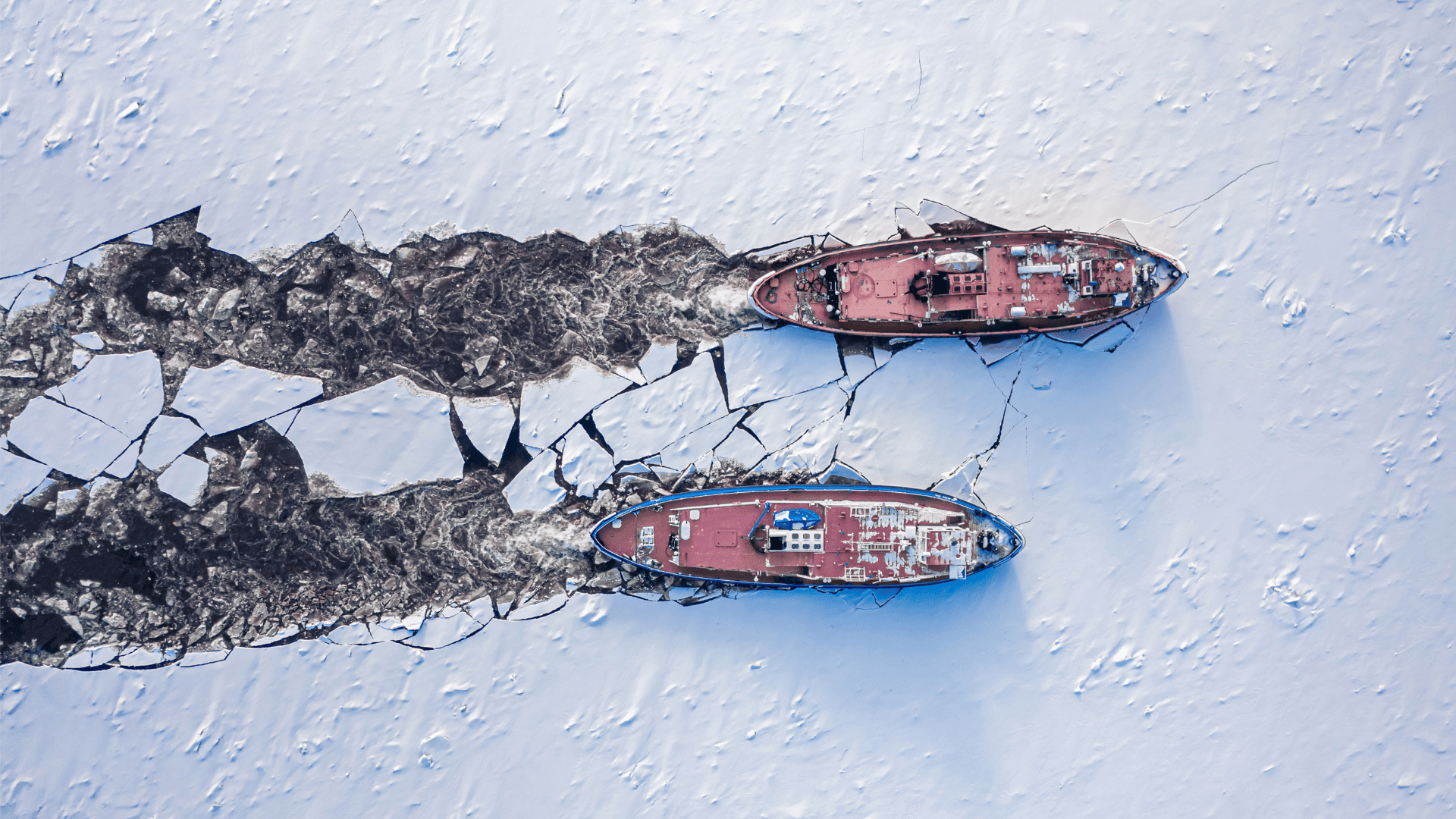
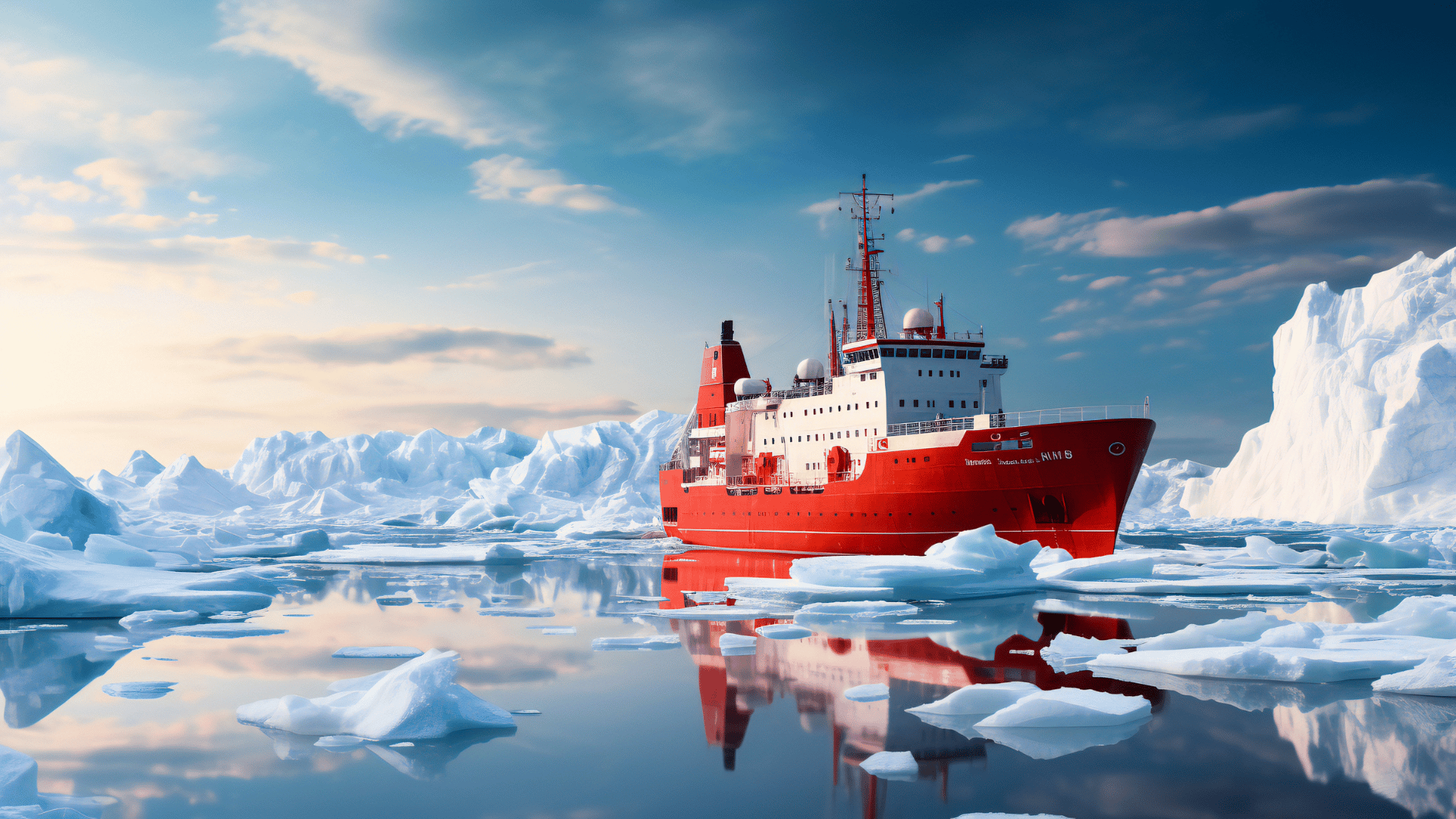
Operating in polar waters is different from standard seafaring. Seasonal changes in the ice, the greater risk of emergencies, and general dangers from an extreme climate mean seafarers must be fully trained and up to standard.

That’s not just advisory but also mandatory – under the IMO’s International Code for Ships Operating in Polar Waters, also known as the Polar Code. Learn more about the Polar Code, what it involves, and why Polar Code training matters below.

What is the Polar Code?

The Polar Code, formally known as the International Code for Ships Operating in Polar Waters, is a set of regulations developed and established by the International Maritime Organisation (IMO). Its role is to safeguard lives, property, and the environment in the challenging and potentially hazardous conditions of the Arctic and Antarctic waters.

The Polar Code, which came into effect in 2017, applies to all ships operating in polar waters. It covers:

  • Ship design and construction
  • Onboard equipment
  • Seafaring operations
  • Crew training
  • Environmental protection

Considering the pristine natural habits, the Polar Code aims to mitigate risks and prevent accidents, such as oil spills, deaths, or other forms of pollution. Animals and indigenous communities in the polar regions are found nowhere else on the planet, leading to stringent and compulsory rules.

What Is Polar Code Training Maritime Skills Academy Viking Maritime Group

What is Polar Code Training?

Polar Code training is a specialised form of training required of all seafarers operating ships in polar waters. Crew members are equipped with the knowledge and skills to safely navigate the challenging, hazardous conditions found in Arctic and Antarctic environments.

According to Chapter 12 of the Polar Code, training must guarantee that all masters, chief mates, and officers in charge of a navigational watch operating in polar waters have completed the relevant training. That includes the Polar Code and Watchkeeping for Seafarers (STCW).

Very few centres deliver an MCA-approved Polar Code training course, given the specificity and complexity of the training involved.

What Does Polar Code Training Involve?

The Maritime Skills Academy runs two separate Polar Code training courses:

  1. MCA Approved Polar Code Training (Basic) (POLAB)
  2. MCA Approved Polar Code Training (Advanced) (POLA)

During the Basic Polar Code training, learners are introduced to topics related to ice water navigation, season changes, and characteristics of the regions.

In addition, the course teaches emergency preparedness, equipping learners with strategies for effective responses to potential polar water emergencies. Throughout the sessions, a strong emphasis is placed on compliance with pollution prevention measures and a proactive approach to environmental hazard prevention. To maintain these delicate natural environments, all vessels must adhere to international and regional regulations and codes in polar waters.

The Advance Polar Code training, on the other hand, builds on the lessons of the first course. Participants will learn how to plan and conduct a voyage in polar waters, manage the safe operation of vessels in these challenging environments, and ensure the safety of the ship’s crew and passengers. This includes maintaining the operational condition of lifesaving, fire-fighting, and other essential systems onboard.

This training is structured around five key outcomes:

  1. Ensuring vessel preparedness for voyages operating in polar waters.
  2. Ensuring that both crew and passengers are adequately prepared for polar water operations.
  3. Planning and conducting a successful voyage in polar waters.
  4. Manoeuvring and operating the vessel safely amidst the unique challenges posed by polar waters.
  5. Managing the response to emergencies that may arise during the voyage.

Conducted at the MSA Portsmouth training centre, all lessons and materials are developed by experienced Ice Captains and Ice Pilots, recognised as industry leaders. Moreover, the courses use a full bridge simulator to mirror real-life scenarios.

Individuals seeking training must meet the prerequisites, including substantial time and experience at sea.

What Is Polar Code Training Maritime Skills Academy

Closing Thoughts

Polar Code training isn’t an optional extra to expand a seafarer’s skills. It’s critical to the safety of individuals operating in polar waters and the preservation of the pristine polar habitats. You won’t be allowed to join a ship’s crew unless you achieve these qualifications.

The Maritime Skills Academy offers MCA-approved Polar Code training courses developed by experienced ice captains and ice pilots, providing participants with the knowledge and skills necessary for the safe and responsible operation of vessels in polar waters.

If you’re interested in our training courses, please apply via our website.