
Entry into enclosed spaces has always been considered a perilous activity. With constantly improving procedures, regulations and training, it is clear that the maritime industry has identified and recognises the risks involved in enclosed space entry, both on land and at sea.
However, casualties continue to occur despite improved safety procedures.
When incidents are investigated, procedures and regulations are rarely the root cause. In most instances, casualties occur when risk assessments are rushed, permits are not fully reviewed, equipment checks are missed, and assumptions are made. All of which are easy oversights in a high-pressure situation.
As an industry, the challenges we face are not simply identifying hazards; it is ensuring that control measures are functioning as intended before anyone enters an enclosed space.
Gas detectors act as a vital protective measure, identifying oxygen-deficient atmospheres, toxic gases, flammable vapours and other hazards that go unseen.
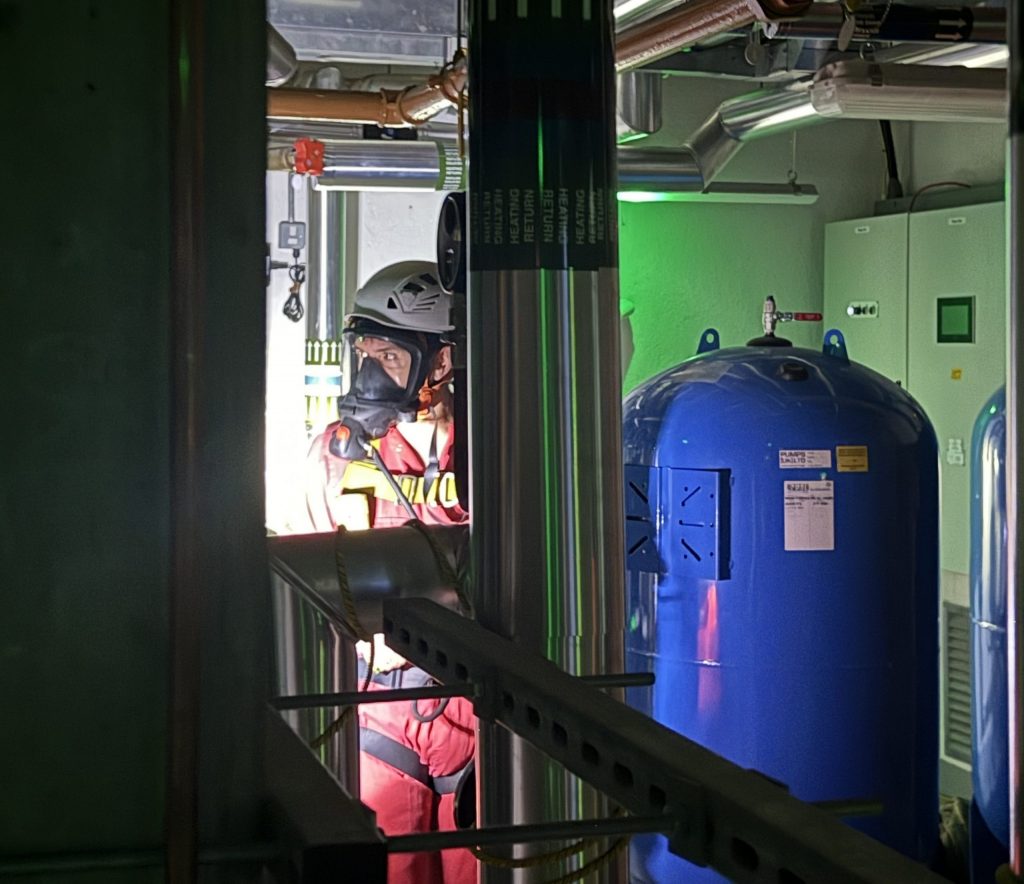
Like any safety equipment, gas detectors are not infallible. All technology is at risk of faults, breakages or misuse. Which is why they require regular testing and maintenance to ensure that they can be used when they are needed the most. Like any safety equipment, gas detectors are not infallible. All technology is at risk of faults, breakages or misuse. Which is why they require regular testing and maintenance to ensure that they can be used when they are needed the most.
Gas detectors can still appear fully operational, even if they aren’t. Sensors can degrade over time, batteries can run out of charge, and equipment can be damaged if not maintained.
If these instances do not render the detector unusable, there is a chance that it will not alert users to the faults.
Manufacturers, regulators and industry guidance all strongly recommend conducting regular routine checks, maintenance, calibration and bump testing to ensure your safety equipment is always operational.
If gas detectors are neglected, personnel may unknowingly rely on inaccurate information, especially when making entry decisions. In enclosed space entry scenarios, a false sense of security can be just as dangerous as any physical hazard.
Despite technology offering a wealth of support and information, the safety of personnel entering enclosed spaces is ultimately the responsibility of the operator.
If crew are poorly equipped to operate the technology, understand its readings and respond accordingly, even the best equipment is rendered obsolete.
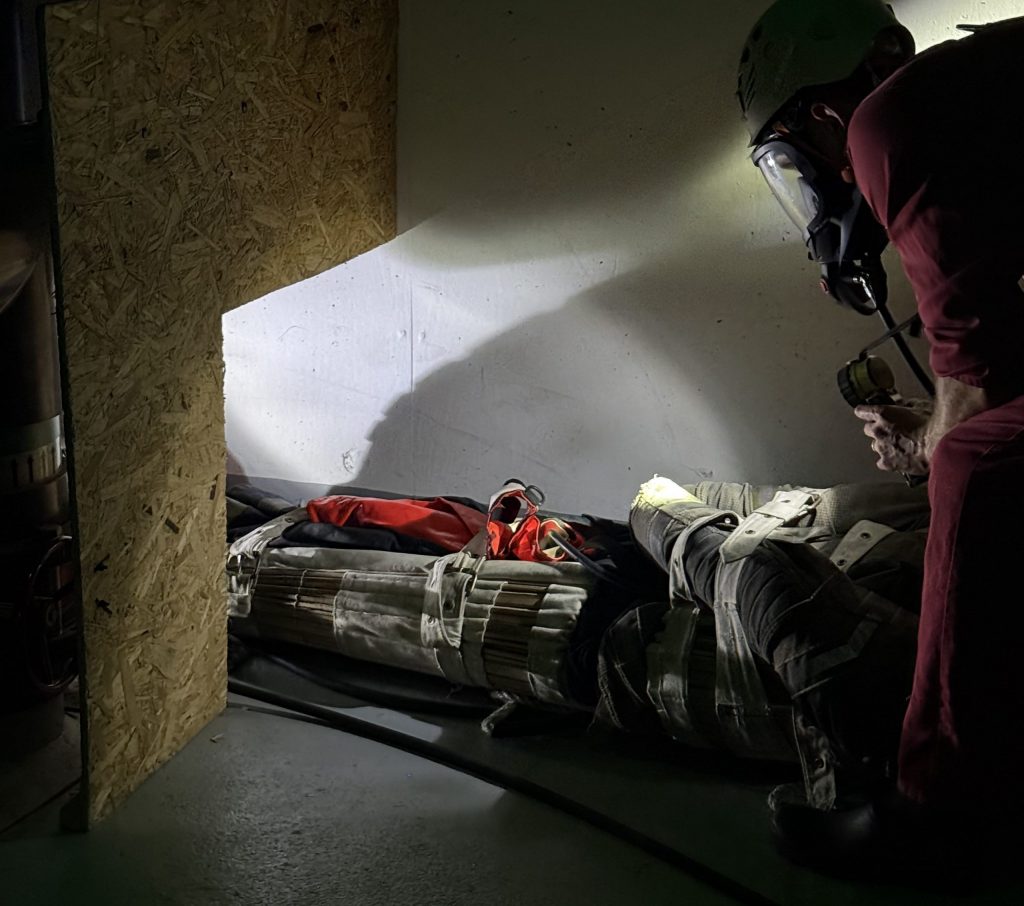
The best solution to ill-equipped crew is an increase in regular training, practising the use of safety tools and technologies.
Training also helps to eradicate complacency because crew are encouraged to follow routine checks, regardless of prior knowledge, assumptions or familiarity of the space in question.
The most important aspect of safely entering an enclosed space is confidence. Confidence that the atmosphere has been properly tested, the gas detector is functioning correctly, personnel understand the risks, and everyone involved knows what to do if conditions change.
However, paperwork and theory alone cannot achieve this level of preparedness. Crew require regular, ongoing preparation and training. That is why our enclosed space training course replicates realistic scenarios, so delegates can experience emergencies as they would on board.
Delegates are trained in and practice atmospheric testing, gas detection equipment checks, risk assessments, emergency response planning and safe enclosed space operations.