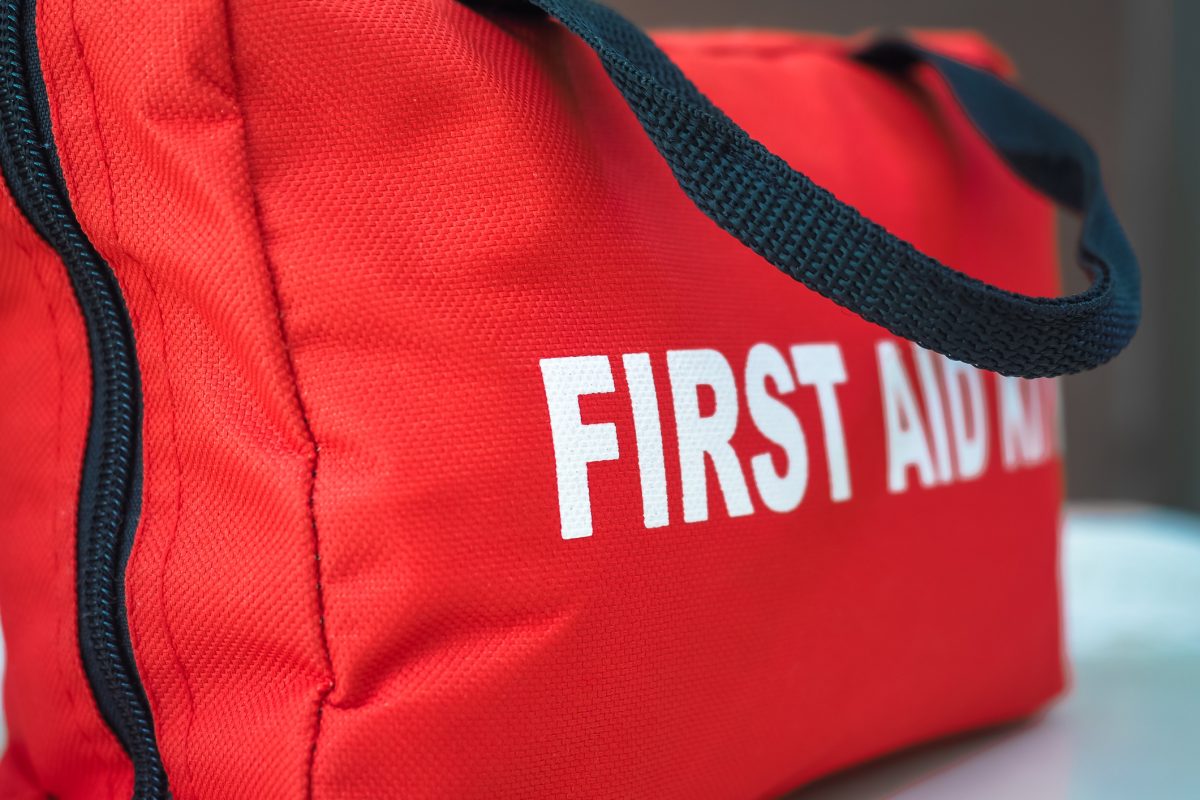
Reasons why I love a Medical Kit

I love a medical kit. Don’t judge me for it until you hear why.

I specialised in trauma. When someone is screaming in agony and there is blood and vomit and all manner of other injuries to assess then I work with a strict assessment protocol to ensure that I don’t miss anything critical in the face of the distracting injuries.

It makes sense that I want to access my kit and find it laid out in an intuitive way that follows my assessment protocol. So, it won’t surprise you to know that my kit is organised in that way. Obvious right? Wrong. It is obvious to me because I have been doing this for more years than I care for you to know and can reach blindly into my kit bag and know exactly where my hand will be reaching and sure enough the right piece of kit will be pulled out.

If you are not doing this all the time, then you may look at your kit on board and think “I have no idea what that is or what it is used for”. The main reason this happens is because the training that you receive is, generally speaking, based on a Category A Maritime and Coastguard Agency medical kit or a World Health Organisation Category 0 kit. This is a great start, but as you probably already know, each medical supply company may source their kit from different suppliers which means it is packaged differently and may have a trade name plastered all over it instead of its generic name. So, when it comes to identifying what you have you can be forgiven for having no idea what your traction device looks like or where your triangular bandages will be kept or if Immodium is in fact Loperamide.

How do you work around these issues? First and foremost you need to learn your kit. If you don’t know, google it or ask your supplier what it is for. Youtube is a great source of video tutorials for equipment use.

Next, make sure your kit is laid out how you plan on using it. I was on a vessel recently and we did a trauma scenario. The trauma kit was in 4 separate bags. We only knew that after getting all 11 bags out and searching through because every kit bag was identical. It is important to have an emergency grab bag with the essentials in it that you will need to stabilise life-threatening injuries. I would also consider keeping emergency medications in that bag such as Aspirin and Adrenaline (Epipens).

Keep your medications stored by use. For example, keep all your anti-sickness medications together and all your skin creams together etc.

Pack your wound management kit as you would use it. Wound cleaning, wound closure, wound dressings etc.

Stuff that doesn’t get used that often and is not required in an emergency can be put away.

IMPORTANT NOTE

If you are part of a fleet of vessels, it is important that your medical kit is stored and kept in the same places on each vessel so that there is no confusion. If you go on Vessel A and the emergency grab bag is on the bridge then it should be on the bridge on vessels B, C, D, etc.

You should also ensure that the same kit is in the same bags so that in an emergency if you need a triangular bandage then you will find it in the same place regardless of which vessel you are on.

The temptation with the MCA and WHO kits is to keep them exactly in the order that the printed list is in because it is easier when doing your checks but believe me, from experience it is hard to use that kit when it is all in different places within the medical locker.

Red Square Medical employ sea-going medics who have years and years of experience in organising and using medical kits. Get in touch if you think we might be able to help you. We can organise and catalogue your kit, standardise it across your fleet or personalise it if you are independently operating and want to get your medical kit looking as slick as the rest of your operations on board.

Article written by one of our Marine Training Consultants, Liz Baugh.

For more information, please email Liz. 
Our Train the Trainer course has been awarded MNTB Recognition

Following a comprehensive review of the MSA Train the Trainer course and its submission, we are delighted to have been awarded MNTB Course Recognition.

MNTB Course Recognition is open to in-house or public courses delivered anywhere in the world. Through the scheme, the MNTB formally recognise training courses that are effective, quality assured and answer specific needs within the maritime industry.

Achieving recognition aligns the course with the MNTB’s well-respected brand and autonomy, allowing it to carry a globally recognised MNTB ‘quality mark’ on all materials. This significantly enhances its profile and credibility in the marketplace.

At the same time, having access to rigorous and highly detailed expert evaluation is a very effective way of improving the quality of the training.

The scheme is ISO9001 accredited and has the full involvement and support of the UK Chamber of Shipping, the trade association for the UK shipping industry.

Mark Jaenicke say: We are thrilled to have been awarded the MNTB course recognition for our Train the Trainer course as the process was extremely thorough and proved the competence of our procedures and of the instructors. This gives us full confidence in the quality we are delivering as well showing the industry we have a reputable course on offer.

The Train the Trainer is a three day course aimed at giving the students the necessary knowledge and skills to enable them to research, design, prepare and deliver short professional courses for maritime people working, or wishing to work, within the maritime industry.

The course will concentrate on the learning styles of students and the reasons for tutors to develop a range of delivery strategies. The first day will also include discussion about possible sources of quality information and the range of methods that could be employed in assembling the information into a suitable learning structure.

For more information or to book onto the course, please click here.

Sir Richard Branson opens The Maritime Skills Academy new Simulator Centre

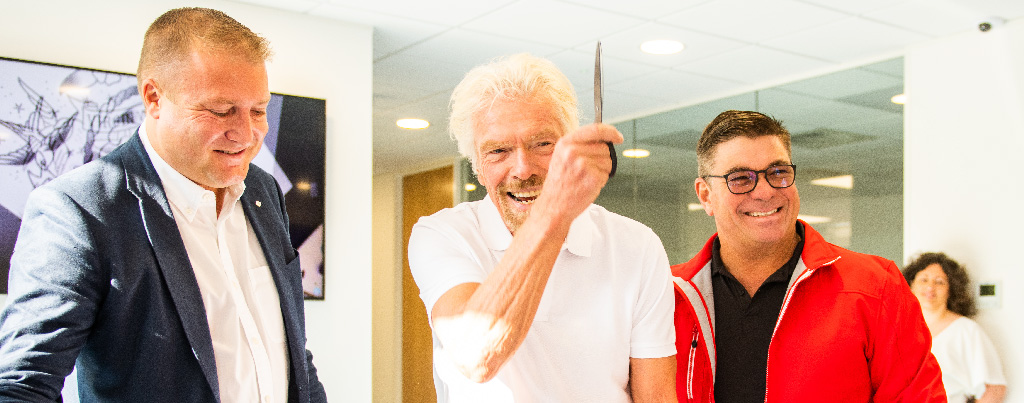
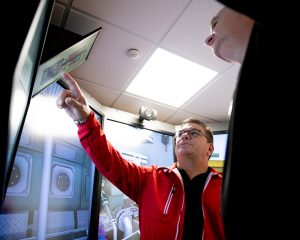
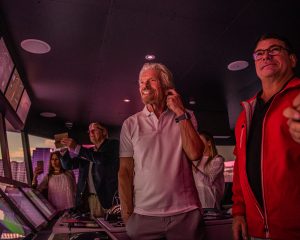
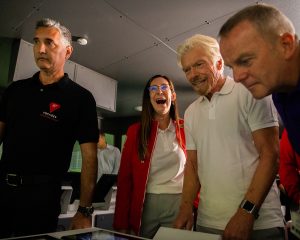
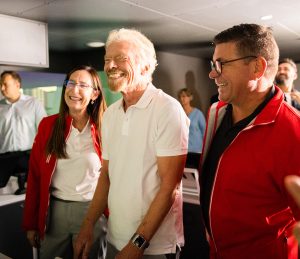
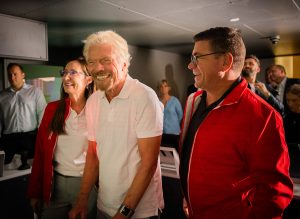
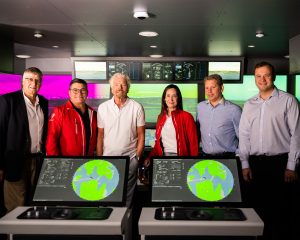
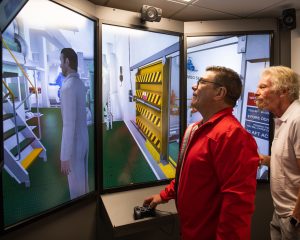
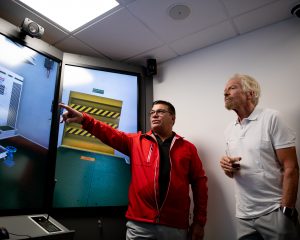
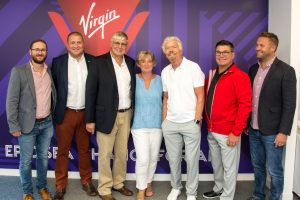
Sir Richard Branson, founder of the Virgin Group, and Virgin Voyages CEO Tom McAlpin made a special visit to the MSA Solent on Sunday 15th September to open our new simulator centre officially with a ribbon cutting ceremony.

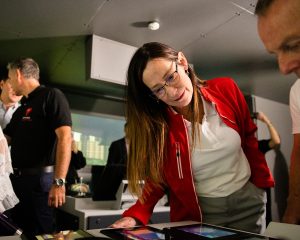
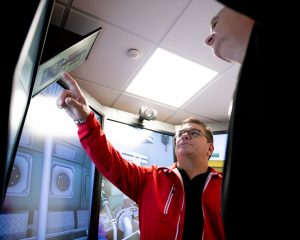
During the visit, Sir Richard Branson tested the simulator centre for himself and met some of the Crew who will be sailing and training at the centre for Virgin Voyages.

The Viking Maritime Group have worked in conjunction with Virgin Voyages and the passenger industry to build and create one of the most prestigious and modern, forward thinking simulation centres in the world.

On the South Coast of the UK, The Maritime Skills Academy have developed two training centres, one for safety training in Dover, Kent and most recently one for simulator training in Portsmouth, Hampshire.

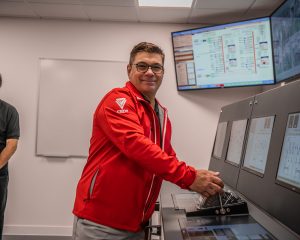
The MSA Solent provides the Virgin Voyages Crew with a fresh and culturally-attuned environment and is where over the coming years, the company’s crew will train and enhance in their skills running through Bridge Resource Management, Ship Handling, ECDIS, Engine Room Management, High Voltage and many other courses created in line with Virgin Voyages’ procedures.

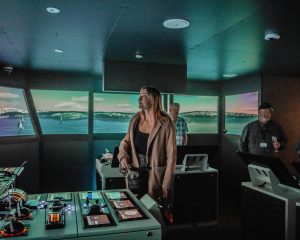
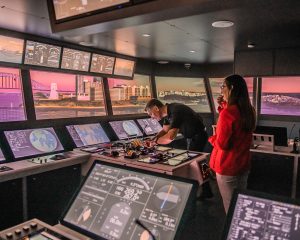
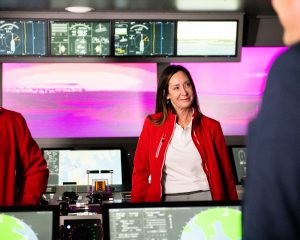
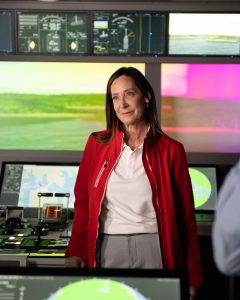
MSA Solent is the world’s only commercial training centre to have a fully integrated Wärtsilä Nacos Platinum system within the full mission bridge simulator and associated course provision, including full vision bridge wings and interactive tactical tables.

MSA Solent is a purpose-built, state-of-the-art centre. The simulation facilities have been created in partnership with global maritime simulation leaders, Wärtsilä (formerly known as Transas Marine).

The key sector focus for clients at MSA Solent will be the passenger industries (cruise, superyacht and passenger ferries) which have increased the call for more simulator training.

Major customers who are already looking to train here are Windstar Cruises, Marella, V-Ships, DFDS, Port of Dover.

MSA Dover will also see the Virgin Voyages Crew from around Europe visiting as Viking Maritime Group were selected as the sole provider of all basic, advanced and updating STCW safety training courses.

The centre houses an environmental survival pool, fire training centre with a command & Control module, lifeboat centre and engineering workshops.

New to the MSA Dover, is the UK’s first commercial Command & Control Safety centre and Damage Control modules. Operational exercises in fire training using the safety centre mirror onboard passenger scenarios and techniques.

The Damage modules are where crew are put through their paces in a stark and challenging environment to repair leaks, splits and learn the practical and theoretical ways to reduce water ingress.

Viking Maritime Group in brief:

Viking Maritime Group is leading the way as a maritime services company and operates in the United Kingdom, USA, New Zealand and the Philippines.

Founded in 1988, today the company encompasses a diverse group of businesses including; Viking Crew, the leading maritime crew services provider and the Maritime Skills Academy, with training centres in Dover, Portsmouth, and Gibraltar.

Across the company there is alignment and synergy in our ethos, in putting people first, and helping support and develop the talent and expertise within the global maritime industry.

Date of Issue: 17th September 2019
Last Edited: 27th August 2024